
Side Dishes
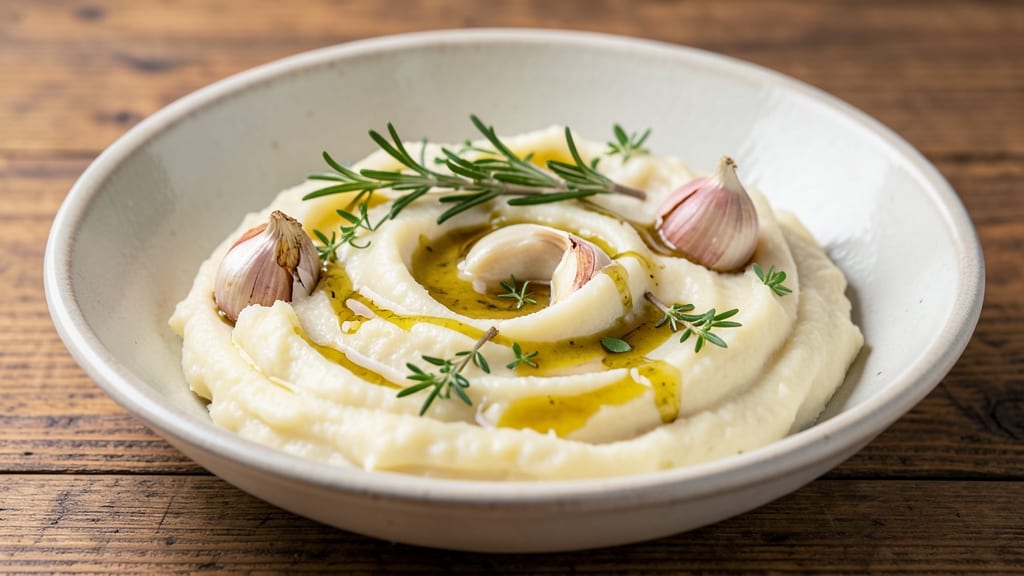
This olive oil mashed potatoes recipe transforms a classic side into something silky and deeply flavorful—no butter overload required. 💛 I first perfected it during a Boston winter when I needed something rich enough to satisfy but light enough to balance heavier dishes.
The secret lies in using high-quality olive oil as the base, which adds herbal depth while keeping the texture impossibly smooth.
The technique is simpler than you'd think: boil potatoes until fork-tender, drain completely, then mash with warm olive oil and a splash of cream. What sets these apart is the infusion of garlic and fresh herbs into the olive oil—roasted until fragrant, then cooled before mixing.
This creates layers of flavor without making the potatoes heavy, and the result is a velvety, restaurant-quality side that pairs perfectly with roasted meats or grilled fish.
By the time you're done, you'll have mashed potatoes that are creamy yet light, with just enough richness from the olive oil to satisfy. The herby notes from the infused oil elevate them beyond basic sides, making this the kind of dish that turns a simple dinner into something special.
The best part? They reheat beautifully, so you can make a big batch and enjoy leftovers without sacrificing texture.
This recipe works equally well as a standalone dish or alongside your favorite proteins. For extra depth, finish with a sprinkle of flaky salt and cracked black pepper—trust me, the contrast makes every bite even better.
Let's get started on creating these ultra-creamy, herby mashed potatoes that will become a staple in your rotation.
Ingredients for olive oil mashed potatoes
Six ingredients, one game-changing side. The secret? Olive oil does the heavy lifting here.
| Ingredient | Amount | Notes |
|---|---|---|
| Yukon Gold Potatoes 🥔 | 3 lb | Peeled and cubed evenly |
| Extra-Virgin Olive Oil 🫒 | 1 ½ cups | High-quality, fruity variety |
| Heavy Cream 🥛 | ½ cup | Full-fat for creaminess |
| Garlic Cloves 🧄 | 4 cloves | Peeled and halved |
| Fresh Rosemary 🌿 | ¼ cup | Chopped, fresh preferred |
| Fresh Thyme 🌿 | ¼ cup | Leaves only, packed |
| Flaky Sea Salt 🧂 | 1 ½ tsp | For finishing |
| Freshly Ground Black Pepper 🌶️ | ½ tsp | Cracked over top |
| Unsalted Butter 🧈 | 2 tbsp | Optional, for extra richness |
The potatoes are non-negotiable—Yukon Golds are your best bet for that creamy texture, but Russets work too if that's what you've got. For the olive oil, look for extra-virgin with fruity notes—California or Italian varieties at Whole Foods or Trader Joe's are my go-tos. The herbs? Fresh is ideal, but if you're using dried, halve the amount. I always grab extra rosemary—it's the backbone of the flavor here. For the garlic, don't skip the roasting step—it mellows the bite and adds depth.
No heavy cream? Half-and-half or whole milk works in a pinch, but the texture won't be as luscious. Short on fresh herbs? Dried rosemary and thyme at one-third the amount get you close, but nothing beats the fresh stuff. The butter is optional—trust me, the olive oil is enough—but if you're serving this to skeptics, a pat of butter on top sells it every time. For the olive oil infusion, low and slow is key—don't rush it or the garlic will burn. And if you're worried about the oil being too strong, don't be. The potatoes mellow it out perfectly.
These reheat like a dream—just warm with a splash of milk or water. Store leftovers in the fridge for up to 5 days, or freeze for 3 months. I always double the batch because they vanish fast. For freezing, spread them on a tray first to prevent clumping, then transfer to a container. The texture stays silky if you reheat gently—microwave in 30-second bursts, stirring in between.
Why You'll Love This Recipe
- No Chopping Hassle: I peel and boil—no dicing, no mincing. The Yukon Golds handle the work; I just mash them with olive oil and a splash of cream while the garlic sizzles in the same pan. Five minutes of actual hands-on time, and that’s it.
- Herb-Infused Luxury: That first bite of rosemary and garlic in every forkful? It’s like a fancy bistro side, but I made it in my own kitchen. The olive oil doesn’t just cook—it elevates, turning simple potatoes into something dangerously addictive.
- Weeknight to Holiday: Same recipe works for Tuesday dinners or Thanksgiving leftovers. Reheat them with a drizzle of olive oil, and they’re creamy again—no dry, sad potatoes here. My kids even ask for these over buttery versions at family gatherings.
- Budget-Friendly Upgrade: Olive oil and rosemary cost more than basic butter and salt, but a little goes a long way. Stretch this into three meals: mash for dinner, mix into breakfast hash, or stuff it into roasted potatoes later. The flavor pays for itself.
Step-by-step instructions for olive oil mashed potatoes
Here's the method—creamy, herby, and packed with Mediterranean flair.
🍳 Step 1: Boil Potatoes Until Fork-Tender
Place the 3 lb Yukon Gold Potatoes in a large pot and cover with cold water by about 2 inches. Add 1.5 tsp flaky sea salt and bring to a boil over high heat. Once boiling, reduce to a gentle simmer and cook for 15-20 minutes until a knife slides in easily.
Here's the thing—don't skip the salt in the water. It seasons the potatoes from the inside out, and the flaky sea salt adds a luxurious finish later. Drain the potatoes thoroughly in a colander, shaking to remove excess water. I like to give them a quick shake back in the pot to release any stubborn moisture before mashing.
👨🍳 Step 2: Infuse Olive Oil with Herbs and Garlic
In a small saucepan, combine the 1.5 cups extra-virgin olive oil, 4 cloves garlic cloves (halved), 0.25 cup fresh rosemary, and 0.25 cup fresh thyme. Warm over low heat for 5-7 minutes until fragrant but not browned. Remove from heat and let steep for 10 minutes to infuse the flavors.
Strain the oil through a fine-mesh sieve into a bowl, pressing gently on the herbs to extract every last drop of flavor. This aromatic oil is the secret to that silky texture and herby depth. The garlic and herbs should be completely removed—you don't want any bits in your final mash.
🍳 Step 3: Mash Potatoes to Silky Perfection
Return the drained potatoes to the pot and let them sit for 2 minutes to steam slightly. Add the 0.5 cup heavy cream and 2 tbsp unsalted butter (if using). Mash with a potato masher or ricer until smooth—no lumps allowed. The ricer gives the silkiest texture, but a masher works too if you press firmly.
Gradually drizzle in the infused olive oil while mashing continuously. You'll want to add it slowly—about ¼ cup at a time—until the potatoes reach your desired creaminess. If it feels too thick, add a splash of warm milk or more cream. The goal is a velvety, spreadable consistency that clings to your fork.
🥘 Step 4: Finish with Herbs and Season
Return the mashed potatoes to the pot and stir in the strained herbs (if any remained after pressing) and 0.5 tsp freshly ground black pepper. Taste and adjust seasoning with more flaky sea salt if needed. The potatoes should be rich, herby, and perfectly seasoned—no blandness here.
For that restaurant-quality finish, I like to press a few fresh rosemary sprigs into the top of the potatoes before serving. The heat from the dish will release their aroma, making every bite even more fragrant. Serve immediately while warm—these potatoes don't reheat well.
Pro Tips For Making Olive Oil Mashed Potatoes
- Boil with Skin On: I learned this the hard way—peeling Yukon Golds first makes them waterlogged and gluey. Leave the skins on during boiling (just peel after), and the starch stays inside where it belongs. Trust me, your mash will be creamier than store-bought.
- Infuse the Oil: Don’t just drizzle olive oil on top—heat 2 tablespoons in a pan with crushed garlic and rosemary sprigs until fragrant (2-3 minutes). This makes the oil taste like it’s been simmered in flavor, not just poured from a bottle.
- Don’t Overwork the Mash: Yukon Golds break down fast, but once you add cream, stop mashing after 2-3 minutes. Overworking turns them gummy, and the olive oil will separate if you’re too aggressive. Rough texture = better texture.
- Warm the Cream First: Heavy cream straight from the fridge will cool your potatoes faster than you can blend. Warm it slightly (just until it steams) before mixing—this keeps the mash hot longer and prevents that sad, clumpy separation. (Yes, even if you’re impatient like me.)
Perfect pairings for olive oil mashed potatoes
Herb-Infused Olive Oil
This recipe shines when paired with dishes that need a bright, herby contrast. The infused olive oil in these potatoes pairs beautifully with grilled lamb chops—the rosemary and thyme echo the Mediterranean flavors while cutting through the richness.
I love serving them alongside roasted lemon garlic chicken thighs, where the citrus in the chicken complements the herby notes in the potatoes. 🌿
Rich Proteins
For heartier meals, these potatoes are a match made in heaven with pan-seared duck breast or braised short ribs. The olive oil base stands up to the deep, savory flavors of red meat without overpowering them.
If you're serving seared scallops or grilled salmon, the potatoes add a luxurious touch without competing for attention. The key is balancing textures—creamy potatoes against crispy or tender proteins.
Vegetable Sides
Lighten up your plate by pairing these potatoes with roasted Brussels sprouts tossed in balsamic glaze or sautéed asparagus with lemon zest. The earthy flavors of the vegetables contrast nicely with the herby potatoes.
For a complete vegetarian spread, add grilled eggplant or roasted cauliflower—both absorb the olive oil beautifully and round out the meal. 🥦
Bread and Dips
Serve these mashed potatoes with warm crusty sourdough bread or garlic focaccia for scooping up extra flavor. The olive oil in the potatoes enhances the bread's crust, creating a satisfying crunch. For dips, try pairing them with whipped feta or tzatziki—the cool, tangy flavors balance the richness perfectly.
I often set out a small bowl of lemon wedges on the side for guests to squeeze over their potatoes.
Wine Pairings
A crisp Italian white wine like Vermentino or Pinot Grigio complements the herby, olive oil-forward flavors beautifully. The acidity in these wines cuts through the richness, cleansing your palate between bites. For red wine lovers, a light-bodied Chianti works well—just avoid heavy, tannic wines that might overpower the delicate herbs.
A chilled rosé from Provence is another fantastic choice, especially for summer meals. 🍷
Nutrition facts
Frequently asked questions
Why use olive oil instead of butter in mashed potatoes?
Olive oil adds a bright, herbal depth that butter can't match, plus it keeps the potatoes lighter and more digestible. The high-quality oil infuses with garlic and rosemary for complex flavor without the heaviness. For extra richness, add just 2 tbsp butter at the end—it's optional but delicious!
Can I make these mashed potatoes ahead of time?
Yes! They reheat beautifully if made 1 day ahead. Store in an airtight container in the fridge, then warm gently with a splash of milk or water. For freezing, spread on a tray first to prevent clumping, then freeze for up to 3 months. Thaw overnight in the fridge before reheating.
What's the best potato variety for this recipe?
Yukon Golds are ideal for their creamy texture, but Russets work too if that's what you have. Avoid waxy potatoes like red or fingerlings—they'll stay too firm after mashing. Pro tip: Cut them evenly for consistent cooking time.
How do I fix lumpy mashed potatoes?
Use a potato ricer or press with a wooden spoon to break up lumps while adding more olive oil or warm milk. If they're too thick, stir in 2 tbsp cream at a time. For extra silkiness, pass through a fine-mesh sieve before serving. Prevention is key—mash thoroughly while hot!
Can I substitute heavy cream for something lighter?
Try half-and-half or whole milk for a lighter texture, but expect slightly less creaminess. For dairy-free, use coconut cream or unsweetened almond milk (add 1 tbsp cornstarch per cup to thicken). The olive oil will still give that rich, velvety base.