
Side Dishes
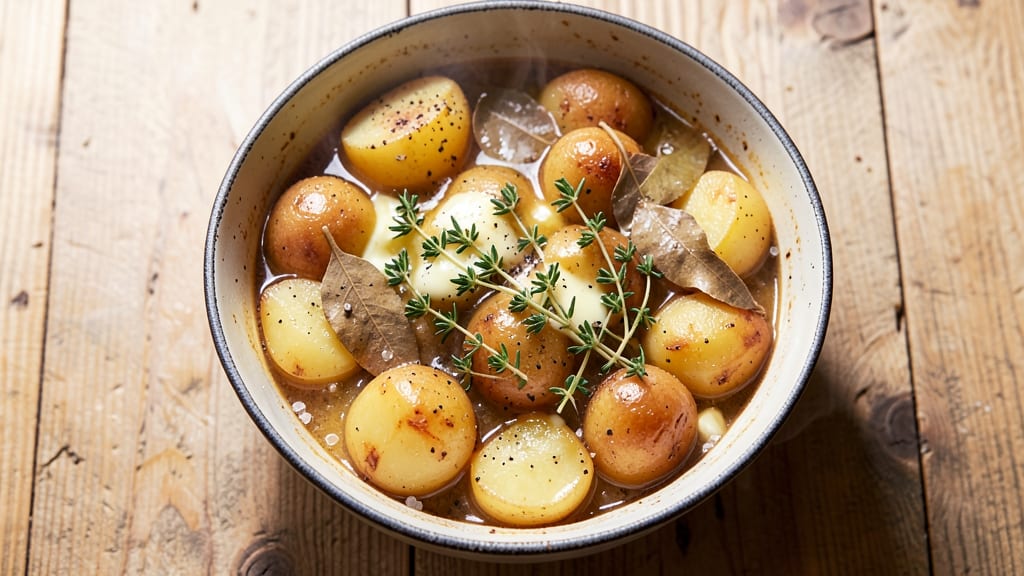
This old-fashioned stewed potatoes recipe delivers the creamy, caramelized comfort of a classic home-cooked side that pairs perfectly with roasts and casseroles.
The secret lies in slow simmering—potatoes develop tender, buttery edges while absorbing rich seasonings like thyme and bay leaf, creating a velvety texture that feels like a hug in every bite.
What sets this method apart is the simplicity: just potatoes, butter, salt, and herbs, simmered until perfectly tender. No fancy techniques required—just patience and a heavy pot to ensure even cooking.
The result is a dish that transforms humble ingredients into something deeply satisfying, with a golden crust and creamy interior that melts at the first forkful.
This recipe is designed for foolproof comfort, delivering restaurant-quality results without the fuss. The slow simmering process ensures potatoes stay tender while developing that signature caramelized flavor, making it ideal for family dinners or holiday meals.
The rich, buttery sauce clings to every bite, creating a side dish that steals the show.
Serve alongside roasted meats, Sunday gravy dishes, or even as a standalone side for sandwiches. The versatility of this classic recipe makes it a staple in any kitchen, offering warmth and heartiness in every spoonful. Let’s get cooking!
Ingredients for old fashioned stewed potatoes
Just potatoes, butter, and herbs—transformed into velvety, caramelized comfort through slow simmering.
| Ingredient | Amount | Notes |
|---|---|---|
| Yukon Gold Potatoes 🥔 | 2 lb | Cut into even 1-inch cubes |
| Unsalted Butter 🧈 | ½ cup | Cold, cut into 1-inch pieces |
| Fresh Thyme Sprigs 🌿 | 2 whole | Leaves stripped from stems |
| Bay Leaves 🍃 | 2 whole | Standard dried leaves |
| Diamond Crystal Kosher Salt 🧂 | 1 ½ tsp | Adjust to taste |
| Freshly Ground Black Pepper 🌶️ | ½ tsp | Cracked over potatoes |
| Heavy Cream 🥛 | ¼ cup | Full-fat for richness |
| Whole Milk 🥛 | ¼ cup | Warmed slightly |
| All-Purpose Flour 🌾 | 1 tbsp | For thickening sauce |
| Granulated Sugar 🍚 | 1 tsp | Balances acidity |
| Fresh Parsley 🌿 | ⅛ cup | Chopped for garnish |
The potato selection matters most here. Yukon Golds excel with their buttery texture and even cooking, but Russets work too if you prefer a fluffier interior. Buy them a day ahead to let skins toughen slightly—this prevents them from breaking apart during cooking. Whole Foods or local farmers markets often carry the freshest tubers, but any reputable grocery store's produce section will suffice. Avoid pre-cut potatoes; their exposed surfaces oxidize faster and yield a less appealing texture. For a true old-fashioned touch, use organic potatoes when possible—their skins stay intact longer during the long simmer, creating that coveted golden crust.
No heavy cream? Half-and-half or whole milk can substitute at double the quantity, though the sauce will be slightly thinner. Fresh herbs are ideal, but dried thyme at one-third the amount works in a pinch—just toast it briefly in the pot first to release its oils. The flour acts as a natural thickener; if you're avoiding gluten, cornstarch at half the quantity delivers similar results. For a deeper caramelization, add 1 tsp brown sugar alongside the granulated. The bay leaves can be removed before serving, but leaving them in during cooking infuses the potatoes with subtle aromatic depth. Prefer a different herb profile? Rosemary or sage both pair beautifully with the buttery richness.
This dish reheats beautifully—simply cover with foil and warm in a 350°F oven for 15-20 minutes. For make-ahead convenience, prepare the potatoes up to 3 days in advance; the flavors deepen as they sit. Store in an airtight container with the sauce to maintain moisture. The golden crust forms best when reheated gently, so avoid microwaving. For a restaurant-quality presentation, transfer to a serving dish and sprinkle with freshly cracked black pepper and chopped parsley just before serving. The potatoes keep well for 5 days refrigerated or 3 months frozen—freeze the sauce separately if you plan to reheat multiple times.
Why You'll Love This Recipe
- Minimal Chopping Required: I swear by this trick—just halve the Yukon Golds, no need for perfect slices. The butter melts into those creamy centers while the edges stay tender, not mushy. My hands stay clean, and my kids stop complaining about peeling potatoes.
- Thyme & Butter Magic: That first whiff of thyme and butter simmering? Pure satisfaction. The bay leaves add depth without overpowering, and the kosher salt—just a pinch—lets the potatoes shine. It’s the kind of flavor that makes you pause mid-bite.
- Leftovers That Don’t Suck: Honestly, I make this on Sundays just so I can reheat it all week. The texture holds up beautifully, and it pairs with everything—eggs, steak, even a simple salad. No sad, gummy potatoes here.
- Budget-Friendly Luxury: Yukon Golds are pricier than russets, but the payoff is worth it. A single stick of butter and a few sprigs of thyme stretch this into multiple meals. Fancy enough for company, cheap enough for Tuesday. That’s my kind of recipe.
Step-by-step instructions for old-fashioned stewed potatoes
Here's the method—simple, reliable, and packed with rich, velvety texture.
Parboil the Potatoes for Perfect Texture
Place the 2 lb Yukon Gold Potatoes in a large pot and cover with cold water by about 2 inches. Add the 2 whole bay leaves, 1.5 tsp Diamond Crystal Kosher Salt, and 0.5 tsp Freshly Ground Black Pepper. Bring to a rolling boil over high heat, then immediately reduce to a gentle simmer. Cook for exactly 8 minutes—this partial cooking prevents the potatoes from turning mushy during stewing while ensuring they soften evenly.
Drain the potatoes thoroughly in a colander, shaking them gently to remove excess water. I like to return them to the pot for the next step while they're still warm—this helps the butter melt more evenly later. The potatoes should be fork-tender but still hold their shape when pressed firmly with your finger.
Build Rich, Caramelized Layers with Butter and Herbs
Return the drained potatoes to the now-empty pot and place it over medium-low heat. Add the 0.5 cup Unsalted Butter, cut into 1-inch pieces, and the 2 whole Fresh Thyme Sprigs (leaves stripped from stems). Let the butter melt completely, then use a wooden spoon to gently toss the potatoes, coating them evenly in the butter.
Here's the key: increase heat to medium and cook for 5-7 minutes, stirring occasionally, until the butter begins to brown and the potatoes develop a golden, caramelized crust in spots. This step creates the deep, buttery flavor that defines old-fashioned stewed potatoes. If the butter starts to smoke, reduce the heat slightly—you want browning, not burning.
Create the Creamy Sauce Base
In a small bowl, whisk together the 0.25 cup Heavy Cream, 0.25 cup Whole Milk, 1 tbsp All-Purpose Flour, and 1 tsp Granulated Sugar until smooth. This mixture will thicken the sauce while balancing any acidity from the cream. Pour it directly over the potatoes in the pot, then stir gently to combine.
Bring the mixture to a gentle simmer over medium heat, stirring frequently to prevent the flour from clumping. Simmer for 8-10 minutes until the sauce thickens enough to coat the back of a spoon and the potatoes are tender throughout when pierced with a fork. The sauce should cling lightly to the potatoes without being gluey—this indicates perfect consistency.
Finish with Fragrant Herbs and Resting Time
Remove the pot from heat and let the stewed potatoes rest, covered, for 10 minutes. This resting period allows the flavors to meld and the sauce to thicken further. Before serving, remove the 2 whole bay leaves and 2 whole Fresh Thyme Sprigs (discard or compost them). Stir in the 0.125 cup Fresh Parsley, chopped, for a bright finish that cuts through the richness.
Real talk: if the sauce appears too thick after resting, stir in 1-2 tablespoons of hot water or milk to reach your desired consistency. Serve immediately with crispy bacon, roasted meats, or a simple green salad for a comforting, hearty side that tastes like home.
Pro Tips For Making Old Fashioned Stewed Potatoes
- Boil Them First: Peel and chop your Yukon Golds, then drop them in a pot of salted water to boil for 5 minutes before draining. This jumpstarts the cooking process and guarantees even tenderness—no more rock-hard centers lurking in your stew.
- Butter in Layers: Don’t just dump all the butter at once. After the potatoes are in the pan, let them brown slightly, then add half the butter, stir, and let it melt into the pan before adding the thyme and bay leaves. The second batch of butter will coat everything better, making the final dish richer.
- Salt the Water Hard: Use 2 tablespoons of Diamond Crystal kosher salt per gallon of water when boiling the potatoes—yes, it sounds like a lot, but it’s the only way to season them properly before they even hit the pan. Trust me, your stewed potatoes will taste better than any you’ve had before.
- Cover and Wait: Once the potatoes are in the pan with butter and herbs, cover tightly with a lid and let them steam for 10 minutes before checking. This traps moisture and lets the flavors meld without drying out the potatoes—no need to babysit the pan every two minutes.
Wine and beer pairings for old fashioned stewed potatoes
Creamy White Wine
For this rich, buttery potato dish, a Chardonnay with subtle oak notes is my go-to choice. Look for a California Chardonnay like Kendall-Jackson or a Burgundy Chardonnay from Louis Jadot—both have enough body to stand up to the creamy sauce while bright acidity cuts through the richness.
The slight vanilla undertones from oak complement the caramelized butter beautifully. Serve slightly chilled (50-55°F) to let the wine's crispness refresh your palate between bites. 🍷
Crisp Lager Pairing
A German Pilsner like Warsteiner or Stella Artois provides the perfect contrast with its clean, effervescent profile. The carbonation helps cleanse your palate between forkfuls of the buttery potatoes, while the light malt sweetness balances the dish's richness.
For a local favorite, try a Belgian-style Witbier like Hoegaarden—its coriander and orange peel notes add an unexpected but delightful twist to the classic flavors. 🍺
Bold Red Alternative
If you prefer red wine, opt for a light-bodied Pinot Noir with earthy undertones, such as Meiomi or La Crema. The red fruit flavors complement the caramelized butter, while the low tannins won’t overpower the dish.
Avoid heavy Cabernets or Syrahs—their bold tannins can clash with the creamy sauce. For a beer alternative, try a German Helles like Weihenstephaner—its malty sweetness and smooth finish make it a surprisingly great match. 🍇
Seasonal Cider Option
During autumn or winter, a dry sparkling cider like Martinelli’s or Woodchuck adds festive cheer. The effervescence and subtle apple notes enhance the dish's comforting qualities without overpowering the buttery flavors.
For a non-alcoholic pairing, try a sparkling apple juice like Martinelli’s Sparkling Apple—it delivers the same refreshing contrast. This option works beautifully for family gatherings or holiday meals. 🍎
Herbal Beer Twist
For a unique pairing, consider a Belgian Saison like Allagash Saison Blanc. The peppery, herbal notes from coriander and orange peel create an intriguing contrast with the potatoes' buttery richness. The slight tartness also balances the dish's creaminess.
If you prefer a lighter option, a German Kölsch like Kölsch from Brauhaus offers a crisp, clean finish that complements the dish without competing. 🌾
Nutrition facts
Frequently asked questions
Can I use any type of potato for this recipe?
Yukon Golds are ideal for their buttery texture, but Russets work well if you prefer a fluffier interior. Avoid waxy potatoes like red potatoes—they stay firm and don't absorb the creamy sauce as nicely. For extra flavor, try fingerling potatoes or even sweet potatoes (reduce simmering time by 5-7 minutes).
Why does the recipe call for parboiling the potatoes?
Parboiling for exactly 8 minutes creates the perfect texture—fork-tender but not falling apart. This step prevents the potatoes from turning mushy during the long stewing process. Skipping it risks a watery, gluey consistency that ruins the dish's velvety quality. Think of it as pre-cooking to lock in shape while absorbing flavors.
What if my sauce gets too thick after resting?
Simply stir in 1-2 tablespoons of hot milk or water to reach your desired consistency. The sauce should coat the back of a spoon but remain light enough to cling to the potatoes. For extra richness, you can also whisk in 1 teaspoon of melted butter—this happens often when the potatoes release more starch during resting.
Can I make this ahead of time for a holiday meal?
This dish actually tastes better the next day as flavors meld. Prepare it up to 3 days ahead and store in an airtight container with the sauce. Reheat gently in a 350°F oven for 15-20 minutes—never microwave, as it makes the sauce watery. The golden crust forms beautifully when reheated slowly, making it perfect for Thanksgiving or Christmas dinners.
What's the secret to getting that perfect golden crust?
The crust comes from browning the butter with the potatoes over medium heat for 5-7 minutes until golden spots appear. Use a heavy-bottomed pot to prevent burning, and don't rush this step—patience creates the deep, caramelized flavor that defines this classic dish. A splash of milk or cream at the end also helps develop that signature glossy finish.