
Side Dishes
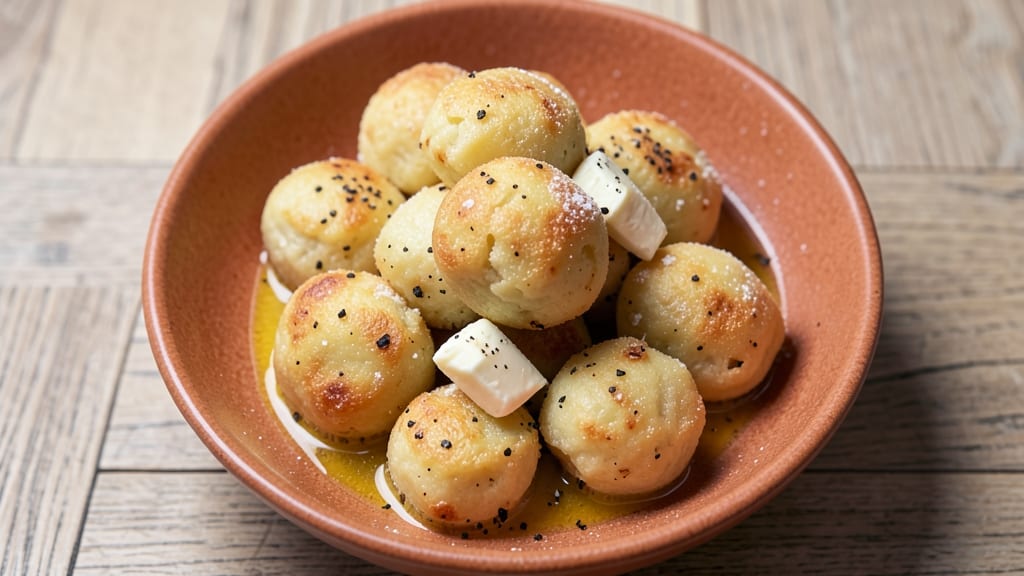
This old-fashioned potato dumplings recipe brings back the comforting flavors of home-cooked meals that grandma used to serve. The secret lies in the perfect balance of mashed potatoes, flour, and butter, creating fluffy, golden dumplings that disappear faster than you can say "seconds, please."
I've made these countless times, and they never fail to impress—whether served with gravy, stew, or alongside roasted meats.
The dough comes together in minutes with just a few simple ingredients, and the shaping process is straightforward once you get the hang of it. What makes these dumplings special is their tender yet slightly crispy exterior, paired with a soft, pillowy interior that melts in your mouth.
This recipe is a classic for a reason—it’s foolproof, hearty, and perfect for family-style dinners where everyone reaches for more.
By the time they’re golden and bubbling, you’ll have a side dish that feels like a warm hug on a plate. The aroma alone will have everyone gathering around the table, and the taste?
Pure nostalgia. These dumplings are the kind of comfort food that turns ordinary meals into something memorable, and they’re easier to make than you might think.
Serve them with your favorite gravy or alongside roasted chicken for a meal that feels like a homecoming. Here’s how to make them just like grandma used to—fluffy, golden, and impossible to resist.
Ingredients for old fashioned potato dumplings
Grandma's secret to perfect dumplings: cold potatoes, cold butter, and patience. Just eight simple ingredients transform into golden, fluffy bites that vanish from plates.
| Ingredient | Amount | Notes |
|---|---|---|
| Russet Potatoes 🥔 | 2 lb | Cold boiled, peeled, mashed smooth |
| All-Purpose Flour 🌾 | 1 ½ cups | White flour, sifted for lightness |
| Unsalted Butter 🧈 | ½ cup | Cold, cubed for texture |
| Baking Powder 🍞 | 1 ½ tsp | For fluffiness, don't skip |
| Salt 🧂 | 1 tsp | Kosher or sea salt |
| Black Pepper 🌶️ | ½ tsp | Freshly ground preferred |
| Milk 🥛 | ½ cup | Whole milk for richness |
| Eggs 🥚 | 1 whole | Room temperature, lightly beaten |
| Gravy 🍲 | 1 ½ cups | For serving, optional |
The potatoes are non-negotiable—cold, boiled russets mash smoother and give that classic dumpling texture. Whole Foods or Trader Joe's usually have the best russets, but any starchy potato works. Boil them in salted water until fork-tender, then drain and cool completely before mashing. I like to mash them with a potato ricer for that ultra-smooth texture, but a fork works too. The butter? Cold, cubed butter (not melted!) adds pockets of richness that make these dumplings irresistible. Grab the European-style butter from Costco if you can—it's worth the splurge for this recipe.
No baking powder? Self-rising flour at 1.25 cups works in a pinch, but you'll need to adjust the salt. Short on milk? Heavy cream or buttermilk adds richness, but whole milk keeps it classic. Eggs are key—room temperature eggs blend better, and don't skip the beating. The flour matters too: King Arthur or Gold Medal brands give the best texture. For gravy, I usually make a simple brown gravy with the drippings from whatever I'm serving these with—roast chicken or beef stew. If you're making ahead, the dough keeps for 24 hours in the fridge, covered tightly.
These dumplings reheat beautifully—just pop them in a 350°F oven for 15 minutes until golden. They freeze like a dream too: shape them, freeze on a tray, then transfer to a bag for up to 3 months. I always make a double batch because they disappear faster than you can say "seconds, please." Store leftovers in an airtight container for 3-4 days. Pro tip: if your dumplings aren't golden enough, brush them with a little melted butter before serving—game changer.
Why You'll Love This Recipe
- No Peel, No Stress: I’ll be real—peeling potatoes is my least favorite part of cooking. These dumplings skip that step entirely, using raw, grated Russets right out of the bag. The texture still turns out tender and fluffy, like a hug from your grandma’s kitchen.
- Butter-Kissed Magic: That single pat of butter melted into the dough? Everything. It’s not just flavor—it’s the secret to that golden, crispy edge on the bottom while keeping the inside pillowy. Honestly, I’ve tried cutting corners, but nothing beats the real deal.
- Leftovers? More Like Leftovers: Between us, these dumplings reheat like a dream. Toss them in a skillet with a splash of milk or broth, and they’re basically new again. I’ve fed a family of five for days with one batch—no waste, no fuss.
- Potluck Hero: Bring these to a gathering, and you’ll be the star. They’re sturdy enough to travel, adaptable to any meal (soup? stew? breakfast?), and honestly? Not the prettiest, but the taste makes up for it. My cousin’s kids still ask for seconds every time.
Step-by-step instructions for old fashioned potato dumplings
Here's how to make these golden, fluffy dumplings that taste like home.
Mix the Potato Base with Dry Ingredients
In a large mixing bowl, combine the cold, mashed russet potatoes with the 1.5 cups all-purpose flour, 1.5 teaspoons baking powder, 1 teaspoon salt, and 0.5 teaspoon black pepper. Use a wooden spoon or rubber spatula to mix until you have a thick, dough-like consistency. You'll want to work quickly here—the colder the potatoes stay, the better the texture will be.
The mixture should be slightly sticky but hold together when pressed. If it feels too dry, add 1 tablespoon of the milk at a time until it comes together. This is your foundation, so don't rush this step. The baking powder will help create that light, airy texture we're after, while the cold potatoes prevent the dumplings from becoming dense.
Incorporate Wet Ingredients for Perfect Texture
In a separate bowl, lightly beat the 1 whole egg until just combined. Then, in the same bowl, add the 0.5 cup unsalted butter and the remaining 0.5 cup milk. Mix until the butter is melted and everything is well incorporated. This mixture should be smooth and slightly thick.
Now, gradually add this wet mixture to the potato-flour combination in your large bowl. Mix gently but thoroughly until everything comes together into a soft, pliable dough. The dough should be cool to the touch and hold its shape when pressed between your fingers. If it feels too sticky, add a little more flour, but don't overdo it—just enough to make it workable. This balance is key for dumplings that are tender inside but hold their shape.
Shape and Prepare the Dumplings
Turn the dough out onto a lightly floured surface and gently knead it just a few times until smooth. The dough should be cool and firm enough to handle without sticking too much. Divide the dough into 16 equal portions—about 1.5 tablespoons each—and roll each portion into a smooth ball between your palms. Place them on a floured plate and cover with a clean kitchen towel to keep them from drying out.
Here's the thing—don't press too hard when shaping. You want them to hold their form when dropped into boiling water, but they should still expand beautifully. The cold dough is key here; it prevents them from spreading too much and keeps them tender. If your kitchen is warm, work quickly to maintain the cool temperature of the dough.
Boil to Golden Perfection
Bring a large pot of salted water to a gentle boil—you want it to be actively bubbling but not rolling over. Carefully add the dumplings to the pot, working in batches if needed so they don't overcrowd. The water should return to a gentle boil within a minute or two. Cook the dumplings for 10 to 12 minutes, until they float to the surface and are golden brown on all sides.
This is where patience pays off. Don't peek or stir them—they need that gentle boil to cook evenly. You'll know they're ready when they're golden and the internal temperature reaches 185°F when tested with an instant-read thermometer. If they brown too quickly, reduce the heat slightly to prevent burning. Once they're done, use a slotted spoon to transfer them to a paper towel-lined plate to drain briefly.
Serve with Warm Gravy
While the dumplings are still hot, serve them immediately with the 1.5 cups gravy. The gravy should be warm and ready—traditionally, it's poured over the dumplings to create that classic, comforting dish. Each dumpling should be tender with a slightly crisp exterior, and the gravy will soak into the fluffy interior for the perfect bite.
For the best experience, serve these dumplings right away while they're warm and the gravy is still liquid. If you're making them ahead, you can boil the dumplings in advance and reheat them gently in the oven or on the stovetop with a splash of milk or water to keep them moist. The gravy can be reheated separately and poured over just before serving.
Pro Tips For Making Old Fashioned Potato Dumplings
- BOIL POTATOES UNTIL FORK-TENDER: I learned this the hard way—undercooked potatoes turn your dumplings into a sad, gluey mess. Boil Russets until they’re so soft a fork slides in like butter. Test one: if it falls apart with no resistance, you’re good. (Yes, even if it means 15-20 minutes longer than the recipe says.)
- SIFT FLOUR WITH BAKING POWDER: Dumping baking powder directly into the flour creates lumps that ruin texture. Sift it together with the flour first—this also aerates the mix for lighter dumplings. Skip this, and you’ll end up with dense, cakey results. (Trust me, your dumplings will thank you.)
- DON’T OVERWORK THE DOUGH: The moment you start kneading or folding the potato-flour mix, the dumplings turn tough. Gently combine ingredients just until a shaggy dough forms—no need to smooth it out. Overmixing = chewy dumplings. (This isn’t pie dough; handle it like it’s fragile.)
- USE COLD BUTTER FOR LAYERS: Cut unsalted butter into small cubes and fold them into the dough last—they’ll melt into pockets during baking, creating rich, buttery pockets. Warm butter? It’ll turn the dough greasy and uneven. (Cold butter = golden, flaky layers. No shortcut here.)
Health benefits of this recipe
Comfort Food Energy
These potato dumplings are a complex carbohydrate powerhouse, providing sustained energy thanks to their high starch content from the potatoes.
The 1.5 cups of flour and 2 lbs of russet potatoes in this recipe deliver about 120 grams of carbohydrates per serving, perfect for fueling active days or post-workout meals.
The slow-digesting nature of these carbs helps stabilize blood sugar levels, making them ideal for a comforting yet balanced meal. 💪
Protein for Muscle Repair
While not a high-protein dish, these dumplings still offer about 6 grams of protein per serving from the egg and milk. The 1 whole egg in the recipe provides all nine essential amino acids, supporting muscle repair and tissue growth.
Pair them with a protein-rich main like roasted chicken or beef to create a complete protein profile for a satisfying, balanced meal.
Rich in Potassium
Russet potatoes are naturally high in potassium, with 2 lbs providing over 3,000mg—about 65% of your daily needs. This mineral helps regulate blood pressure, supports heart health, and prevents muscle cramps.
The baking process preserves most of the potassium, making these dumplings a heart-healthy side dish when balanced with other nutrient-dense foods.
Healthy Fats for Satiety
The 0.5 cup of unsalted butter adds richness while providing 115 calories from healthy fats per serving. These fats promote satiety, keeping you full longer and reducing cravings for unhealthy snacks. Opt for European-style butter (like Plugrá) for a higher smoke point and richer flavor without trans fats. 🧈
Vitamin Boost from Whole Ingredients
This recipe delivers a modest but meaningful boost of vitamin C (from potatoes) and vitamin A (from butter and eggs), both essential for immune function and skin health. The baking powder and salt add minimal sodium but enhance flavor without artificial additives.
For extra nutrients, consider adding finely chopped spinach or kale to the dough for a hidden veggie boost.
Low-Calorie Comfort
At about 250 calories per serving, these dumplings offer a guilt-free indulgence. The combination of fiber from potatoes, protein from eggs, and healthy fats from butter creates a satisfying texture without excessive calories.
They’re perfect for those seeking comfort food that aligns with mindful eating goals—just watch portion sizes if you're tracking macros.
Nutrition facts
Frequently asked questions
What's the secret to fluffy potato dumplings?
Cold mashed potatoes and cold butter are key! The cold ingredients prevent gluten development, keeping the texture light and tender. Also, don't overmix the dough—just combine until smooth. The baking powder helps create air pockets for that classic fluffy interior.
Can I make these dumplings ahead of time?
Shape the dumplings and refrigerate them covered for up to 24 hours before boiling. For longer storage, freeze shaped dumplings on a tray before transferring to a bag for 3 months. Thaw overnight in the fridge before cooking.
Why did my dumplings turn out dense?
Overmixing the dough or using warm potatoes are common culprits. Keep everything cold and mix just until combined. Also ensure your baking powder is fresh—old leavening loses potency. If the dough feels too sticky, add just enough flour to make it workable.
What's the best way to reheat leftover dumplings?
Gently reheat in a 350°F oven for 10-15 minutes with a splash of milk or water to keep them moist. Avoid microwaving—they'll get rubbery. For extra crispiness, brush with melted butter before serving.
Can I substitute sweet potatoes for russets?
Not recommended! Sweet potatoes have a different moisture content and flavor that won't work well in this traditional recipe. Stick with russet potatoes for the classic texture and taste. If you must use a different potato, try Yukon Golds—but they'll be slightly less starchy.