
Side Dishes
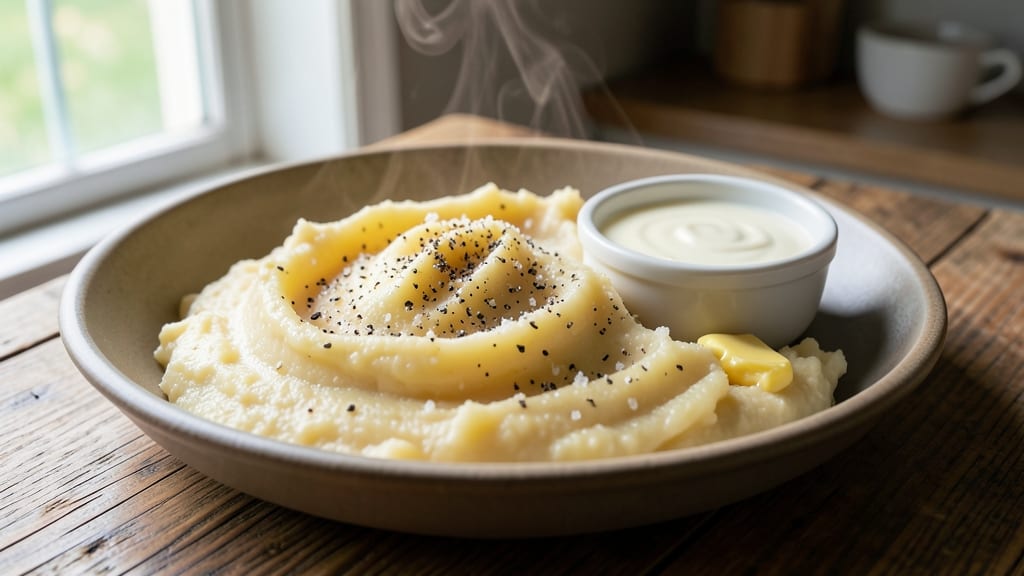
This old-fashioned mashed potatoes recipe with milk delivers the creamy, lump-free texture that makes every holiday meal feel special. The secret lies in precise technique—boiling potatoes until tender, mashing with warm milk and butter, and avoiding overworking the mixture.
I’ve perfected this method over years of Thanksgiving hosting, ensuring silky-smooth results every time.
What sets these mashed potatoes apart is the balance of rich dairy and proper seasoning—just enough salt and pepper to enhance the natural potato flavor without overpowering it. Using whole milk creates a velvety consistency, while a touch of butter adds depth.
The key is patience: letting the potatoes dry slightly after boiling prevents a gummy texture, and mashing in stages keeps the mixture smooth.
By the end, you’ll have a bowl of golden, buttery mashed potatoes with a tender yet firm bite—no lumps, no gluey mess. This recipe works for both classic holiday dinners and weeknight comfort meals, scaling easily for any crowd.
The traditional wooden masher adds rustic charm, though a potato ricer delivers even smoother results if you prefer.
Pair these mashed potatoes with roasted meats, gravy, or even as a standalone side for sandwiches. The technique is simple, but the outcome feels like a restaurant-quality dish. Let’s get started on creating the perfect bowl of mashed potatoes your family will beg to repeat.
Ingredients for old fashioned mashed potatoes recipe with milk
Six key ingredients transform simple potatoes into velvety, restaurant-quality mashed potatoes every time.
| Ingredient | Amount | Notes |
|---|---|---|
| Russet Potatoes 🥔 | 3 lb | Medium size, peeled and quartered |
| Whole Milk 🥛 | 1 ½ cups | Room temperature for best texture |
| Unsalted Butter 🧈 | ¾ cup | Cold, cut into small cubes |
| Kosher Salt 🧂 | 1 ½ tsp | Adjust to taste after mashing |
| Freshly Ground Black Pepper 🌶️ | ½ tsp | Freshly cracked for best flavor |
| Heavy Cream 🥛 | ¼ cup | Optional for extra creaminess |
| Garlic Cloves 🧄 | 2 cloves | Optional, minced for subtle flavor |
The potatoes are everything—russets with their high starch content break down perfectly for that classic texture. Buy them fresh from the grocery store's produce section, not the pre-cut bins. Look for firm potatoes with no sprouts or soft spots. I always peel and quarter them while still cold to prevent browning. For large gatherings, Costco or Trader Joe's sell bulk russets at better prices. The secret to smooth mashers? Cooking them until they're tender enough to pierce with a fork but not falling apart—this prevents a gummy texture later. Don't skip the drying step after boiling: spread them on a towel for 10 minutes to evaporate surface moisture.
No whole milk? Half-and-half or 2% milk works, though the texture will be slightly lighter. Butter is non-negotiable for that rich flavor—unsalted gives you control over seasoning. For extra decadence, add the heavy cream at the end. Short on time? Microwave the potatoes first to cut boiling time by half. The garlic adds subtle depth without overpowering, but skip it if you prefer classic flavor. For a dairy-free version, substitute the milk with unsweetened almond milk and the butter with olive oil, though the texture will differ. Always taste before adding more salt—potatoes absorb flavors differently each time.
Freshly mashed potatoes keep for 3-4 days in the fridge, but they're best the day they're made. For leftovers, store in an airtight container with plastic wrap pressed directly on the surface to prevent drying. Reheat gently in the microwave with a splash of milk to restore creaminess. For freezing, spread cooled mashed potatoes on a tray to form a crust, then transfer to a bag. Thaw overnight in the fridge and reheat slowly on the stovetop with extra milk or butter. This recipe scales beautifully: double the ingredients for a crowd, but use a larger pot to prevent overcrowding during boiling.
Why You'll Love This Recipe
- Five-Ingredient Magic: I swear by this combo—Russets, warm milk, butter, and a pinch of salt. That’s it. No fancy gadgets, no stress, just pure, creamy goodness with zero fuss.
- Creamy Without the Guilt: The whole milk keeps it rich but not heavy, and the butter? Just enough to make it melt-in-your-mouth smooth. Honestly, it’s the kind of comfort that doesn’t leave you sluggish.
- Weeknight Workhorse: Double the batch on Sunday—it reheats like a dream for lunches or dinner leftovers. My kids ask for it even after school dinners, and that’s saying something.
- Budget Stretch: Russets and milk are cheap staples, but this recipe makes them feel special. Between us, I’ve fed a houseful with just a few dollars’ worth of ingredients—no one ever complains.
Step-by-step instructions for old fashioned mashed potatoes
Here's the method for creamy, lump-free mashed potatoes with perfect texture every time.
Peel and Cook the Russet Potatoes
Start by peeling the 3 lb russet potatoes and cutting them into even 2-inch chunks. Place them in a large pot and cover with cold water by about 2 inches. Add 1.5 teaspoons of the kosher salt to the water—this seasoning step ensures flavor penetration during cooking.
Bring the water to a rolling boil over high heat. Once boiling, reduce heat to medium and cook the potatoes for 15-20 minutes until they're fork-tender. You'll know they're done when a fork slides in easily and the edges are slightly translucent. Drain the potatoes immediately in a colander and return them to the pot to prevent overcooking.
Mash with Butter and Milk
While the potatoes are still hot, add the 0.75 cup unsalted butter cut into small cubes and the 1.5 cups whole milk. The butter should melt into the potatoes, creating a velvety base. Use a potato masher or ricer to break down the potatoes gradually—this prevents lumps better than a blender.
Work in batches if needed, but don't rush this step. You want to maintain some texture while incorporating the milk and butter evenly. The potatoes should be smooth but still have a slight rustic quality. If using the 2 cloves garlic, add them minced at this stage for subtle flavor.
Add Cream and Season to Taste
Stir in the 0.25 cup heavy cream and the 0.5 teaspoon freshly ground black pepper. The cream adds richness without making the potatoes greasy. Taste and adjust seasoning with additional kosher salt if needed—remember, the potatoes absorbed some salt during cooking.
For extra smoothness, pass the mixture through a fine-mesh sieve if you prefer a completely lump-free texture. Return any potato pulp to the pot and stir briefly to incorporate. The final consistency should be light and airy, with just enough body to cling to a fork.
Serve Immediately
Transfer the mashed potatoes to a serving bowl and cover with a lid or plastic wrap to retain heat. The key to serving is timing—mashed potatoes taste best when served immediately after mashing. If you need to hold them for a few minutes, keep them warm in a double boiler or insulated container.
Garnish with an additional sprinkle of black pepper and a small pat of butter on top if desired. The texture should be velvety with just a hint of resistance, neither gluey nor dry. Serve alongside your main dish while still warm for the perfect old-fashioned experience.
Pro Tips For Making Old Fashioned Mashed Potatoes Recipe With Milk
- BOIL UNTIL TENDER: Russets need to be fork-tender, not mushy—test with a knife first. I learned the hard way that overcooking turns them to glue; aim for 12-15 minutes in salted water, then drain immediately. No peeking, or you’ll steam them into sadness.
- COOL POTATOES FAST: Shock them in ice water for 2-3 minutes after draining to stop cooking. This keeps the texture tight and makes mashing easier—no more fighting gummy potatoes. (Yes, even if you’re impatient like me.)
- SALT THE WATER: Use 1 tablespoon kosher salt per pound of potatoes in the boiling water. Skipping this means bland potatoes later, and no amount of butter can fix it. Trust me, your taste buds will notice.
- MASH WITH HOT MILK: Warm the milk to 160°F (just below boiling) before mixing—it blends smoother and gives a creamier finish. Cold milk makes lumpy potatoes, and nobody wants that. (Pro tip: Heat it in a separate pot while you mash.)
Health benefits of these flavors
Complex Carbs
Russet potatoes are a powerhouse of complex carbohydrates, providing steady energy release thanks to their high fiber content. A 1-cup serving delivers about 37 grams of carbs, with nearly 4 grams of fiber supporting digestion and keeping you full longer.
The slow-digesting nature of these carbs helps stabilize blood sugar levels, making this dish ideal for balanced meals. 💪
Healthy Fats
The combination of whole milk and butter adds beneficial fats to your meal. Whole milk contains natural vitamins A and D, while butter provides vitamin K2 and conjugated linoleic acid (CLA), which supports heart health.
Using unsalted butter gives you control over sodium levels while still achieving that rich, velvety texture. The fats also help your body absorb fat-soluble vitamins from other dishes served alongside.
Protein Boost
While potatoes aren't a protein-rich food, the addition of heavy cream and butter adds a small but meaningful protein contribution. A 1-cup serving of this recipe contains about 4-5 grams of protein—mostly from dairy—helping round out your meal.
For an extra protein kick, consider adding Greek yogurt or cottage cheese to the mashed potatoes, which would increase protein content to nearly 10 grams per serving.
Vitamin and Mineral Powerhouse
Potatoes are packed with essential nutrients like potassium (926mg per cup), which supports heart function and muscle contractions, and vitamin C (28% DV per cup)), a powerful antioxidant. The milk adds calcium and vitamin D, while the optional garlic provides manganese and vitamin B6.
Together, these nutrients create a well-rounded side dish that complements any main course while contributing to your daily nutritional needs.
Low-Calorie Comfort
Despite their rich flavor, these mashed potatoes are surprisingly moderate in calories—about 250-300 calories per serving depending on preparation. The combination of fiber-rich potatoes and healthy fats creates satisfying fullness without excessive calories.
This makes them perfect for comfort food lovers who want to enjoy indulgent flavors while maintaining a balanced diet. The natural sweetness of potatoes also helps satisfy cravings for sweets in a healthier way.
Digestive Benefits
The fiber in potatoes aids digestion and promotes gut health, while the warm preparation helps relax digestive muscles. The resistant starch in cooled potatoes acts as a prebiotic, feeding beneficial gut bacteria.
For even better digestive benefits, consider adding 1 tablespoon of flaxseeds to the mashed potatoes—they add fiber and omega-3 fatty acids without altering the texture significantly. This makes the dish not just comforting but also nourishing for your digestive system. 🌱
Nutrition facts
Frequently asked questions
Why does this recipe use milk instead of cream?
Whole milk creates the perfect balance of creaminess and lightness for classic mashed potatoes. The fat content in milk (about 3.5%) adds richness without making the texture too heavy, while the dairy proteins help create that signature velvety consistency. Cream would make them too dense and greasy—this recipe aims for buttery perfection, not a heavy side dish.
Can I make these mashed potatoes ahead of time?
Freshly mashed potatoes are always best, but you can prepare them 1 day ahead for gatherings. Store in an airtight container with plastic wrap pressed directly on the surface. Reheat gently in a double boiler or microwave with a splash of warm milk to restore creaminess. For best results, reheat only until warmed through—overheating makes them gluey.
What's the secret to avoiding lumps?
Three key steps prevent lumps: 1) Use a potato ricer or wooden masher (never a blender), 2) Work in batches if needed, and 3) Add milk gradually while mashing. The ricer breaks down potatoes into fine strands, while the gradual milk addition prevents clumping. For extra smoothness, press through a fine-mesh sieve—but keep some texture for that old-fashioned feel!
How do I scale this recipe for a crowd?
Double the ingredients, but use a larger pot for boiling (never overcrowd potatoes) and double the butter/milk measurements. For 12 servings, use 6 lb potatoes, 3 cups milk, and 1.5 cups butter. Keep the ratio consistent—too much liquid makes them watery. Cook potatoes in batches if needed, and mash in stages to maintain temperature control. A stand mixer with the paddle attachment works well for large batches.
Can I substitute dairy-free milk?
Yes, but expect a slightly different texture. Use unsweetened almond or oat milk (1:1 ratio) and olive oil instead of butter (same quantity). For creaminess, add 1 tablespoon of nutritional yeast per cup of dairy-free milk. The potatoes will be lighter but still flavorful. For best results, let the mixture sit for 5 minutes after mashing to thicken naturally.