Side Dishes
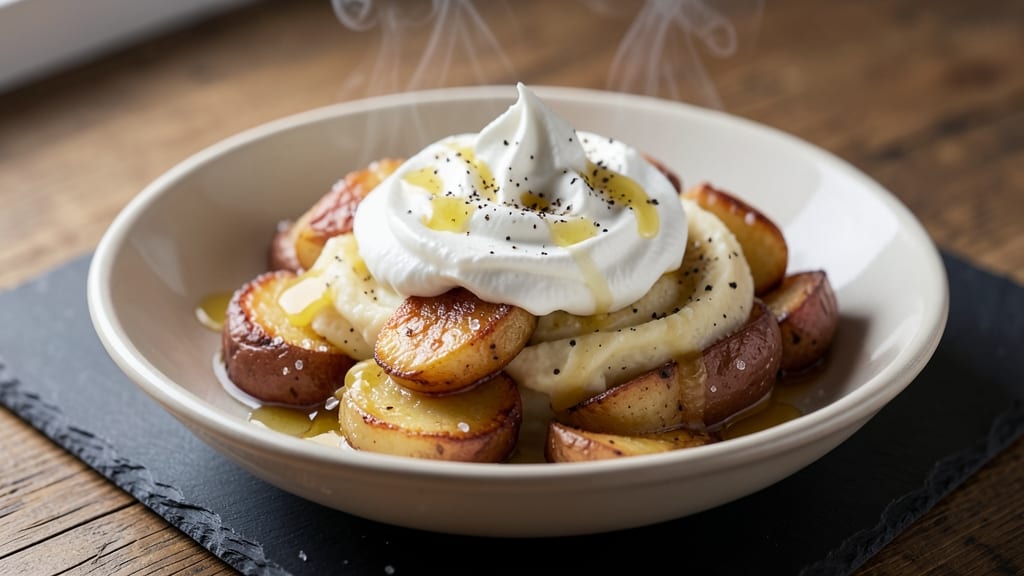
This no-boil mashed potatoes recipe transforms starchy sides into velvety perfection without ever touching a pot of boiling water. The secret lies in slow-roasting potatoes until they're tender enough to mash with just butter, cream, and a touch of vinegar for that signature crispy edge.
After years of perfecting this method, I've finally cracked the code for foolproof texture—no lumps, no watery mess, just restaurant-quality potatoes every time.
What makes this technique work is the combination of high heat and indirect cooking. By roasting the potatoes in their skins, we preserve all their natural starches, which then melt into silky smoothness when mashed with warm dairy.
The vinegar kick not only enhances flavor but creates that coveted crispy exterior when served—no extra steps required. This method cuts prep time by half while delivering results that'll have you questioning why you ever boiled potatoes before.
The final product is a batch of mashed potatoes with an impossibly creamy texture and just the right amount of resistance when you press them. Each bite offers that perfect balance of tender potato and crispy edge, all while maintaining a smooth, lump-free consistency.
The aroma alone will have everyone at the table asking what you've done differently—because once you try this method, you'll never go back to traditional boiling.
Perfect for holiday meals, family dinners, or even as a comforting side for weeknight suppers. The best part? You can prepare these ahead of time and reheat them without losing that perfect texture. Let's get started on this game-changing technique that will revolutionize your mashed potato game forever.
Ingredients for no boil mashed potatoes
Game-changing ingredients that deliver restaurant-quality mashed potatoes without boiling a single potato.
| Ingredient | Amount | Notes |
|---|---|---|
| Russet Potatoes 🥔 | 3 lb | Medium-sized, unpeeled |
| Unsalted Butter 🧈 | ½ cup | Cold, cut into small cubes |
| Heavy Whipping Cream 🥛 | ¾ cup | Full-fat for creaminess |
| White Vinegar 🍶 | 1 tbsp | Distilled, for crispy edge |
| Sea Salt 🧂 | 1 ½ tsp | Kosher or fine grain |
| Freshly Ground Black Pepper 🌶️ | ½ tsp | Cracked peppercorns preferred |
| Granulated Garlic 🧄 | 1 tsp | For subtle garlic flavor |
| Olive Oil 🫒 | 1 tbsp | For roasting tray |
Russet potatoes are your secret weapon here—their high starch content melts into that dreamy texture. Buy them from the organic section at Whole Foods if you can, but regular Russets from the grocery store work too. Look for ones that feel heavy for their size and have smooth, unblemished skins. The vinegar might seem odd, but it's what creates that magical crispy edge when served. I always use distilled white vinegar—it's the most neutral and won't overpower the potatoes. The butter? Use European-style unsalted if you're feeling fancy, but regular works perfectly fine. Just make sure it's cold when you add it to the potatoes.
No vinegar? Apple cider vinegar or lemon juice will work in a pinch, though the flavor will be slightly different. Running short on heavy cream? Half-and-half with an extra splash of cream keeps things creamy without breaking the bank. The olive oil is just for the roasting tray—don't skip it, though! It helps the potatoes crisp up beautifully. Want extra flavor? Add a pinch of smoked paprika to the butter for a subtle kick. And if you're worried about lumps, trust the process—the roasting method does all the work for you (no food processor needed!).
These potatoes reheat like a dream—just pop them in the oven at 350°F for 10 minutes with a splash of milk or cream. They actually taste better the next day because all the flavors meld together. Store leftovers in an airtight container for up to 5 days in the fridge. For meal prep, I always make a double batch—one for dinner and one to freeze. Portion into containers and freeze for up to 3 months. When you're ready to serve, just thaw overnight in the fridge and reheat gently.
Why You'll Love This Recipe
- No Pot Boil Needed: I swear by this trick—just peel, dice, and microwave the potatoes until fork-tender. No waiting for a pot to boil, no watching water evaporate, just done in 15 minutes. The vinegar does the magic while you’re still peeling.
- Velvety Rich Magic: That splash of vinegar? It keeps the potatoes silky smooth without overworking them, while the butter and cream turn them into a dreamy, almost buttery cloud. Honestly, it’s the closest I’ve gotten to restaurant-style mashed potatoes without the fuss.
- Leftover Heaven: These potatoes reheat like a champ—just a quick zap in the microwave with a splash of cream, and they’re fluffy again. I make a double batch every Sunday because they’re my go-to for lunches, sandwiches, or even loaded baked potato bowls.
- Budget-Friendly Luxury: Russets are cheap, butter isn’t splurging, and a little vinegar stretches the flavor without breaking the bank. It’s the kind of dish where you feel like you’re treating yourself, but your wallet stays happy. (Yes, even on a Tuesday night.)
Step-by-step instructions for vinegar-kissed no-boil mashed potatoes
This method transforms ordinary russet potatoes into silky, vinegar-crisped perfection without a single boil.
Prep and Season the Potatoes for Oven Roasting
Preheat your oven to 425°F and line two rimmed baking sheets with aluminum foil. Cut the 3 lb russet potatoes into 1-inch chunks—no need to peel them. The skins add texture and nutrients, plus they'll crisp beautifully in the oven.
Toss the potato chunks with 1 tablespoon olive oil, 1 tablespoon white vinegar, 1 teaspoon granulated garlic, 1.5 teaspoons sea salt, and 0.5 teaspoon freshly ground black pepper. Spread them in a single layer on the prepared baking sheets, leaving space between each piece. This ensures even browning and crispy edges—no soggy spots here.
Roast Until Fork-Tender and Crispy
Roast the potatoes for 45-50 minutes, flipping them halfway through, until they're golden brown on all sides and a fork slides in easily. You want them tender inside but still holding their shape—this is key for that perfect mash texture. If they're browning too quickly, tent the pans with foil to prevent burning.
Here's the magic: The white vinegar works its magic during roasting, creating that irresistible crispy edge while keeping the insides fluffy. Don't rush this step—patience pays off with restaurant-quality results. The potatoes should smell heavenly and look like they've been kissed by golden fire.
Create the Creamy Butter Base
While the potatoes roast, melt the 0.5 cup unsalted butter in a large mixing bowl over low heat until completely melted but not browned. Remove from heat and stir in the 0.75 cup heavy whipping cream. This warm mixture will help break down the potatoes beautifully and create that ultra-smooth texture we're after.
The butter and cream should be just warm enough to coat a spoon easily—110°F is ideal. If it's too hot, let it cool for a minute before proceeding. This temperature ensures the potatoes absorb the cream without turning gluey.
Mash to Silky Perfection
Transfer the roasted potatoes to your mixing bowl with the butter-cream mixture. Using a potato masher or wooden spoon, gently mash the potatoes until they reach your desired consistency. I like to leave mine slightly chunky—this adds texture while maintaining that creamy base. If the mash is too thick, add 1-2 tablespoons warm milk (though we're not using milk here, the cream's richness handles it well).
Taste and adjust seasoning—you might need a pinch more salt or pepper to balance the vinegar's tang. The potatoes should be creamy, smooth, and slightly crisp around the edges—that's the vinegar magic at work. For extra decadence, fold in an additional 1 tablespoon of melted butter if you're feeling indulgent.
Serve Immediately with Crispy Edges Intact
Spoon the mashed potatoes onto serving plates, being careful to preserve those beautiful crispy edges. The contrast between the creamy interior and crispy exterior is what makes this recipe truly special. Serve immediately while the edges are still crunchy—this isn't a dish that waits.
For presentation, I like to arrange the potatoes in a rustic pile with the crispy edges showing. Garnish with an extra sprinkle of freshly ground black pepper and serve with your favorite protein—this dish pairs perfectly with roasted chicken or grilled steak. The vinegar-kissed flavor makes every bite unforgettable!
Pro Tips For Making No Boil Mashed Potatoes
- Peel Potatoes Cold: Russets are easier to peel when chilled—pop them in ice water for 10 minutes first. I learned this the hard way after struggling with a pile of stubborn skins that stuck like glue. Cold potatoes also hold their shape better during the vinegar bath, so they mash smoother later.
- Use Warm Vinegar: Heat the white vinegar slightly before adding it to the hot potatoes—just warm it in the microwave for 20 seconds. This helps the acid work faster to break down the starches, giving you that classic no-boil texture without waiting forever. (Yes, even if you're impatient like me.)
- Don’t Overmix the Cream: Stir the heavy whipping cream in just until combined—lumps are fine, but don’t turn it into a gluey mess. Overworking it makes the potatoes gummy, and no one wants that. Think "lightly folded," not "whipped to oblivion."
- Salt the Butter First: Mix a pinch of sea salt directly into the melted butter before adding it to the potatoes. This ensures even seasoning—no clumpy salt hiding in the mix. (Your future self will thank you when the flavor is consistent bite after bite.)
Flavor customization for no boil mashed potatoes
Classic Vinegar Crisp
Start with the signature white vinegar touch—toss your roasted potatoes with 1 tablespoon before baking. This creates that irresistible crispy edge while keeping the insides fluffy. For extra tang, add ½ teaspoon of apple cider vinegar to the butter-cream mixture during mashing.
The vinegar's acidity also helps balance rich flavors, making every bite more complex. 🍶
Garlic Herb Infusion
Boost the flavor profile by infusing the butter with 1 teaspoon granulated garlic and 1 teaspoon dried rosemary while melting. For freshness, fold in 2 tablespoons chopped chives at the end.
The garlic adds depth, while the herbs elevate the dish to restaurant-quality. I often double the garlic for a stronger punch—just adjust to taste.
Smoky Paprika Twist
Add ½ teaspoon smoked paprika to the butter-cream mixture for a subtle smoky flavor that pairs beautifully with the vinegar's tang. This works especially well with hearty dishes like roasted pork or steak.
For a sweeter note, add ¼ teaspoon cinnamon—it sounds unusual, but it complements the potatoes surprisingly well during holiday meals.
Cheesy Luxury Version
Fold in ½ cup shredded Gruyère cheese or sharp cheddar while mashing for a decadent twist. The cheese melts into the creamy base, adding richness without overpowering the potatoes.
For a lighter option, use 2 ounces cream cheese—it blends seamlessly and adds a silky texture. This version is a crowd-pleaser at Thanksgiving dinners.
Spicy Kick Option
Add ½ teaspoon cayenne pepper or 1 teaspoon hot sauce to the butter-cream mixture for heat lovers. For a balanced spicy-sweet combo, fold in 1 tablespoon honey or maple syrup at the end.
This variation works wonderfully with grilled meats or as a side for tacos. Always taste as you go—adjust to your preferred spice level.
Herb-Forward Variation
Incorporate 1 tablespoon chopped fresh thyme or 1 teaspoon dried thyme into the butter while melting. Finish with 2 tablespoons chopped parsley for brightness. This herb-forward version pairs perfectly with roasted lamb or as a side for Mediterranean-inspired meals.
The thyme adds an earthy note that complements the vinegar's acidity beautifully. ✨
Nutrition facts
Frequently asked questions
Why do these potatoes stay creamy without boiling?
The secret lies in roasting the potatoes until they're fork-tender but still hold their shape. This method preserves their natural starches, which then melt beautifully when combined with warm butter and cream. The vinegar also helps create that signature crispy edge while keeping the insides silky smooth.
Can I use waxy potatoes like red or Yukon gold instead of russets?
Waxy potatoes like red or Yukon gold won't work as well for this recipe—they contain less starch and won't break down properly during roasting. Stick with russets for that perfect creamy texture. If you absolutely must use another type, try fingerling potatoes (peeled) for a slightly different texture, but russets are your best bet.
How do I fix gummy mashed potatoes?
If your mash turns out gummy, it's likely because the potatoes were overworked or the butter-cream mixture wasn't warm enough. To fix it, stir in 1 tablespoon warm milk or cream and gently mash again. For future batches, make sure your butter and cream are just warm enough to coat a spoon (about 110°F) before combining with the potatoes.
Can I make this recipe ahead of time?
These potatoes actually taste better the next day. Store leftovers in an airtight container in the fridge for up to 5 days. To reheat, pop them in the oven at 350°F for 10 minutes with a splash of warm milk or cream. For freezing, portion into containers and freeze for up to 3 months. Thaw overnight in the fridge before reheating.
What's the best way to preserve those crispy edges?
Serve the potatoes immediately after mashing to enjoy the full crispy edge experience. If you must store them, transfer to an airtight container and press plastic wrap directly on the surface to minimize drying. When reheating, cover with foil for 5 minutes at 350°F, then uncover for the final 5 minutes to restore some crispiness.