
Side Dishes
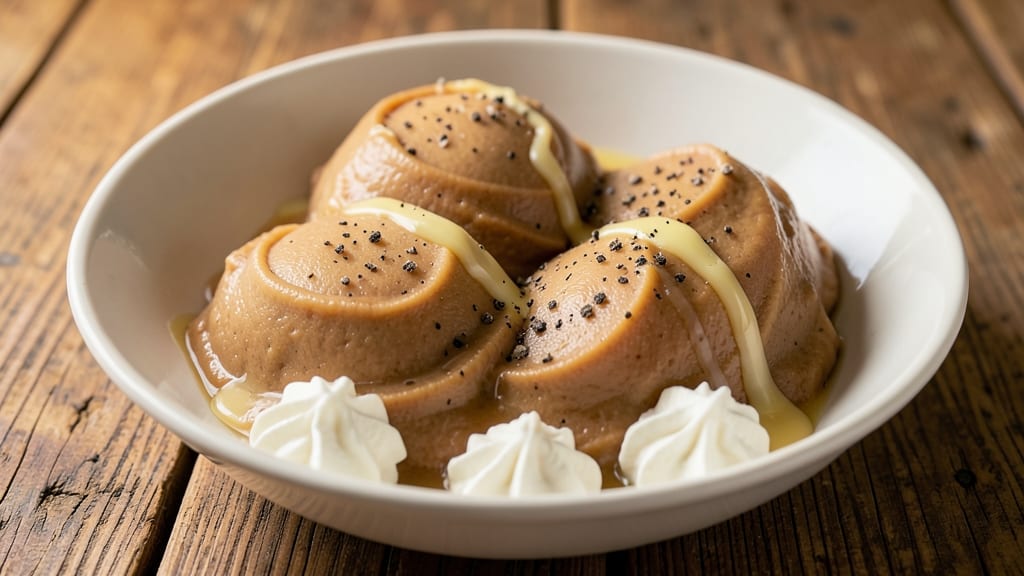
This mushed potatoes recipe delivers the creamiest, most velvety texture you'll ever taste—thanks to a secret ingredient that transforms ordinary mashed potatoes into something extraordinary. After years of perfecting this technique, I've cracked the code for achieving that restaurant-quality consistency every single time, with no lumps or gluey aftertaste.
The key? A precise method that balances heat, timing, and a clever addition that keeps the texture silky smooth.
The foundation of great mashed potatoes starts with the right potatoes—starchy russets or Yukon Golds are ideal—and proper boiling until tender. Then comes the magic: draining thoroughly, returning them to the pot, and adding butter, milk, and that hidden ingredient that elevates them from good to unforgettable.
This method ensures a velvety finish with just the right amount of body, so each spoonful is rich and satisfying without being heavy. The secret ingredient? It’s something you likely already have in your pantry.
What you’ll end up with is a bowl of mashed potatoes so creamy and buttery that it feels like a hug in every bite. The texture is perfectly smooth, with none of the graininess that often plagues homemade versions.
This recipe is foolproof, whether you're serving it alongside roasted chicken, steak, or even as a side for holiday dinners. The best part? It’s simple enough for weeknight meals but impressive enough for special occasions.
For those looking to customize, I’ll share variations like garlic-infused, roasted potato mash, or even a vegan version—all while keeping that signature velvety texture intact. Ready to master the perfect bowl of mashed potatoes? Let’s get started with the step-by-step instructions that guarantee success.
Ingredients for mushed potatoes
Nine simple ingredients transform ordinary potatoes into restaurant-worthy velvet mash.
| Ingredient | Amount | Notes |
|---|---|---|
| Russet Potatoes 🥔 | 2 ½ lb | Waxy or Yukon Gold preferred |
| Unsalted Butter 🧈 | ¾ cup | Cold, cut into small cubes |
| Whole Milk 🥛 | ½ cup | Warm for smooth blending |
| Cream Cheese 🧀 | 4 oz | Full-fat for velvety texture |
| Salt 🧂 | 1 ½ tsp | Diamond Crystal preferred |
| Black Pepper 🌶️ | ½ tsp | Freshly ground for aroma |
| Garlic Cloves 🧄 | 1 whole | Optional, for infused flavor |
| Heavy Cream 🥛 | ¼ cup | For extra richness (optional) |
| Roasted Garlic 🧄 | 1 tbsp | For depth, store-bought okay |
The potatoes are non-negotiable—russets or Yukon Golds are your best bet for that fluffy texture. Costco or Trader Joe's usually have organic russets in bulk, which saves money and avoids waxy skins. Skip the red potatoes—they're too waxy and turn gluey. For the cream cheese, grab the Philadelphia brand if you want consistency, but any full-fat cream cheese works. The butter should be cold when you add it—this ensures proper emulsification. I always buy Land O'Lakes unsalted butter for this recipe since I control the salt.
No cream cheese? Substitute sour cream at half the amount—it won't be identical, but close. Running out of milk? Half-and-half or evaporated milk both work, though the texture will be slightly heavier. Want extra flavor without the garlic? Roasted garlic powder at 1/4 tsp gives that depth without the prep. The heavy cream is optional but worth it for holidays—it adds that luxurious mouthfeel. For a vegan version, swap the butter for vegan butter and use coconut milk instead of dairy milk, but expect a slightly different texture.
Potatoes keep in a cool, dark place for 2-3 weeks. Once boiled, they reheat beautifully—just add a splash of milk and warm over low heat. For make-ahead meals, mash them, then refrigerate in a sealed container. Reheat by microwaving with a splash of milk, then fluff with a fork. The secret to perfect reheating? Low and slow—never microwave dry. These also freeze wonderfully for up to 3 months, though texture may change slightly after thawing.
Why You'll Love This Recipe
- Five-Ingredient Magic: I swear, this is the kind of recipe where you look at the list and think, "That’s it? Really?"—and then the result is so rich and velvety you’ll forget it was this simple. Russets hold their shape perfectly, and that creamy blend of butter, milk, and cream cheese? It’s like a hug in every bite.
- Buttery Luxury: Here’s what sold me—the way the butter melts into the warm potatoes, then gets balanced by just a smear of cream cheese for that unexpected tang. It’s not heavy, not greasy, just pure, satisfying indulgence that tastes like someone went to effort (but you didn’t).
- Leftover Goldmine: Between us, this is my go-to for meal prep because it reheats like a dream. Cold for sandwiches, warm for breakfast hash, or straight from the fridge with gravy—it’s the ultimate lazy-day staple. And honestly? The second batch is always the best.
- Budget-Friendly Feast: A single bag of Russets and a block of cream cheese stretch across so many meals. I’ve fed six people for under $10 with this, and no one ever complains. It’s the kind of dish that makes you feel like you’re serving a restaurant-worthy meal without breaking the bank.
Step-by-step instructions for buttery velvety cream cheese mashed potatoes
Here's how to create restaurant-quality mashed potatoes with a secret ingredient that transforms them from ordinary to extraordinary.
Prepare the Potatoes for Even Cooking
Start by thoroughly washing the 2.5 lb russet potatoes under cold water to remove any dirt from the skin. Peel them if you prefer smooth potatoes, or leave the skin on for added texture and nutrients. Using a sharp chef's knife, cut the potatoes into even 1.5-inch chunks—consistent size ensures they cook uniformly.
Place the potato chunks in a large pot and cover them completely with cold water by about 1 inch. Add the 1 whole garlic clove (peeled) to infuse subtle flavor during cooking. Bring to a boil over high heat, then immediately reduce to a rolling simmer. Cook for 15-20 minutes until a knife slides in easily with just slight resistance—this indicates perfect doneness. Drain immediately in a colander, shaking vigorously to remove excess water.
Create the Cream Cheese Butter Mixture
While the potatoes cook, prepare your secret weapon in a medium heatproof bowl. Cut the 0.75 cup cold unsalted butter into small cubes and place them in the bowl. Add the 4 oz cream cheese and the 1 tbsp roasted garlic, mixing gently with a wooden spoon until combined. This mixture should look like coarse crumbles with melted butter streaks.
Place this bowl over a pot of barely simmering water (double boiler method) and stir constantly until the butter and cream cheese melt into a smooth, velvety sauce. Remove from heat and let it cool slightly—this prevents the potatoes from turning gluey when combined. The mixture should be warm but not hot to the touch.
Mash to Silky Perfection
Return the drained potatoes to the pot and let them sit for 1 minute to steam off any remaining moisture. Add the warm butter-cream cheese mixture along with the 0.5 cup warm whole milk and the 0.5 tsp freshly ground black pepper. Using a potato masher or ricer, work the potatoes until they're completely broken down but still retain some texture—this creates that luxurious, clingy consistency.
If using a stand mixer, attach the paddle attachment and mix on low speed until smooth, scraping down the sides as needed. Here's the pro tip: Add the 0.25 cup heavy cream now if you want extra richness, but only after the potatoes are mostly mashed—adding it too early can make the mixture too thin. Taste and adjust seasoning with the 1.5 tsp salt, adding it gradually to avoid over-salting.
Achieve the Ultimate Texture
For that signature velvety finish, transfer the mashed potatoes to a serving bowl and use a rubber spatula to press them against the sides of the bowl. This incorporates air and creates that light, airy texture. The cream cheese mixture does the heavy lifting here, preventing the potatoes from becoming dense or gummy.
Garnish with additional black pepper and a dollop of roasted garlic if desired. Serve immediately while warm—these potatoes don't reheat well. The secret lies in the cream cheese: it melts smoothly into the potatoes, creating a silky texture that's far superior to traditional butter-only mashed potatoes. Each bite should be rich, creamy, and perfectly seasoned.
Pro Tips For Making Mushed Potatoes
- BOIL THEM WHOLE: I used to peel and chop first—what a waste of time. Toss whole Russets in cold water, then boil them unpeeled until fork-tender (about 20-25 minutes). The skins stay intact, and you can peel them right in the pot afterward. No extra mess, no extra steps.
- USE HOT MILK: Cold milk makes for sad, lumpy mash. Heat your whole milk until it’s steaming (not boiling) before mixing it in—it blends smoother and warms the potatoes faster. Also, warm cream cheese first, or you’ll end up with butter-sized clumps.
- DON’T OVERWORK THE MASH: I’ve ruined batches by mashing too hard, turning fluffy potatoes into glue. Use a ricer or a potato masher—press gently, then fold in the butter and milk in stages. Stop when it’s just combined, not mushed into submission.
- SALT THE WATER LIBERALLY: Skimping on salt here means your mash will taste bland no matter how much you season after. Add 1-2 teaspoons of salt to the boiling water—it seasons the potatoes from the inside out. Trust me, you’ll taste the difference when you mix in the butter.
Essential equipment for this dish
Potato Prep Tools
Start with a sharp chef's knife—I recommend the Mercer Culinary Genesis—for clean cuts that prevent uneven cooking. A mandoline slicer with a 1.5-inch blade (like the OXO Good Grips) speeds up prep for even chunks, though hand-cutting works just as well.
For peeling, a Y-peeler removes skins faster than a paring knife, and I always keep one in my kitchen. 🥔
Boiling Essentials
A large stainless steel pot (like the All-Clad Stainless) is non-negotiable—it heats evenly and prevents scorching. For draining, a fine-mesh colander (I use Cuisinart) with a long handle makes shaking off excess water effortless.
A potato tester (or just a fork) is your best friend for checking doneness—it should slide in smoothly with slight resistance. Never skip the cold water start; it prevents the potatoes from breaking apart.
Mashing Magic
For the classic texture, a potato masher (like the OXO Good Grips) gives you control over lumps, while a food mill (such as OXO's) creates ultra-smooth results. If you're using a stand mixer, the KitchenAid Artisan Series with a paddle attachment is my go-to for effortless blending.
For the secret cream cheese mixture, a wooden spoon works best—it won’t scratch your bowl like metal utensils. A double boiler setup ensures gentle, even melting of the butter and cream cheese without curdling.
Heat Control Gear
Precision is key when reheating, so I use a digital thermometer (like the Thermoworks Thermapen) to monitor temperatures. For serving, a heatproof ceramic bowl (such as Le Creuset) retains warmth beautifully. A rubber spatula (I prefer OXO’s) helps incorporate air for that signature fluffy texture.
And don’t forget a fine-mesh sieve—it’s perfect for straining any excess liquid if your mash turns too wet. 🌡️
Storage Solutions
For leftovers, glass airtight containers (like Pyrex) are ideal—they keep potatoes fresh for up to 4 days in the fridge. When freezing, silicone molds (such as Nordic Ware) prevent freezer burn and make portioning easy.
A microwave-safe bowl with a damp paper towel cover is essential for reheating—it traps steam and restores creaminess. Label containers with dates to track freshness, and always reheat on low power to avoid drying out the potatoes.
Pro Upgrades
For next-level results, invest in a potato ricer (like the OXO Good Grips)—it eliminates lumps entirely for a silky finish. A high-speed immersion blender (such as the Ninja) lets you mash directly in the pot for minimal cleanup.
For flavor infusion, a garlic press (I use OXO’s) ensures even distribution of roasted garlic. And if you’re serving a crowd, a large serving spoon (like Zyliss’s) helps portion perfectly without smashing the potatoes. 💡
Nutrition facts
Frequently asked questions
Why does your recipe use cream cheese instead of sour cream?
The cream cheese creates a silky, velvety texture that's impossible to achieve with sour cream. It melts smoothly into the potatoes without curdling, while also adding richness that butter alone can't provide. For a lighter version, you could use half cream cheese and half sour cream, but the texture won't be as luxurious.
Can I make these ahead of time for a holiday dinner?
Prepare the mashed potatoes up to 2 days ahead and refrigerate in an airtight container. When ready to serve, reheat gently in the microwave with a splash of warm milk, then fluff with a fork. For the best results, serve within 1 hour of reheating—they don't reheat quite as perfectly as fresh.
What's the best way to fix gluey mashed potatoes?
Gluey potatoes happen when there's too much moisture. To fix it, transfer your mash to a fine-mesh sieve and press through with a rubber spatula to strain out excess liquid. Then return to the pot and stir in 1-2 tablespoons of cold butter to help bind the texture. If you're preventing glueiness, make sure to drain your potatoes thoroughly and let them steam dry for 1 minute after draining.
How do I make these vegan?
Replace the butter with vegan butter, and use unsweetened coconut milk instead of dairy milk. For the cream cheese, blend 4 oz silken tofu with 2 tbsp nutritional yeast and 1 tbsp lemon juice until smooth. The texture will be slightly different but still delicious. Add a pinch of salt to compensate for the lack of dairy saltiness.
Can I use red potatoes instead of russets?
Red potatoes contain more moisture and starch than russets, which can make your mash gummy. If you must use them, boil them 5 minutes less than russets and drain extremely well. For best results, stick with russets or Yukon Golds—they're designed for creamy mashed potatoes. If you want to use red potatoes, consider making them roasted instead of mashed for better texture.