
Side Dishes
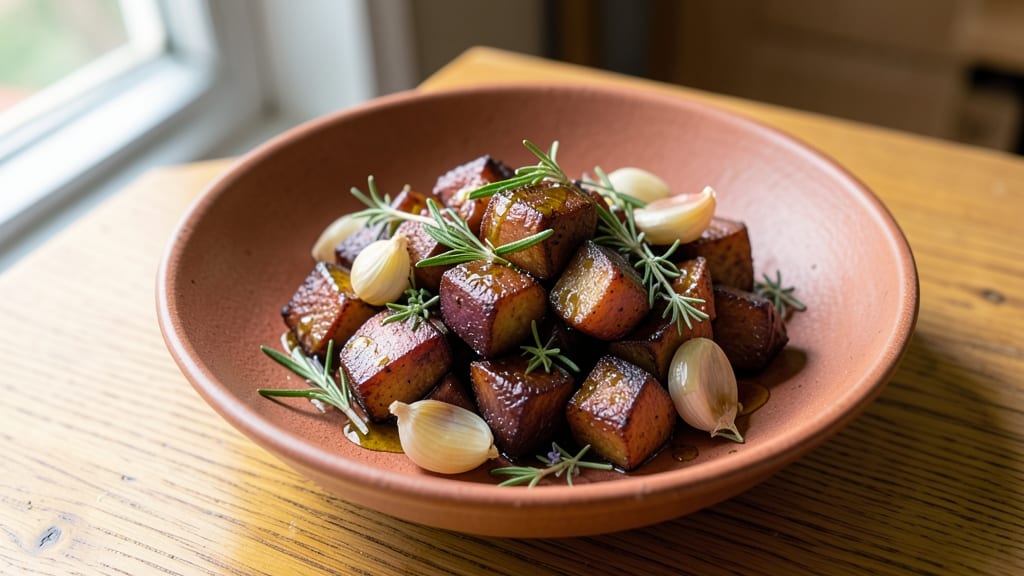
This murasaki potato recipe transforms humble spuds into a visually stunning side with deep purple hues and a satisfying earthy crunch. The secret lies in their unique anthocyanin pigments, which intensify when cooked properly—creating both beauty and bold flavor.
I first discovered these potatoes while researching heirloom varieties, and their nutty-sweet profile immediately set them apart from standard russets.
The preparation method is straightforward yet precise: a combination of boiling and roasting unlocks their full potential. Start with a quick boil to soften the potatoes, then roast them until crispy edges form while maintaining a tender interior.
The purple color deepens during cooking, creating a striking contrast against golden-brown skin. This technique preserves their natural sweetness while adding a satisfying crunch.
What makes these potatoes exceptional is their versatility—they pair beautifully with roasted meats, grilled vegetables, or even as a standalone salad. The earthy, slightly sweet flavor profile makes them a standout side dish that elevates any meal.
Once you try them, you’ll never look at potatoes the same way again. Let’s get cooking with this vibrant, nutrient-rich recipe.
For best results, use fresh murasaki potatoes and follow the precise cooking times to achieve that perfect balance of texture and color. The vibrant purple hue not only makes them visually appealing but also indicates their high antioxidant content.
This recipe delivers restaurant-quality results with minimal effort—ideal for both weeknight dinners and special occasions.
Ingredients for murasaki potato
Fresh murasaki potatoes and simple seasonings create a stunning purple-hued side dish with restaurant-quality crunch.
| Ingredient | Amount | Notes |
|---|---|---|
| Murasaki Potatoes 🥔 | 1 ½ lb | Fresh, unpeeled, medium-sized |
| Extra-Virgin Olive Oil 🫒 | 2 tbsp | High-quality, fruity variety |
| Kosher Salt 🧂 | 1 ½ tsp | Diamond Crystal preferred |
| Fresh Rosemary 🌿 | ½ tsp | Finely chopped, fresh preferred |
| Fresh Thyme 🌿 | ½ tsp | Finely chopped, fresh preferred |
| Garlic Cloves 🧄 | 3 cloves | Minced, fresh preferred |
| Black Peppercorns 🌶️ | ½ tsp | Freshly ground, coarse |
| Unsalted Butter 🧈 | 1 tbsp | Cold, cubed for roasting |
| Water 💧 | 4 cups | Filtered or spring water |
| Balsamic Vinegar 🍷 | 1 tbsp | Aged, for finishing |
| Fresh Parsley 🌿 | ¼ cup | Chopped, for garnish |
The murasaki potatoes are the star—source them from specialty grocers or Japanese markets for the most vibrant color and sweetest flavor. Look for firm, unblemished potatoes with deep purple skin; Whole Foods or local organic farms often carry them in season. If you can't find them fresh, frozen murasaki potatoes work in a pinch, though texture may differ slightly. The anthocyanin pigments that give them their signature color are most potent when the potatoes are fully ripe, so avoid any with green spots or soft areas. For best results, use potatoes that weigh between 1.5 to 2 pounds total—this ensures even cooking and optimal texture.
No fresh rosemary or thyme? Dried herbs at one-third the amount will suffice, though fresh is ideal for that bright, aromatic punch. Substituting garlic powder (one teaspoon) for the minced garlic works, but fresh garlic adds depth that powder can't replicate. If you're short on balsamic vinegar, a splash of red wine vinegar or even a pinch of sugar with lemon juice creates a similar tang. For the olive oil, avoid light or refined varieties—opt for extra-virgin with noticeable fruitiness. The butter should be cold when cubed to create crispy edges during roasting; European-style butter like Plugrá melts beautifully and adds richness without overpowering the potatoes' natural sweetness.
Store uncooked murasaki potatoes in a cool, dark place for up to 2 weeks, away from onions or apples to prevent premature sprouting. Once cooked, they reheat beautifully—simply warm in a 350°F oven for 10-15 minutes until crispy again. For meal prep, portion the roasted potatoes into airtight containers with a sprinkle of salt to maintain texture; they'll keep for 4-5 days in the fridge. Freezing isn't recommended due to their delicate texture, but you can freeze the boiled potatoes for up to 3 months if you plan to roast them later. The vibrant purple color may fade slightly upon reheating, but the flavor remains rich and earthy.
Why You'll Love This Recipe
- I make these for everything: a quick lunch, a side for grilled chicken, or even a snack when I’m starving. They reheat beautifully, so I often double the batch. Zero stress, maximum flavor.
- One-Pan Magic: Honestly, I swear by this—just slice those Murasaki potatoes, toss them in olive oil, and let the oven do the work. No chopping boards, no extra dishes, just golden perfection waiting for you.
- Herb-Crusted Crunch: Between us, that rosemary and thyme combo on these potatoes? It’s like a little Mediterranean vacation in your mouth. The crispy edges with that tender inside? Chef’s kiss—no fancy techniques needed.
- Weeknight Workhorse: I make these for everything: a quick lunch, a side for grilled chicken, or even a snack when I’m starving. They reheat beautifully, so I often double the batch. Zero stress, maximum flavor.
Step-by-step instructions for roasted murasaki potatoes
Transform these vibrant purple potatoes into a crispy, aromatic side dish with perfect texture every time.
Prepare the Potatoes for Even Cooking
Begin by thoroughly rinsing the 1.5 lb murasaki potatoes under cold water to remove any dirt. Using a sharp chef's knife, cut them into even 1-inch cubes—consistency is key for uniform cooking. Place the cut potatoes in a large bowl and immediately toss them with 2 tbsp extra-virgin olive oil, ensuring each piece is lightly coated. This step prevents sticking and promotes crispy edges.
In a separate small bowl, combine 0.5 tsp finely chopped fresh rosemary, 0.5 tsp finely chopped fresh thyme, 3 minced garlic cloves, and 0.5 tsp freshly ground black peppercorns. Mix well to distribute the seasonings evenly. Sprinkle this herb mixture over the potatoes and toss gently to coat completely. Let them sit at room temperature for 15 minutes while you preheat your oven—this allows the flavors to meld and the potatoes to develop a better crust.
Roast Until Golden and Crisp
Preheat your oven to 425°F. Line a large rimmed baking sheet with aluminum foil for easy cleanup. Arrange the seasoned potatoes in a single layer on the prepared sheet, leaving about ½-inch space between each piece. This spacing ensures they roast evenly and develop crispy exteriors rather than steaming.
Roast the potatoes for 25 minutes, then carefully flip each piece using a metal spatula. This is the moment that matters: flipping ensures even browning on all sides. After another 15 minutes, the potatoes should be golden brown with crispy edges and tender centers when pierced with a fork. If they're browning too quickly, tent with foil to prevent burning while maintaining crispiness.
Finish with Butter and Balsamic
Remove the baking sheet from the oven and immediately sprinkle the 1 tbsp cold cubed unsalted butter evenly over the hot potatoes. Return them to the oven for an additional 3 minutes to melt the butter and create a glossy finish. This step adds richness and helps develop the signature caramelized flavor.
While the potatoes finish, bring 4 cups water to a boil in a small saucepan. Add 1 tbsp aged balsamic vinegar and simmer for 2 minutes to infuse the water with its tangy depth. Remove from heat and set aside. Once the potatoes are out of the oven, drizzle this balsamic-infused water evenly over them, tossing gently to coat. The acidity brightens the earthy sweetness of the murasaki potatoes while adding complexity.
Garnish and Serve Immediately
Transfer the roasted potatoes to a serving platter and immediately sprinkle with 0.25 cup chopped fresh parsley. The parsley adds a pop of color and freshness that contrasts beautifully with the deep purple hue of the potatoes. Toss lightly to distribute evenly, ensuring each serving gets a vibrant garnish.
Serve the potatoes immediately while they're still crispy and warm. The contrast between the purple flesh and golden crust creates a visually stunning dish that pairs perfectly with grilled meats or roasted vegetables. The earthy sweetness of the murasaki potatoes shines through with every bite, making this a standout side dish that elevates any meal.
Pro Tips For Making Murasaki Potato
- CUT THEM EVEN: Murasaki potatoes have thick skins—don’t just eyeball it. Slice them just under ¼-inch thick (about 5-6mm) so they cook through without turning to mush. I learned this the hard way after serving rubbery slices at Thanksgiving.
- SALT THE OIL: Toss the sliced potatoes in generously salted olive oil (½ tsp kosher salt per 2 tbsp oil) before roasting. The salt caramelizes into the skin, giving that crispy, savory bite. Yes, even if you’re salting again later—it’s worth it.
- STOP WHEN THEY’RE DONE: Pull them out of the oven when the edges are golden and the center just yields to a fork—no waiting for "perfect" brown. Overcooking turns Murasaki potatoes gummy, and no one wants that. Trust the fork test.
- STRIP THE HERBS: Finely chop rosemary and thyme (no need for tiny leaves—just small pieces) and rub them into the oil before tossing the potatoes. This distributes flavor evenly and avoids herb clumps. (And skip the dried stuff—fresh makes a real difference.)
Flavor customization for this dish
Sweet & Spicy Glaze
Transform your murasaki potatoes into a sweet-spicy showstopper by tossing them in a 2 tbsp honey and 1 tbsp sriracha glaze after roasting. Heat the honey and sriracha in a small saucepan over low heat for 1 minute, then drizzle over the hot potatoes.
Finish with 1 tsp toasted sesame seeds for an Asian-inspired twist that balances the earthy sweetness with a bold kick. 🌶️
Herb-Infused Oil Finish
Elevate the dish by infusing 3 tbsp olive oil with 1 tbsp chopped fresh sage and 1 tbsp chopped fresh thyme in a small saucepan over low heat for 2 minutes.
After roasting, toss the potatoes in this fragrant oil and sprinkle with ½ tsp flaky sea salt. The herbal notes complement the potatoes' natural sweetness while adding a luxurious finish.
Garlic & Lemon Zest
Brighten the dish with a zesty kick by mixing 1 tbsp lemon zest and 2 minced garlic cloves into the final toss. After roasting, drizzle with 1 tbsp fresh lemon juice and garnish with extra zest.
The citrus cuts through the richness, enhancing the potatoes' earthy flavor while adding a refreshing contrast. Perfect for summer meals or pairing with seafood.
Smoky Paprika Crust
For a smoky depth, toss the roasted potatoes with 1 tbsp smoked paprika and ½ tsp ground cumin before the final bake. The spices caramelize beautifully, creating a crispy, aromatic crust. Finish with 1 tbsp chopped cilantro for a Latin-inspired twist that pairs wonderfully with grilled meats or black beans.
Brown Butter & Walnut Topping
Take the dish to the next level by finishing with 2 tbsp brown butter and 2 tbsp chopped toasted walnuts. After roasting, drizzle the potatoes with the brown butter and sprinkle with walnuts. The nutty crunch and buttery richness create a sophisticated texture contrast that feels restaurant-worthy. 💫
Nutrition facts
Frequently asked questions
What makes murasaki potatoes different from regular purple potatoes?
Murasaki potatoes have a deeper purple hue throughout the flesh, not just the skin, thanks to higher anthocyanin content. Their flavor is more nutty and sweet compared to standard purple potatoes, which often have a slightly bitter aftertaste. The skin also stays crispier during roasting, creating that perfect crunch.
Can I use this recipe with other purple potatoes?
While you can use other purple potatoes, the flavor and texture won't be identical. Murasaki potatoes have a unique sweetness and anthocyanin concentration that gives them their signature depth. For best results, stick with authentic murasaki potatoes—look for them at Japanese markets or specialty grocers.
How do I store leftover roasted murasaki potatoes?
Store them in an airtight container at room temperature for up to 2 days, or refrigerate for 4-5 days. To reheat, warm in a 350°F oven for 10-15 minutes until crispy again. Avoid microwaving—they'll lose their texture. For longer storage, boil the potatoes first and freeze them for up to 3 months before roasting.
What's the best way to cut murasaki potatoes for even cooking?
Cut them into 1-inch cubes for consistent doneness. Use a sharp knife and work quickly to prevent browning. For extra crispiness, leave some skin on—it adds texture and prevents the potatoes from falling apart during roasting. Soak cut potatoes in cold water for 10 minutes if you're prepping ahead to remove excess starch.
Are murasaki potatoes good for meal prep?
They work well for meal prep if you boil them first and store properly. Boil the potatoes until tender, cool completely, then refrigerate in water for up to 5 days. When ready to serve, pat dry and roast as directed. The color may fade slightly after reheating, but the flavor remains rich and satisfying.