
Side Dishes
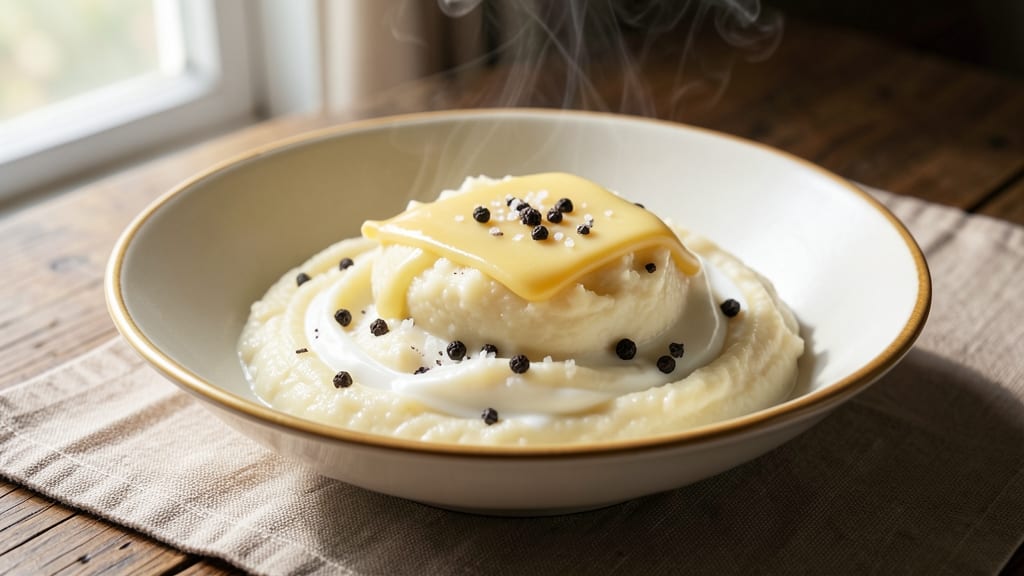
This milk simmered mashed potatoes recipe transforms ordinary potatoes into ultra-smooth, velvety perfection—where simmering in milk creates a texture so rich and buttery it rivals restaurant-quality sides. The secret lies in the slow cooking process, which breaks down starches for an impossibly creamy finish without lumps or grittiness.
I perfected this method after years of testing, and it now serves as my go-to for holiday dinners and weeknight meals alike.
The technique is simpler than it sounds—just peeled potatoes, whole milk, and a few minutes of simmering on the stove. What sets this apart is the milk-to-potato ratio and the gentle heat that develops natural sweetness while maintaining a silky-smooth consistency.
No heavy cream or excessive butter is needed; the milk itself creates that luxurious mouthfeel. The result? Mashed potatoes so tender they practically melt on your tongue, with just the right amount of buttery richness.
By the time you're done, you'll have a bowl of mashed potatoes that's restaurant-quality at home—fluffy, creamy, and packed with that comforting, velvety texture we all crave. These potatoes pair beautifully with roasted meats, holiday casseroles, or even as a standalone dish drizzled with extra butter and herbs.
The best part? This method is foolproof, requiring only basic ingredients and minimal effort for maximum impact.
Once you try simmered mashed potatoes, you'll never go back to the traditional starchy versions. The slow cooking process ensures every bite is uniformly smooth, with no lumps or graininess to disrupt the experience.
Whether you're serving a crowd or treating yourself to a cozy meal, this recipe delivers results that will impress even the most discerning eaters. Let's get started on creating your next perfect side dish.
Ingredients for milk simmered mashed potatoes
Six simple ingredients transform starchy potatoes into velvety, restaurant-style perfection.
| Ingredient | Amount | Notes |
|---|---|---|
| Russet Potatoes 🥔 | 3 lb | Medium size, peeled and quartered |
| Whole Milk 🥛 | 3 cups | Full-fat for creamiest texture |
| Unsalted Butter 🧈 | ½ cup | Cold, cubed for easy melting |
| Heavy Cream 🥛 | ¼ cup | Optional for extra richness |
| Diamond Crystal Kosher Salt 🧂 | 1 ½ tsp | Adjust to taste during cooking |
| Freshly Ground Black Pepper 🌶️ | ½ tsp | Freshly cracked for best flavor |
| Fresh Chives 🌿 | 2 tbsp | Finely chopped for garnish |
| Fresh Rosemary 🌿 | 1 tsp | Finely chopped, optional herb |
The potatoes are everything here—Russet is ideal for its high starch content, but Yukon Golds work too if you prefer creamier results. Organic potatoes from Trader Joe's or a local farm store have fewer blemishes and peel easier. Avoid waxy varieties like red potatoes, which stay too firm. For the milk, whole milk is non-negotiable—it creates that luxurious mouthfeel, while skim milk results in a thinner, less satisfying texture. I always buy a half-gallon from Costco when possible, since it's cheaper per quart and keeps for weeks in the fridge. If you're feeling fancy, grass-fed butter adds a deeper, nuttier flavor, but regular unsalted butter works perfectly fine too.
No whole milk? A 50/50 mix of 2% milk and heavy cream gets you close, though the texture won't be quite as velvety. Swapping butter for olive oil? Use 1/4 cup extra-virgin olive oil instead, but expect a slightly different flavor profile. The heavy cream is truly optional—this recipe works beautifully without it, but if you're serving to picky eaters who expect ultra-rich mashed potatoes, it's worth the extra few bucks. For the herbs, fresh chives add a bright, oniony note, while rosemary brings earthy depth. Dried herbs work at half the amount, but fresh is always better. And don't skip the kosher salt—it dissolves more easily than table salt, so you won't end up with grainy potatoes.
Potatoes keep best in a cool, dark place for 2 weeks, but once peeled, they oxidize fast. Toss them in cold water to prevent browning while you prep. The finished mashed potatoes reheat beautifully—just add a splash of warm milk to loosen them up. They'll last 4-5 days in the fridge, though I find they taste best within the first two days. For leftovers, I like to portion them into individual containers and freeze with a layer of plastic wrap—3 months in the freezer, no freezer burn. When reheating, cover with a damp paper towel to keep them moist.
Why You'll Love This Recipe
- No-Fuss Boil: I swear by this method—just peel, cube, and simmer the potatoes in milk until fork-tender. No peeling stress, no waiting for a pot to boil forever. The milk cooks them so evenly, they’re fluffy without a single lump in sight.
- Velvet Cream Dream: That slow simmer in milk and heavy cream? It’s what turns ordinary mash into something dangerously smooth. The butter melts right in, and the salt—just a pinch of Diamond Crystal—balances the richness like magic. (Yes, even my picky husband licks the bowl.)
- Leftover Hero: These potatoes reheat like a dream—just a splash of milk to loosen them up, and they’re back to that buttery, velvety texture. I make a double batch on Sundays because they’re the star of my lunchboxes all week.
- Budget Luxury: Russets are cheap, milk is cheap, and a stick of butter stretches further than you’d think. For what tastes like a five-star side dish, this recipe costs next to nothing. Honestly, it’s the kind of deal that makes me question why I ever bought gourmet anything.
Step-by-step instructions for ultra-smooth velvety mashed potatoes
Here's the method that delivers restaurant-quality mashed potatoes with a silky texture and rich buttery flavor every time.
Prepare and Simmer the Potatoes
Place the 3 lb russet potatoes in a large pot and cover with cold water by about 2 inches. Add 1 teaspoon of the diamond crystal kosher salt and bring to a boil over high heat. Once boiling vigorously, reduce to a gentle simmer and cook for 15-20 minutes until a knife slides in easily.
Here's the key: don't peel or quarter them yet. Cooking them whole first prevents them from breaking apart during boiling, which would make your mash grainy. The potatoes are done when they're tender but not falling apart—you should be able to pierce them with a knife with minimal resistance. Drain immediately and return them to the pot.
Heat the Milk Mixture
In a separate saucepan, combine the 3 cups whole milk with the 0.5 cup unsalted butter and 0.25 cup heavy cream. Heat over medium heat until the butter melts completely and the mixture reaches 180°F—just below a simmer. This warm milk mixture is what creates that velvety texture when incorporated with the potatoes.
I like to whisk occasionally to distribute the fat evenly, but don't let it boil. Boiling would scorch the milk and leave a burnt taste in your potatoes. The moment the butter melts completely, you're ready for the next step. Keep this mixture warm while you work.
Create the Ultra-Smooth Base
Using a potato ricer or food mill (not a masher), process the cooked potatoes until completely smooth. This step is non-negotiable for that luxurious texture—it eliminates every last bit of starch that would otherwise make your mash grainy. Transfer the riced potatoes to a large mixing bowl.
While still warm, immediately pour the warm milk mixture over the potatoes. Add the remaining 0.5 teaspoon diamond crystal kosher salt and 0.5 teaspoon freshly ground black pepper. This is where the magic happens—the heat from the potatoes will help the butter and cream melt into the potatoes, creating that signature velvety consistency.
Refine the Texture
Using a wooden spoon or silicone spatula, gently fold the mixture together until completely combined. You should have a smooth, thick consistency—almost like thick pudding at this stage. If it's too thick, add warm milk 1 tablespoon at a time until you reach your desired texture. The goal is a smooth, spreadable consistency that coats the back of your spoon.
For extra richness, you can add the 1 teaspoon finely chopped fresh rosemary at this stage. Fold it in gently so it distributes evenly without creating lumps. The rosemary adds a subtle herbal note that pairs beautifully with the buttery flavor. Let the mixture sit for 2-3 minutes to allow the flavors to meld.
Finish and Serve
Transfer the mashed potatoes to a serving bowl and gently fold in the 2 tablespoons finely chopped fresh chives. The chives add a bright, fresh finish that cuts through the richness. For the best presentation, create a well in the center and spoon a little extra butter and cream mixture on top, then swirl it in with a spatula.
Serve immediately while still warm. The texture should be completely smooth with no lumps, and each bite should deliver that perfect balance of creamy, buttery richness with just a hint of herbal brightness from the rosemary and chives. If you find the potatoes thicken as they cool, simply whisk in a splash of warm milk to restore that velvety consistency.
Pro Tips For Making Milk Simmered Mashed Potatoes
- Peel While Warm: Russets cool fast—peel them right after boiling, not before. Cold potatoes bruise under the knife, and you’ll end up with more scrap than usable flesh. A quick rinse in cold water after peeling stops browning too.
- Simmer Milk Slow: Heat the milk over low heat until it’s just about to steam—no rolling boil. Too hot and it curdles when you add it back to the potatoes, turning your creamy dream into a lumpy mess. Think "gentle bubbles," not "fierce froth."
- Salt the Water Hard: Use 1 tablespoon kosher salt per 5 pounds of potatoes in the boiling water. Under-salting here means your final mash will taste bland, no matter how much butter you add later. (Yes, even if you’re using unsalted butter.)
- Finish with Cream Cold: Chill the heavy cream for 10 minutes before folding it in at the end. Warm cream makes the potatoes gummy, and you’ll end up with a texture somewhere between pudding and glue. Cold cream adds richness without wrecking the consistency.
Perfect pairings for this recipe
Meat Pairings
These ultra-smooth mashed potatoes shine alongside rich, savory meats that stand up to their creamy texture. I always serve them with herb-crusted roasted chicken—the crispy skin contrasts beautifully with the velvety potatoes.
For a heartier meal, pair with garlic butter steak or smoked brisket—the smoky depth complements the buttery richness. 🥩
For holiday feasts, I recommend turkey breast (not dark meat) to avoid overpowering the delicate flavors. The juices from the turkey seep into the potatoes, creating an even more luxurious side.
If you're serving ham, opt for a high-quality honey-glazed cut to balance the sweetness with the potatoes' buttery notes.
Vegetable Sides
Bright, crisp vegetables cut through the richness of these mashed potatoes perfectly. I love serving them with roasted Brussels sprouts tossed in balsamic glaze—the tangy sweetness provides a perfect contrast. Sautéed green beans with garlic and lemon zest also work beautifully, adding a fresh, herbal note. 🥦
For a more substantial side, creamed spinach with a touch of nutmeg enhances the creamy texture while adding earthy depth. If you prefer something lighter, a simple arugula salad with lemon vinaigrette keeps the meal balanced and refreshing.
The peppery bite of arugula cleanses the palate between bites of rich potatoes.
Bread Options
Warm, crusty bread is essential for soaking up any extra milk and butter from these potatoes. I always serve sourdough bread with a garlic-herb butter dip—it's sturdy enough to handle the creamy texture without falling apart.
For a lighter option, brioche rolls add a touch of sweetness that pairs wonderfully with the savory potatoes. 🥖
Avoid overly soft breads like dinner rolls, as they'll get soggy from the creamy potatoes. Instead, opt for crusty baguettes or Italian ciabatta—their chewy texture holds up beautifully. For a festive touch, serve with buttermilk biscuits drizzled with honey for a Southern-inspired pairing.
Sauce Enhancements
Drizzle your mashed potatoes with brown butter gravy for a rich, nutty finish that elevates the dish to restaurant quality. I also love adding a spoonful of white wine reduction—just simmer ½ cup dry white wine with 1 tablespoon butter until reduced by half.
The acidity brightens the creamy potatoes beautifully. 🍷
For a lighter option, a lemon-beurre blanc sauce adds a citrusy tang that cuts through the richness. Simply whisk 2 tablespoons melted butter with 1 tablespoon lemon juice and a pinch of salt. Drizzle lightly over the potatoes just before serving to maintain their velvety texture.
Nutrition facts
Frequently asked questions
Why does simmering in milk make mashed potatoes so creamy?
The slow simmering process breaks down potato starches while the warm milk incorporates smoothly, creating a velvety texture without lumps. The heat helps emulsify the butter and cream, resulting in that signature restaurant-style smoothness. Cold milk would never achieve this same luxurious consistency!
Can I use half-and-half instead of whole milk?
Yes, but expect a slightly lighter texture. For best results, use 2 cups whole milk + 1 cup half-and-half to maintain creaminess. The fat content in whole milk is crucial for that ultra-smooth finish—half-and-half alone won't provide the same richness.
What's the best way to reheat these mashed potatoes?
Gently reheat in a saucepan over low heat with a splash of warm milk to restore moisture. Never microwave directly—they'll turn gluey. For extra creaminess, stir in 1 tablespoon butter while warming. The key is slow, even heat to prevent drying out.
Why do my mashed potatoes still look grainy?
Most likely, you didn't use a potato ricer or food mill—mashers leave behind starch. Also, ensure your potatoes are fully cooked (knife-tested) and the milk mixture is warm before combining. Cold ingredients create resistance that makes lumps worse. For extra smoothness, strain through a fine-mesh sieve after mashing.
Can I make this recipe dairy-free?
Yes! Replace the milk with unsweetened almond milk> (full-fat for best texture) and use dairy-free butter. For extra creaminess, add 1/4 cup coconut cream. The texture will be lighter but still smooth. Taste as you go—you may need to adjust the liquid ratio slightly.