
Side Dishes
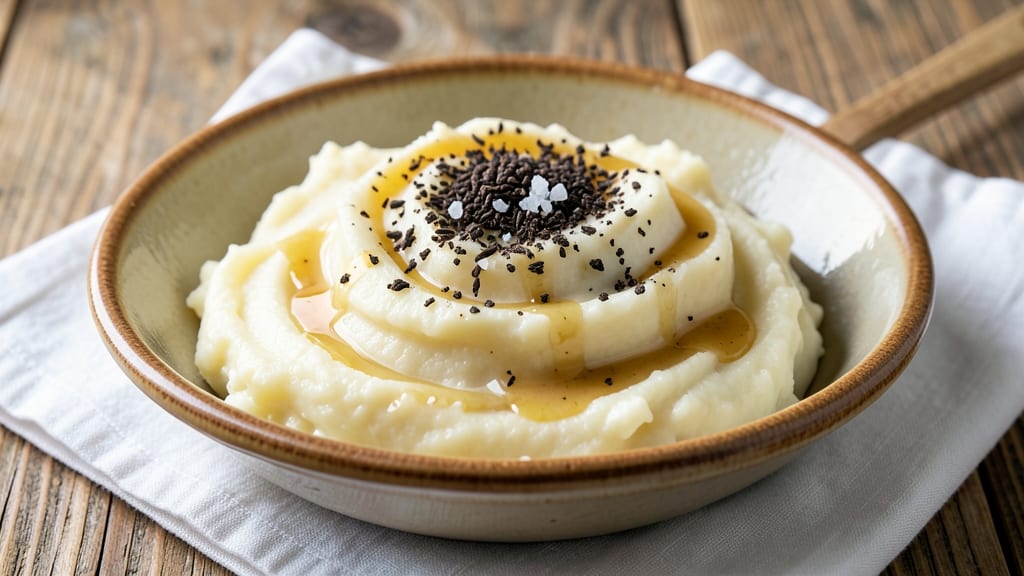
This mashed potatoes with evaporated milk recipe transforms ordinary spuds into ultra-smooth, velvety perfection—no lumps, no graininess, just buttery indulgence. After years of battling clumpy mashed potatoes, I discovered evaporated milk as the secret weapon, creating a texture so rich it rivals restaurant-quality sides.
The key lies in precise technique and the right proportions of milk to potatoes.
The magic happens when you boil potatoes until fork-tender, then mash them with warm evaporated milk instead of heavy cream or whole milk. This creates a silky, almost custard-like consistency that holds together beautifully while delivering a subtle tang that elevates the flavor.
Unlike traditional recipes that rely on butter alone, this method achieves that restaurant-worthy smoothness without overpowering the potatoes' natural taste.
What you'll end up with is a bowl of creamy, dreamy mashed potatoes that melts in your mouth with every bite. The evaporated milk not only prevents graininess but also adds a subtle richness that makes these potatoes irresistible.
Perfect for holiday dinners, family gatherings, or even a cozy weeknight meal, this recipe delivers results that will have everyone asking for seconds.
Ready to master this technique? The process is straightforward, and the ingredients are simple—just potatoes, evaporated milk, butter, and salt. Let's get started on creating the smoothest mashed potatoes you've ever tasted, guaranteed to impress even the most discerning palates.
Ingredients for mashed potatoes with evaporated milk
Six core ingredients, one game-changing technique for velvety mashed potatoes without a single lump.
| Ingredient | Amount | Notes |
|---|---|---|
| Russet Potatoes 🥔 | 3 lb | Medium-sized, peeled and cubed |
| Evaporated Milk 🥛 | 1 ½ cups | Full-fat for optimal creaminess |
| Unsalted Butter 🧈 | ¾ cup | Cold, cut into small cubes |
| Diamond Crystal Kosher Salt 🧂 | 1 ½ tsp | Adjust to taste after mashing |
| Freshly Ground Black Pepper 🌶️ | ½ tsp | Freshly cracked for best flavor |
| Heavy Cream 🥛 | ¼ cup | Optional for extra richness |
| Roasted Garlic Cloves 🧄 | 2 cloves | Optional for subtle sweetness |
| Fresh Chives 🌿 | 2 tbsp | Chopped, for garnish |
The potatoes are non-negotiable—Russet delivers the highest starch content for that signature smoothness. Buy organic if possible to avoid thin skins, but any Russet works. Cut them into even 1.5-inch cubes so they cook uniformly. For the evaporated milk, Carnation or Eagle Brand are the gold standards in grocery stores, but any full-fat canned evaporated milk will do. The butter? European-style unsalted (like Plugrá) adds nuanced flavor, but high-quality American butter works perfectly fine. Roasted garlic cloves? Squeeze from a jar if you're short on time—they add a deep, mellow sweetness without overpowering.
No evaporated milk? Whole milk warmed with 1 tbsp powdered milk mimics the texture, though the tang will be milder. Running out of heavy cream? Whipped cream folded in at the end gives a similar lightness. Salt is critical—Diamond Crystal kosher dissolves cleanly, but any fine sea salt works. Freshly ground black pepper is worth the 30-second grind—pre-ground tastes flat. The chives? Freeze any extras in oil—they'll keep for months and stay vibrant. Want extra richness? Add 1 tbsp sour cream at the end for tangy depth.
Potatoes should be fork-tender but not mushy—test by piercing with a knife. Store leftovers in an airtight container with a thin layer of plastic wrap pressed directly on the surface to prevent drying. They'll keep 3-4 days in the fridge, though texture degrades after day 2. For longer storage, freeze in 1-cup portions—thaw overnight in the fridge and reheat gently with a splash of warm milk. Garnish with chives right before serving, as they wilt quickly when heated.
Why You'll Love This Recipe
- Here’s what sold me: the texture. Boiling Russets until they’re just tender, then mashing with warm evaporated milk and butter creates this absurdly creamy, almost custardy finish. No food processor, no stress—just a potato masher and a fork. (Yes, even on a Tuesday night.)
- I’ll be real: this recipe costs me about half what store-bought mashed potatoes do, and it’s way better. Russets are cheap, evaporated milk lasts forever, and butter? A little goes a long way. Plus, it’s the kind of dish that makes you feel fancy without breaking the bank.
Step-by-step instructions for ultra-smooth mashed potatoes
Mastering texture is all about technique—here's how to achieve restaurant-quality mashed potatoes every time.
Boil Potatoes Until Fork-Tender
Place the 3 lb russet potatoes in a large pot and cover with cold water by at least 2 inches. Add 1.5 tsp diamond crystal kosher salt to the water. Bring to a rolling boil over high heat, then immediately reduce to a gentle simmer. Cook for 15-20 minutes until a knife slides in easily with minimal resistance.
I prefer this method over steaming because the water bath ensures even cooking and prevents the potatoes from absorbing too much moisture from the steam. The slight salt infusion also enhances flavor as they cook. Don't rush this step—undercooked potatoes will yield grainy mash no matter how well you work them afterward.
Drain and Dry Thoroughly
Carefully drain the potatoes in a colander, then return them to the empty pot. Place the pot over low heat for 1-2 minutes, shaking occasionally, to evaporate any excess surface moisture. This step is critical for achieving that ultra-smooth texture—wet potatoes will create a watery mash regardless of how much butter you add.
While the potatoes dry, prepare your mixing vessel. I recommend using a large mixing bowl or even the pot itself for this recipe. The goal is to work with completely dry potatoes that will absorb all the dairy and butter without releasing excess liquid.
Mash with Hot Evaporated Milk and Butter
Add the 1.5 cups evaporated milk and 0.75 cup unsalted butter (cut into small cubes) to the warm, dry potatoes. Using a potato masher or ricer, work the mixture until smooth. The evaporated milk's higher fat content creates a naturally creamier texture than regular milk, while the butter adds richness without making the potatoes greasy.
Here's the thing—don't use an electric mixer at this stage. The initial mashing should be done by hand to break down the starches thoroughly. If you notice any lumps, simply press them through with the masher until completely smooth. The key is patience; rushing this step is what leads to grainy results.
Incorporate Finishing Ingredients
Once the potatoes are completely smooth, stir in the 0.25 cup heavy cream (if using), 0.5 tsp freshly ground black pepper, and the 2 cloves roasted garlic cloves (mashed or minced). The heavy cream adds luxurious body, while the roasted garlic provides subtle sweetness that balances the richness. Taste and adjust seasoning with additional diamond crystal kosher salt if needed—remember, evaporated milk is already slightly salty.
This is where the magic happens. The combination of dairy products creates an emulsion that gives these mashed potatoes their signature velvety texture. The roasted garlic cloves should dissolve completely into the mixture, adding depth without overpowering the potato flavor. If the consistency feels too thick, you can add 1-2 tablespoons of hot evaporated milk to reach your desired texture.
Garnish and Serve Immediately
Transfer the mashed potatoes to a serving bowl and garnish with 2 tbsp chopped fresh chives. The chives add a bright, fresh contrast to the rich potatoes. Serve immediately while hot—mashed potatoes continue to thicken as they cool, so timing is everything for that perfect creamy consistency.
For an extra touch, I like to pipe the potatoes into a decorative dish using a piping bag fitted with a star tip. This not only looks impressive but also helps maintain the smooth texture as you serve. The chives should be sprinkled on top just before serving to preserve their vibrant color and fresh flavor.
Pro Tips For Making Mashed Potatoes With Evaporated Milk
- Boil Until Fork-Tender: Russets need to be actually soft—no one likes mushy potatoes, but undercooked ones turn to glue. Test with a fork: it should slide in like butter, not fight you. If they’re not there yet, add 5 more minutes of boiling (covered) and check again.
- Use Cold Evaporated Milk: Warm evaporated milk will curdle when mixed with hot potatoes—trust me, it’s a disaster. Chill the can in the fridge for 10 minutes first, or even better, pour it into a cold bowl before adding. Cold milk blends smoothly and keeps the texture creamy.
- Salt the Water Generously: I used to skimp on salt in the boiling water, thinking I’d add more later. Wrong. Russets absorb flavor like sponges—start with 2 tablespoons of kosher salt (yes, even if it seems like a lot). The potatoes will taste far better than if you salt them after.
- Work in Butter Stages: Dumping all the butter at once can make the mash greasy. Instead, add half the butter first, mix well, then taste. Add the rest after the evaporated milk—this keeps the texture light and the richness balanced. (And yes, unsalted butter matters here; salted throws off the flavor.)
Make-ahead tips for this dish
Prep Ahead for Holidays
Make these mashed potatoes 2 days in advance for holiday meals—they actually taste better after resting! Store in an airtight container with plastic wrap pressed directly on the surface.
Reheat by adding 2 tbsp warm evaporated milk per 1 cup of potatoes, then gently warming on low heat while stirring constantly. The texture remains velvety when reheated properly. 💫
Freezer-Friendly Strategy
For long-term storage, freeze in 1-cup portions using silicone molds or freezer bags. Thaw overnight in the fridge, then reheat with 1 tbsp evaporated milk per portion over low heat.
I like to add a pinch of salt and pepper after reheating to refresh the flavor. These freeze beautifully for up to 3 months without texture breakdown.
Make-Ahead for Potlucks
Prepare the potatoes completely up to Step 4 (before adding chives), then store in the fridge. When ready to serve, simply reheat and garnish. This works perfectly for potlucks—just bring the ingredients separately to keep everything warm.
I pack the potatoes in a thermos container with a 1-inch layer of hot water in the bottom to maintain temperature during transport.
Double Batch Hack
Double the recipe and freeze half immediately for future meals. Use the same proportions (1.5 cups evaporated milk per 3 lbs potatoes) to maintain perfect texture. Label containers with the date—these potatoes reheat like a dream and save you hours of prep on busy nights.
I keep a stash in my freezer for last-minute dinner parties.
Reheating for Leftovers
Never reheat mashed potatoes in the microwave—they turn gluey! Instead, spread leftovers in a thin layer on a baking sheet and warm in a 250°F oven for 15-20 minutes.
For stovetop reheating, add 1 tbsp evaporated milk per 1 cup of potatoes and warm over low heat while stirring constantly. The evaporated milk helps restore that silky texture.
Garnish Prep Ahead
Chop all garnishes (chives, roasted garlic) and store in small airtight containers in the fridge for up to 5 days. Keep them separate until serving to maintain freshness.
For roasted garlic, I make a big batch at the start of the month and freeze it—just thaw what you need when ready to use. This saves time and keeps your garnishes vibrant for every serving. 🌿
Nutrition facts
Frequently asked questions
Why does evaporated milk make mashed potatoes smoother?
Evaporated milk contains higher fat and protein content than regular milk, which creates a natural emulsion when combined with warm potatoes. This helps break down starches more effectively, resulting in that signature velvety texture without graininess. The slight tang also balances the richness of butter perfectly.
Can I substitute evaporated milk with regular milk?
You can try, but the texture won't be as luxurious. Use whole milk warmed with 1 tablespoon powdered milk to mimic the fat content. For best results, stick with evaporated milk—its higher fat content (about 7% vs 3.5% in whole milk) is what creates that restaurant-quality smoothness. The tang also prevents clumping.
How do I fix lumpy mashed potatoes?
Don't panic! Press lumps through a potato ricer or use a fork to mash them until completely smooth. If the texture is still off, add 1 tablespoon warm evaporated milk at a time while mashing until creamy. The key is patience—overworking with an electric mixer actually makes lumps worse by incorporating air.
Can I make this recipe with sweet potatoes?
Use orange sweet potatoes (not yams) and reduce the cooking time to 10-12 minutes after boiling. For extra creaminess, add 1/4 cup extra evaporated milk since sweet potatoes have different starch properties. The flavor will be slightly sweeter but still velvety.
What's the best way to reheat these potatoes?
Never microwave! Spread leftovers in a thin layer on a baking sheet and warm in a 250°F oven for 15-20 minutes. For stovetop, add 1 tablespoon evaporated milk per cup of potatoes and warm over low heat while stirring constantly. The milk helps restore that silky texture that gets lost when reheating improperly.