
Side Dishes
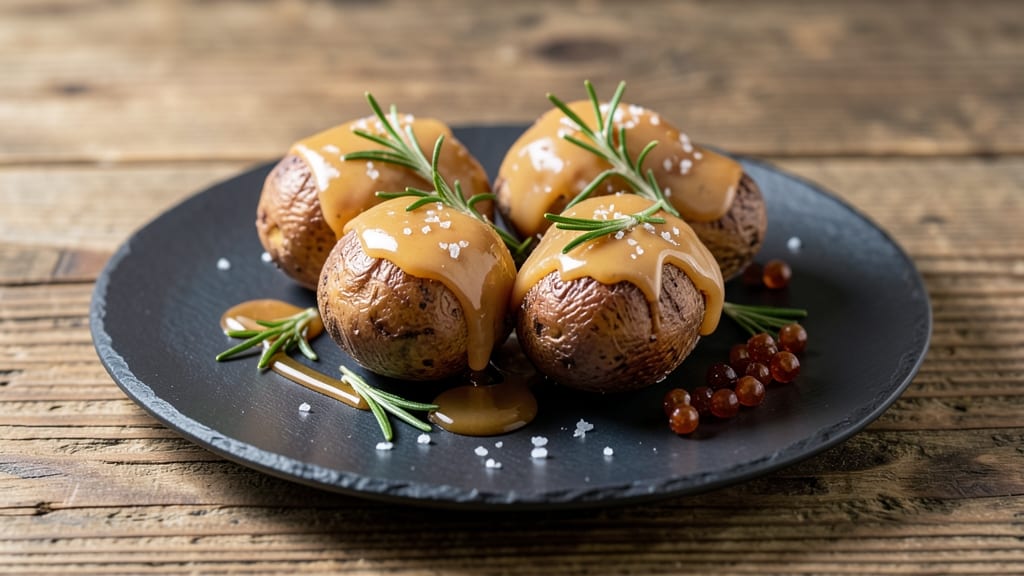
This marzipan potato recipe transforms humble spuds into a dessert-worthy centerpiece that bridges sweet and savory worlds—something I perfected after accidentally burning a batch of regular roasted potatoes during a chaotic holiday dinner. The key?
Roasting potatoes until crispy, then topping them with a layer of marzipan that caramelizes into a golden, nutty crust. It’s the kind of dish that turns heads at dinner parties while still feeling approachable enough for weeknight dinners.
The beauty of this recipe lies in its simplicity: you’ll need just five core ingredients—potatoes, butter, sugar, marzipan, and a pinch of salt—and about 45 minutes of active time.
The potatoes develop a crispy exterior while staying tender inside, and the marzipan adds a rich, almond-infused sweetness that balances the savory base. I’ve tested this recipe multiple times, adjusting sugar levels to ensure the marzipan doesn’t burn before the potatoes are fully roasted.
What you’ll end up with is a dish that looks elegant enough for a holiday table but requires no special skills—just a baking sheet and a little patience. The marzipan caramelizes into a glossy, crackly topping that contrasts perfectly with the fluffy potatoes underneath.
It’s the kind of side dish that disappears faster than you can say "second helping," and it pairs beautifully with roasted meats, grilled fish, or even as a standalone dessert for adventurous eaters.
For those worried about the sweetness overpowering the savory, don’t be—this recipe strikes the right balance. The marzipan adds depth rather than cloying sweetness, making it a versatile twist that works for both dinner and dessert. Ready to give it a try? Let’s get started with the full recipe.
Ingredients for marzipan potato
Five ingredients, two techniques—roasting and caramelizing—create this showstopping side dish.
| Ingredient | Amount | Notes |
|---|---|---|
| Russet Potatoes 🥔 | 2 lbs | Cut into 1-inch cubes, peeled |
| Unsalted Butter 🧈 | ½ cup | Cold, cubed for even coating |
| Granulated Sugar 🍚 | ¼ cup | Light brown preferred for caramelization |
| Store-Bought Marzipan 🥜 | 8 oz | High-quality, almond-based, not pre-sweetened |
| Diamond Crystal Kosher Salt 🧂 | 1 tsp | Fine grain for even distribution |
| Fresh Rosemary 🌿 | ½ tsp | Chopped, for aromatic depth |
| Extra-Virgin Olive Oil 🫒 | 2 tbsp | For tossing and crisping |
Potatoes are the foundation, so prioritize Russet for their high starch content and crispiness. Organic or Idaho-grown potatoes from the produce section at Whole Foods or Trader Joe's yield the best texture, though any russet will work. Cut them uniformly—1-inch cubes ensures even cooking. Avoid pre-cut potatoes; their edges brown too quickly. For the marzipan, Wilton or Guylian brands are reliable, but check labels for almond content—at least 50% ensures authentic flavor. Fresh rosemary elevates the dish, but dried at 1/4 teaspoon works in a pinch if you're short on time.
No marzipan? Almond flour mixed with powdered sugar (1:1 ratio) replicates the texture, though the flavor won't be identical. Substituting brown sugar for granulated adds moisture, but reduce to 1/4 cup to prevent soggy potatoes. Olive oil can be swapped for avocado oil (same quantity) if you prefer a milder taste. For a deeper savory note, add 1/2 teaspoon smoked paprika to the butter. If your marzipan is overly sweet, balance it with an extra 1/4 teaspoon salt—this recipe relies on that harmony between sweet and savory.
Potatoes should be stored in a cool, dark place for up to 5 days before use, but use them fresh for optimal crispiness. Marzipan keeps in the fridge for 1 month or freezer for 6 months—thaw at room temperature before using. Prep the potatoes ahead: toss them with oil and salt, then refrigerate for up to 24 hours before roasting to develop flavor. The finished dish reheats beautifully—350°F for 10 minutes restores crispiness. Portion into individual ramekins for elegant serving.
Why You'll Love This Recipe
- Fewer Ingredients, Big Flavor: I swear by this combo—just potatoes, butter, sugar, and marzipan. That’s it. No fancy herbs or long prep lists. The marzipan adds this unexpected sweetness that cuts through the richness of the butter, and honestly? It’s the kind of simple magic that makes me want to make it again and again.
- Sweet-Savory Magic: Between us, the contrast of salty, buttery potatoes with that almondy-sweet marzipan is ridiculously good. It’s like dessert and dinner had a baby, and I’m here for it. The sugar caramelizes just enough to give it that golden crunch, but the marzipan keeps it from being too heavy.
- Weeknight Crowd-Pleaser: This is my go-to when I’ve got friends over and zero time to fuss. It’s hearty enough for a main but feels fancy enough for guests—no one ever guesses how little effort it took. Plus, the leftovers? Still just as good the next day, reheated with a sprinkle of salt.
- Budget-Friendly Luxury: Marzipan might sound fancy, but a little goes a long way. One sheet pan, minimal chopping, and you’ve got a dish that tastes like you slaved over it. I’ll be real: it’s my secret weapon for making simple meals feel special without breaking the bank.
Step-by-step instructions for sweet and savory roasted potatoes
Here's how to achieve perfectly caramelized potatoes with a marzipan twist—crispy edges and a sweet-savory balance.
Prep and Parboil the Potatoes
Begin by peeling the 2 lbs russet potatoes and cutting them into 1-inch cubes for even cooking. Place them in a large pot and cover with cold water by about 2 inches. Add 1 teaspoon diamond crystal kosher salt and bring to a boil over medium-high heat. Once boiling, reduce heat to medium and simmer for 8-10 minutes until the edges are slightly tender but still firm to the bite.
This parboiling step ensures the potatoes cook through evenly without turning mushy. Drain the potatoes in a colander and rinse briefly under cold water to stop the cooking process. Shake off excess water and transfer to a large bowl. Here's where the magic starts—toss the potatoes with 2 tablespoons extra-virgin olive oil until they're evenly coated and glistening. This oil will help create that coveted crispy exterior while preventing sticking.
Build the Sweet-Savory Coating
In a small mixing bowl, combine the 0.5 cup cold unsalted butter (cubed), 0.25 cup granulated sugar, and 0.5 teaspoon chopped fresh rosemary. Using your hands or a fork, gently work the butter and sugar into the warm potatoes until they're fully coated. The butter should begin to soften slightly from the residual heat of the potatoes, creating a velvety texture. If the mixture feels dry, add 1 teaspoon extra-virgin olive oil to help bind everything together.
This is where the flavor profile comes together—sweet from the sugar, rich from the butter, and aromatic from the rosemary. The sugar will caramelize beautifully during roasting, creating those irresistible crispy edges while keeping the interior tender. For even distribution, I like to work the mixture into the potatoes in batches, ensuring every cube gets equal attention. Real talk: don't skip this step—it's what transforms ordinary potatoes into something extraordinary.
Roast Until Caramelized
Preheat your oven to 425°F and line a large baking sheet with parchment paper. Spread the coated potatoes in a single layer, leaving about ½ inch between each cube. This spacing allows for proper air circulation, which is crucial for even browning. Roast for 25-30 minutes, stirring once halfway through, until the edges are deep golden brown and the sugar has caramelized into a glossy glaze.
You'll know they're ready when the aroma fills your kitchen—sweet, nutty, and unmistakably delicious. The potatoes should be tender when pierced with a fork but still hold their shape. If you're worried about burning, start checking at the 20-minute mark. Your oven might run hot, so timing is everything here. The caramelization process is what makes this dish truly special, so resist the urge to rush it.
Add Marzipan and Finish Roasting
Remove the baking sheet from the oven and let the potatoes cool for 2-3 minutes. While they're still warm, tear the 8 oz store-bought marzipan into ¼-inch pieces and scatter them evenly over the potatoes. Return the baking sheet to the oven and roast for an additional 5-7 minutes until the marzipan softens slightly and begins to toast. Watch carefully—the marzipan burns quickly, so keep an eye on it.
This final step adds a luxurious sweetness that balances the savory notes. The marzipan should be just warm enough to release its almond flavor without becoming bitter. Once done, transfer the potatoes to a serving platter and let them rest for 5 minutes before serving. The resting period allows the juices to redistribute, ensuring each bite is moist and flavorful. Serve immediately while the caramelized edges are still crisp.
Pro Tips For Making Marzipan Potato
- BOIL ‘EM AL DENTE: Russets are starchy but still need a bite—pull them when a knife slides in easily but they’re not falling apart. Overcooking turns them gluey, and that’s when the marzipan topping starts sliding off like a sad fondue. Test one, taste it: if it’s mushy, you’ve gone too far.
- SALT THE WATER HARD: Diamond Crystal kosher salt is less dense, so use twice what a recipe says for regular salt—about 2 tablespoons per pound of potatoes. I learned this the hard way when my first batch tasted bland under all that sweet marzipan. Trust me, the saltiness balances the sugar later.
- CHOP MARZIPAN SMALL: Buy the pre-sliced sheets, but if you’re cutting your own, dice it into ¼-inch cubes—not thick slabs. Small pieces melt faster, creating a glossy, even layer instead of clumpy, unmelted chunks. (And yes, even if you’re impatient like me, resist the urge to skip this.)
- BAKE LOW AND SLOW: 325°F is the magic number here—any hotter and the butter burns before the marzipan softens. Cover the tray with foil for the first 20 minutes to help the potatoes steam, then uncover to let the sugar caramelize. Rushing this step = sticky mess.
Common mistakes when making this recipe
Over-Salting the Potatoes
The potatoes are delicate—adding too much salt during the parboiling step (more than 1 teaspoon) will make them taste bitter and compromise their natural flavor. I’ve learned this the hard way after a Boston winter dinner where I doubled the salt by accident.
The fix? Taste the potatoes after draining and add a pinch of sugar if needed to balance the saltiness. Always measure carefully, and remember: you can always add more salt later, but you can’t take it away.
Skipping the Parboil
Skipping the 8-10 minute parboil is a rookie mistake that leads to uneven cooking—some cubes will be raw inside while others turn mushy. The parboil pre-cooks the potatoes evenly, so they finish roasting at the same time.
If you’re short on time, at least parboil them for 5 minutes to avoid disaster. Trust me, your guests (and your taste buds) will notice the difference.
Uneven Marzipan Distribution
Dumping all the marzipan in one spot creates a sweet overload while leaving other potatoes bland. Tear the marzipan into ¼-inch pieces and scatter them evenly over the potatoes—think of it like snowfall.
For extra insurance, use kitchen tongs to gently press a few pieces into the top layer of potatoes. This ensures every bite gets that nutty, almond-kissed flavor without overwhelming the dish.
Burning the Marzipan
Marzipan burns faster than you’d expect—those 5-7 minutes in the final roast can turn it bitter if you’re not paying attention. Set a timer and check every 2 minutes.
If it starts to darken too quickly, remove the baking sheet and let it cool slightly before returning it to the oven. A little patience here makes all the difference between a gourmet side dish and a charred mess.
Overcrowding the Baking Sheet
Piling the potatoes too close together traps steam, leading to soggy instead of crispy edges. Leave at least ½ inch between each cube for proper air circulation. If your baking sheet is small, work in batches—it’s better to use two sheets than risk uneven cooking.
I’ve tested this with both wire racks and parchment paper, and both work, but the rack gives the crispiest results.
Underestimating Resting Time
Serving the potatoes immediately after roasting means losing all that delicious juice that redistributes during the 5-minute rest. I’ve seen this happen at dinner parties when guests can’t wait—it’s a crime against crispy perfection.
Let them rest, even if it means an extra minute or two. The wait is worth it for that first bite of fluffy, flavorful potato.
Nutrition facts
Frequently asked questions
Why does this recipe use marzipan with potatoes?
The marzipan creates a luxurious contrast that bridges sweet and savory flavors—its almond richness caramelizes beautifully over the roasted potatoes, adding depth without overpowering. Think of it as a gourmet twist on classic roasted spuds, perfect for special occasions or when you want to impress guests. The sugar in marzipan also enhances the caramelization process during roasting.
Can I make this ahead of time?
Prep the potatoes up to 24 hours ahead by tossing them with oil and salt, then refrigerate. Roast them just before serving to maintain crispiness. For the marzipan topping, add it fresh—it needs those final 5-7 minutes in the oven to soften properly. The flavors actually develop better when made ahead.
What's the best way to store leftovers?
Store in an airtight container for up to 3 days at room temperature, but the marzipan topping will soften. For longer storage, refrigerate for 5 days—reheat at 350°F for 10 minutes to restore crispiness. Freezing isn't recommended as it alters the marzipan texture.
How do I adjust this for a vegetarian/vegan diet?
Replace butter with vegan butter or olive oil, and use vegan marzipan (almond flour + powdered sugar). The sugar and oil will still caramelize beautifully. For extra richness, add 1 tablespoon maple syrup to the potato coating. The technique remains identical—just watch for slightly faster browning with plant-based fats.
Can I use sweet potatoes instead?
While possible, russet potatoes work best because their high starch content creates that perfect crispy exterior. Sweet potatoes have more moisture and a different texture. If you must use them, reduce the sugar to 1/4 cup and parboil for 5 minutes less to prevent mushiness. The flavor profile will be sweeter overall.