
Side Dishes
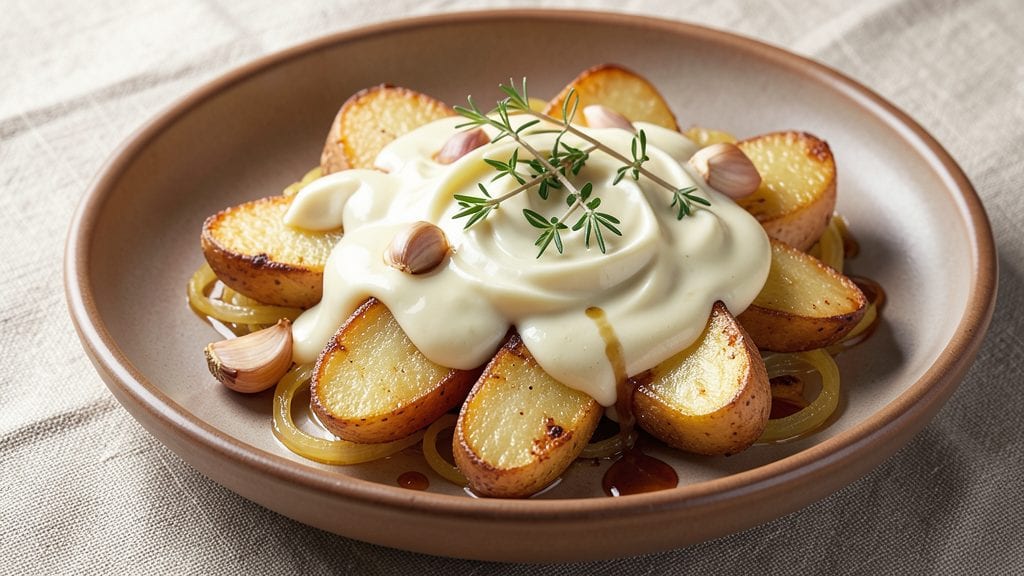
Pamela’s crispy-edged, garlic-infused Lyonnaise potatoes deliver the perfect balance of crispy edges and tender centers, just like a classic French bistro dish. 💛 This recipe transforms simple potatoes into a restaurant-worthy side with layers of savory garlic and caramelized onions.
The secret lies in slow-cooking the onions until deep golden and using just the right amount of butter to create that signature crispiness.
What sets this version apart is Pamela’s touch—adding a splash of white wine for brightness and fresh thyme for an aromatic finish. The potatoes cook in the same pan as the onions, absorbing all those rich, caramelized flavors.
This method ensures every bite is packed with depth without requiring fancy techniques or equipment.
By the time you serve these golden, crispy potatoes, your table will smell like a Parisian kitchen, and each forkful will deliver tender, buttery potatoes with perfectly caramelized onions and garlic.
The texture is what makes this dish truly special—crispy on the edges, tender inside, and infused with garlic that lingers just enough to satisfy.
This recipe works as a side for steak, chicken, or fish, or even as a vegetarian main with a fresh salad. The key is patience—letting the onions caramelize fully and the potatoes crisp up just right. Let’s get cooking!
Ingredients for lyonnaise potatoes pamela's
Russet potatoes, caramelized onions, and rich butter create Pamela's signature crispy-edged Lyonnaise potatoes.
| Ingredient | Amount | Notes |
|---|---|---|
| Russet Potatoes 🥔 | 2 lbs | Cut into 1/2-inch thick slices |
| Yellow Onions 🧅 | 2 large | Thinly sliced, about 2 cups |
| Unsalted Butter 🧈 | ¾ cup | European-style preferred for flavor |
| Garlic Cloves 🧄 | 6 cloves | Thinly sliced, about 2 tbsp |
| Dry White Wine 🍷 | ¼ cup | Sauvignon Blanc or Pinot Grigio |
| Fresh Thyme 🌿 | ¼ cup | Leaves only, finely chopped |
| Sea Salt 🧂 | 1 ½ tsp | Diamond Crystal preferred |
| Ground Black Pepper 🌶️ | ½ tsp | Freshly ground for best flavor |
| Olive Oil 🫒 | 1 tbsp | For crisping potatoes |
The onions are the foundation—yellow onions from Whole Foods or a well-stocked grocery store deliver the best flavor. Look for onions that are firm and dry, with no soft spots. European-style butter like Plugrá or Kerrygold adds depth that regular butter can't match. For the garlic, fresh cloves are non-negotiable; jarred minced garlic loses its aromatic punch. The thyme should be vibrant green, not wilted or yellowing. If you can't find fresh, dried thyme at one-third the amount works in a pinch, but fresh is ideal for that authentic bistro aroma.
No white wine? Chicken broth with a splash of lemon juice works beautifully. Substitute fennel bulb for half the onions if you want a slightly different flavor profile. For the butter, brown butter adds a nutty depth that pairs wonderfully with the caramelized onions. If you're short on time, pre-sliced onions from the salad bar section save prep work, though they won't caramelize as perfectly. The olive oil is just for crisping the potatoes—don't skimp here; a good extra-virgin olive oil makes all the difference in that final crisp.
Store any leftover potatoes in an airtight container for up to 3 days, but honestly, they're best eaten fresh. The onions and garlic can be prepped ahead and refrigerated for 2 days before cooking. For a restaurant-quality finish, serve immediately with a sprinkle of fresh thyme. These potatoes reheat beautifully in a 350°F oven for about 10 minutes, though the edges won't be quite as crisp. The wine and thyme flavors intensify as they sit, so if you're making this ahead, let it rest for 10 minutes before serving.
Why You'll Love This Recipe
- One-Pan Magic: I swear by this recipe because it’s all about minimal cleanup—just slice, roast, and deglaze. The onions caramelize right in the same pan where the potatoes crisp up, so you’re left with one sheet to wash. Honestly, I’ve made this on nights when I’d rather binge Netflix than scrub pots.
- Wine Kissed Crisp: That splash of dry white wine? It’s not just for show—it lifts the whole dish with a bright, almost buttery tang. The garlic and onions mingle with the wine’s acidity while the potatoes get that perfect contrast: golden edges, fluffy insides. Between us, it’s the kind of flavor that makes you pause mid-bite.
- Weeknight to Dinner Party: This recipe works whether you’re feeding yourself after a long day or impressing guests. For weeknights, I serve it as a side with steak or eggs. For company, I pile it high on a platter with a drizzle of extra butter and call it a small plate—no one judges, and no one leaves hungry.
- Budget-Friendly Staples: Russets and onions are cheap, and this recipe stretches them far. I’ve made it with leftover potatoes (yes, even the slightly soft ones) and still ended up with something ridiculously good. Plus, the butter and wine feel fancy, but you’re not breaking the bank—just smart shopping. My wallet and my taste buds agree.
Step-by-step instructions for Lyonnaise potatoes Pamela's recipe
Here's how to achieve that signature crispy edge and aromatic garlic-thyme balance every time.
🍳 Step 1: Sear the Potatoes Until Golden
Heat the 1 tablespoon olive oil in a large skillet over medium-high heat until shimmering. Add the 2 lbs russet potatoes cut into ½-inch slices in a single layer, leaving space between each piece. Let them cook undisturbed for 8-10 minutes until the edges develop a deep golden brown crust.
This initial sear creates the signature crispy texture. If the potatoes start to stick, gently press down with a spatula—just enough to maintain contact without breaking the crust. Flip each slice and cook another 6-8 minutes on the second side until evenly browned. Remove potatoes and set aside on a plate, leaving the rendered oil in the pan.
👨🍳 Step 2: Build the Garlic-Thyme Foundation
Reduce heat to medium and add the 2 large yellow onions sliced thinly. Cook for 5-6 minutes until softened and translucent. Add the 6 cloves garlic sliced thinly and the 0.25 cup fresh thyme leaves, stirring constantly for 30 seconds until fragrant but not browned.
Here's the thing—don't let the garlic burn. It should perfume the pan with its aroma before you add the wine. If it starts to darken too quickly, immediately reduce heat to low. Pour in the 0.25 cup dry white wine and scrape up any browned bits from the bottom—this captures all the flavor you've built.
🔥 Step 3: Melt the Butter and Finish Cooking
Add the 0.75 cup unsalted butter and let it melt completely, stirring occasionally. The butter should foam and then settle into a golden liquid. Return the potatoes to the pan, tossing gently to coat them in the butter mixture. Sprinkle with 1.5 teaspoons sea salt and 0.5 teaspoon ground black pepper, tossing again to distribute evenly.
Cover the pan and cook on medium-low heat for 8-10 minutes, stirring occasionally. The potatoes should absorb the garlic and thyme flavors while maintaining their crispy edges. You'll know they're done when they're tender when pierced with a fork but still hold their shape.
⏰ Step 4: Rest and Serve Immediately
Transfer the lyonnaise potatoes to a serving platter, arranging them neatly. Let them rest for 2-3 minutes—this allows the juices to redistribute and the flavors to meld. The potatoes should be crispy at the edges with tender centers, infused with garlic and thyme.
Serve immediately while still warm. The classic presentation features the crispy edges facing up, showcasing that perfect golden crust. Pair with a simple green salad or poached eggs for a complete French bistro experience.
Pro Tips For Making Lyonnaise Potatoes Pamela'S
- Peel Potatoes Thin: Russets have a thick skin that resists browning—shave off just the outer layer with a peeler, not the whole skin. I used to peel them too aggressively, and they’d turn to mush instead of crispy edges. A little patience here means better texture later.
- Slice Onions Evenly: Cut the yellow onions into ¼-inch-thick slices, all the same size. Uneven slices mean some cook faster and burn while others stay raw. Use a mandoline if you’re impatient—it’s faster and more consistent than a knife.
- Sweat Onions Low: Cook the onions over medium-low heat until translucent, not golden. High heat makes them bitter before they even hit the pan with the potatoes. This is where flavor builds—don’t rush it.
- Deglaze with Wine: After browning the potatoes and onions, pour in the white wine and let it simmer for 30 seconds. Scrape up every bit of browned bits from the pan—those are packed with flavor. Skipping this step means missing out on the richest part of the dish.
Creative variations of this lyonnaise potatoes pamela's
Herb-Infused Twist
Pamela’s recipe already features fresh thyme, but I love adding 1 tbsp chopped rosemary or ½ tsp dried tarragon for an extra layer of aroma. The rosemary pairs beautifully with the garlic and butter, while tarragon adds a subtle anise-like note that elevates the dish.
Add the herbs with the garlic—just 30 seconds before the wine—to preserve their bright flavors. 🌿
Cheesy Lyonnaise
For a decadent variation, sprinkle ½ cup grated Gruyère or Comté cheese over the potatoes in the final 2 minutes of cooking. The cheese melts into a creamy sauce that coats each crispy potato.
I recommend using a mandoline for even cheese distribution. This version pairs perfectly with steak or mushrooms.
Wine Reduction Shortcut
Short on time? Skip the wine and deglaze with ¼ cup chicken broth instead. For extra depth, add 1 tsp balsamic vinegar to the broth before using.
The acidity brightens the onions, and the umami from the broth enhances the garlic. This works surprisingly well—just reduce the broth by half before adding the butter.
Spicy Kick
Add heat with ½ tsp smoked paprika or ¼ tsp cayenne pepper when tossing the potatoes with butter. For a smoky-sweet contrast, stir in 1 tsp honey during the final 2 minutes of cooking.
This version is perfect for fall dinners or when you want to spice up a classic dish.
Vegetarian Protein Boost
Make this a hearty vegetarian main by adding ½ cup cooked lentils or ½ cup crumbled feta to the pan with the potatoes. The lentils soak up the garlic butter beautifully, while the feta adds a tangy contrast.
Serve with a side of crusty bread to soak up the extra sauce. 💛
Breakfast Lyonnaise
Transform these into a brunch star by adding 4 poached eggs on top just before serving. The runny yolks complement the crispy potatoes perfectly. For extra richness, fold in 2 tbsp crème fraîche into the butter mixture before adding the potatoes. This version is a showstopper for weekend brunches.
Nutrition facts
Frequently asked questions
Why do the potatoes need to be sliced so thickly?
Thick ½-inch slices ensure the potatoes cook evenly with crispy edges while staying tender inside. Thin slices would overcook before reaching that perfect golden crust. The thickness also helps them hold their shape when tossed with the garlic butter.
Can I use sweet potatoes instead of russets?
Sweet potatoes work but won't give the same texture—russets are starchier and create that classic crispy edge. For a hybrid version, try ½ russet, ½ sweet potato mix, but expect slightly softer edges. The flavor profile will be sweeter and more caramelized.
What if my onions burn before caramelizing?
Lower the heat to medium-low and cook them longer—this takes patience! If they start browning too quickly, add 1 tbsp water to steam them gently. The goal is deep golden color, not burnt bits. For faster results, use a nonstick pan with a lid to trap moisture.
How do I make these ahead of time?
Cook the potatoes and onions fully, then refrigerate in an airtight container for up to 2 days. Reheat in a 350°F oven for 10 minutes with a splash of water to restore crispiness. For best texture, serve fresh—edges won't be as crisp after reheating.
What's the best wine substitute if I don't have white wine?
Use ¼ cup chicken broth or apple cider for acidity. For depth, add 1 tsp lemon juice or ½ tsp Dijon mustard to the broth. The key is balancing the richness of the butter with something acidic to brighten the onions.