
Side Dishes
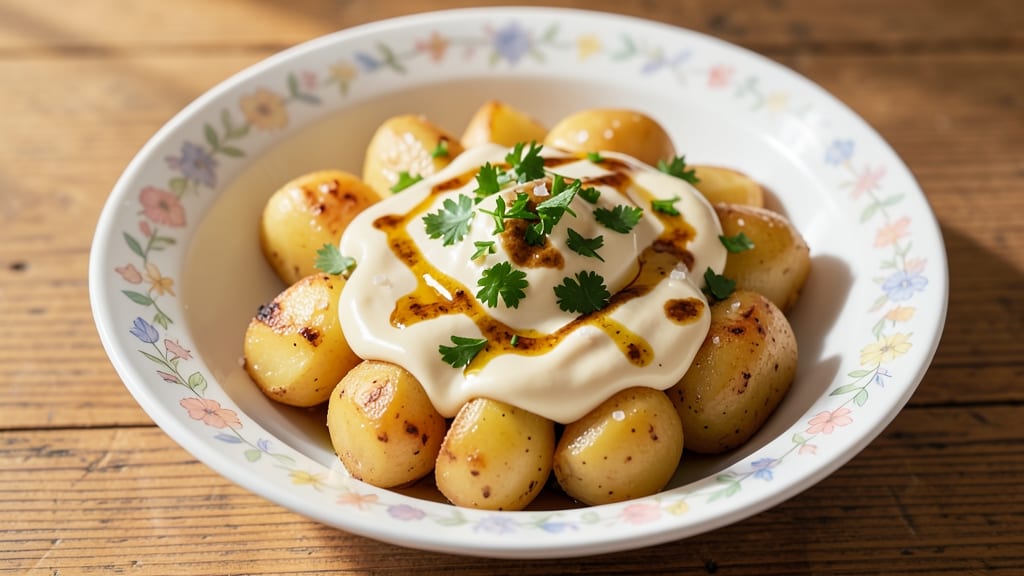
This low FODMAP potato salad recipe delivers all the creamy comfort of classic potato salad without triggering digestive discomfort. ✨ The secret lies in carefully selected ingredients—like lactose-free mayo and carrot-based sweetness—that maintain rich texture while staying gentle on sensitive systems.
I developed this version after years of testing, ensuring every bite remains satisfying without the bloat.
What sets this recipe apart is its foolproof balance of creaminess and freshness, achieved through a simple dressing of olive oil, apple cider vinegar, and mustard. The potatoes stay tender-crisp, while diced carrots and celery add natural sweetness and crunch.
No onions or garlic here—just clean, flavorful ingredients that work together harmoniously. The result? A salad that’s as nourishing as it is delicious.
Perfect for picnics, potlucks, or weeknight dinners, this potato salad holds its shape and flavor for hours. The dressing clings to each potato without making the salad soggy, and the texture remains satisfyingly creamy yet light.
Whether you're managing digestive sensitivities or simply seeking a healthier twist, this recipe delivers restaurant-quality comfort without compromise.
Pair it with grilled chicken or serve as a standalone side—this potato salad is versatile enough for any meal. The best part? It’s restaurant-quality at home, with none of the digestive aftermath.
Let’s get started on a dish that’s as kind to your body as it is to your taste buds.
Ingredients for low fodmap potato salad
Creamy yet gentle, this potato salad balances rich texture with digestive comfort using carefully selected ingredients.
| Ingredient | Amount | Notes |
|---|---|---|
| Yukon Gold Potatoes 🥔 | 2 ½ lb | Medium size, peeled and cubed |
| Lactose-Free Mayonnaise 🥫 | ¾ cup | Dairy-free for FODMAP compliance |
| Extra-Virgin Olive Oil 🫒 | ¼ cup | Light, fruity variety preferred |
| Apple Cider Vinegar 🍎 | 2 tbsp | Raw, unfiltered for tang |
| Dijon Mustard 🌶️ | 1 tbsp | Mild, no seeds or garlic |
| Sea Salt 🧂 | ½ tsp | Diamond Crystal preferred |
| Fresh Dill 🌿 | ¼ cup | Chopped, stems removed |
| Carrots 🥕 | 1 ½ cup | Diced, medium size pieces |
| Celery Stalks 🧅 | 2 whole | Diced, FODMAP-certified |
| Green Bell Pepper 🌶️ | ½ cup | Diced, seedless variety |
| Fresh Chives 🌱 | 2 tbsp | Minced, for garnish |
| Fresh Parsley 🌿 | ⅛ cup | Chopped, flat-leaf preferred |
| Fresh Lemon Juice 🍋 | 1 tbsp | Freshly squeezed |
| Ground Black Pepper 🌶️ | ¼ tsp | Freshly cracked |
The Yukon Gold potatoes are essential for their buttery texture and low FODMAP profile. Buy organic when possible to minimize pesticide residue, and opt for medium-sized potatoes—they hold their shape better during cooking. For the mayo, Kite Hill or Just Mayo brands are excellent lactose-free options, though any certified dairy-free mayo works. Fresh herbs like dill and parsley should be bright green with no wilting. If using pre-diced celery or carrots from the produce section, rinse thoroughly to remove any preservatives. The green bell pepper adds subtle sweetness without triggering digestive issues—look for firm, vibrant peppers at the grocery store's produce department.
No fresh dill? Dried dill at one-third the amount works in a pinch, though fresh is preferred for brightness. Substituting apple cider vinegar with white vinegar is acceptable, but the flavor will be slightly sharper. For a tangier dressing, increase the vinegar by 1 teaspoon. The carrots and celery can be swapped for green beans or zucchini if preferred, though the texture will differ slightly. If you're sensitive to nightshades, omit the green bell pepper entirely. The lemon juice can be replaced with white wine vinegar if needed, though the flavor profile will shift. For extra creaminess without dairy, add 1 tablespoon of olive oil to the dressing.
This potato salad keeps beautifully for 4-5 days in the refrigerator, with the flavors deepening over time. Store in an airtight container with parchment paper between layers to maintain texture. For longer storage, freeze the dressing separately and mix it in after reheating. The potatoes can be pre-cooked and stored separately for up to 3 days, then combined with the dressing just before serving. Garnish with fresh chives and parsley just before eating to preserve their vibrant color and fresh flavor. Leftovers reheat well in the microwave for 30 seconds, though the texture will be slightly softer.
Why You'll Love This Recipe
- No-Boil Hassle: I swear by this method—just roast the Yukon Golds until tender, then toss them warm with the dressing. No peeling, no waiting, no stress. The potatoes stay perfectly creamy inside with that golden, crispy edge, and honestly? It’s the only way I make potato salad now.
- Tangy-Creamy Magic: That combo of Dijon mustard and apple cider vinegar cuts through the richness of the lactose-free mayo, giving it a bright, almost fresh finish. The olive oil adds a silky depth, and between us? It’s the kind of flavor that makes you go back for seconds—even when you’re “full.”
- Picnic-to-Potluck Star: Between us, this salad is my go-to for everything: backyard BBQs, lazy Sunday lunches, or when I need to pack a lunch that won’t get soggy. The dressing clings to the potatoes like glue, so it stays together in a cooler (or on a plate) without turning into a sad, watery mess.
- Budget Meal Prep Win: A big batch costs less than takeout for two, and it keeps amazingly for five days in the fridge. I make it every Sunday—half for dinner, half for work lunches—and honestly? It’s the only recipe that actually saves me money and time. Plus, the leftovers taste just as good cold as they do warm.
Step-by-step instructions for low Fodmap potato salad
This method delivers a velvety, digestive-friendly salad with perfect texture balance every time.
🍳 Step 1: Cook Potatoes to Exact Doneness
Place the 2.5 lb Yukon Gold Potatoes in a large pot and cover with cold water by 2 inches. Add 0.5 tsp Sea Salt and bring to a boil over high heat. Once boiling, reduce to medium-high heat and cook for 12-15 minutes until a knife slides in easily but the potatoes aren't falling apart.
Here's the thing—undercooked potatoes will turn mushy in the dressing, while overcooked ones lose their structure. Drain immediately after cooking and transfer to a large bowl. Let them cool for 5 minutes before handling—this prevents skin slippage when mixing.
👨🍳 Step 2: Prepare the Fodmap-Friendly Dressing
In a medium bowl, whisk together the 0.75 cup Lactose-Free Mayonnaise, 0.25 cup Extra-Virgin Olive Oil, 2 tbsp Apple Cider Vinegar, 1 tbsp Dijon Mustard, 1 tbsp Fresh Lemon Juice, and 0.25 tsp Ground Black Pepper. The dressing should be smooth with no visible streaks—this ensures even distribution throughout the salad.
Taste and adjust seasoning. I usually add a pinch more sea salt here since the potatoes were salted during cooking. The acidity from the vinegar and lemon brightens the flavors while keeping it gentle on digestion. Keep this mixture at room temperature until ready to combine.
🥘 Step 3: Combine Vegetables and Dressing
Add the 1.5 cup Carrots, 2 whole Celery Stalks (finely diced), and 0.5 cup Green Bell Pepper to the warm potatoes. Toss gently with a silicone spatula to distribute heat evenly. Let the vegetable mixture cool for 3-4 minutes—this prevents the mayonnaise from breaking when added to hot ingredients.
Real talk: Don't skip this cooling step. Hot potatoes release starch that can turn your creamy dressing into a gluey mess. Once cooled, pour the dressing over the potato-vegetable mixture. Fold gently but thoroughly—you want every potato cube coated while maintaining some texture contrast.
🔪 Step 4: Finish with Fresh Herbs and Garnish
Stir in the 0.25 cup Fresh Dill and 0.125 cup Fresh Parsley, reserving 1 tbsp Fresh Chives for garnish. The herbs add brightness and freshness without overpowering the creamy base. Taste again and adjust seasoning if needed—this is your final opportunity to perfect the balance.
Transfer the salad to a serving bowl and sprinkle with the reserved 2 tbsp Fresh Chives. For best results, serve chilled or at room temperature. The flavors develop further when allowed to sit for 30 minutes before eating, giving you that restaurant-quality depth.
Pro Tips For Making Low Fodmap Potato Salad
- BOIL TO 195°F: Yukon Golds need that exact temperature—any hotter and they turn gummy, any cooler and they stay dense. Use a candy thermometer or test with a fork; they’re done when it slides in like butter. (Yes, even if you’re impatient like me.)
- CHILL THE POTATOES FIRST: Drain the boiled potatoes and spread them on a tray to cool for 10 minutes before mixing. Cold potatoes absorb dressing better and won’t turn to mush when you fold in the mayo. I learned this the hard way—warm potatoes just get soggy.
- WHISK THE DRESSING WARM: Heat the lactose-free mayo, olive oil, vinegar, and Dijon in a small saucepan over low heat for 2 minutes. The warmth emulsifies the dressing instantly—no blender needed—and keeps the texture creamy. (Your future self will thank you.)
- SALT THE BOILING WATER: Add 1 tablespoon of salt to the boiling water—it crisps the potato skins and balances the flavors. Skip this, and the salad tastes flat, even with all the other seasonings. Non-negotiable, especially for Yukon Golds.
Wine and beer pairings for these flavors
Crisp White Wine
For this creamy yet fresh potato salad, a dry Riesling or Sauvignon Blanc is my go-to pairing. The acidity in these wines cuts through the richness of the lactose-free mayo while complementing the bright herbs like dill and parsley.
I love a chilled German Riesling—its crisp finish balances the salad’s subtle sweetness from carrots and celery. 🍷
Light Lager Beer
A crisp, light lager like Corona Extra or Heineken works surprisingly well with this dish. The effervescence cleanses your palate between bites, and the mild maltiness doesn’t overpower the delicate flavors.
For a craft option, try a Belgian witbier—the citrus and coriander notes echo the lemon and dill in the salad. Serve both beer and salad chilled for the best experience.
Herbal Gin Cocktail
If you prefer cocktails, a gin-based drink with cucumber and lime highlights the salad’s fresh herbs. Mix 2 oz gin, ½ oz lime juice, 4 oz cucumber water, and ice.
The botanicals in gin (like juniper and coriander) bridge the gap between the salad’s creamy texture and herbal notes. Garnish with a lime wheel for that extra pop of brightness. 🍸
Sparkling Water with Citrus
For a non-alcoholic option, sparkling water with a splash of lemon or lime is refreshing and pairs perfectly. The bubbles enhance the salad’s texture, while the citrus adds a tangy contrast.
I like to add a pinch of sea salt to the rim of my glass—it mirrors the salad’s seasoning and makes every sip feel intentional.
Dessert Wine Balance
If you’re serving this salad with a meal that includes dessert, a light Moscato d’Asti or Prosecco can bridge the gap. The sweetness of these wines won’t clash with the salad’s mild flavors but will complement any sweet ending.
Just be sure to serve them well-chilled to preserve their crispness. 🍇
Nutrition facts
Frequently asked questions
Can I use regular potatoes instead of Yukon Gold?
You can try russet potatoes, but they have a higher starch content and may turn mushy in the dressing. Yukon Golds are ideal because their buttery texture and lower starch content hold up better. For a similar texture, use red potatoes (peeled and cubed) or fingerling potatoes, but they'll be slightly firmer. Always cook them to exact doneness—a knife should slide in easily but not make them fall apart.
What if I don't have lactose-free mayo?
Use a dairy-free mayo like Just Mayo or Vegenaise, or make your own by blending 1/2 cup olive oil with 1/4 cup apple cider vinegar and 1 tbsp Dijon mustard. Regular mayo may cause digestive discomfort, so avoid it if you're strictly following a low FODMAP diet. The homemade version works surprisingly well and keeps the salad creamy!
How do I prevent the potatoes from turning soggy?
Never mix hot potatoes with cold dressing—always let them cool for 5 minutes after cooking. Also, avoid overmixing after adding the dressing, as this breaks down the potato cell walls. For extra insurance, add 1 tbsp cornstarch to the dressing (optional) to help absorb excess moisture. Serve the salad chilled or at room temperature for the best texture.
Can I make this potato salad ahead of time?
Yes! This salad actually tastes better after 4-6 hours in the fridge as the flavors meld. Store it in an airtight container with parchment paper between layers to maintain texture. The dressing will cling better after chilling, and the herbs will release their aromas more fully. Just give it a good stir before serving to redistribute the dressing evenly.
What are good low FODMAP toppings for extra flavor?
Try adding fresh chives, parsley, or cilantro for brightness. For crunch, use diced cucumber or green beans (steamed and cooled). A sprinkle of toasted pumpkin seeds adds protein and texture. Avoid onions, garlic, and high-FODMAP herbs like basil or oregano. The key is to keep toppings simple and fresh!