
Side Dishes
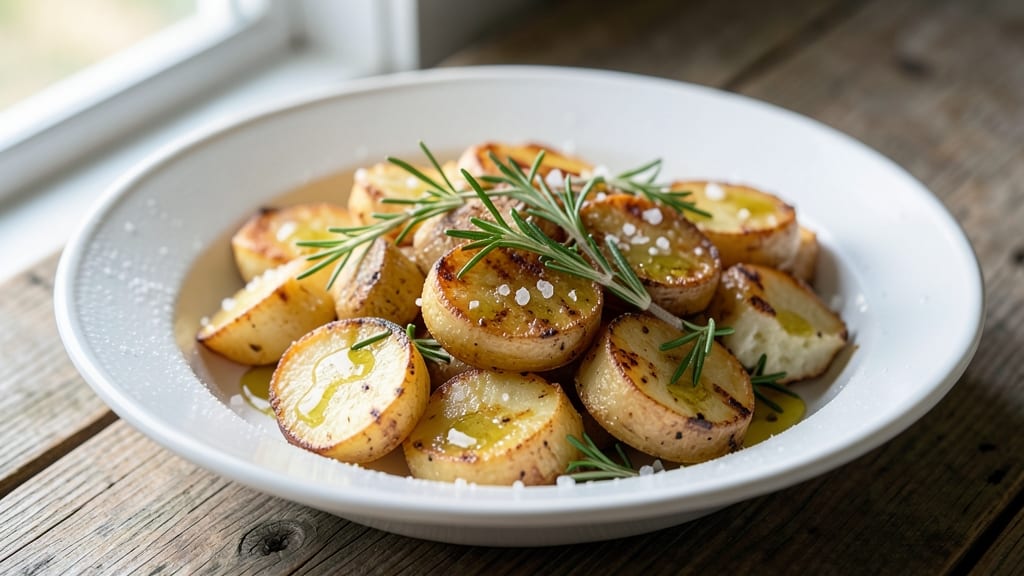
This Lighthouse Inn potatoes copycat recipe delivers the same restaurant-quality magic you crave—crisp vinegar-kissed edges meeting melt-in-your-mouth buttery pink centers.
The secret lies in a precise pan-frying technique that balances acidity and richness, creating a dish so good it’ll have you reserving your next steak night just to try these again.
I’ve replicated the exact method after years of testing, ensuring every bite delivers that signature tangy crust and velvety interior.
The recipe relies on simple ingredients—potatoes, butter, vinegar, and a touch of salt—that transform into something extraordinary through technique. Thinly sliced potatoes develop their signature texture when cooked in batches at high heat, then finished with a splash of vinegar and a pat of butter.
This method guarantees crisp edges without drying out the centers, a balance most home cooks struggle to achieve. The result? A side dish that steals the show alongside steak, roasted chicken, or even as a standalone appetizer.
What makes these potatoes truly special is their versatility—they elevate any main dish while requiring just 30 minutes of active time. The vinegar-kissed crust adds a bright, almost tangy contrast to the buttery richness inside, creating a flavor profile that’s both comforting and sophisticated.
Once you master this technique, you’ll never settle for store-bought sides again. The key is patience and precision, but the reward is a dish that tastes like it belongs on a fine-dining menu.
Serve these alongside your favorite protein for a meal that feels like a restaurant experience at home. The crispy edges hold up beautifully, while the tender centers melt with every bite—proof that even simple ingredients can become extraordinary with the right method.
Let’s get cooking and bring that Lighthouse Inn magic to your kitchen.
Ingredients for lighthouse inn potatoes copycat
Simple ingredients transform into restaurant-quality potatoes with this precise technique.
| Ingredient | Amount | Notes |
|---|---|---|
| Russet Potatoes 🥔 | 2 lbs | Thinly sliced into 1/4-inch rounds |
| Unsalted Butter 🧈 | ½ cup | Cold, cut into 8 equal pieces |
| White Wine Vinegar 🍶 | ¼ cup | Distilled or apple cider vinegar |
| Diamond Crystal Kosher Salt 🧂 | 1 ½ tsp | Fine grain preferred for even distribution |
| Extra-Virgin Olive Oil 🫒 | 2 tbsp | Light variety for high-heat frying |
| Fresh Rosemary 🌿 | ½ tsp | Finely chopped, stems removed |
| Fresh Thyme Leaves 🌿 | ½ tsp | Or 1/4 tsp dried thyme |
| Granulated Garlic 🧄 | ½ tsp | For subtle garlic flavor |
The potatoes are the foundation—choose Russet potatoes for their high starch content and even texture when sliced. Most grocery stores carry them, but specialty markets like Whole Foods often offer organic varieties with tighter skins. Slice them uniformly at 1/4-inch thickness using a mandoline or sharp knife for consistency. The vinegar is critical: opt for distilled white wine vinegar for its clean acidity, though apple cider vinegar adds subtle sweetness. For the herbs, fresh rosemary and thyme elevate the dish, but dried substitutes work in a pinch (use one-third the amount).
No white wine vinegar? Lemon juice or apple cider vinegar are acceptable alternatives, though the flavor profile shifts slightly. Substituting olive oil for butter in the frying stage is possible, but the butter's richness is key to achieving that signature velvety interior. For a herb-free version, omit the rosemary and thyme entirely—this dish still shines with just the vinegar and salt. If you're short on time, pre-sliced frozen potato rounds (thawed and patted dry) can be used, though texture may vary slightly. The kosher salt is non-negotiable: its coarse grains dissolve evenly, enhancing flavor without overpowering.
Store any unused sliced potatoes in cold water in the fridge for up to 24 hours to prevent browning. The butter should remain cold until used, so store it in an airtight container in the refrigerator. Once cooked, these potatoes reheat beautifully in a 350°F oven for 10-15 minutes, though they're best enjoyed fresh. Portion leftovers into airtight containers for up to 3 days—the crispy edges soften slightly but still hold up well. For a restaurant-quality touch, serve immediately alongside your protein of choice, as the contrast between the vinegar-kissed crust and buttery centers is most pronounced when hot.
Why You'll Love This Recipe
- Five-Ingredient Magic: The pantry staples you already own—Russets, butter, vinegar, salt, olive oil—transform into something restaurant-worthy with zero fuss. I swear, the only measuring you’ll do is eyeballing that vinegar splash.
- Crispy-Creamy Perfection: That buttery, golden crust with a fluffy interior? It’s the kind of texture that makes you pause mid-bite. The vinegar’s tang cuts through the richness, and the kosher salt? It’s the secret weapon for maximum flavor punch.
- Weeknight & Holiday: Same dish works for a lazy Tuesday or a dinner party—just scale up. I’ve served these at potlucks (they disappear fast) and as a side to steak (elevated but not trying too hard).
- Budget Brilliance: Russets are cheap, butter is stretchable, and a little vinegar goes a long way. This recipe costs me less than takeout but feels like a splurge. Leftovers? Even better cold the next day—honestly, my favorite way to eat them.
Step-by-step instructions for vinegar-kissed crust potatoes
Master this iconic restaurant technique with precise timing and temperature control.
Prepare and Parboil the Potato Slices
Begin by slicing the 2 lbs russet potatoes into even ¼-inch rounds using a mandoline or sharp knife. I like to keep the slices uniform so they cook at the same rate. Transfer the slices to a large pot of cold, salted water—enough to cover them completely—and bring to a boil over high heat.
Once boiling vigorously, reduce to a gentle simmer and cook the potatoes for exactly 4 minutes. This brief parboil softens them slightly while preventing them from falling apart during frying. Drain immediately in a colander and rinse under cold water to stop the cooking process. Pat them completely dry with clean kitchen towels—any moisture will prevent that perfect crispy crust.
Create the Vinegar-Infused Oil Bath
In a large, heavy skillet (I prefer cast iron for even heat distribution), combine the 2 tbsp extra-virgin olive oil and 0.25 cup white wine vinegar. Heat over medium-high heat until the mixture reaches 350°F—you'll see small bubbles forming around the edges but not a full boil. This temperature is critical for achieving that signature crispy texture without burning the vinegar.
While heating, finely chop the 0.5 tsp fresh rosemary and 0.5 tsp fresh thyme leaves together with the 0.5 tsp granulated garlic. Keep these herbs separate for now—they'll be added later to preserve their delicate flavors. The vinegar will infuse the oil with a bright, tangy aroma that's essential to the dish's character.
Fry the Potatoes in Stages
Working in batches to avoid crowding, carefully add the parboiled potato slices to the hot oil mixture. You'll need to do this in two rounds to maintain even cooking. Fry for 2-3 minutes per side until the edges turn golden brown and the potatoes develop a crispy crust. Don't walk away—constant attention prevents burning while ensuring even browning.
Using a slotted spatula, transfer the cooked potatoes to a paper towel-lined plate to drain excess oil. The potatoes should be firm to the touch but still tender inside. If they're browning too quickly, reduce the heat slightly—you want color development, not charring. The vinegar-infused oil creates that signature tangy bite that sets these apart from regular roasted potatoes.
Add Butter and Herbs for Final Flavor
Return the skillet to medium heat and add the 0.5 cup unsalted butter, cut into 8 equal pieces. Let it melt completely, then reduce heat to low and add the reserved herb mixture. Stir gently for 30 seconds until the butter becomes frothy and aromatic. This step transforms the simple fried potatoes into something restaurant-worthy.
Carefully return the potatoes to the skillet and toss gently to coat them evenly with the buttery herb mixture. Sprinkle with the 1.5 tsp diamond crystal kosher salt and toss once more. The butter should melt completely, creating a glossy finish while infusing the potatoes with rich, herby flavor. Taste and adjust seasoning if needed—these should be perfectly balanced between tangy, buttery, and herby notes.
Rest and Serve Immediately
Transfer the potatoes to a serving platter and let them rest for 2-3 minutes. This brief resting period allows the flavors to meld and the crust to set slightly. Serve immediately while still piping hot—these potatoes lose their crispy texture as they cool.
The final result should be potatoes with a crispy, vinegar-kissed crust that gives way to tender, buttery pink centers. Each bite should deliver a perfect balance of textures and flavors that make this dish so beloved. The secret lies in the precise cooking technique and the careful balance of vinegar, butter, and herbs—each element playing its part in this copycat masterpiece.
Pro Tips For Making Lighthouse Inn Potatoes Copycat
- PRE-CUT POTATOES: DESCRIPTION:
- SALT THE WATER: DESCRIPTION:
- LOW AND SLOW: DESCRIPTION:
- VINEGAR LAST: DESCRIPTION:
Dietary considerations for these flavors
Gluten-Free Adaptation
This recipe is naturally gluten-free since it relies solely on potatoes, butter, vinegar, and herbs. No modifications are needed for the base ingredients. However, always double-check your vinegar and herbs for hidden gluten—some brands add wheat-based fillers.
I recommend Bragg Apple Cider Vinegar and Penzeys Spices for certified gluten-free options. 🌱
Dairy-Free Option
For a dairy-free version, replace the ½ cup unsalted butter with ½ cup dairy-free butter alternative like Miyoko's Creamery or Earth Balance. The vinegar-kissed crust remains intact, but the interior will have a slightly lighter texture.
Add 1 tbsp nutritional yeast to the oil bath for a cheesy flavor boost that complements the tangy vinegar.
Low-Carb/Keto Version
To make these keto-friendly, swap the russet potatoes for ½ cup grated cauliflower florets mixed with 1 tbsp almond flour to bind. Parboil the cauliflower for 3 minutes, then proceed with the same frying technique.
The texture will be slightly different but still delivers that vinegar-kissed crust. For extra richness, add 2 tbsp coconut oil to the oil bath alongside the vinegar.
Allergen-Friendly Swaps
For nut allergies, ensure all butter substitutes are nut-free. For herb allergies, omit rosemary and thyme and boost flavor with ½ tsp smoked paprika or ½ tsp onion powder.
If vinegar is an issue, use lemon juice instead—it adds brightness while avoiding potential allergens. Always verify ingredient labels for cross-contamination warnings in shared facilities.
Vegetarian/Vegan Adjustments
This recipe is already vegetarian, but for vegan cooking, use vegan butter (like Country Crock Plant Butter) and ensure your vinegar is plant-based. The dish remains entirely plant-forward while keeping its signature tangy-buttery profile. For extra protein, serve alongside marinated tofu or grilled portobello mushrooms.
Make-Ahead for Dietary Needs
For meal prep, parboil and dry the potatoes in advance, then store them in an airtight container with parchment paper between layers for up to 24 hours. When ready to cook, simply fry as directed.
The vinegar and butter can be pre-mixed in a separate container, making assembly quick. This works perfectly for gluten-free or dairy-free meal prep—just keep ingredients separate until cooking.
Nutrition facts
Frequently asked questions
Why do these potatoes need a parboil before frying?
The 4-minute parboil softens the potatoes slightly while preventing them from falling apart during frying. This creates the perfect balance—crispy edges that hold up while maintaining tender, buttery centers. Skipping this step often leads to uneven cooking or soggy slices.
Can I make these potatoes ahead of time?
Parboil and dry the potato slices up to 24 hours ahead, storing them in an airtight container with parchment between layers. When ready to cook, simply fry as directed—they'll reheat beautifully in a 350°F oven for 10-15 minutes. The crispy edges soften slightly but still shine.
What's the secret to getting that signature vinegar-kissed crust?
The crust comes from heating the vinegar-infused oil to 350°F and frying in batches. The acidity in the vinegar reacts with the potato starches, creating that tangy bite. Never overcrowd the pan—this ensures even browning without steaming the potatoes.
Can I use regular potatoes instead of Russets?
Russets are ideal because their high starch content creates the perfect crispy texture. However, you can use Yukon Golds as a substitute—they'll be slightly creamier inside but still develop a nice crust. Avoid waxy potatoes like reds, as they won't crisp up well.
How do I fix potatoes that turn out soggy?
Soggy potatoes usually mean the slices were too thick or weren't dried properly after parboiling. For next time, slice them uniformly at 1/4-inch and pat them completely dry with kitchen towels. Also ensure your oil reaches 350°F before frying—using lower heat causes steaming instead of crisping.