
Main Courses
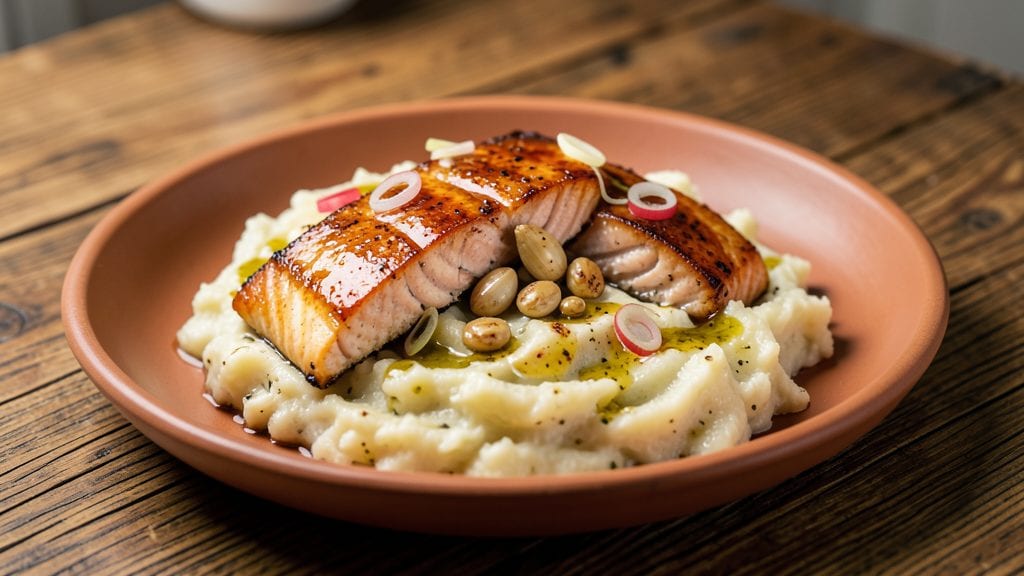
Transforming leftover salmon and potatoes into a crispy-skinned hash with flaky fish magic is one of my favorite ways to minimize waste while maximizing flavor.
The key lies in proper reheating techniques that restore the salmon's tenderness while creating a golden, crispy crust on the potatoes—no one will guess these started as leftovers.
I developed this method after realizing how often perfectly good salmon and potatoes ended up forgotten in the fridge, and it’s become a go-to for quick, satisfying meals.
This recipe turns simple ingredients into a restaurant-worthy dish with minimal effort. The potatoes get pan-fried until crispy on the edges while the salmon reheats gently, absorbing just enough flavor from the pan to stay moist and flaky.
The result is a hearty, protein-packed meal that feels indulgent without requiring much time or skill. Perfect for busy weeknights, this dish delivers professional-quality results with just a few basic techniques.
What you’ll end up with is a plate of golden, crispy potato hash topped with perfectly flaky salmon, all seasoned to taste like a fresh-cooked meal. The textures contrast beautifully—crispy potatoes underneath, tender fish on top—while the flavors come together in a way that feels intentional and satisfying.
This is the kind of recipe that proves leftovers can be even better the second time around.
Serve with a dollop of sour cream or a sprinkle of fresh herbs to elevate the dish further. The method is flexible enough to work with other proteins or vegetables, making it a versatile solution for repurposing meals. Let’s turn those leftovers into something extraordinary.
Ingredients for leftover salmon and potato
Simple leftovers transformed into restaurant-quality hash with crispy potatoes and flaky salmon magic.
| Ingredient | Amount | Notes |
|---|---|---|
| Leftover Salmon Fillets 🐟 | 1 ½ lb | Chopped into bite-sized pieces |
| Leftover Potatoes 🥔 | 3 cups | Diced into 1/2-inch pieces |
| Unsalted Butter 🧈 | 4 tbsp | Full-fat for crispy crust |
| Extra-Virgin Olive Oil 🫒 | 2 tbsp | For high-heat searing |
| Shallots 🧅 | 2 whole | Finely minced for depth |
| Garlic Cloves 🧄 | 3 cloves | Minced for aromatic base |
| Dijon Mustard 🍯 | 1 tbsp | For subtle tang |
| Fresh Dill 🌿 | ¼ cup | Chopped, for brightness |
| Lemon Juice 🍋 | 1 tbsp | Freshly squeezed |
| Salt 🧂 | 1 tsp | Kosher or sea salt |
| Black Pepper 🌶️ | ½ tsp | Freshly ground preferred |
| Sour Cream 🥛 | ¼ cup | For serving, optional |
| Fresh Parsley 🌿 | 0.1 cup | Chopped, for garnish |
The potatoes are the foundation—firm varieties like Yukon Gold or Russet work best since they hold up to reheating. If yours are soft, pat them dry thoroughly before cooking to ensure crispiness. For the salmon, skin-on fillets reheat better than skinless, but either works. Look for freshness in the salmon—it should smell clean and firm to the touch. The butter matters here; European-style unsalted butter like Plugrá or President melts beautifully without overpowering. Grab a small wedge from the deli counter if you're unsure about brands.
No fresh dill? Dried dill at one-third the amount works in a pinch, though fresh is ideal. Short on shallots? One small red onion, finely chopped does the trick. The lemon juice can be substituted with white wine vinegar if needed, but fresh is always better. For extra crispiness, panko breadcrumbs mixed with a pinch of salt can be sprinkled on the potatoes mid-cooking. The potatoes should be diced evenly—about 1/2-inch pieces ensures they cook through without burning. If your leftovers are cold, let them sit at room temperature for 10 minutes before cooking to even out the temperature.
This hash reheats beautifully—store in an airtight container for up to 3 days in the fridge. For longer storage, freeze portions for up to 2 months. The salmon stays flaky when reheated gently, so avoid microwaving. For serving, keep the sour cream and parsley at room temperature—they'll brighten up the dish instantly. Double the batch and freeze half; it’s perfect for lazy weeknight dinners when you’ve got nothing but leftovers on hand.
Why You'll Love This Recipe
- Zero-Waste Magic: I swear by this trick—turning last night’s salmon and potatoes into something new instead of tossing them. Just chop, sear, and let the butter and shallots work their flavor spell.
- Buttery Crispy Bliss: That golden crust on the potatoes? Pure satisfaction. The butter and olive oil combo turns floppy leftovers into crispy, rich bites—no fancy technique needed.
- Weeknight Superhero: Honestly, this feeds four in 20 minutes. Toss it together while you wait for the bus, or make it while scrolling through your phone. Done before you realize you’re hungry.
- Budget Dinner Win: Between us, this recipe costs me half what takeout does. Uses what’s already in your fridge, stretches a meal, and still feels like a restaurant dish. My wallet thanks me every time.
Step-by-step instructions for leftover salmon and potatoes recipe
Transform your leftovers into a restaurant-worthy dish with this crispy-skinned hash method.
Prep and Par-Cook the Potatoes
Place the 3 cups leftover potatoes in a medium saucepan and cover with cold water by about 1 inch. Add 1 teaspoon salt and bring to a boil over medium-high heat. Once boiling, reduce to a simmer and cook for 8-10 minutes until the potatoes are fork-tender but not falling apart.
Drain immediately and transfer to a clean kitchen towel to absorb excess moisture. This par-cooking ensures your potatoes will crisp beautifully in the skillet without steaming. Let them cool slightly before proceeding—warm potatoes crisp better than cold ones straight from the fridge.
Build the Flavor Base and Sear the Salmon
Heat 2 tablespoons extra-virgin olive oil in a large cast-iron skillet over medium-high heat until shimmering. Add the 2 whole shallots and cook for 3-4 minutes until softened and translucent. Stir in the 3 cloves garlic and cook for 30 seconds until fragrant—don't let it brown or it'll turn bitter.
Push the shallot mixture to one side of the skillet and add the 1.5 lb leftover salmon fillets, chopped into bite-sized pieces. Sear for 3-4 minutes until the salmon pieces are golden brown and crispy around the edges. The high heat creates that perfect crust while keeping the fish flaky inside. Remove the salmon and set aside temporarily.
Create the Crispy Potato Hash Layer
Increase heat to medium-high and add 2 tablespoons unsalted butter to the skillet. Once melted, add the par-cooked potatoes in a single layer, spreading them evenly. Let them cook undisturbed for 4-5 minutes until the underside develops golden-brown spots and crispy edges.
Use a spatula to gently flip and press down on the potatoes, working in batches if needed. This creates that signature crispy hash texture while keeping the insides tender. Cook for another 3-4 minutes until most pieces are golden brown with crispy edges. The butter will foam and sizzle—this is when the magic happens.
Combine and Finish with Fresh Herbs
Return the salmon pieces to the skillet with the potatoes. Stir in the 1 tablespoon Dijon mustard and 1 tablespoon lemon juice, coating everything evenly. Sprinkle with the 0.25 cup chopped fresh dill and 0.5 teaspoon black pepper, tossing gently to combine. Cook for 1-2 minutes until everything is heated through and the flavors meld.
Taste and adjust seasoning with additional salt if needed. The hash should have a balance of crispy edges, flaky salmon, and tender potatoes with bright herb notes. Remove from heat and let sit for 1 minute to allow the flavors to settle.
Serve with Fresh Garnish
Transfer the hash to serving plates and dollop each portion with 1 tablespoon sour cream. Garnish with the 0.1 cup chopped fresh parsley for a pop of color and freshness. The contrast between the crispy hash, flaky salmon, and cool sour cream creates an irresistible texture combination.
Serve immediately while everything is hot and crispy. The hash keeps well for 10-15 minutes if covered loosely with foil, but it's best enjoyed right away when the textures are at their peak. This method transforms simple leftovers into a satisfying, restaurant-quality dish with minimal effort.
Pro Tips For Making Leftover Salmon And Potato
- Flake the Salmon Right: Use two forks—one in each hand—to gently pull apart the salmon into chunks, not shreds. Leftover salmon gets rubbery when overworked, so keep your hands steady and resist the urge to force it. (Yes, it’ll look uneven, but that’s how you know it’s actually flaking properly.)
- Sear Shallots Low and Slow: Shallots caramelize best when cooked at medium-low heat for 8–10 minutes, not blasted on high. I learned this the hard way—burnt shallots taste bitter, and no amount of butter can save them. Stir occasionally and let them develop color gradually.
- Dry the Potatoes Thoroughly: Pat those leftover potatoes with a clean kitchen towel until they’re actually dry—no damp spots. Cold, wet potatoes steam instead of crisp up, and you’ll end up with sad, gummy bits. (I know, it’s tedious, but it’s the thing that matters most.)
- Butter in Stages: Don’t dump all the butter in at once—melt half first, then add the rest later. This keeps the potatoes from getting greasy while still letting the butter coat everything evenly. (Sounds weird, but it works: the first batch of butter crisps the potatoes, and the second one binds everything together.)
Best sauces and condiments for this leftover salmon and potato
Creamy Dill Sauce
This bright, tangy sauce elevates your hash by balancing the richness of the salmon and crispy potatoes.
Whisk together ½ cup sour cream, 1 tablespoon fresh lemon juice, 1 tablespoon chopped fresh dill, ½ teaspoon Dijon mustard, ¼ teaspoon salt, and a pinch of black pepper. For extra richness, stir in 1 teaspoon melted butter.
Serve as a drizzle or dollop on top—it adds a cooling contrast that makes every bite feel special. 💛
Garlic-Herb Aioli
For a bold, aromatic twist, blend ½ cup mayonnaise, 1 minced garlic clove, 1 tablespoon chopped fresh parsley, ½ teaspoon lemon zest, and ¼ teaspoon salt until smooth. Thin with 1 teaspoon water if needed.
This aioli pairs beautifully with the crispy hash, adding a luxurious texture that complements the flaky salmon. Spread a thin layer on top or serve on the side for dipping. 🌿
Lemon-Caper Vinaigrette
Brighten the dish with a tangy vinaigrette that cuts through the richness. Whisk 3 tablespoons extra-virgin olive oil, 1 tablespoon lemon juice, 1 teaspoon capers (chopped), ½ teaspoon Dijon mustard, ¼ teaspoon salt, and a few drops of hot sauce if you like heat.
Drizzle over the hash just before serving to keep the potatoes crispy. The capers add a briny depth that enhances the salmon’s natural flavor. ✨
Spicy Sriracha Mayo
For a kick, mix ¼ cup mayonnaise, 1 teaspoon sriracha, ½ teaspoon honey, and ½ teaspoon lime juice until well combined. This spicy mayo adds a bold contrast to the crispy hash, balancing the richness with a fiery finish.
Dollop on top or serve on the side for those who love heat. The sweetness of the honey also helps mellow the spice slightly. 🌶️
Classic Béarnaise
For a gourmet touch, prepare a classic béarnaise by whisking ½ cup melted butter into a sauce made from 2 tablespoons white wine vinegar, 1 tablespoon fresh tarragon, 1 shallot (finely minced), and 1 egg yolk.
Strain and drizzle over the hash tableside for an elegant finish. The herbal notes of tarragon complement the salmon beautifully, adding a refined layer of flavor. 🍷
Simple Butter Sauce
When you want to keep it simple, melt 2 tablespoons unsalted butter in a small saucepan over low heat. Stir in 1 teaspoon lemon juice and ½ teaspoon fresh dill, then whisk until smooth.
Pour over the hash just before serving to keep the potatoes crispy while adding a velvety finish. This sauce is foolproof and highlights the natural flavors of the dish without overpowering them. 🧈
Nutrition facts
Frequently asked questions
Can I use any type of potato for this recipe?
Stick with waxy potatoes like Yukon Gold or red potatoes for best results—they hold their shape when reheated. Russets work too but can turn gummy. Avoid starchy potatoes like Russets if you want perfect crispiness. Pat them dry before cooking to maximize that golden crust!
How do I prevent the salmon from drying out when reheating?
Keep the heat medium-high and cook the salmon pieces in batches if needed. The key is quick searing—just 3-4 minutes per batch—to create a crispy exterior while keeping the inside moist. Add a splash of water or lemon juice to the pan to create steam and preserve tenderness.
Can I make this dish ahead of time?
Yes! Assemble the hash up to 2 days in advance and refrigerate in an airtight container. Reheat in a skillet over medium heat for 5-7 minutes, adding a splash of water to restore crispiness. For freezing, cook the potatoes and salmon separately, then combine when ready to reheat.
What if my potatoes aren't crispy after reheating?
This usually happens if they weren't dried properly or cooked at too low heat. Next time, pat them thoroughly with a towel and sear in batches over medium-high heat. For extra crispiness, sprinkle with panko breadcrumbs during the last minute of cooking.
Can I substitute another protein for the salmon?
Try chicken thighs, shrimp, or even crispy tofu for a vegetarian version. Adjust cooking times—chicken needs 5-6 minutes per side, while shrimp cooks in just 2-3 minutes. The potato base remains the same, so the dish still delivers that satisfying texture contrast.