
Side Dishes
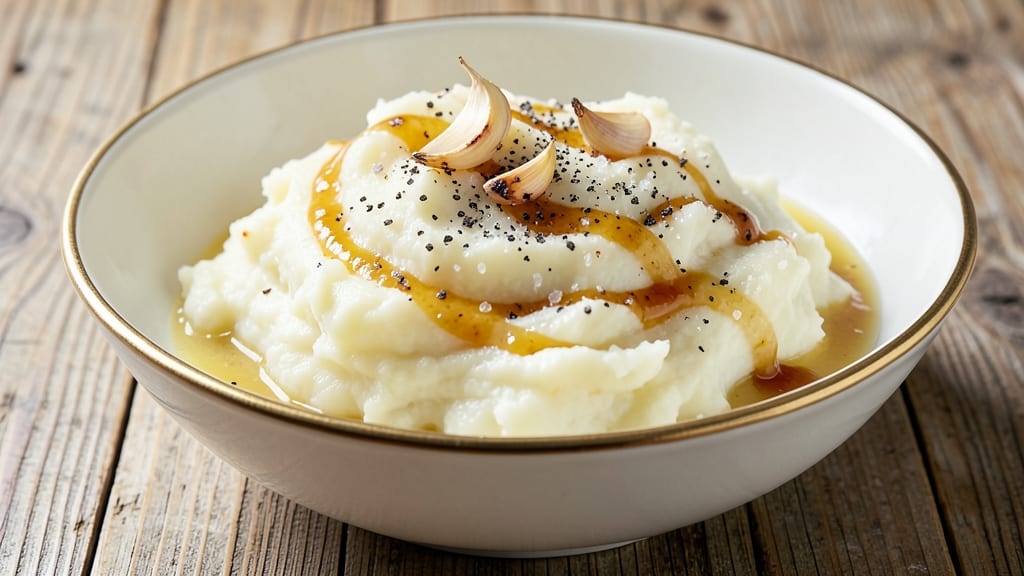
This KitchenAid mashed potato recipe turns a basic side into a luscious, buttery delight that brings warmth to any table. The secret lies in using a food processor to achieve that signature ultra-smooth texture—no lumps, just pure comfort food perfection.
I’ve perfected this method over years of holiday dinners and weeknight dinners, ensuring every bite is creamy, rich, and foolproof.
This recipe delivers restaurant-quality results in just 15 minutes of active time, making it ideal for busy cooks. The key steps involve properly cooking the potatoes until tender, draining them completely, and then blending with butter and milk until silky smooth.
No special skills required—just a few simple techniques that guarantee a flawless finish every time.
What you’ll end up with is a bowl of buttery-smooth, lump-free mashed potatoes that’s impossible to resist. The texture is velvety, the flavor is rich and satisfying, and the process is simpler than you’d expect.
Whether you’re serving them alongside roasted chicken or as a standalone dish, these potatoes will be the star of the meal.
For added depth, consider roasting the potatoes first for extra flavor or incorporating garlic and herbs. The variations are endless, but the foundation remains the same: creamy, dreamy, and always perfect. Let’s get started on this foolproof recipe that will become your new go-to for mashed potatoes.
Ingredients for kitchenaid mashed potato
Nine simple ingredients transform into velvety, restaurant-quality mashed potatoes with zero lumps.
| Ingredient | Amount | Notes |
|---|---|---|
| Russet Potatoes 🥔 | 2 ½ lb | Yukon Gold works too for creamier texture |
| Unsalted Butter 🧈 | ½ cup | Full-fat for best flavor and creaminess |
| Whole Milk 🥛 | ½ cup | Warm slightly for smoother blending |
| Large Garlic Cloves 🧄 | 2 cloves | Roasted for deeper flavor profile |
| Sea Salt 🧂 | 1 ½ tsp | Adjust to taste after blending |
| Freshly Ground Black Pepper 🌶️ | ½ tsp | Freshly cracked for maximum aroma |
| Heavy Cream 🥛 | ¼ cup | Optional for ultra-rich texture |
| Fresh Rosemary 🌿 | 1 tbsp | Chopped finely for subtle herbal note |
| Fresh Chives 🌱 | 2 tbsp | Minced for garnish and brightness |
The potatoes are the foundation, so choose Russet or Yukon Gold—both work perfectly. Whole Foods or Trader Joe's carry excellent organic options, but any fresh potatoes will do. For best results, look for firm, unblemished tubers with a vibrant color. The butter matters too—Plugrá or Land O'Lakes unsalted are my go-to brands for that rich, clean flavor. If you're feeling fancy, roast the garlic cloves first with a drizzle of olive oil for an extra layer of depth that elevates the entire dish. The secret to smooth texture lies in thoroughly draining the cooked potatoes before blending.
No whole milk? Half-and-half or warm water works in a pinch, though texture may differ slightly. Short on butter? Olive oil or avocado oil can substitute, but expect a different mouthfeel. Fresh herbs are ideal, but dried rosemary at one-third the amount gets you close. The heavy cream is optional but recommended for that ultra-luxurious finish—especially if you're serving these as a holiday centerpiece. For a lighter version, omit it entirely and add an extra splash of milk. If you're using a food processor, pulse the butter and milk together first to emulsify before adding the potatoes for that signature silky consistency.
Freshly cooked potatoes reheat beautifully—just warm them gently in the microwave with a splash of milk to restore creaminess. Store leftovers in an airtight container for up to 5 days in the fridge. For longer storage, freeze portions in a single layer before transferring to a bag—thaw and reheat with extra butter for best results. These potatoes also freeze wonderfully as a base for loaded baked potatoes later. The key to reheating is patience: low heat and frequent stirring prevent drying out. Always taste before serving and adjust seasoning as needed—sometimes the butter absorbs more salt than expected.
Why You'll Love This Recipe
- Minimal Chopping Required: I’ll admit, I used to dread peeling potatoes—until I realized this recipe only needs a quick scrub with a brush. The KitchenAid handles the rest while I sip my coffee, and honestly? That’s a win.
- Garlic Butter Magic: Between us, roasting those garlic cloves until soft and caramelized—then blending them into creamy, buttery potatoes—is my secret weapon. The flavor? Rich, layered, and so much better than store-bought.
- Feeds a Crowd (No Stress): This recipe scales effortlessly—double the batch for game day, halve it for a cozy Tuesday night. The KitchenAid’s paddle attachment does the heavy lifting, so I’m not stuck mashing by hand for hours.
- Leftovers That Don’t Suck: Cold mashed potatoes get a bad rap, but these? They’re solid the next day—great for quick breakfast hash or a lazy lunch. And because they’re budget-friendly (just potatoes, butter, milk), I’m never guilty about making extra.
Step-by-step instructions for buttery-smooth Kitchenaid mashed potatoes
Here's the foolproof method that delivers restaurant-quality mashed potatoes every time.
Prep and Cook the Potatoes for Maximum Creaminess
Start by peeling the 2.5 lb russet potatoes and cutting them into even 1-inch chunks. The uniformity ensures they cook at the same rate. Place them in a large pot and cover with cold water by about 2 inches. Add 1.5 tsp sea salt and 2 cloves large garlic cloves (peeled and lightly smashed) to the water.
Bring to a boil over high heat, then immediately reduce to medium-high and cook for 12-15 minutes until the potatoes are fork-tender. You'll know they're done when a knife slides in easily with just slight resistance. Drain thoroughly in a colander, shaking gently to remove excess water. This step is critical—any remaining moisture will make your potatoes watery instead of velvety.
Roast the Garlic for Depth of Flavor
While the potatoes cook, preheat your oven to 400°F. Wrap the 2 cloves large garlic cloves (yes, use the same amount again) in a small piece of aluminum foil. Roast for 8-10 minutes until golden brown and fragrant. This roasting transforms the garlic from sharp to sweet and nutty, adding complexity to your mashed potatoes.
Let the roasted garlic cool slightly, then squeeze it directly into your stand mixer's bowl. This ensures all that concentrated flavor gets incorporated into the potatoes. The residual heat will help melt the butter more smoothly during blending.
Warm the Dairy for Perfect Texture
In a small saucepan, gently warm the 0.5 cup whole milk and 0.5 cup unsalted butter together over low heat until the butter melts completely. This creates an emulsion that will blend seamlessly with the potatoes. Keep the mixture warm but not hot—you want it to be just warm to the touch.
In a separate small bowl, combine the 1 tbsp finely chopped fresh rosemary with the 0.25 cup heavy cream. This infusion adds herbal brightness that cuts through the richness of the butter. Keep this mixture at room temperature until you're ready to add it.
Blend to Ultra-Smooth Perfection
Return the drained potatoes to the pot and let them sit for 1 minute to steam slightly. This helps release any remaining starch. Transfer the potatoes to your stand mixer fitted with the paddle attachment. Add the roasted garlic, warmed milk-butter mixture, and rosemary-heavy cream infusion.
Mix on low speed for 1 minute to combine, then gradually increase to medium-high speed for 2-3 minutes until completely smooth. Scrape down the sides as needed. The potatoes should be light, airy, and completely free of lumps. If the mixture looks too thick, add 1-2 tablespoons of the warm milk-butter mixture to reach your desired consistency.
Finish with Seasoning and Garnish
Transfer the mashed potatoes to a serving bowl and stir in the 0.5 tsp freshly ground black pepper. Taste and adjust the seasoning with additional sea salt if needed—remember, the potatoes have been absorbing flavor throughout the process. The pepper should be noticeable but not overpowering.
Garnish with the 2 tbsp minced fresh chives just before serving. The chives add a fresh, bright contrast to the rich potatoes. Serve immediately while hot, passing extra butter on the side if desired. The texture should be silky smooth with just enough body to hold its shape on the spoon.
Pro Tips For Making Kitchenaid Mashed Potato
- PEEL AND CUT UNIFORMLY: Russets cook faster on the outside than the inside, so slice them into 1.5-inch chunks—no smaller, no larger. I learned this the hard way when I got impatient and ended up with some undercooked centers that turned to glue in the mixer.
- BOIL WITH GARLIC SKINS: Toss in the peeled garlic cloves whole with the potatoes—the skins act as a natural flavor barrier. After boiling, squeeze them out like lemons and mash them into the potatoes. Sounds weird, but it works: you get deep garlic flavor without burning it.
- DRY POTATOES THOROUGHLY: After draining, spread the potatoes on a baking sheet and let them steam-dry for 5 minutes. This step prevents your KitchenAid from turning into a butter-and-milk soup. Skip it, and you’ll regret it when the texture turns out gummy.
- WARM MILK AND BUTTER: Heat the whole milk and butter together in a small saucepan until just steaming—about 10 seconds. Pouring cold dairy into hot potatoes will shock the starch and make them clump. Warm it first, and your mash will be silky, not lumpy.
Make-ahead tips for leftovers
Prep Ahead for Holidays
Make these mashed potatoes up to 2 days in advance and store them in an airtight container in the refrigerator. The flavors deepen overnight, and reheating is a breeze.
When ready to serve, transfer the potatoes to a pot and gently warm over low heat with 2 tbsp additional butter and 1 tbsp warm milk until creamy—about 5-7 minutes. Stir frequently to prevent drying out. 🧂
Freezer-Friendly Base
For long-term storage, freeze the mashed potatoes in a single layer on a baking sheet for 1 hour to prevent clumping. Then transfer to a freezer bag or airtight container, leaving 1 inch of headspace for expansion.
Thaw overnight in the fridge, then reheat as directed above. This method preserves the texture perfectly for up to 3 months, making it ideal for holiday leftovers or meal prep.
Make-Ahead Roasted Potato Shortcut
Save time by roasting the potatoes ahead of time. Toss peeled, cubed potatoes with 1 tbsp olive oil, 1 tsp salt, and ½ tsp pepper, then roast at 400°F for 45 minutes until tender.
Store in the fridge for up to 3 days—they reheat beautifully in the microwave or oven. When ready to mash, simply blend with your warmed dairy mixture for a flavorful twist. 🥔
Portion Control for Efficiency
Divide the mashed potatoes into 4 equal portions in airtight containers before storing. This ensures even reheating and portioning later. Label each container with the date and reheating instructions.
For example, "Reheat: Add 1 tbsp butter + 1 tbsp milk, warm on low for 5-7 minutes." This saves time and reduces waste when serving multiple meals. 📅
Reheat for Restaurant Texture
To achieve that ultra-smooth, restaurant-quality texture after reheating, add 1 tbsp cold butter and 1 tbsp cold heavy cream to each portion before warming. The cold dairy helps recreate the creamy emulsion lost during storage.
Stir in the last 2 minutes of reheating for the best results. Garnish with fresh chives to brighten the dish. ✨
Double Batch for Parties
Double the recipe and store half in the fridge for up to 5 days or freeze the other half. This is perfect for hosting—simply reheat one portion while the other stays fresh.
For large gatherings, use a slow cooker on low heat to keep the potatoes warm for up to 4 hours. Stir occasionally and add extra butter or milk as needed to maintain creaminess. 🎉
Nutrition facts
Frequently asked questions
Why does my KitchenAid food processor create lumps in mashed potatoes?
Lumps happen when potatoes aren't fully cooked or drained properly. Always boil potatoes until fork-tender and drain them thoroughly in a colander. For extra smoothness, steam the drained potatoes for 1 minute before blending. Also, warm the milk and butter together first—the emulsion blends better with fully cooked starch.
Can I substitute Yukon Gold potatoes for russets in this recipe?
Yukon Golds work perfectly and create a creamier texture with more natural moisture. Use the same 2.5 lb quantity, but reduce the milk slightly to ¼ cup since Yukons release more starch. The flavor will be slightly nuttier but just as delicious.
How do I make these mashed potatoes vegan?
Replace the butter with ½ cup vegan butter or olive oil and the milk with ½ cup unsweetened almond or oat milk. For extra creaminess, add 2 tbsp nutritional yeast and 1 tbsp refined coconut oil. The texture will be slightly denser but still velvety smooth when blended properly.
What's the best way to reheat leftover mashed potatoes?
For perfect texture, reheat in a saucepan over low heat with 1 tbsp additional butter or milk per 2 cups of potatoes. Stir constantly for 5-7 minutes until creamy. Never microwave without adding liquid—it makes them gummy. For extra richness, stir in cold butter at the end.
Can I make these potatoes ahead for Thanksgiving?
Yes! These hold up beautifully. Make them up to 2 days ahead and store in an airtight container. Reheat by warming with extra butter and milk over low heat. For parties, keep them warm in a slow cooker on low with a splash of milk—stir occasionally to maintain creaminess.