
Side Dishes
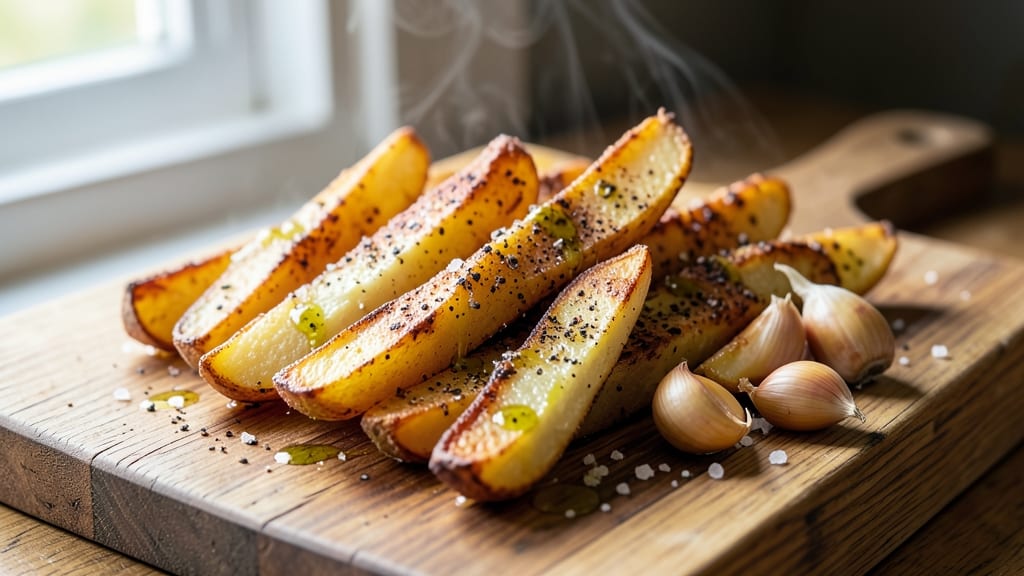
This Kipfler potato recipe transforms simple wedges into buttery crispy bites with fluffy interiors—a perfect balance that elevates any meal. I discovered the secret lies in precise roasting temperatures and a light olive oil coating that ensures even browning without sacrificing moisture.
The delicate waxy texture of Kipfler potatoes makes them ideal for this technique, as they hold their shape while developing a satisfying crunch.
What sets these wedges apart is the two-stage cooking process: a quick boil to soften the centers before roasting, which guarantees tender interiors while the edges achieve that coveted golden crispness.
Seasoning with coarse salt and black pepper enhances their natural flavor, but you can customize with garlic powder, smoked paprika, or fresh herbs for added depth. This method delivers restaurant-quality results in just 30 minutes of active time.
The final product is a dish that’s equally impressive as a standalone side or paired with grilled meats, roasted vegetables, or even a simple vinaigrette salad. The contrast of crispy exteriors and tender centers makes every bite satisfying, while the buttery aroma fills the kitchen.
Whether you're hosting a dinner party or simply craving a comforting side, these potatoes are a foolproof choice.
For added versatility, consider tossing the roasted wedges with melted garlic butter or a sprinkle of grated parmesan. They also work beautifully as a base for loaded potato salads or even as a hearty breakfast hash.
The adaptability of Kipfler potatoes ensures this recipe fits seamlessly into any menu—traditional or modern.
Ingredients for kipfler potato
Kipfler potatoes transform into restaurant-quality wedges with precise technique and quality ingredients.
| Ingredient | Amount | Notes |
|---|---|---|
| Kipfler Potatoes 🥔 | 2 ½ lb | Organic preferred, waxy texture |
| Extra-Virgin Olive Oil 🫒 | ¼ cup | Light fruity variety for balance |
| Coarse Kosher Salt 🧂 | 1 ½ tbsp | Diamond Crystal preferred for texture |
| Freshly Ground Black Pepper 🌶️ | 1 tsp | Cracked peppercorns for intensity |
| Garlic Powder 🧄 | 1 tsp | Optional for depth of flavor |
| Smoked Paprika 🌶️ | ½ tsp | Spanish paprika for subtle smoke |
| Fresh Rosemary 🌿 | ¼ cup | Finely chopped, stems removed |
| Unsalted Butter 🧈 | 2 tbsp | Cold, cubed for finishing |
| Freshly Grated Parmesan Cheese 🧀 | ¼ cup | Parmigiano-Reggiano preferred |
| Water 💧 | 4 cups | For boiling, room temperature |
The Kipfler potatoes are the foundation—opt for organic waxy varieties from specialty grocers like Whole Foods or Trader Joe's for optimal texture. Their delicate flesh holds shape while developing that coveted crispy exterior. For the olive oil, California extra-virgin brands like Corto or Otto provide the perfect balance of fruity notes without overpowering the potatoes. The coarse kosher salt should be Diamond Crystal—its flaky texture adheres beautifully to the wedges. Fresh rosemary from the grocery store's produce section (not dried) adds aromatic depth that complements the buttery finish. If you're short on time, pre-chopped fresh herbs from the refrigerated section work too, but whole sprigs yield better flavor when finely minced.
No Kipfler potatoes? Yukon Golds or Red Bliss are excellent substitutes—they hold their shape during roasting. Substituting olive oil? Avocado oil works for high-heat roasting, though it lacks the fruity depth. For a smokier profile, swap smoked paprika for half the amount of chipotle powder. The butter can be omitted entirely if you're watching fat content, though it's what creates that signature buttery aroma. Fresh herbs? Dried thyme at one-third the amount works in a pinch, but fresh is ideal. The garlic powder is optional but recommended—it enhances the savory notes without overpowering the delicate potato flavor.
Store leftover wedges in an airtight container for up to 4 days, though they're best enjoyed fresh. Reheat in a 375°F oven for 5-7 minutes to restore crispiness. For meal prep, roast an extra batch and freeze portions in single-serving bags—they reheat beautifully straight from frozen. The Parmesan and butter can be stored separately and added just before serving to maintain freshness. These wedges pair exceptionally well with grilled proteins or as a base for loaded potato salads, making them versatile for any meal.
Why You'll Love This Recipe
- No-Peel Hassle: I’ll be real—Kipflers are my lazy-cook’s dream because you don’t even need to peel them. Just scrub, slice, and roast. That waxy skin stays crispy while the inside melts, and honestly? The extra texture makes it better than store-bought chips.
- Garlic Oil Magic: Drizzle those slices with olive oil and garlic powder, then roast until golden. The edges get this addictive crunch, while the inside stays tender—like a fancy side that takes zero effort. (Yes, even on a Tuesday night.)
- Meal Prep MVP: Make a big batch on Sunday, and you’ve got a snack, side, or even a salad topper for the week. They reheat perfectly in the oven or air fryer, so you’re never scrambling for dinner sides again.
- Budget Crunch Fix: A single bag of Kipflers stretches across multiple meals—roasted, mashed, or even in a frittata. Plus, olive oil and salt are pantry staples, so this recipe won’t break the bank. (Or your willpower.)
Step-by-step instructions for buttery crispy Kipfler potato wedges
Here's the method for achieving perfect texture—crispy exteriors with tender, fluffy interiors every time.
Prepare and Parboil the Kipfler Potatoes
Begin by thoroughly washing the 2.5 lb Kipfler Potatoes under cold water to remove any dirt. Using a sharp chef's knife, carefully cut the potatoes into even wedges, about 1½ inches thick. The consistency in size ensures even cooking and crisping. Place the wedges in a single layer on a baking sheet and set aside.
In a large pot, bring the 4 cups Water to a rolling boil over high heat. Add the 1.5 tbsp Coarse Kosher Salt and stir until fully dissolved. Gently add the potato wedges to the boiling water and cook for 5 minutes. You'll notice small bubbles forming around the edges—this indicates the potatoes are beginning to soften slightly. Drain the wedges in a colander and let them steam-dry for 1 minute to remove excess surface moisture.
Season and Roast for Initial Crisping
Preheat your oven to 425°F. In a large bowl, combine the parboiled potato wedges with the 0.25 cup Extra-Virgin Olive Oil, 1 tsp Freshly Ground Black Pepper, 1 tsp Garlic Powder, and 0.5 tsp Smoked Paprika. Toss gently but thoroughly to ensure each wedge is evenly coated with the seasoning and oil. Spread the wedges in a single layer on two rimmed baking sheets, leaving about ½ inch of space between each piece.
Place the baking sheets in the preheated oven and roast for 20 minutes, rotating the pans halfway through. You'll see the edges beginning to turn golden brown and crispy after about 15 minutes. This initial roasting step builds the foundation for that perfect crunch while keeping the interiors tender.
Add Rosemary and Finish with Butter and Parmesan
After the initial roasting, remove the baking sheets from the oven. Sprinkle the 0.25 cup Fresh Rosemary evenly over the wedges, pressing it gently into the surface. Return the pans to the oven and roast for an additional 15 minutes, or until the wedges are deeply golden brown and crispy to the touch.
In a small saucepan, melt the 2 tbsp Unsalted Butter over low heat until fully liquid. Remove the potato wedges from the oven and immediately drizzle the melted butter evenly over the top. Sprinkle with the 0.25 cup Freshly Grated Parmesan Cheese and return to the oven for 2-3 minutes, just until the cheese begins to melt and turn golden in spots. This final step adds richness and enhances the crispy texture.
Rest and Serve for Optimal Texture
Transfer the crispy wedges to a serving platter and let them rest for 5 minutes. This resting period allows the internal heat to redistribute, ensuring each bite delivers both crispy exterior and fluffy interior. The wedges should be golden brown with a satisfying crunch when bitten into, and the aroma of rosemary and garlic will fill your kitchen.
Serve immediately while still warm. The combination of crispy exterior, fluffy interior, and rich seasoning makes these wedges perfect as a side dish or even a hearty appetizer. Enjoy them with your favorite dipping sauce or a sprinkle of additional freshly ground black pepper for a final touch of intensity.
Pro Tips For Making Kipfler Potato
- Scrub, Don’t Peel: Kipflers have thin skins packed with flavor—don’t strip them away unless you’re okay with bland, starchy potatoes. Use a vegetable brush and warm water to remove dirt, but leave that papery layer intact. (Yes, even if they look dirty—those skins are the secret.)
- High Heat, Then Low: Start your olive oil smoking hot—you’ll hear it shimmer—and sear the potatoes for 2 minutes per side. Then drop the heat to medium-low and let them crisp slowly. Rushing the sear makes them greasy; dragging out the cook time guarantees a crispy exterior.
- Salt in Stages: Toss the potatoes with a generous pinch of salt before searing—this kicks off the starch release. Finish with another layer of salt right after they come out of the pan, while they’re still sizzling. (Trust me, your taste buds will notice the difference.)
- Rest Under Foil: As soon as they’re done, transfer them to a foil-lined plate and tent loosely with extra foil. Let them steam for 5 minutes—this evens out the doneness and keeps them from turning gummy. (I used to skip this and always ended up with uneven texture.)
Common mistakes when making perfect results
Uneven Cutting
Skip the temptation to eyeball your wedge sizes—consistency is key for even cooking. I’ve made the mistake of cutting some pieces too thick or too thin, leading to uneven textures: some wedges crisped perfectly while others stayed doughy.
Use a sharp chef’s knife and measure each wedge with a ruler to ensure 1½-inch thickness across the board. 🔪
Skipping the Parboil
Skipping the 5-minute parboil step is a big mistake—it’s what creates those fluffy interiors while the roasting builds crispy edges. Without it, your wedges will either burn on the outside or stay raw inside.
I once roasted Kipfler potatoes straight from cold and ended up with a sad, uneven result. The parboil softens them just enough to handle the high heat later.
Overcrowding the Pan
Piling wedges too close together on your baking sheet steams them instead of crisps them. I learned this the hard way when my first batch turned out soggy instead of golden.
Leave at least ½ inch between each wedge for proper airflow and even browning. If needed, use two baking sheets to avoid overcrowding—your crispy results will thank you. 🥔
Ignoring the Resting Time
Rushing to serve the wedges right out of the oven is a common error. The 5-minute rest lets juices redistribute, ensuring that first bite delivers both crispy and fluffy textures.
I’ve served them too soon, and the result was a sad, gummy interior. Patience here makes all the difference—trust the process!
Using the Wrong Potato
Kipfler potatoes are waxy and hold their shape perfectly, but substituting with starchy varieties like Russets can lead to a mushy mess. I once used Russets and ended up with collapsed wedges that lost their structure.
Stick to waxy potatoes like Yukon Golds or Red Bliss if Kipflers aren’t available—they’ll give you the best texture. 🥔
Overseasoning Early
Adding all the seasonings before roasting can make the wedges too salty or bitter as the flavors intensify in the oven. Instead, I now add half the salt during the parboil and save the rest (plus garlic powder, smoked paprika, and rosemary) for after the initial roast.
This way, you can taste and adjust before serving—no more guessing games! 🧂
Nutrition facts
Frequently asked questions
Why do Kipfler potatoes work best for crispy wedges?
Kipfler potatoes have a naturally waxy texture that holds its shape beautifully during roasting. Their thin skins crisp up perfectly while the interiors stay tender and fluffy. Unlike starchy potatoes like Russets, they won't fall apart or turn mushy. The delicate balance of moisture and starch makes them ideal for achieving that coveted contrast of textures.
Can I make these wedges ahead of time?
Yes, but with a few adjustments. Roast the wedges as directed, then store them in an airtight container at room temperature for up to 2 days. To restore crispiness, reheat in a 375°F oven for 5-7 minutes. For longer storage, freeze portions in single-serving bags—they reheat beautifully straight from frozen. Just add 5 extra minutes to the reheating time.
What's the secret to getting extra crispy edges?
The two-stage process is key: first parboil for 5 minutes to soften slightly, then roast at 425°F with proper spacing (½ inch between wedges). For even more crunch, toss the wedges with cornstarch before roasting—just 1 tablespoon mixed with the olive oil creates a crispy coating. Don't skip the final 2-3 minutes with butter and cheese either!
Are Kipfler potatoes good for other dishes besides wedges?
Their waxy texture makes them perfect for salads, gratin dishes, or even as a base for loaded potato casseroles. Try slicing them thinly for potato salad or dicing for breakfast hash. They also hold up well when boiled for soups or mashed with a touch of cream. The key is to avoid overcooking—they're best when served warm and slightly firm.
Can I use an air fryer instead of the oven?
Yes, but with temperature adjustments. Preheat the air fryer to 400°F and cook the parboiled wedges in batches for 12-15 minutes, shaking the basket halfway. The smaller size means you'll need to work in 2-3 batches to avoid overcrowding. Finish with the butter and Parmesan under the air fryer for 2 minutes at 375°F. The result will be crispy but slightly less golden than oven-roasted.