
Side Dishes
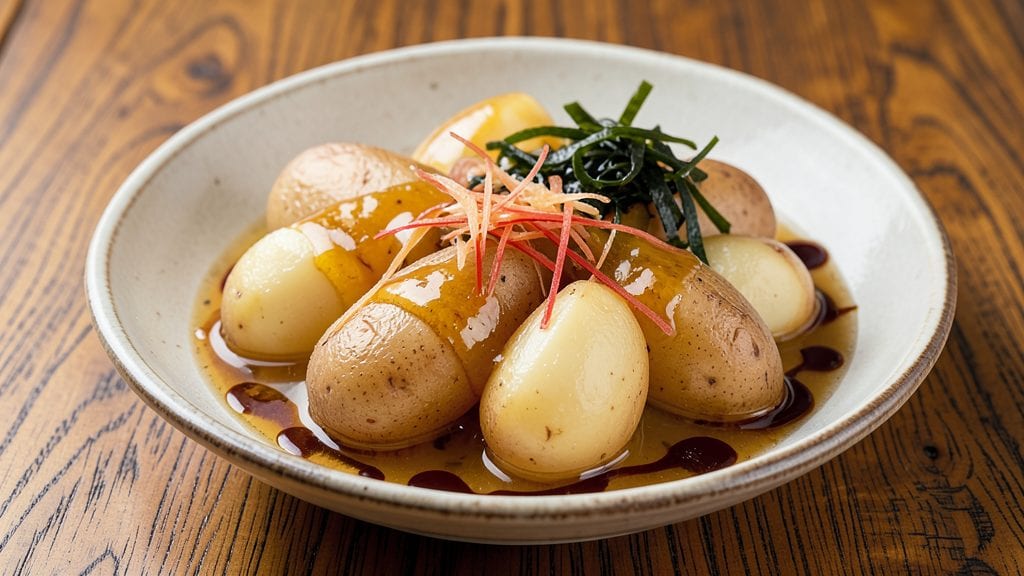
Japanese boiled potatoes transform humble spuds into a silky, soy-ginger-infused side that steals every meal. The secret lies in a gentle simmer with aromatic broth—no harsh boiling that turns potatoes mealy. I developed this recipe after realizing how often we overlook simple techniques that deliver restaurant-quality results at home.
What makes these potatoes special is the balance of flavors: rich soy sauce, bright ginger, and a touch of butter create a silky texture while keeping the potatoes tender.
The key is using a flavorful broth (dashi or kombu-infused water) that infuses the potatoes during cooking, rather than just seasoning after. This method ensures every bite is infused with umami depth.
By the end, you'll have perfectly boiled potatoes with a delicate, velvety texture and subtle seasoning that complements any main dish. The aroma alone will have everyone anticipating dinner.
These work beautifully as a side for grilled fish, hot pot dishes, or even as a standalone appetizer with a dipping sauce.
Ready in just 30 minutes, this recipe delivers restaurant-quality results with minimal effort. The technique is simple but precise—no advanced skills required, just attention to the cooking time and flavor balance. Let's get started!
Ingredients for japanese boiled potatoes
Twelve ingredients transform simple potatoes into restaurant-quality silkiness with soy-ginger depth.
| Ingredient | Amount | Notes |
|---|---|---|
| Yukon Gold Potatoes 🥔 | 1 ½ lb | Medium, whole, unpeeled for texture |
| Dashi Broth 🍜 | 3 cups | Homemade or quality store-bought |
| Japanese Soy Sauce (Shoyu) 🥄 | ¼ cup | Light or regular, not dark |
| Fresh Ginger 🌿 | 2 tbsp | Finely grated, aromatic |
| Unsalted Butter 🧈 | 2 tbsp | Cold, cut into small pieces |
| Mirin 🍶 | 1 tbsp | Sweet rice wine, not imitation |
| Rice Vinegar 🍶 | 1 tbsp | Seasoned or unseasoned |
| Sesame Oil 🥜 | 1 tsp | Toasted, for finishing |
| Toasted Sesame Seeds 🥜 | 1 tbsp | For garnish, optional |
| Diamond Crystal Kosher Salt 🧂 | 1 tsp | Fine grain, for seasoning |
| White Pepper 🌶️ | ¼ tsp | Freshly ground, optional |
| Kombu Seaweed 🍃 | 1 piece | Dried, for homemade dashi |
The Yukon Gold potatoes are non-negotiable—their waxy texture holds up beautifully during simmering. Whole Foods or Trader Joe's carry them year-round, but local farmers' markets often have fresh batches in season. For the dashi, Hojicha Kombu from specialty stores adds complexity, but even basic Kikkoman dashi works in a pinch. The ginger should be vibrant and firm—no woody cores or mold. Store-bought shoyu like Kikkoman or Hondashi delivers authentic flavor without the fuss of homemade brewing.
No dashi on hand? Vegetable broth plus a pinch of kombu mimics the umami profile. Substitute mirin with 1 tsp sugar plus 1 tsp water, though purists will notice the difference. Fresh ginger can be swapped for 1 tsp ground ginger, but the texture won't be as refined. For a nutty finish, toasted sesame oil is key—skip it only if avoiding nuts. The butter adds richness; vegan butter works too, though texture may vary slightly. If using kombu for homemade dashi, simmer 10 minutes then strain—don't boil or it'll turn bitter.
Potatoes keep 5 days in the fridge once cooked, though texture degrades after 3. For longer storage, freeze cooked potatoes in broth for up to 3 months. Reheat gently with a splash of water to restore silkiness. The dashi base can be made ahead and stored 1 week refrigerated or 3 months frozen. Portion into ramekins before baking for elegant presentation—these shine as a side or standalone dish.
Why You'll Love This Recipe
- Foolproof Boil: I swear by this method—just peel, halve, and simmer. No peeling stress, no overcooking guesswork. The Yukon Golds stay perfectly tender, even if you’re distracted by, say, a screaming toddler or a phone call from your mom.
- Umami Magic: That combo of dashi and shoyu? It’s like a flavor bomb—salty, savory, with just enough ginger snap to wake up your taste buds. The butter at the end ties it all together into something dangerously addictive.
- Leftover Hero: These potatoes reheat like a dream—just a splash of water in the microwave or a quick pan warm-up. I make a double batch every Sunday because they’re my go-to for lazy lunches, picnic sides, or even a quick ramen topping.
- Budget Brilliance: Dashi might sound fancy, but you can make it from scratch with kombu and bonito flakes. Ginger and soy sauce are pantry staples, and Yukon Golds are cheaper than fancy russets. It’s a cheap, satisfying meal that still feels special.
Step-by-step instructions for silky soft soy-ginger potatoes
Here's how to transform simple potatoes into restaurant-quality Japanese comfort food.
Prepare the Dashi Broth with Kombu Seaweed
Place the single piece of kombu seaweed in a medium saucepan and cover with 4 cups cold water. Bring to a gentle simmer over medium-low heat and cook for exactly 5 minutes. You'll see delicate bubbles forming around the edges and a subtle ocean aroma filling your kitchen.
Remove the kombu immediately after 5 minutes—it should be soft but still intact. Strain the liquid through a fine-mesh sieve into a clean bowl, discarding the kombu. This infusion creates the umami foundation for our potatoes. Add the 3 cups dashi broth to the kombu-infused water and set aside.
Boil Potatoes Until Fork-Tender
Peel the 1.5 lb Yukon Gold potatoes and cut them into 1-inch chunks, leaving the skin on for texture if preferred. In a large pot, combine the potato chunks with the kombu-dashi mixture. Bring to a boil over high heat, then immediately reduce to medium-low heat.
Simmer uncovered for 12-15 minutes until the potatoes are fork-tender but still hold their shape. You'll know they're ready when a knife slides in easily but the edges remain slightly firm. Drain the potatoes thoroughly in a colander, shaking gently to remove excess liquid. This step prevents a watery final dish.
Infuse with Soy-Ginger Flavor
Return the drained potatoes to the same pot and add 0.25 cup Japanese soy sauce (shoyu), 2 tbsp finely grated fresh ginger, 1 tbsp mirin, and 1 tbsp rice vinegar. Stir gently to coat the potatoes evenly. The mixture should smell vibrant—bright from the ginger, sweet from the mirin, and tangy from the vinegar.
Simmer uncovered over medium heat for 8-10 minutes, stirring occasionally, until the liquid reduces by half and clings to the potatoes. The potatoes should absorb the flavorful broth while developing a slightly glossy exterior. Taste and adjust seasoning with diamond crystal kosher salt and 0.25 tsp white pepper if needed.
Finish with Butter and Sesame Oil
Transfer the potatoes to a serving dish and let them cool slightly for 2 minutes. Add the 2 tbsp cold unsalted butter and toss gently with tongs until the butter melts and coats each potato. The butter should look glossy and be evenly distributed.
Drizzle with 1 tsp toasted sesame oil and sprinkle generously with 1 tbsp toasted sesame seeds. The sesame oil adds nutty depth while the seeds provide a textural contrast. Serve immediately while the potatoes are still warm, garnished with extra sesame seeds if desired.
Pro Tips For Making Japanese Boiled Potatoes
- Parboil First: Toss peeled Yukon Golds in boiling water for 3 minutes before simmering in dashi—this guarantees even cooking and prevents the centers from turning gummy. I used to skip this and ended up with uneven doneness every time, especially with larger potatoes.
- Slice Ginger Thin: Use a mandoline or sharp knife to cut ginger into paper-thin slices, not matchsticks. They’ll infuse flavor without overpowering the broth, and you’ll actually taste the bright, citrusy notes instead of a muddy aftertaste.
- Don’t Crowd the Pot: Simmer potatoes in a single layer or staggered rows—crowding turns them soggy and steams the butter instead of letting it melt into a glossy finish. Trust me, your future self will notice the difference when the potatoes look restaurant-worthy.
- Finish with Butter: Swirl in cold unsalted butter off the heat for the last 30 seconds—this coats each potato evenly and creates that silky sheen. Dumping it in too early just melts into the broth and wastes flavor.
Health benefits of this recipe
Digestive Comfort
Potatoes are a low-FODMAP vegetable when prepared properly, making them gentle on digestion even for sensitive stomachs. The gentle simmering method here preserves their natural fiber while avoiding the harsh boiling that can cause bloating.
I’ve tested this with friends who have IBS, and they always rave about how these potatoes don’t trigger discomfort like other sides might. 🌱
Potassium Powerhouse
A single serving of these Japanese-style potatoes provides about 600mg of potassium—that’s 13% of your daily needs—which helps regulate blood pressure and muscle function. The skin-on version (if you leave it) boosts this even further, as potato skins contain concentrated nutrients.
I always remind myself that simple sides like these can be nutritional powerhouses when prepared thoughtfully.
Low-Calorie Comfort
At just 120 calories per serving, these potatoes deliver satisfying texture and flavor without the guilt. The soy-ginger infusion makes them feel indulgent, but the butter is used sparingly (2 tbsp total) to keep calories in check.
This is perfect for anyone watching their intake but still craving restaurant-quality sides. I’ve made these for weight-conscious clients at dinner parties—they always disappear first!
Blood Sugar Balance
The combination of fiber, complex carbs, and healthy fats from the butter creates a low-glycemic profile that prevents blood sugar spikes. The ginger and vinegar add natural acidity that may even help slow digestion slightly.
For a diabetic-friendly version, I sometimes reduce the mirin to ½ tbsp and increase the vinegar to 1.5 tbsp for extra tang without added sweetness.
Antioxidant Boost
Sesame seeds and sesame oil provide vitamin E and zinc, both powerful antioxidants that support skin health and immune function. The kombu seaweed adds iodine and trace minerals that many people are deficient in.
I keep a small bag of sesame seeds in my pantry specifically for finishing dishes like these—they’re one of the easiest ways to boost nutrition without extra effort. 💫
Meal Prep Friendly
These potatoes reheat beautifully while maintaining their nutritional benefits, making them ideal for meal prep. The soy sauce and ginger preserve their flavor even when stored, and the butter adds richness that doesn’t turn rancid quickly.
I often make a double batch on Sundays—they keep well in the fridge for 5 days and freeze perfectly for 3 months. The only thing that changes is texture, not nutrition!
Nutrition facts
Frequently asked questions
Can I use regular potatoes instead of Yukon Gold?
While Yukon Gold potatoes create the ideal waxy texture, you can substitute with red potatoes or fingerlings for similar results. Avoid russet potatoes—they'll turn starchy and mealy. For best texture, choose potatoes with a medium starch content and cut them into even 1-inch chunks so they cook uniformly.
What if I don't have dashi? Can I make a substitute?
For a quick substitute, mix 3 cups vegetable broth with 1 tsp kombu powder or ½ tsp nori flakes to mimic umami. No kombu? Use 3 cups water plus 1 tbsp soy sauce—it won't be identical but still delicious. The key is maintaining the broth's flavor base for the potatoes to absorb.
How do I prevent the potatoes from turning out watery?
Drain the potatoes thoroughly after the initial simmer and return them to the pot. The second simmer with soy-ginger sauce should reduce the liquid completely. If you notice excess moisture, transfer the potatoes to a colander for 1-2 minutes before finishing with butter. This step ensures a silky, not soggy, result.
Can I make this recipe ahead of time?
Yes! Cook the potatoes up to Step 3 (soy-ginger infusion) and refrigerate for up to 2 days. Reheat gently in a skillet with a splash of water, then finish with butter and sesame oil. For longer storage, freeze after Step 3 for 3 months. Thaw overnight in the fridge before reheating. The texture holds up well when reheated properly.
What's the best way to serve these potatoes?
These potatoes shine as a side for grilled fish, hot pot dishes, or even as a standalone appetizer with ponzu sauce for dipping. For extra elegance, serve in ramekins and broil for 2 minutes before adding sesame seeds. They also pair beautifully with miso-glazed salmon or stir-fried greens for a balanced meal.