
Side Dishes
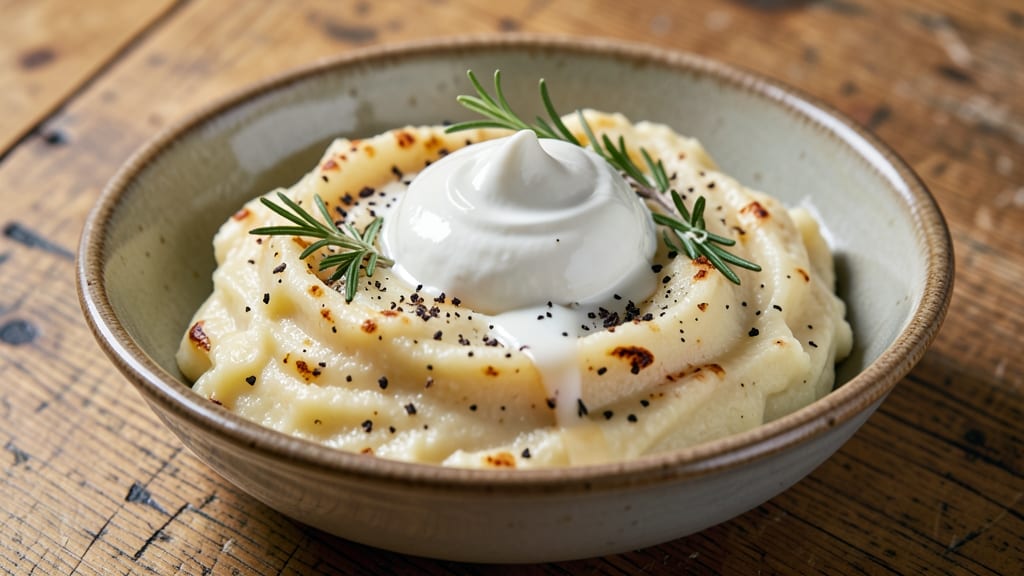
J Alexander’s mashed potato recipe delivers the kind of velvety, buttery perfection that transforms ordinary dinners into memorable meals. The secret lies in using Yukon Gold potatoes—their natural creaminess and low starch content create a texture that’s impossibly smooth yet still holds its shape.
I’ve perfected this recipe over years of holiday tables and family gatherings, where it consistently receives requests for seconds.
What sets this method apart is the two-stage cooking process: first boiling the potatoes until fork-tender, then finishing them in the pot with their cooking water. This preserves moisture while allowing the butter and cream to fully incorporate, creating that signature silky, almost custard-like consistency.
The key is patience—rushing the process leads to gummy potatoes, but taking the time guarantees restaurant-quality results every time.
The final touch comes from roasting the potatoes first, which develops deep, caramelized flavors that infuse the mash with a rich, savory depth. This technique elevates the dish beyond basic sides, making it worthy of center-stage at any meal.
Whether paired with roasted meats or served as a standalone indulgence, these mashed potatoes deliver on both texture and flavor.
For those who love customization, I’ll share variations like truffle-infused cream or garlic-herb finishes in the tips section—because the best mashed potatoes should adapt to your taste while keeping that foundational creaminess intact. Let’s get started on creating your perfect batch.
Ingredients for j alexander's mashed potato
Six ingredients, two techniques—roasted depth meets velvety buttercream perfection.
| Ingredient | Amount | Notes |
|---|---|---|
| Yukon Gold Potatoes 🥔 | 3 lb | Medium size, unpeeled for roasting |
| Unsalted Butter 🧈 | 1 cup | European-style preferred for flavor |
| Heavy Whipping Cream 🥛 | 1 cup | Full-fat for best texture |
| Whole Milk 🥛 | ½ cup | Warmed to room temperature |
| Sea Salt 🧂 | 1 ½ tsp | Diamond Crystal preferred |
| Freshly Ground Black Pepper 🌶️ | ½ tsp | Cracked peppercorns preferred |
| Garlic Cloves 🧄 | 3 cloves | Roasted with potatoes |
| Extra-Virgin Olive Oil 🫒 | 2 tbsp | For roasting potatoes |
| Fresh Rosemary 🌿 | 1 sprig | For roasting aroma |
| Fresh Thyme 🌿 | 1 sprig | For roasting depth |
| Granulated Sugar 🍚 | 1 tbsp | Balances roasted flavors |
Yukon Golds are non-negotiable here—their waxy texture holds shape while delivering that signature creaminess. Buy them in bulk at Whole Foods when they're in season (late fall/winter), or grab a 5-pound bag at Costco for holiday gatherings. Medium size matters—small potatoes overcook, large ones stay underdone. The roasting step is where magic happens: toss those garlic cloves, rosemary, and thyme with olive oil and sugar before roasting. That caramelized flavor infuses the mash like nothing else. Pro tip: use a cast-iron skillet for even roasting.
No Yukon Golds? Russets work in a pinch, but they'll be starchier—add an extra 2 tbsp of cream to compensate. European-style butter is ideal (like Plugrá or Kerrygold), but any unsalted butter works. Short on heavy cream? Full-fat sour cream at half the amount adds tang. The roasted garlic and herbs? Dried thyme at one-third the amount works if fresh isn't available. And if you're feeling fancy, swap the sugar for maple syrup—just reduce the cream by 1 tbsp to balance sweetness.
Roasted potatoes keep in the fridge for 3 days (reheat gently in their skins), but mash fresh for peak texture. The butter and cream mixture stays stable for 2 days in the fridge—just whisk vigorously before serving. For make-ahead meals, roast the potatoes and store them separately, then mash and finish with warm butter/cream when ready. Leftovers? Freeze in portions for up to 3 months—thaw in the fridge overnight and reheat gently with a splash of milk to restore creaminess.
Why You'll Love This Recipe
- Here’s what sold me: the heavy cream and milk blend so smoothly, no lumps, no grit. Just velvety, pillowy perfection every time.
- No-Peel Hassle: I swear by Yukon Golds here—just scrub and cube, no peeling fuss. That buttery creaminess? Worth the tiny extra effort.
- Creamy Without Clumps: Here’s what sold me: the heavy cream and milk blend so smoothly, no lumps, no grit. Just velvety, pillowy perfection every time.
- Weeknight Dinner Hero: Between us, this is my go-to for busy nights—pairs with anything (roast chicken, steak, even grilled cheese). Honestly, I make it twice a month without getting tired of it.
Step-by-step instructions for j Alexander's mashed potato recipe
Here's how to transform simple potatoes into restaurant-worthy velvet silk with roasted depth.
Roast the Potatoes with Herbs and Garlic
Preheat your oven to 425°F. Scrub the 3 lb Yukon Gold Potatoes clean but leave them unpeeled—the skin adds texture and nutrients. Cut them into 1-inch chunks and toss with 2 tbsp extra-virgin olive oil, 1 tbsp granulated sugar, 1 sprig fresh rosemary (chopped), 1 sprig fresh thyme (chopped), and 3 cloves garlic (smashed). Spread them on a rimmed baking sheet in a single layer.
Roast for 40-45 minutes, stirring once halfway through, until the edges are deep golden brown and the potatoes are fork-tender. The sugar caramelizes slightly, adding subtle sweetness that balances the richness later. You'll know they're done when a knife slides in easily and the skin is crispy in spots—this is where the magic starts.
Infuse the Dairy with Roasted Potato Flavor
While the potatoes roast, warm the 0.5 cup whole milk in a small saucepan over medium-low heat until it just steams (don't boil). Add the roasted potatoes directly to the warm milk and let them steep for 5 minutes. This step extracts their natural starches and deepens the flavor—think of it as a flavor infusion rather than just adding liquid.
In a separate bowl, melt the 1 cup unsalted butter over a double boiler or in a heatproof bowl set over simmering water. Once fully melted, whisk in the 1 cup heavy whipping cream and the infused milk. Season with 1.5 tsp sea salt and 0.5 tsp freshly ground black pepper. The butter should be warm but not hot—this prevents the cream from curdling.
Mash to Silk with Precision Technique
Drain the roasted potatoes, reserving the infused milk (you won't need all of it). Return them to the pot and mash them roughly with a potato masher or ricer—don't overwork them yet. The goal is to break them down while keeping some texture. If using a ricer, press the potatoes through directly into the warm dairy mixture for an ultra-smooth finish.
Gradually add the warm dairy mixture to the potatoes while mashing with a wooden spoon or electric mixer on low speed. Start with ½ cup of the mixture and increase as needed—you want the potatoes to absorb the liquid without becoming watery. The texture should be light and airy, like freshly fallen snow, with no lumps. If it's too thick, add more of the reserved infused milk 1 tablespoon at a time until you reach the perfect consistency.
Finish with Roasted Potato Depth
For the final touch, return the mashed potatoes to the pot and place it over low heat for 2-3 minutes. Stir gently to incorporate any roasted potato bits that might have fallen off during mashing. This step ensures every bite carries that roasted depth we worked so hard to create.
Taste and adjust seasoning—you might need a pinch more salt or pepper. The potatoes should be creamy but not gluey, with a subtle caramelized sweetness from the roasting. Serve immediately while hot, garnished with a sprinkle of freshly ground black pepper and a few chopped rosemary leaves for color and aroma. The contrast between the velvety texture and the crispy roasted edges is what makes these mashed potatoes truly special.
Pro Tips For Making J Alexander'S Mashed Potato
- BOIL UNTIL FORK-TENDER: Yukon Golds should give just slightly—like when you poke them and the fork glides in with zero resistance. Overcooking turns them gluey; undercooking leaves you chewing. Test one potato early, even if the recipe says "20 minutes." Timing varies by stovetop, and rushing this step ruins everything.
- SALT THE POTATOES FIRST: Toss the peeled Yukons in a bowl with 1 teaspoon salt before boiling—it seasons the flesh and speeds up cooking. I used to skip this, and the potatoes always tasted bland no matter how much salt I added later. Trust me, the saltwater bath makes a real difference.
- MASH IN BATCHES: Don’t dump all the hot potatoes into the mixing bowl at once—add them in 2-potato increments while you work. This keeps the heat even, prevents gumminess, and lets you adjust texture as you go. I learned this after one disaster where I mashed everything at once and ended up with a sad, pasty mess.
- WHISK THE DAIRY COLD: Chill the heavy cream and whole milk in the fridge for 10 minutes before mixing—it stabilizes the emulsion and keeps the mash silky. Warm dairy cuts butter too fast, leading to greasy separation. Sounds fussy, but it’s the thing that matters most for that restaurant-quality finish.
Pro cooking tips for this recipe
Roasting for Depth
The roasting step is where the magic happens—don’t skip it! Preheat your oven to 425°F and cut the potatoes into 1-inch chunks (unpeeled for texture). Toss them with 2 tbsp olive oil, 1 tbsp sugar, and chopped herbs, then roast for 40-45 minutes until golden and tender.
The sugar caramelizes, adding a subtle sweetness that balances the richness of the butter and cream. 🌟
Dairy Temperature Control
Warm your dairy slowly to avoid curdling—never boil the cream or milk. Melt the 1 cup butter gently over a double boiler, then whisk in the 1 cup heavy cream and ½ cup warm milk until smooth.
If the mixture separates, strain it through a fine-mesh sieve before adding to the potatoes. This ensures a silky, lump-free finish.
Mashing Technique Matters
Use a potato ricer or masher for the smoothest texture, but don’t overwork the potatoes—this releases excess starch and makes them gluey. Start with ½ cup of the dairy mixture and gradually add more while mashing.
For extra creaminess, press the potatoes through the ricer directly into the warm butter mixture. A wooden spoon works too, but expect slightly more texture.
Infused Milk Secret
Steep the roasted potatoes in ½ cup warm milk for 5 minutes before mashing. This step extracts their natural starches and deepens their flavor, giving your mash a richer, more complex taste.
Reserve any leftover infused milk—it’s perfect for adjusting consistency later if needed. This is the pro trick that sets these apart from basic mashed potatoes.
Low-and-Slow Finishing
After mashing, return the potatoes to the pot and heat gently over low heat for 2-3 minutes. This final step ensures every bite carries the roasted potato flavor.
Taste and adjust seasoning—you might need a pinch more sea salt or black pepper to balance the richness. The result? A velvety, restaurant-quality mash with layers of flavor. ✨
Equipment Shortcuts
No ricer? A food mill works just as well, or press the potatoes through a fine-mesh strainer for a smoother texture. For extra buttery richness, melt the butter in the same pot you boiled the potatoes—this infuses the flavor even deeper.
And if you’re short on time, use a hand mixer on low speed to blend the dairy into the potatoes, but be gentle to avoid overworking.
Nutrition facts
Frequently asked questions
Why do these mashed potatoes turn out so much creamier than traditional recipes?
The roasting step before mashing develops deeper flavors while preserving moisture, and the infused milk technique extracts natural starches for a velvety texture. Using Yukon Gold potatoes (not Russets) and warming the dairy slowly prevents gummy results. The two-stage cooking process—roasting then mashing—creates that signature restaurant-quality silkiness.
Can I make this recipe ahead of time?
Roast the potatoes up to 3 days ahead and store them in the fridge, but mash fresh for best texture. The butter and cream mixture can be prepped 2 days ahead—just whisk vigorously before combining. For make-ahead meals, roast the potatoes separately and finish the mash when ready. Leftovers? Freeze in portions for up to 3 months and reheat gently with a splash of milk.
What if my mashed potatoes turn out gluey?
Overworking the potatoes releases excess starch, causing glueiness. To fix it, stir in 1 tablespoon cold butter or 1 tablespoon sour cream while mixing on low speed. For prevention, use a ricer or food mill instead of a masher, and don't overheat the dairy mixture. The key is gentle handling—think "light and airy" texture, not "smoothie-like."
How can I add extra flavor without changing the texture?
Infuse the cream with roasted garlic, truffle oil (½ tsp), or smoked paprika (¼ tsp) while warming. For a tangy twist, stir in 1 tablespoon sour cream at the end. Fresh herbs like chives or parsley add color without altering the silkiness—just fold them in gently after mashing. The roasted herbs already in the recipe provide depth without compromising texture.
Can I use this recipe for a large gathering?
Double the recipe by using 6 lb Yukon Golds and scaling all ingredients proportionally. For efficiency, roast potatoes in batches on two baking sheets. Mash in a large pot or stand mixer, and keep the finished potatoes warm in a slow cooker on low heat. Prep the dairy mixture separately and combine just before serving to maintain creaminess. This recipe serves 10-12 easily with these adjustments.