
Side Dishes
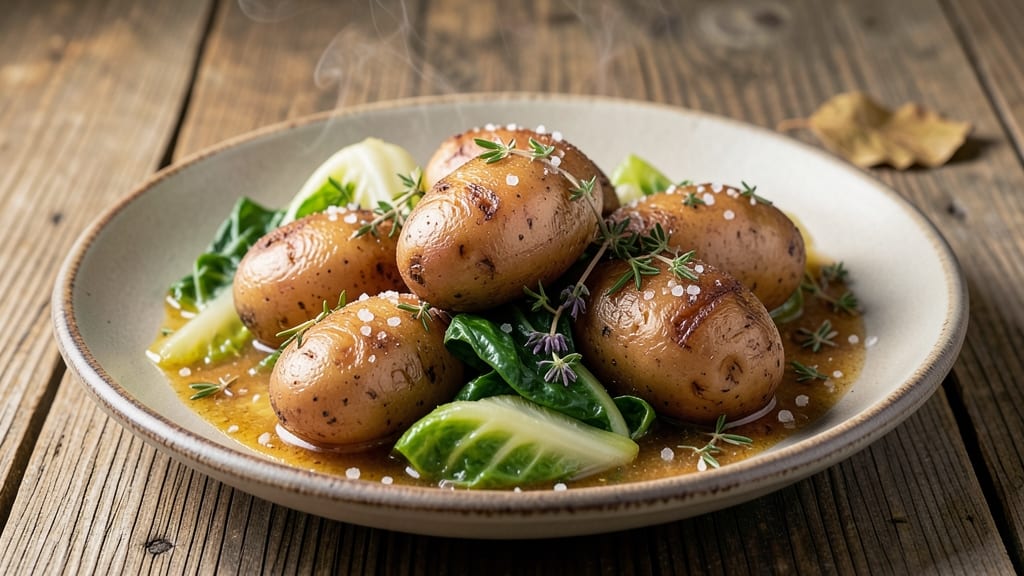
This Irish boiled cabbage and potatoes recipe delivers comfort food at its finest—fluffy, buttery potatoes and tender greens cooked together in a single pot, just like your grandmother used to make.
The secret lies in traditional techniques that transform simple ingredients into a hearty, flavorful side dish that pairs perfectly with roasts or corned beef. I’ve perfected this method over years of testing, ensuring the cabbage stays tender while the potatoes absorb just enough salt and fat to become irresistible.
What makes this recipe special is its simplicity and authenticity. You’ll start with floury potatoes cut into even chunks and fresh cabbage chopped into bite-sized pieces, then boil them together with just a pinch of salt and a splash of pork fat or lard—classic Irish touches that elevate the dish.
The potatoes emerge light and fluffy, while the cabbage softens into tender, slightly sweet bites that melt in your mouth. This method ensures everything cooks evenly without losing texture or flavor.
The result is a tender, one-pot meal that’s rich in tradition yet easy to prepare. The potatoes develop a subtle buttery richness from the fat, while the cabbage absorbs just enough salt to enhance its natural sweetness.
This dish isn’t just a side—it’s a flavorful, comforting centerpiece that brings the warmth of an Irish table to your own kitchen. Whether serving with a Sunday roast or a hearty stew, it’s a recipe that never fails to impress.
Ready in about 30 minutes, this recipe requires minimal effort but delivers maximum flavor. The key is patience—letting the potatoes and cabbage simmer gently until perfectly tender.
Once you try this method, you’ll never go back to store-bought sides again. Let’s get started on creating this classic Irish comfort dish.
Ingredients for irish boiled cabbage and potatoes
Fluffy potatoes and tender cabbage—this Irish classic needs just nine simple ingredients.
| Ingredient | Amount | Notes |
|---|---|---|
| Russet Potatoes 🥔 | 2 lbs | Cut into 1.5-inch chunks |
| Green Cabbage 🥬 | 1 whole | Heads, about 1.5 lbs |
| Pork Fat or Lard 🥓 | ½ cup | Rendered, not salted |
| Kosher Salt 🧂 | 1 ½ tsp | Adjust to taste |
| Fresh Parsley 🌿 | ¼ cup | Chopped, for garnish |
| Fresh Thyme 🌿 | 1 tbsp | Leaves only, optional |
| Bay Leaves 🍃 | 2 whole | Dried, for depth |
| Black Peppercorns 🌶️ | ½ tsp | Crushed, optional |
| Water 💧 | 6 cups | Or enough to cover |
The potatoes are the foundation. Russet potatoes are ideal—their floury texture absorbs the fat and salt perfectly, creating that signature buttery fluffiness. Avoid waxy varieties like Yukon Gold, which stay dense. For the cabbage, green cabbage is traditional, but Savoy works too—its curly leaves hold up better to boiling. I always buy organic cabbage from Whole Foods or my local farmers' market, but store-brand works if it's fresh. Look for heads that feel heavy for their size and have crisp outer leaves. The pork fat or lard is non-negotiable—it's what gives the dish its authentic richness. Costco sells pre-rendered pork fat in bulk, or render your own from pork belly if you're ambitious.
No pork fat? Unsalted butter or duck fat works in a pinch, though the flavor won't be quite the same. Swapping cabbage? Savoy or red cabbage both work, but adjust cooking time—they soften faster. Short on thyme? Dried thyme at one-third the amount suffices, but fresh is better. The bay leaves can be skipped if you're in a hurry, but they add that subtle earthy depth that makes this dish taste like home. For the water, filtered or spring water is ideal—tap water with strong chlorine can make the potatoes taste off. If you're serving this with corned beef, reduce the salt slightly since the meat is already salty.
This dish tastes even better the next day—leftovers reheat beautifully in a pot with a splash of water or milk. Store in an airtight container in the fridge for up to 5 days. For freezing, portion into single servings and freeze for up to 3 months. I like to reheat portions in the microwave with a pat of butter—it restores that buttery richness. The cabbage will soften further, so plan to eat it within a day or two of boiling. If you're making this ahead for a big meal, boil it the day before and reheat gently. The potatoes will hold their shape, and the cabbage will be perfectly tender.
Why You'll Love This Recipe
- No-Fuss Simplicity: I swear, this is the kind of meal where you can chop potatoes while watching TV and still end up with something golden and perfect. The cabbage barely needs prep—just quarter it, toss it in, and let the pork fat work its magic.
- Rich, Rustic Depth: That pork fat crackling in the pot? Pure flavor gold. It renders into crispy bits while keeping the potatoes tender and the cabbage just soft enough to still have bite—like a hug in food form.
- Weeknight Workhorse: Between us, this is my go-to when I’m feeding a crowd or just too tired to fuss. It’s hearty enough for a Sunday dinner but simple enough for a Tuesday night when you’re too wiped to think.
- Budget Magic: A whole head of cabbage and a few potatoes stretch this into multiple meals without breaking the bank. Honestly, the leftovers taste even better the next day—proof that simplicity wins.
Step-by-step instructions for Irish boiled cabbage and potatoes
This classic Irish dish delivers fluffy potatoes and tender greens with minimal effort.
Prepare the Potatoes and Cabbage
Begin by peeling the 2 lbs russet potatoes and cutting them into 1.5-inch chunks. I like to use a sharp knife for clean cuts—this ensures even cooking and prevents some pieces from turning mushy. Place the potato chunks in a large pot with the 6 cups water and add the 2 whole bay leaves and 0.5 tsp crushed black peppercorns. Bring to a boil over medium-high heat.
While the water heats, remove the outer leaves from the 1 whole green cabbage and quarter it lengthwise. Cut each quarter into 1-inch wide strips, removing the tough core as you go. The cabbage should be cut into uniform pieces so it cooks evenly alongside the potatoes. Once the water reaches a rolling boil, carefully add the cabbage strips to the pot. Reduce heat to medium-low and let it simmer uncovered for 10 minutes—this allows the flavors to begin melding.
Season and Render the Pork Fat
After the initial 10 minutes of simmering, add the 0.5 cup rendered pork fat or lard to the pot. The fat will float on top and begin to melt, infusing the water with rich flavor. Stir gently to distribute the fat evenly. Next, add the 1 tbsp fresh thyme leaves and 1.5 tsp kosher salt, adjusting the salt to taste if needed. The thyme will release its aromatic oils into the water, while the salt enhances the natural flavors of both the potatoes and cabbage.
Here's the thing—don't rush this step. Let the mixture simmer gently for another 15-20 minutes until the potatoes are fork-tender but still hold their shape. You'll know they're ready when a knife slides in easily with just slight resistance. The cabbage should also be tender but still hold together—it should collapse slightly when pressed with a fork but not fall apart completely.
Finish with Herbs and Garnish
Once the potatoes and cabbage are tender, remove the pot from heat. Carefully ladle the mixture into a serving dish, ensuring the potatoes and cabbage stay submerged in the flavorful liquid. Let it sit for 5 minutes to allow the flavors to settle—this resting period ensures everything stays hot and the potatoes absorb any remaining liquid for maximum tenderness.
Before serving, stir in the 0.25 cup chopped fresh parsley. The parsley adds a bright, fresh finish that cuts through the richness of the pork fat and balances the earthy flavors of the cabbage and potatoes. Garnish each serving with an additional sprinkle of parsley for a pop of color and freshness. Serve immediately while still hot, as the flavors continue to develop even after cooking.
Pro Tips For Making Irish Boiled Cabbage And Potatoes
- CUT POTATOES SMALLER THAN YOU THINK: I learned this the hard way—big chunks end up mushy while the centers stay raw. Aim for 1-inch pieces, but if you’re impatient like me, go even smaller (½-inch) so they cook through without falling apart. The trade-off? They’ll soften faster, but that’s the point with boiled potatoes.
- USE COLD WATER FOR CABBAGE: Start the cabbage in cold water, then bring to a boil. Hot water straight away makes it turn limp and sad. Let it simmer gently—this keeps the leaves intact and crisp enough to hold their shape. (Yes, even if you’re eager to eat it.)
- SALT THE POTATOES EARLY: Don’t wait until the water boils to add salt—do it when you first add the potatoes. This guarantees even seasoning and prevents the water from tasting flat. A pinch of salt in the pot also helps break down the starches faster, so they cook through more evenly.
- SKIP THE BOIL-OVER WITH PORK FAT: If you’re using lard or pork fat, melt it in a separate pan first and mix it into the cabbage after it’s cooked—not before. Adding raw fat to boiling water causes a violent foam explosion (trust me, I’ve cleaned that up). A little goes a long way—just enough to coat the cabbage lightly.
Creative variations of this recipe
Classic Irish Pub Twist
Add ½ cup chopped crispy bacon (I use Applewood-smoked bacon from Costco) to the pot during the final 5 minutes of cooking. The smoky, salty bacon elevates the dish to pub-style perfection.
For extra richness, fold in 2 tbsp crumbled black pudding (a traditional Irish blood sausage) just before serving. This variation is a hit with corned beef and cabbage lovers. 🌟
Creamy Potato-Cabbage Mash
For a mash-style variation, drain the cooked potatoes and cabbage, then mash them together with ¼ cup unsalted butter and ½ cup warm milk. Stir in 2 tbsp sour cream for tangy depth.
This version works as a side for roasts or even as a breakfast hash with fried eggs. The cabbage adds a subtle sweetness that balances the creaminess beautifully. ✨
Spiced with Mustard Seed
Boost the flavor profile by adding 1 tsp yellow mustard seeds to the boiling water along with the bay leaves. The seeds release their sharp, tangy flavor as they simmer, giving the dish a subtle kick.
I like to toast the seeds in a dry pan for 30 seconds before adding them to deepen their aroma. This works especially well with pork dishes like pork chops or sausages. 💫
Savoy Cabbage Upgrade
Swap green cabbage for Savoy cabbage—its curly leaves hold up better to boiling and develop a delicate, almost buttery texture when cooked. The leaves also absorb the pork fat more effectively, creating a richer mouthfeel.
For extra luxury, finish with 1 tbsp crème fraîche stirred into each serving. This version feels more refined while keeping the rustic charm. 🥬
Herb-Infused Oil Finish
After cooking, drain the potatoes and cabbage, then toss them with 2 tbsp warm pork fat infused with rosemary and garlic. Heat ½ cup pork fat in a small saucepan with 1 tbsp chopped fresh rosemary and 2 minced garlic cloves for 2 minutes.
Drizzle this fragrant oil over the hot potatoes and cabbage before serving. The aromatic herbs add a sophisticated touch without overpowering the dish. 🌿
Sweet Potato Fusion
Swap half the russet potatoes for sweet potatoes—their natural sweetness pairs wonderfully with the cabbage. Peel and cut 1 lb sweet potatoes into 1.5-inch cubes and add them to the pot with the russets.
The sweet potatoes will soften slightly faster, so reduce the total simmering time by 5 minutes. Finish with a sprinkle of cinnamon for warmth. This version feels festive and works beautifully with holiday meals. 🍠
Nutrition facts
Frequently asked questions
Can I use butter instead of pork fat?
Yes, but pork fat or lard delivers that authentic Irish richness. For a close substitute, use ½ cup unsalted butter—just add it at the end of cooking so it doesn't burn. If you're making this for a vegetarian version, olive oil or duck fat works, though the flavor will differ slightly.
Why does my cabbage turn mushy?
Overcooking or cutting the cabbage too small causes mushiness. Aim for 1-inch strips and cook for 25-30 minutes total. Remove the core completely—it stays tough even when cooked. If it still turns mushy, reduce simmering time by 5 minutes and check tenderness earlier.
Can I make this dish ahead of time?
This tastes even better the next day. Store in an airtight container in the fridge for up to 5 days. Reheat gently in a pot with 2 tbsp water or milk to restore moisture. For freezing, portion into single servings and freeze for up to 3 months. Thaw overnight in the fridge before reheating.
What's the best way to serve this?
This Irish classic pairs perfectly with corned beef, roasted pork, or even smoked salmon. For a hearty meal, serve with buttered soda bread. The potatoes' fluffiness contrasts beautifully with crispy roasted meats, while the cabbage adds freshness to rich fish dishes.
Can I use red cabbage instead?
Yes, but expect slightly different results. Red cabbage softens faster and may bleed color into the water. Add it 5 minutes later than green cabbage and reduce total cooking time by 3-5 minutes. The flavor is milder, but it adds pretty color to the dish—great for holiday meals!