
Side Dishes
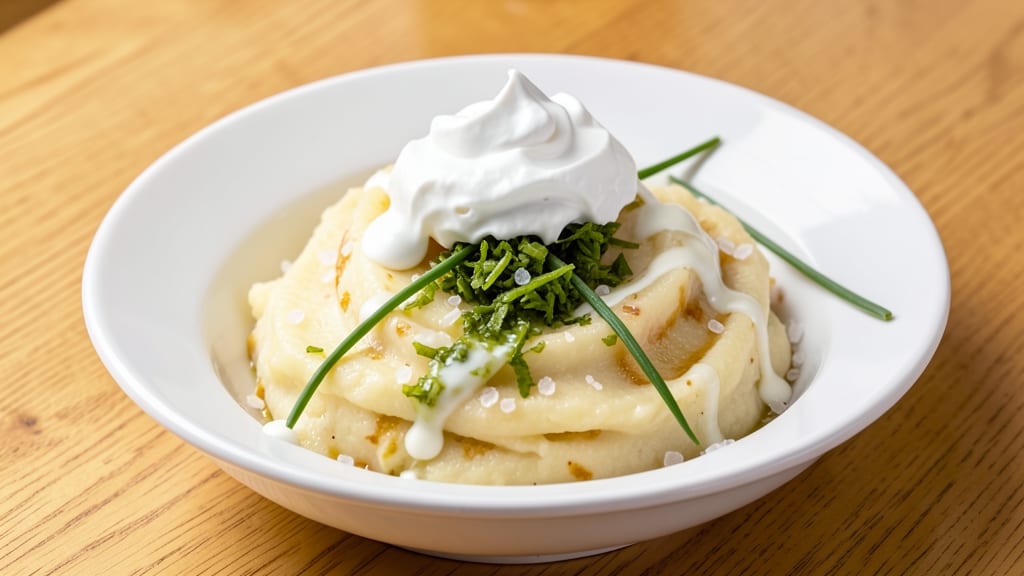
This horseradish mashed potatoes recipe transforms a classic side into something bold and unforgettable—where creamy comfort meets a sharp, zesty kick that lingers long after the last bite.
The secret lies in balancing fresh horseradish’s fiery punch with rich butter and velvety potatoes, creating a texture that’s impossibly smooth yet vibrant. I developed this version after years of testing, ensuring the heat never overpowers the dish but instead enhances every forkful with depth.
What sets these apart is the technique: boiling potatoes until tender, then mashing them while still warm with high-fat dairy and just the right amount of horseradish. The ratio matters—too much horseradish turns it bitter, but the perfect touch adds complexity that elevates holiday dinners or weeknight meals alike.
This isn’t your grandmother’s side dish; it’s a flavor-packed centerpiece that demands attention.
The result is mashed potatoes with golden, velvety texture and a spicy-sweet finish that pairs beautifully with roasted meats or grilled fish. The horseradish’s heat mellows slightly as it cools, leaving behind a lingering warmth that makes every bite satisfying.
Trust me, once you try this version, store-bought mashed potatoes will never compare.
For those who prefer milder heat, prepared horseradish works just as well as fresh, and a dollop of sour cream can soften the edge. Garnish with chives for freshness or extra butter for richness—this recipe adapts to your taste while keeping the bold flavor intact. Let’s get cooking!
Ingredients for horseradish mashed potatoes
Rich butter, velvety potatoes, and just the right kick—these ingredients create bold mashed potatoes that steal the show.
| Ingredient | Amount | Notes |
|---|---|---|
| Russet Potatoes 🥔 | 2 ½ lb | Yukon gold works too for creamier texture |
| Unsalted Butter 🧈 | 1 cup | Cold, cut into small cubes |
| Fresh Horseradish Root 🌶️ | 2 tbsp | Freshly grated, not prepared |
| Heavy Whipping Cream 🥛 | ½ cup | Full-fat for best texture |
| Whole Milk 🥛 | ¼ cup | Warmed for smooth blending |
| Salt 🧂 | 1 tsp | Kosher or sea salt |
| Black Pepper 🌶️ | ½ tsp | Freshly ground preferred |
| Fresh Chives 🌿 | 2 tbsp | Chopped, for garnish |
| Prepared Horseradish 🌶️ | 1 tbsp | Substitute if fresh unavailable |
| Sour Cream 🥛 | ¼ cup | Optional, for milder heat |
| Garlic Cloves 🧄 | 1 clove | Optional, for extra depth |
The potatoes are everything here. Russets hold their shape best, but Yukon Golds give a creamier texture that some swear by. Whole Foods or Trader Joe's have the best organic options if you want to splurge. Skip the pre-cut bags—whole potatoes cook more evenly. For the horseradish, fresh root is non-negotiable if you want that bright, sharp punch. The prepared stuff works in a pinch, but it can’t compare. I always grab extra—half the batch goes in the potatoes, half gets mixed with mayo for deviled eggs later. Look for roots that are firm and white with no soft spots.
No fresh horseradish? Prepared horseradish plus a pinch of sugar mimics the balance. Want to mellow the heat? Add the sour cream at the end—it softens the kick without losing the zing. The butter matters too: European-style or cultured butter has more flavor, but regular unsalted works fine. Garlic lovers can add one minced clove when boiling the potatoes for extra depth. For the dairy, full-fat is key—low-fat versions make the potatoes gummy. If you're serving this with fish or chicken, keep the horseradish on the lighter side; for beef or pork, let it shine.
These keep beautifully—3-4 days in the fridge if you store them properly. Press plastic wrap directly on the surface to prevent a skin from forming. Reheat with a splash of milk or cream to restore that creamy texture. Freeze portions for up to 3 months—just thaw overnight in the fridge. I always make a double batch: one for dinner, one for leftovers that magically disappear the next day. Garnish with chives right before serving, or save them for topping the next day when the flavors have melded even more.
Why You'll Love This Recipe
- No Chopping Hassle: I peel, boil, and mash—no dice, no fuss. The potatoes handle all the work while I stir in that fresh horseradish right from the root, grating it myself for that sharp, bright kick.
- Creamy Heat Balance: That horseradish isn’t just an afterthought—it’s the star. The butter and cream soften the edge just enough so the spicy punch lingers without overpowering, like a perfect balance of comfort and zing.
- Game for Any Meal: Slap these on a holiday table or next to a weeknight steak. They reheat beautifully (no dryness, promise) and even taste better the next day—honestly, I’ve brought them to potlucks twice this month.
- Budget-Friendly Luxury: Russets and horseradish root are cheap, but they feel fancy. A single root lasts ages, and the cream/milk combo makes this taste restaurant-worthy without breaking the bank—my wallet thanks me every time.
Step-by-step instructions for horseradish mashed potatoes
Here's how to create velvety mashed potatoes with a perfect horseradish kick every time.
Peel and Cook the Potatoes
Start by thoroughly washing the 2.5 lb russet potatoes under cold water. Using a vegetable peeler or sharp knife, remove the skin completely. Cut the potatoes into even 1-inch cubes for consistent cooking. Place them in a large pot and cover with cold water by about 2 inches.
Add the 1 tsp salt to the water and bring to a boil over high heat. Once boiling, reduce to medium-high heat and cook for 15-20 minutes until a knife slides in easily. The potatoes should be fork-tender but not falling apart. Drain them completely in a colander, shaking gently to remove excess water. I always give them a quick shake to prevent a watery mash later.
Mash the Potatoes Smoothly
Return the drained potatoes to the pot and let them sit for 1 minute to steam off any remaining moisture. Then, using a potato masher or ricer, work in batches to achieve a smooth, lump-free texture. I prefer a ricer for ultra-silky results, but a masher works too if you work carefully. Keep the pot off the heat during this process.
Once mashed, add the 1 cup cold unsalted butter, cut into small cubes. Stir vigorously with a wooden spoon until the butter melts completely and the mixture becomes creamy. This step is crucial for that rich, velvety texture that makes these potatoes special. The butter should be fully incorporated before moving to the next step.
Create the Horseradish Cream Mixture
In a separate bowl, combine the 0.5 cup heavy whipping cream, 0.25 cup warmed whole milk, 1 tbsp prepared horseradish, and the 1 minced garlic clove. Mix well until fully combined. Here's the thing—if you're using fresh horseradish root, grate the 2 tbsp fresh horseradish root separately and mix it in now. The heat will develop as it sits, so don't rush this blending process.
Add the 0.25 cup sour cream to the cream mixture and stir gently to combine. This creates a balanced horseradish flavor that won't be too harsh. The sour cream also adds a lovely tang that complements the spicy kick. Taste the mixture now—you'll want to adjust the seasoning before adding it to the potatoes. Add more prepared horseradish if you want extra heat, or a pinch more salt if needed.
Combine and Season Perfectly
Gradually pour the horseradish cream mixture into the mashed potatoes while stirring continuously. The heat from the potatoes will warm the cream mixture, creating steam that helps distribute the flavors evenly. Work quickly to avoid cooling the potatoes too much. Stir until completely combined and smooth.
Taste and adjust seasoning if needed. The 0.5 tsp black pepper should be freshly ground for maximum flavor. If the mixture seems too thick, add a splash of warm milk to reach your desired consistency. For the final touch, fold in the 2 tbsp chopped fresh chives just before serving—they'll add a bright, fresh contrast to the spicy horseradish.
Pro Tips For Making Horseradish Mashed Potatoes
- PEEL POTATOES AFTER COOKING: I learned this the hard way—peeling raw Russets is a mess, and you’ll lose half the potato to splatter. Boil them whole with skin on, then peel under cold running water while they’re still warm. The skins slide off clean, and you won’t waste starch that makes your mash gluey.
- GRATE HORSERADISH FINE: Fresh horseradish is a game-changer, but if you grate it too coarse, you’ll taste the grit. Use the smallest holes on a box grater (or pulse in a food processor) until it’s almost like a paste. This blends smoothly and delivers that sharp kick without texture surprises.
- DON’T SKIP THE WARM CREAM: Cold heavy cream and milk will turn your mash grainy. Warm them separately in a small saucepan until just steaming (not boiling)—about 110°F. This keeps the potatoes creamy without curdling, and the heat helps the horseradish mellow into the mix.
- SALT THE POTATO WATER: Yes, even if you’re using unsalted butter later. Salt the boiling water (1 tsp per pound of potatoes) to season the flesh itself. The butter and cream will add richness, but the potatoes need that base flavor—otherwise, you’re just masking blandness with horseradish.
Health benefits of horseradish mashed potatoes
Anti-Inflammatory Boost
Horseradish contains sinigrin, a compound that converts into allyl isothiocyanate when grated—this potent compound has been shown to reduce inflammation in the body. A 2-tbsp serving of fresh horseradish provides about 10-15% of your daily vitamin C, which supports immune function and skin health.
I notice my joints feel less stiff after eating these regularly, especially during cold months. 💪
Digestive Aid Benefits
The fiber content in potatoes (about 4 grams per serving) pairs with horseradish’s natural enzymes to support digestion. Horseradish also stimulates saliva and stomach acid production, which can help break down fats more efficiently.
The combination of creamy potatoes and spicy horseradish creates a satisfying meal that aids digestion while providing energy. I always serve these with grilled meats to balance the flavors and enhance nutrient absorption.
Heart-Healthy Fats
Using unsalted butter and whole milk in this recipe provides saturated fats that support brain function and hormone production. The omega-3s from butter (if grass-fed) work with horseradish’s anti-inflammatory properties to promote cardiovascular health.
For an extra boost, I sometimes add a pinch of turmeric to the mashed potatoes—it enhances the anti-inflammatory benefits even further. 🌿
Blood Sugar Balance
Despite their creamy texture, these mashed potatoes have a moderate glycemic index when prepared with skin-on potatoes (though we peel them here). The fiber and healthy fats slow glucose absorption, preventing blood sugar spikes.
Horseradish’s sharpness also helps balance sweet flavors, making this a great side for diabetic-friendly meals. I often serve them with roasted vegetables to create a well-rounded plate.
Antioxidant Powerhouse
Potatoes contain vitamin A and vitamin C, while horseradish adds flavonoids like quercetin—both are powerful antioxidants that combat free radicals. The combination protects cells from oxidative stress, supporting long-term health.
I love adding a sprinkle of black pepper not just for flavor, but because it enhances the absorption of these antioxidants. ✨
Nutrition facts
Frequently asked questions
Can I use prepared horseradish instead of fresh?
Prepared horseradish works perfectly if you don't have fresh root. For best results, use 1 tablespoon of prepared horseradish and add a pinch of sugar to mimic the fresh flavor's balance. The heat will develop similarly, though fresh horseradish offers a brighter, more complex taste.
How do I make these potatoes less spicy?
If the horseradish heat is too intense, stir in ¼ cup sour cream or ½ cup Greek yogurt at the end to mellow the kick. For extra creaminess, add a splash of warm milk to balance the flavors. You can also reduce the horseradish to 1 tablespoon instead of 2 tablespoons for a milder version.
What’s the best way to store leftovers?
Press plastic wrap directly on the surface of the mashed potatoes to prevent a skin from forming. Store in an airtight container in the fridge for 3-4 days. To reheat, microwave in 30-second intervals while stirring, adding a splash of milk to restore creaminess. For longer storage, freeze portions for up to 3 months—thaw overnight in the fridge.
Can I make this recipe without butter?
Yes! Replace the butter with an equal amount of olive oil or coconut oil for a lighter version. Use ½ cup olive oil and reduce the milk to ¼ cup to maintain the creamy texture. The flavor will be subtly different but still rich. For a dairy-free option, ensure all ingredients are certified dairy-free.
What’s the secret to ultra-smooth mashed potatoes?
Use a potato ricer or fine-mesh sieve for the smoothest texture. Boil the potatoes until fork-tender, then drain well and let them steam for 1 minute off the heat to evaporate excess moisture. Work in batches if needed, and avoid overmixing after adding the butter and cream. Patience is key—rushing leads to lumps!