
Side Dishes
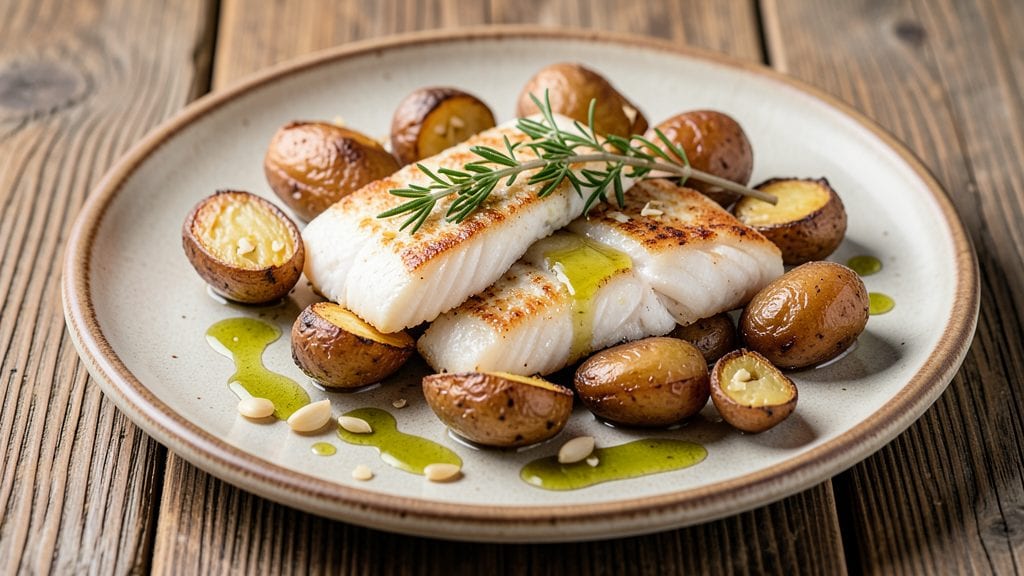
This haddock and potatoes recipe delivers crispy pan-seared fish paired with golden, buttery spuds that taste like a coastal restaurant's finest. The secret lies in achieving perfect texture—crispy haddock skin that shatters with each bite and fluffy potatoes that soak up every savory drop from the pan.
I developed this dish after years of testing different techniques to balance simplicity with restaurant-quality results, and it never fails to impress.
What makes this recipe work is the harmony between preparation methods: haddock sears quickly in a hot pan while potatoes roast alongside, absorbing the same aromatic herbs and garlic.
The key is timing—potatoes start roasting first, allowing them to develop crispy edges while the fish cooks, ensuring everything finishes at the same moment. This approach transforms a simple dinner into something special without requiring advanced skills.
By the end, you’ll have perfectly crispy haddock with tender, flaky flesh and potatoes that are buttery on the outside and fluffy inside, all seasoned with just the right balance of herbs.
The dish comes together in under 30 minutes, making it ideal for weeknight dinners or special occasions when you want to impress with minimal effort. The combination of textures and flavors creates a satisfying meal that feels both comforting and elegant.
Serve with a squeeze of lemon and fresh parsley for brightness, or drizzle with a light garlic aioli for extra richness. This recipe scales easily—whether you're cooking for two or feeding a crowd, the method remains the same.
Let’s get started on creating a dish that tastes like a seaside escape in every bite.
Ingredients for haddock potato
Four simple ingredients transform into restaurant-worthy haddock and crispy golden potatoes.
| Ingredient | Amount | Notes |
|---|---|---|
| Haddock Fillets 🐟 | 4 whole | Skin-on, 6-8 oz each |
| Baby Potatoes 🥔 | 2 lbs | Halved, unpeeled |
| Unsalted Butter 🧈 | ½ cup | Cold, cubed |
| Extra-Virgin Olive Oil 🫒 | 2 tbsp | For searing |
| Fresh Garlic 🧄 | 4 cloves | Minced, skin-on |
| Fresh Thyme 🌿 | ¼ cup | Leaves only, chopped |
| Fresh Parsley 🌿 | ¼ cup | Chopped, for garnish |
| Lemon 🍋 | 1 whole | Juiced, zest optional |
| Sea Salt 🧂 | 1 ½ tsp | Fine grain, kosher preferred |
| Ground Black Pepper 🌶️ | ½ tsp | Freshly cracked |
| All-Purpose Flour 🌾 | ¼ cup | For dredging |
| Garlic Aioli 🍳 | ¼ cup | Optional, store-bought or homemade |
The haddock skin is where the magic happens—look for fillets with thick, unbroken skin at the fish counter. Whole Foods or your local seafood market will have the freshest cuts, but don’t stress if you find frozen haddock (thaw overnight in the fridge). The potatoes should be firm and uniform—baby potatoes are ideal for even cooking. For the herbs, fresh thyme and parsley make all the difference, but dried will work in a pinch (use half the amount). The butter is non-negotiable—European-style unsalted melts beautifully and adds richness without overpowering.
No fresh thyme? Dried thyme at one-third the amount works, but fresh is ideal for that bright aroma. Running low on parsley? Dill or chives add a nice contrast. For the aioli, store-bought works fine—look for one with minimal additives. The flour is just for dredging, so any all-purpose will do. If you’re short on time, halve the potato amount and add roasted asparagus or green beans to the pan—they’ll absorb all the same flavors. The key is keeping everything hot: preheat your pan on medium-high before adding the butter.
Potatoes keep for up to 2 weeks in a cool, dark place, but haddock should be used within 2 days of purchase for peak crispiness. The butter can be stored in the fridge for up to 3 months (it’ll harden, but that’s perfect for cubing). For leftovers, reheat gently in a skillet with a splash of water to restore crispiness. This dish reheats beautifully—great for meal prep. Garnish with lemon zest right before serving to keep the bright, coastal flavors intact.
Why You'll Love This Recipe
- One-Pan Magic: I swear by this for lazy nights—just toss everything on a sheet pan, pop it in the oven, and walk away. No chopping, no fuss, just that golden haddock and crispy potatoes waiting for you.
- Garlic Butter Bliss: That moment when the haddock flakes apart under the garlicky butter? Pure satisfaction. The potatoes soak up the richness while staying tender—like a hug in food form.
- Weeknight Workhorse: Between us, this feeds four for under $20 and reheats beautifully. Pack leftovers for lunch, or serve it at a picnic—it’s that reliable.
- Budget-Friendly Luxury: Haddock’s affordable, and baby potatoes stretch further than you’d think. Honestly, it’s the kind of meal that makes fancier dinners feel unnecessary.
Step-by-step instructions for crispy pan-seared haddock with buttery potatoes
Here’s how to achieve perfectly crispy fish and tender, golden potatoes using just a few key techniques.
Prep and Par-Cook the Baby Potatoes
Place the 2 lbs baby potatoes in a medium saucepan and cover with cold water by about 1 inch. Add 1 tsp sea salt and bring to a boil over medium-high heat. Once boiling, reduce heat to medium-low and simmer for 12-15 minutes until the potatoes are fork-tender but still hold their shape.
Drain the potatoes in a colander and let them steam-dry for 2 minutes. While still warm, toss them in a large bowl with 2 tbsp extra-virgin olive oil, 1 tbsp minced fresh garlic, 0.125 cup chopped fresh thyme, 0.5 tsp ground black pepper, and 0.5 tsp sea salt. This step ensures the potatoes develop a flavorful crust as they finish cooking later.
Dredge and Sear the Haddock Fillets
Set up a dredging station by placing the 0.25 cup all-purpose flour in a shallow dish. Season both sides of each haddock fillet with 0.5 tsp sea salt and 0.25 tsp ground black pepper. Lightly dredge each fillet in the flour, tapping off any excess. The flour creates a delicate crust that crisps beautifully when seared.
Heat a large skillet over medium-high heat until very hot. Add 2 tbsp extra-virgin olive oil and let it shimmer for 30 seconds. Working in batches to avoid crowding, place the dredged fillets skin-side down in the pan. Press down gently with a spatula for 10 seconds to ensure even contact—this prevents curling. Cook for 3-4 minutes until the skin is deep golden brown and crispy.
Finish the Potatoes and Complete the Fish
Transfer the par-cooked potatoes to the same skillet (no need to clean it—the fond adds flavor) and spread them in a single layer. Reduce heat to medium and cook for 8-10 minutes, stirring occasionally, until the potatoes are golden brown and crispy in spots. They should be tender throughout with a crisp exterior.
Flip the haddock fillets carefully and cook for another 2-3 minutes until the flesh is opaque and flakes easily with a fork. Remove the potatoes and fish to a warm serving platter, drizzling with juice from the 1 whole lemon and sprinkling with 0.125 cup chopped fresh parsley. The acidity brightens the flavors and balances the richness.
Assemble and Serve With Garlic Aioli
Arrange the crispy potatoes in a mound on each plate, fanning them slightly to showcase their golden crust. Place a haddock fillet atop the potatoes, skin-side up. Spoon 0.25 cup garlic aioli alongside or drizzle it over the top for added richness. The aioli’s creamy texture complements the crispy fish and potatoes perfectly.
Serve immediately while the fish is still warm and the potatoes retain their crisp edges. The contrast of textures—crispy skin on the haddock, golden-brown potatoes, and silky aioli—makes this dish unforgettable. Pair with a simple green salad for a complete meal.
Pro Tips For Making Haddock Potato
- PARBOIL POTATOES FIRST: I learned this the hard way—skipping the parboil means your baby potatoes will either turn to mush or stay rock-hard. Boil them whole in salted water for 8-10 minutes until just fork-tender, then let them dry completely before roasting. This guarantees crispy edges without the soggy middle.
- SEAR HADDOCK SKIN-SIDE DOWN: That crispy skin is the difference between "nice dinner" and "restaurant-quality." Pat the fillets very dry, then sear skin-side down in olive oil over medium-high heat for 3-4 minutes until golden and slightly blistered. Flip only when the skin releases easily—no sticking, no stress.
- DON’T OVERCROWD THE PAN: I used to pile everything in there like it was a buffet, and the potatoes would steam instead of brown. Spread them out in a single layer with just enough space between each one. If your pan’s too small, work in batches—crispy skin and edges won’t happen if they’re fighting for heat.
- GARLIC TOAST IN ADVANCE: Fresh garlic burns faster than you’d think, especially when it’s minced. Toast it in olive oil over low heat for 2-3 minutes until fragrant but not browned, then set it aside. When you’re ready to finish the dish, stir it into the butter last—it’ll keep its sweetness and add depth without bitterness. (Yes, even if you’re impatient like me.)
Common mistakes when making your haddock potato
Overcooking the Haddock
The biggest mistake I see is overcooking the haddock, which turns it dry and rubbery instead of tender and flaky. Haddock cooks in just 3-4 minutes per side—any longer and the flesh loses its delicate texture.
I use a thermometer to check for doneness at 145°F internal temperature (the USDA safe minimum for fish). When in doubt, pull it slightly earlier—it’ll carryover cook while resting. 🌡️
Skipping the Par-Cook
Many home cooks try to roast baby potatoes from raw, but they’ll steam instead of crisp. The key is the 12-15 minute par-cook to soften them before finishing in the pan.
Without this step, potatoes absorb too much oil and turn greasy rather than golden. I always steam-dry them for 2 minutes after draining to remove excess moisture before seasoning.
Uneven Heat Distribution
Using a pan that’s too small or not hot enough leads to uneven cooking—potatoes stay soggy while fish burns. I recommend a 12-inch cast iron skillet (like Lodge) for even heat distribution.
Preheat it over medium-high heat until it’s smoking hot before adding butter or oil. If your pan isn’t hot enough, the butter will burn before the fish crisps.
Ignoring the Skin
Haddock skin is where the magic happens—peeling it ruins the crispy texture we’re after. The skin needs to stay intact during cooking to create that perfect golden crust. If your fillets have thin or patchy skin, ask the fishmonger for thicker-skinned pieces.
For extra insurance, press the fillets gently with a spatula for 10 seconds when searing to prevent curling.
Overcrowding the Pan
Cooking too many potatoes or fish at once steams them instead of crisping. I cook haddock in batches, never exceeding 2 fillets at a time in a 12-inch pan.
For potatoes, spread them in a single layer with ½ inch between pieces. Overcrowding traps steam and prevents that coveted crispy exterior. 💡
Neglecting the Fond
The browned bits (fond) in your pan are flavor gold. Many people clean the pan before finishing the potatoes, but that fond carries all the garlic and herb flavors. Instead, leave it in—just spread the potatoes evenly so they crisp rather than steam.
Deglaze with a splash of water if needed, but the fond alone adds depth to the final dish.
Nutrition facts
Frequently asked questions
Can I substitute haddock with another white fish?
Cod, halibut, or flounder work beautifully in this recipe. The key is choosing a firm, medium-thickness fillet with skin for crispiness. Haddock's mild flavor makes it ideal, but these alternatives will still deliver excellent results. Adjust cooking time slightly if using thicker fillets.
What if I don't have baby potatoes?
Use small Yukon Gold or red potatoes instead—cut them into 1-inch chunks before cooking. Larger potatoes may take longer to cook through, so increase the par-cooking time to 15-18 minutes. The recipe still works perfectly with these alternatives.
How do I make this dish ahead of time?
Prep everything up to the dredging step, then store the seasoned potatoes and haddock separately in the fridge for up to 12 hours. Cook the potatoes first (they reheat better than fish), then finish the haddock fresh. For leftovers, reheat potatoes in a skillet with butter and serve the fish separately.
Can I bake this instead of pan-searing?
Yes! Preheat oven to 425°F and place dredged haddock on a baking sheet with potatoes. Bake for 15-18 minutes until fish reaches 145°F internal temp. The potatoes will crisp slightly but won't get as golden as pan-searing. Add a sprinkle of paprika for extra color.
What's the best way to store leftovers?
Store components separately in airtight containers for up to 3 days. Reheat potatoes in a skillet with butter, and warm fish gently in the microwave (covered) for 30-45 seconds. The texture won't be as crisp, but it's still delicious. For best results, serve fresh whenever possible.