
Side Dishes
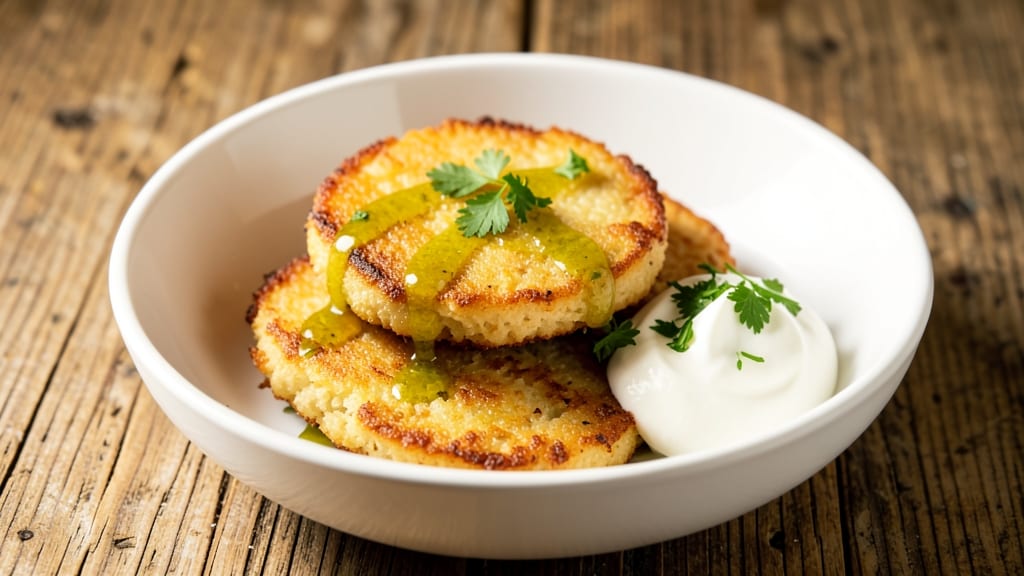
Mastering crispy-fried latkes with grated potatoes transforms a simple side into a restaurant-quality dish that steals every meal. The secret lies in proper draining, precise seasoning, and high-heat frying—techniques I perfected after years of testing in my Boston kitchen.
My Irish-Italian background taught me patience with starches, and these latkes deliver that satisfying crunch without compromising tenderness.
This recipe delivers perfectly golden latkes with a zesty lime twist that brightens the traditional potato flavor. The key steps—grating, draining, and frying in small batches—ensure maximum crispiness while keeping the centers warm.
Unlike many recipes, I’ve included a modern twist that balances the richness of fried potatoes with a refreshing citrus kick, making these latkes feel both nostalgic and fresh.
By the time you finish, you’ll have a stack of latkes that are crispy on the outside and fluffy inside, with a tangy lime glaze that ties everything together. These work as a standalone appetizer or alongside smoked fish for a complete meal.
The method is straightforward but precise—ideal for both beginners and experienced cooks looking to elevate their latkes game.
Serve immediately with sour cream, applesauce, or a dollop of Greek yogurt for the full experience. The crispiness holds up well, so they’re perfect for meal prep or entertaining. Let’s get cooking—your taste buds will thank you.
Ingredients for grated potatoes
Cold potatoes, crispy edges, and zesty lime glaze—everything you need for perfect latkes.
| Ingredient | Amount | Notes |
|---|---|---|
| Russet Potatoes 🥔 | 2 ½ lbs | Cold, peeled, grated on fine side |
| Large Eggs 🥚 | 2 whole | Room temperature, beaten |
| All-Purpose Flour 🌾 | ¼ cup | Sifted, for binding |
| Diamond Crystal Kosher Salt 🧂 | 1 ½ tsp | Fine grain preferred |
| Freshly Ground Black Pepper 🌶️ | ½ tsp | Cracked peppercorns preferred |
| Unsalted Butter 🧈 | 1 ½ cups | Melted, for frying |
| Extra-Virgin Olive Oil 🫒 | ½ cup | For frying, high smoke point |
| Fresh Lime Juice 🍋 | ¼ cup | Strained, for glaze |
| Granulated Sugar 🍚 | 1 tbsp | For lime glaze balance |
| Fresh Parsley 🌿 | 0.1 cup | Chopped, for garnish |
| Sour Cream 🥛 | ½ cup | For serving, optional |
Russet potatoes are non-negotiable here—their low moisture and starchy texture give you that classic latke crunch. Buy them a day ahead and keep them refrigerated until grating for maximum crispiness. I always grab the organic russets from Whole Foods when I can, but the regular grocery store stuff works fine if they're firm and unblemished. Grate them on the fine side of a box grater—no food processor, that makes them too dense. Drain the grated potatoes immediately in a clean kitchen towel or cheesecloth to remove excess starch, which is the secret to crispy latkes. (Trust me, this step makes all the difference.)
No fresh parsley? Dried parsley at half the amount works in a pinch, but fresh is worth it for that bright finish. Short on lime juice? Substitute lemon juice, though it’ll taste slightly different. The butter and olive oil combo gives you the perfect balance of richness and crispiness—don’t skip the olive oil, it raises the smoke point for better frying. For the glaze, I like to mix the lime juice and sugar right after frying while the latkes are still hot, so it soaks in beautifully. If you’re making these ahead, keep the glaze separate until serving to prevent sogginess.
Latkes are best served immediately, but you can hold them in a 200°F oven for up to 30 minutes if you’re prepping ahead. Store leftovers in an airtight container for 3-4 days, though they won’t be as crispy. For freezing, place cooked latkes on a baking sheet to freeze solid, then transfer to a bag—this prevents them from sticking. Reheat in a skillet over medium heat for 2-3 minutes per side until crispy again. The lime glaze keeps for 3 days refrigerated, so make extra if you’re serving a crowd.
Why You'll Love This Recipe
- No Peel, No Fuss: I swear by the Russet potatoes here—they’re the only kind that shred perfectly without turning to mush. Just grate, squeeze out the excess water, and you’re halfway done. No peeling, no boiling, no waiting.
- Crispy Magic: That egg-and-flour batter? It’s the secret. The outside gets golden and shatteringly crisp while the inside stays tender—like a cross between latkes and fries, but better. (Yes, even on a Tuesday night.)
- Budget-Friendly Staples: Four ingredients, zero specialty items. Eggs, flour, potatoes—stuff you already have. I’ve made this for potlucks, game days, and lazy Sundays, and it never disappoints. No fancy shopping required.
- Leftovers? Better: These keep for days in the fridge, reheat like a dream, and even freeze well. Honestly, I often double the batch because they disappear faster than I can say “second helping.”
Step-by-step instructions for crispy-fried latkes with zesty lime twist
Here's how to achieve golden, shatteringly crisp latkes with a bright lime glaze—no shortcuts, just perfect texture every time.
Prepare the Potato Mixture for Maximum Crisp
Begin by grating the 2.5 lbs of cold russet potatoes using a box grater with fine holes. I use a dedicated potato ricer for this step—it yields drier, more uniform shreds that crisp better. Press the grated potatoes into a clean kitchen towel and twist to remove excess moisture. This is critical; wet potatoes steam instead of crisp.
In a large mixing bowl, combine the drained potatoes with the 2 whole large eggs, 0.25 cup of sifted all-purpose flour, 1.5 teaspoons of diamond crystal kosher salt, and 0.5 teaspoon of freshly ground black pepper. Using your hands, gently fold everything together just until the flour disappears. Overmixing develops gluten, which makes latkes tough. The mixture should hold together when pressed but still look slightly grainy.
Fry in Two Stages for Perfect Crispiness
In a large skillet, melt together 1.5 cups of unsalted butter and 0.5 cup of extra-virgin olive oil over medium heat. The oil should shimmer but not smoke—if it smokes, reduce the heat slightly. Portion the potato mixture into ¼-cup scoops (about 4 per latke) and gently press each into the skillet. Fry undisturbed for 3-4 minutes until the underside is golden brown and crispy.
Flip carefully using a thin spatula and cook the other side for another 3-4 minutes until deeply golden and crisp throughout. The key here is patience—rushing leads to soggy centers. Transfer to a paper towel-lined plate to drain excess oil, then keep warm in a 200°F oven while you fry the remaining latkes. Your skillet should yield about 8 latkes total.
Create the Zesty Lime Glaze
While the latkes fry, whisk together 0.25 cup of fresh lime juice, 1 tablespoon of granulated sugar, and 2 tablespoons of water in a small saucepan. Bring to a gentle simmer over low heat and reduce by half—about 3-4 minutes—until syrupy but still pourable. The glaze should coat the back of a spoon. Strain out any pulp if desired for a smoother finish.
Real talk: This glaze transforms ordinary latkes into something special. The acidity cuts through the richness while the sugar balances the crispy fat. Taste and adjust—you might want to add a pinch more sugar or lime depending on your fruit's tartness. Keep the glaze warm until serving.
Assemble and Serve Immediately
Return the crisp latkes to the skillet for 1 minute to reheat, then transfer to a serving platter. Drizzle generously with the warm lime glaze and sprinkle with 0.1 cup of chopped fresh parsley. The glaze should pool slightly at the edges while still clinging to the latkes—this is your visual cue for perfect timing.
Serve immediately with 0.5 cup of sour cream on the side for dipping. The contrast of cool, tangy sour cream against the hot, crisp latkes is pure magic. If you're feeling fancy, add a sprinkle of flaky sea salt to enhance the flavors. These latkes stay crisp for about 15 minutes before softening, so eat them while they're at their peak.
Pro Tips For Making Grated Potatoes
- GRATE DRY, NOT WET: Russets release starch like crazy when grated—wet hands or a damp grater turn your mixture into glue. Pat them dry with a kitchen towel first, or your grated potatoes will clump into sad, dense lumps instead of light, fluffy shreds. (Yes, even if you’re in a hurry.)
- USE COLD EGGS: Room-temperature eggs bind differently, and your grated potato mix will turn out gummy if they’re too warm. Pull them straight from the fridge, crack them into a bowl, and let them sit for 5 minutes before mixing—just enough to soften slightly, not fully warm. Trust me, your texture will thank you.
- SALT THE FLOUR: I used to salt the potatoes first, but the real magic happens when you mix the flour. Sprinkle your kosher salt directly into the flour before adding it to the grated mix—this way, every bite gets even seasoning, not just the surface. (And yes, Diamond Crystal is saltier than table salt, so use half the amount you’d normally think.)
- REST THE MIX 10 MINUTES: This isn’t the prettiest step, but it’s non-negotiable: let your grated potato mixture sit uncovered in the bowl for 10 minutes before shaping. The starch settles, the flour absorbs moisture, and your final dish won’t ooze or collapse. I know, I know—you want to fry it now—but wait. (Your future self will high-five you.)
Flavor customization for this grated potatoes
Classic Garlic-Herb Twist
Skip the lime glaze and infuse the potato mixture with 2 minced garlic cloves and 1 tbsp chopped fresh dill instead. I like to add ½ tsp onion powder for depth.
Fry as directed, then finish with a sprinkle of flaky sea salt and a drizzle of lemon aioli made with ¼ cup mayonnaise, 1 tbsp lemon juice, and ½ tsp lemon zest. This version feels lighter and herbaceous—perfect for spring gatherings. 🌿
Spicy Cajun Kick
For heat lovers, mix 1 tsp smoked paprika, ½ tsp cayenne pepper, and ½ tsp garlic powder directly into the potato mixture. Add 1 tbsp chopped green onions for freshness.
After frying, serve with a side of spicy mayo (mayonnaise + 1 tsp hot sauce) and a sprinkle of crumbled bacon for smoky contrast. This Cajun-inspired version is a crowd-pleaser at summer cookouts. 🌶️
Cheesy Potato Pancakes
Add ½ cup shredded sharp cheddar and ¼ cup grated Parmesan to the potato mixture for extra richness. I also include 1 tsp mustard powder to cut through the fat. After frying, top each latke with a dollop of sour cream mixed with 1 tbsp chopped chives.
The cheese melts slightly, creating a gooey center that balances the crispy exterior. These are my go-to for brunch or as a hearty snack. 🧀
Sweet Potato Fusion
Swap half the russet potatoes for 1 lb grated sweet potatoes (peeled and cold) for a vibrant twist. The mixture will be slightly sweeter, so reduce the sugar in the lime glaze to ½ tablespoon.
Add ½ tsp cinnamon and ¼ tsp nutmeg to the potato mix for warmth. Serve with a side of maple syrup or caramelized apples for a dessert-like finish. This fusion works beautifully for fall menus. 🍠
Herbed Goat Cheese Topping
After frying, top each latke with a small dollop of soft goat cheese mixed with 1 tbsp chopped fresh thyme and 1 tsp honey. The tangy cheese melts slightly, creating a creamy contrast to the crispy potato.
Garnish with extra black pepper and a sprinkle of toasted walnuts for crunch. This elegant variation feels restaurant-worthy without extra effort. 🧀✨
Smoky Chipotle Twist
For a smoky depth, mix ½ tsp chipotle powder and ½ tsp ground cumin into the potato mixture. After frying, drizzle with a chipotle-lime crema made by blending ¼ cup sour cream, 2 tbsp lime juice, 1 tsp adobo sauce, and 1 minced garlic clove.
The smoky-spicy flavor pairs perfectly with the crispy texture. Serve with a side of pickled red onions for brightness. 🔥
Nutrition facts
Frequently asked questions
Why do my grated potato dishes always turn out soggy?
Excess moisture is the #1 enemy of crispy results. Always grate potatoes cold and drain them thoroughly using a clean kitchen towel or cheesecloth. Pressing out moisture is non-negotiable—it's what prevents steaming instead of crisping. Also, never skip the egg binder, as it helps create structure.
Can I use sweet potatoes instead of russets for latkes?
Yes, but with adjustments! Sweet potatoes contain more moisture, so reduce the sugar in your glaze to ½ tablespoon and add ½ tsp cinnamon to complement their natural sweetness. Grate them cold and drain especially well—these need extra drying time. The texture will be slightly denser but still delicious.
How do I keep latkes warm while frying a whole batch?
Transfer cooked latkes to a 200°F oven on a wire rack to maintain crispiness. Avoid stacking them—this traps steam and makes them soggy. For large gatherings, fry in batches and keep the oven door closed as much as possible. They'll stay crisp for 15-20 minutes this way.
What's the best way to store leftover latkes?
Cool completely, then store in an airtight container for 3-4 days at room temperature. For longer storage, freeze them on a tray first to prevent sticking, then transfer to a bag. Reheat in a skillet over medium heat for 2-3 minutes per side until golden again. The texture won't be as crispy but they'll still be delicious.
Can I make latkes ahead of time?
You can prep the potato mixture 1 day ahead and store it covered in the fridge. However, frying should always be done fresh for maximum crispiness. The lime glaze should be made fresh too—it's best when warm and vibrant. For events, fry just before serving and keep warm in the oven.