Side Dishes
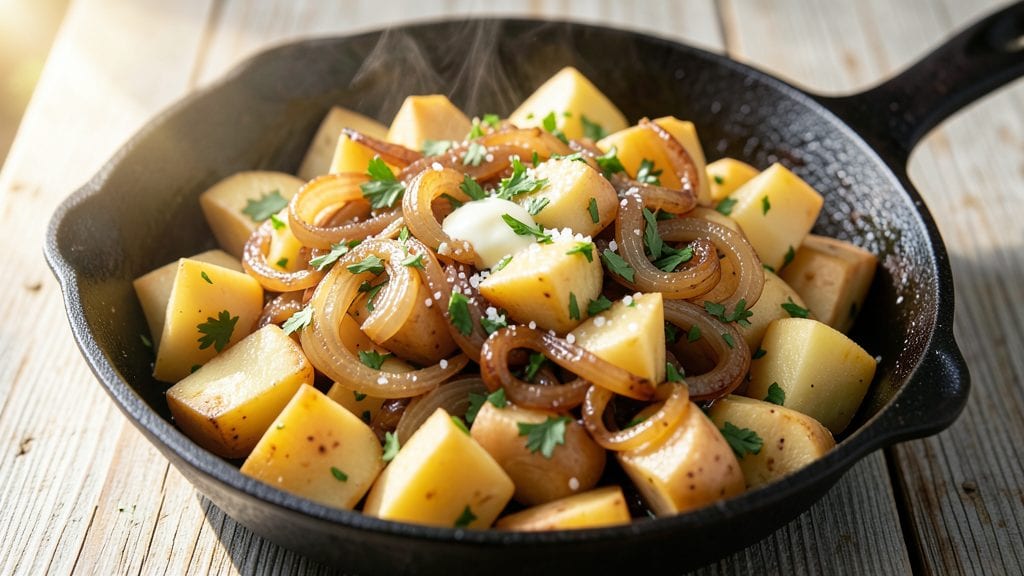
Grandma's vinegar-braised potatoes bring back the comforting flavors of home-cooked meals that taste like love. This recipe transforms simple potatoes into tender, tangy bites that disappear faster than you can say "seconds, please."
I first learned it from my grandmother, who swore by the vinegar to tenderize the potatoes and add that signature tang that makes them unforgettable.
The secret lies in the slow braising process, which breaks down the potatoes into buttery, melt-in-your-mouth perfection. With just a few simple ingredients—potatoes, vinegar, butter, and a touch of salt—you’ll create a dish that’s both nostalgic and impressive.
The key is patience; letting the potatoes simmer until they’re fork-tender ensures every bite is rich and satisfying.
What you’ll end up with is a side dish that’s tender enough to eat with a spoon and flavorful enough to stand up to any main course.
The vinegar adds a bright, tangy note that cuts through the richness of the butter, while the slow cooking transforms the potatoes into something truly special. This is the kind of recipe that makes you feel like you’re sitting at Grandma’s table, even when you’re cooking in your own kitchen.
Serve these potatoes alongside roasted meats, grilled fish, or even a simple steak to create a meal that feels like a warm hug on a plate. The leftovers reheat beautifully, making this a perfect recipe for meal prep or family gatherings. Let’s get cooking—your taste buds will thank you.
Ingredients for grandma's potatoes
Just five core ingredients—plus a few optional extras—transform humble potatoes into Grandma's unforgettable tangy bites.
| Ingredient | Amount | Notes |
|---|---|---|
| Russet Potatoes 🥔 | 2 lb | Cut into 1-inch cubes (peeled or unpeeled) |
| White Vinegar 💧 | ½ cup | Distilled preferred for tang |
| Unsalted Butter 🧈 | ½ cup | Cold, cubed for even melting |
| Kosher Salt 🧂 | 1 ½ tsp | Adjust to taste (don't skip) |
| Fresh Parsley 🌿 | ¼ cup | Chopped, for garnish (optional) |
| Yellow Onion 🧅 | 1 whole | Diced, for depth (optional) |
| Garlic Cloves 🧄 | 2 cloves | Minced, for aroma (optional) |
| Black Peppercorns 🌶️ | ½ tsp | Freshly cracked for heat |
| Heavy Cream 🥛 | ¼ cup | For richness (optional) |
The potatoes are the star, and Russets are your best bet—they hold up to the long braise without falling apart. Buy them fresh (the starchy ones, not waxy) and cut them into even cubes so they cook at the same rate. Grandma always peeled hers, but I leave the skins on now—they add texture. For vinegar, distilled white gives the cleanest tang, but apple cider works too if you're feeling fancy. The butter? Don't use salted—you're controlling the seasoning here. I grab mine from Trader Joe's when it's on sale, but any good-quality unsalted works. The optional onion and garlic? Sauté them first in the butter if you want extra depth—just 3 minutes until soft.
No vinegar? Lemon juice at half the amount works in a pinch, but the flavor won't be quite the same. Heavy cream optional but worth it—it makes the sauce silky. If you're skipping it, add an extra splash of milk at the end for creaminess. Fresh parsley is ideal, but dried oregano at one-fifth the amount gets you close. Want more tang? Add a splash of red wine vinegar to the braising liquid. The key is patience—these potatoes need time to get tender. If you're short on it, cut them smaller, but don't rush the braising. The longer they cook, the more flavor they absorb.
These potatoes reheat like a dream—just pop them in a skillet with a pat of butter and a splash of water. Keeps 4-5 days in the fridge, and freezes beautifully for up to 3 months. I always make a double batch because they disappear fast. Store them in the braising liquid to keep them moist. For serving, I like to arrange them on a platter and drizzle with any leftover braising sauce. The leftovers? Even better the next day—all that flavor has time to meld.
Why You'll Love This Recipe
- Four-Cup Pantry Staples: The only weird ingredient is vinegar—and trust me, it’s the secret to that perfect tangy crunch. You’re already stocked for this; no specialty shopping needed.
- Buttery Crispy Magic: That first bite? Warm, golden edges with a buttery center that practically melts in your mouth. The salt and parsley finish it like a little flavor hug—simple, but ridiculously satisfying.
- Weeknight to Holiday: Same recipe for Tuesday dinner or Thanksgiving leftovers. Toss with roasted chicken for a crowd, or serve solo with a fried egg for my lazy Sunday breakfasts. It’s the chameleon side dish.
- Fridge Goldmine: Makes four times the portions you’ll eat in one sitting. Reheats beautifully—just a splash of water in the microwave—and tastes just as good the third day as it did fresh. Budget win, zero waste.
Step-by-step instructions for Grandma's vinegar-braised potatoes
Here's how to make these melt-in-your-mouth potatoes with that perfect tangy bite Grandma always nailed.
Prepare the Potatoes for Even Cooking
Start by cutting the 2 lb russet potatoes into 1-inch cubes, leaving the skin on if you prefer rustic texture or peeling them for a cleaner bite. The key here is uniformity—this ensures they cook at the same rate and stay tender. I like to use a sharp chef's knife for this step; it gives you better control than a dull blade.
Place the cut potatoes in a large bowl and toss them with the 0.5 cup white vinegar. This isn't just for flavor—it helps tenderize the potatoes by breaking down their cell structure. Let them soak for 10 minutes while you prep the rest. You'll notice the liquid turning slightly cloudy as the vinegar works its magic.
Sauté Onions and Garlic for Flavor Foundation
Heat a large Dutch oven or deep skillet over medium heat. Add the 0.5 cup unsalted butter and let it melt completely, about 2 minutes. Toss in the diced 1 whole yellow onion and cook for 5-6 minutes until softened and starting to turn golden. You want them to caramelize slightly—that deep flavor is what makes these potatoes sing.
Add the 2 cloves minced garlic and the 0.5 tsp freshly cracked black peppercorns. Cook for another 30 seconds until the garlic becomes fragrant and just begins to color. Be careful not to let it burn—garlic turns bitter in seconds. This aromatic base will infuse the potatoes with incredible depth of flavor.
Braise the Potatoes Until Fork-Tender
Drain the potatoes well (but don't rinse) and add them to the Dutch oven with the onion mixture. Sprinkle with the 1.5 tsp kosher salt and stir gently to combine. Pour in enough water to come about halfway up the potatoes—just enough to cover about 2/3 of them. Bring to a gentle simmer over medium-low heat.
Now comes the waiting game. Cover the pot and let the potatoes simmer for 20-25 minutes, stirring occasionally. You're looking for potatoes that are tender when pierced with a fork but still hold their shape. The vinegar in the braising liquid will create that signature tangy flavor while keeping them moist. If the liquid reduces too much, add a splash of water to maintain the level.
Finish with Cream and Fresh Herbs
Once the potatoes are tender, stir in the 0.25 cup heavy cream and let it warm through for 2-3 minutes. You'll see the sauce thicken slightly as it coats the potatoes. This final step adds richness that balances the tangy vinegar. The cream should be fully incorporated but still maintain a velvety texture.
Remove from heat and stir in the 0.25 cup chopped fresh parsley. Let the potatoes sit covered for 5 minutes to let the flavors meld together. The parsley adds a bright finish that cuts through the richness of the cream and butter. Taste and adjust seasoning if needed—sometimes you might want to add a pinch more salt to enhance the flavors.
Serve Immediately for Maximum Tenderness
Transfer the potatoes to a serving dish and let them rest for 2-3 minutes before serving. This brief resting period allows the juices to redistribute, ensuring each bite is moist and flavorful. The potatoes should be fork-tender with a slightly crisp edge from the braising process and that perfect tangy bite from the vinegar.
Serve these potatoes warm as a side dish or even as a main course with a protein. They pair beautifully with grilled meats, roasted chicken, or even on their own with a sprinkle of extra parsley. The secret to their tenderness lies in the gentle braising process—don't rush it, and you'll get that restaurant-quality result Grandma always delivered.
Pro Tips For Making Grandma'S Potatoes
- SOAK THE POTATOES: Toss peeled Russets into ice water for 10 minutes before cooking—this stops them from turning mushy later. I learned this the hard way after one batch dissolved into gluey sludge in the pan. Works especially well if you’re boiling or roasting them first.
- USE VINEGAR LAST: Add white vinegar only in the final 30 seconds of cooking, not at the start. My grandmother swore by this: it brightens the flavor without making the potatoes taste sour. (Yes, even if you’re impatient like me.)
- DON’T OVERSTIR THE BUTTER: Once you melt the butter, just fold it in gently with a spatula—no need to mash or mix vigorously. Overworking it turns the potatoes into a paste, and nobody wants that. A few light tosses are enough.
- SALT THE POTATOES TWICE: Add kosher salt before cooking (in the water or oil) and again after they’re done. The first round seasons deeply, while the second boosts flavor right at the end. (Your future self will notice the difference.)
Regional styles of these flavors
Southern Comfort Style
In the South, Grandma’s potatoes often get a smoky, slightly sweet twist. I’ve seen families add 1 tbsp molasses or 2 tbsp brown sugar to the braising liquid for depth, creating a caramelized glaze on the edges. Some Southern cooks also finish with a sprinkle of smoked paprika while serving.
The key is balancing the vinegar’s tang with these sweeter notes—just ½ tsp cinnamon or ¼ tsp nutmeg can elevate the dish to a dessert-like side. 🔥
New England Creaminess
Up north, the focus shifts to ultra-creamy textures. New England grandmas often replace vinegar with ½ cup buttermilk and finish with a ladle of heavy cream right in the pot.
I’ve tried adding 1 tsp cornstarch to the braising liquid to thicken the sauce naturally—it creates that signature creamy coating you’d expect from a Yankee kitchen. Fresh chives instead of parsley are also a regional favorite. ❄️
Midwest Heartland Twist
The Midwest loves hearty, one-pot meals, so their version often includes diced ham or bacon bits cooked with the onions for extra savory depth. I’ve seen recipes where they add ½ cup chicken broth instead of water to the braise, which adds a meaty richness.
A sprinkle of crumbled blue cheese on top before serving is a signature touch in Iowa and Illinois kitchens. 🧀
Appalachian Vinegar-Butter Balance
In Appalachia, the vinegar-braised method reigns supreme, but with a focus on bold flavors. Mountain cooks often add 1 tbsp apple cider vinegar alongside the white vinegar for complexity, plus ½ tsp mustard powder to the braising liquid.
The potatoes get extra tenderness from a 30-minute head start in boiling water before braising. Serve with a side of cornbread dressing for the ultimate Appalachian spread. 🏔️
Pacific Northwest Freshness
Out west, the focus is on bright, fresh flavors. Pacific Northwest grandmas often swap butter for olive oil and add 1 tbsp lemon zest to the braising liquid for a citrusy twist. I’ve seen recipes where they finish with toasted hazelnuts or crumbled goat cheese for a gourmet touch.
The vinegar quantity stays the same, but the herbs shift to fresh thyme or dill instead of parsley. 🌿
Mexican-Inspired Spice
For a Southwest-inspired variation, add 1 tsp cumin, ½ tsp smoked paprika, and ¼ tsp cayenne to the onions before braising. Some cooks even swap vinegar for lime juice and finish with cilantro and crumbled cotija cheese**.
The potatoes stay tender but gain a warm, spicy kick that pairs perfectly with grilled fish or tacos. 🌶️
Nutrition facts
Frequently asked questions
Can I use sweet potatoes instead of russet potatoes?
While you can substitute sweet potatoes, the texture and flavor will differ significantly. Sweet potatoes have a denser, slightly sweet profile that won't braise as tenderly. If you try it, reduce the braising time by 5-7 minutes and add 1 tbsp maple syrup to the vinegar mixture for balance. The dish will still be delicious but more like a sweet-savory hybrid.
Why does the recipe call for vinegar? What if I don't have any?
The vinegar tenderizes the potatoes and adds that signature tang Grandma's version is known for. In a pinch, use lemon juice (half the amount) or apple cider vinegar for a milder flavor. If you skip it entirely, the potatoes will still cook but may lack that bright, tangy bite that balances the richness. The butter and cream will still make them creamy, but you'll miss the signature flavor.
How do I make these potatoes ahead of time for a gathering?
These potatoes reheat beautifully! Cook them completely, then store in the braising liquid in an airtight container in the fridge for 4-5 days or freeze for up to 3 months. To reheat, warm in a skillet with 1 tbsp butter and 2 tbsp water over medium heat for 5-7 minutes, stirring occasionally. The residual moisture keeps them from drying out. Garnish with fresh parsley before serving.
Can I make this recipe without heavy cream?
Skip the heavy cream and add ¼ cup milk or ½ cup chicken broth instead for moisture. For extra richness without dairy, stir in 2 tbsp sour cream at the end. The potatoes will still be tender and flavorful—just slightly lighter in texture. The vinegar and butter provide enough depth on their own.
What's the best way to serve these potatoes?
These versatile potatoes work as a side or even a main course! Serve them warm alongside roasted meats, grilled fish, or steak. For a hearty meal, top with crispy bacon or a fried egg. They also make a great sandwich filling with some mayo and fresh herbs. The tangy flavor pairs especially well with rich, fatty proteins that need cutting through.