Side Dishes
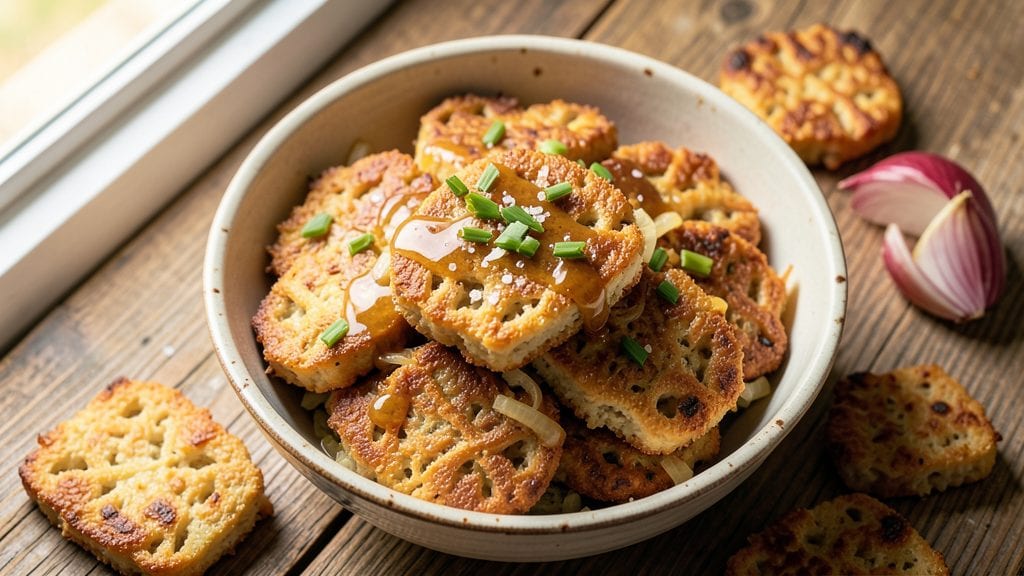
Grandma's potato latkes recipe brings the comforting flavors of Jewish cuisine to your kitchen with crispy edges and fluffy hearts—just like your bubbe used to make. The secret lies in freshly grated potatoes, the right mix of eggs and flour, and perfect frying temperatures that create that signature golden crunch.
I've been perfecting this recipe for years, and every batch brings back memories of family gatherings and the sizzle of the pan.
What makes these latkes special is the balance of texture and flavor—crispy on the outside, tender inside, with just enough vinegar to brighten the potatoes. The traditional method calls for grating potatoes by hand (no food processor!), which releases more starch and ensures that golden crust.
This recipe also includes a few professional tricks to prevent soggy latkes, like pressing out excess moisture and using a heavy skillet.
By the time you serve these up with applesauce or sour cream, you'll have a dish that's both nostalgic and impressive—crispy enough to stand up to hearty meals but light enough for breakfast.
The aroma alone will bring everyone to the table. Let's get started on making latkes that taste like home.
These latkes work perfectly as a side for brunch, a main for Shabbat, or even a snack with a dollop of cream cheese. The recipe includes a vegan option for those who want to keep it dairy-free, proving that tradition can be flexible. Here's how to make them just right.
Ingredients for grandma's potato latkes
Freshly grated potatoes, eggs, and flour create the perfect crispy latkes with fluffy hearts.
| Ingredient | Amount | Notes |
|---|---|---|
| Russet Potatoes 🥔 | 3 lb | Freshly grated, skin on preferred |
| Large Eggs 🥚 | 2 whole | Room temperature for best binding |
| All-Purpose Flour 🌾 | ½ cup | Sifted for even texture |
| White Vinegar 🍋 | 1 tbsp | Brightens potato flavor |
| Yellow Onion 🧅 | 1 medium | Finely grated, adds depth |
| Salt 🧂 | 1 ½ tsp | Kosher or sea salt preferred |
| Black Pepper 🌶️ | ½ tsp | Freshly ground for warmth |
| Vegetable Oil 🫒 | 4 cups | High smoke point, like canola |
| Applesauce 🍎 | ½ cup | Unsweetened for serving |
| Sour Cream 🥛 | ½ cup | Full-fat for richness |
| Fresh Parsley 🌿 | ¼ cup | Chopped, for garnish |
The potatoes are the heart of these latkes, so Russet potatoes are non-negotiable—their high starch content ensures that golden crust. Buy them fresh, not pre-cut or frozen, and grate them by hand (no food processor!) to release more starch. Whole Foods or local markets often carry the freshest potatoes. Store them in a cool, dark place until ready to use. The yellow onion adds subtle sweetness—grate it finely so it blends seamlessly into the mix. For extra authenticity, some families even grate a bit of apple into the batter, but that’s optional.
No vinegar? Lemon juice works in a pinch, though the flavor will differ slightly. Running out of flour? Potato starch or cornstarch can replace it at the same ratio, though texture may vary. If you prefer a vegan version, swap the eggs for 1/4 cup aquafaba or flaxseed meal mixed with water. The vegetable oil should have a high smoke point—canola or peanut oil are ideal. Don’t reuse oil for multiple batches unless you’re frying something else in between; fresh oil ensures the best crispiness each time.
Latkes reheat best in a 350°F oven for 10-15 minutes to restore crispiness. Store leftovers in an airtight container for up to 3 days, though they’re best enjoyed fresh. For a make-ahead option, freeze cooked latkes on a tray before transferring to a bag—they’ll keep for 2 months. Serve with applesauce or sour cream, and always garnish with fresh parsley for a pop of color and freshness.
Why You'll Love This Recipe
- No-Chop Shortcuts: I swear by the vinegar trick—soak those grated potatoes for 10 minutes, and the mess disappears. No extra steps, just golden perfection.
- Crispy-Creamy Magic: That first bite? Crunchy outside, pillowy inside—thanks to the egg binding and onion adding sweetness. It’s like a hug in potato form.
- Weeknight Crowd-Pleaser: Serve with applesauce for dinner, or pile high with sour cream and smoked salmon for brunch. Same recipe, totally different vibes.
- Budget Breakfast Leftovers: A whole batch costs less than takeout, and they reheat like a dream. My freezer’s always stocked—because nothing beats latkes the next day.
Step-by-step instructions for grandma's potato latkes
Master these techniques and you'll achieve that perfect balance of crispy edges and fluffy interiors.
Grate the Potatoes and Onion for Maximum Surface Area
Using a box grater or food processor, grate the 3 lb russet potatoes and 1 medium yellow onion together. I prefer using a box grater because it gives you better control over the texture—you want the potatoes to be finely grated but not turned into pulp. Place the grated mixture in a large bowl immediately after grating to prevent browning.
Squeeze out as much excess moisture as possible using a clean kitchen towel or cheesecloth. This step is crucial because too much moisture prevents the latkes from becoming crispy. I press down firmly with the towel and twist to wring out every drop. The drier the mixture, the crispier your latkes will be. You should have about 4 cups of grated potato-onion mixture after squeezing.
Combine Wet and Dry Ingredients for Perfect Binding
In a separate bowl, whisk together the 2 whole large eggs, 0.5 cup all-purpose flour, 1.5 tsp salt, and 0.5 tsp black pepper until smooth. Add the grated potato-onion mixture to this bowl and gently fold everything together using a rubber spatula. Be careful not to overmix—just combine until the flour is evenly distributed.
Stir in the 1 tbsp white vinegar last. This is what gives these latkes their signature tangy flavor and helps create that signature crispy exterior. The batter should hold together when pressed but not be too wet. If it's too loose, add 1-2 tablespoons more of the sifted flour. Let the mixture rest for 10 minutes at room temperature—this allows the flour to fully hydrate and the potatoes to release any remaining moisture.
Heat the Oil to the Perfect Temperature
Pour the 4 cups vegetable oil into a deep, heavy-bottomed skillet or Dutch oven. Heat the oil over medium heat until it reaches 350°F on a deep-fry thermometer. This is the sweet spot for golden-brown latkes—not too hot that they burn instantly, but hot enough to create that crispy crust. If you don't have a thermometer, test the oil by dropping in a small piece of potato batter—it should sizzle and float to the surface within 10-15 seconds.
Keep the oil at 350°F throughout cooking. I find it helpful to adjust the heat as needed—too hot and your latkes will burn before cooking through, too cool and they'll absorb too much oil. Maintaining consistent oil temperature is the secret to perfectly crispy latkes every time.
Fry the Latkes Until Golden Brown and Crispy
Using a large spoon or ice cream scoop, carefully drop 2-tablespoon portions of the potato mixture into the hot oil. I space them about 1 inch apart in the pan to give them room to crisp without steaming. Fry for 3-4 minutes per side until they're golden brown and crispy. You'll know they're ready when they release easily from the spoon and the underside is a deep golden color.
Don't overcrowd the pan—this lowers the oil temperature and makes the latkes greasy instead of crispy. I work in batches, frying about 8-10 latkes at a time. Transfer the cooked latkes to a paper towel-lined plate to drain excess oil. The latkes will continue to crisp up as they drain, so don't rush this step. Keep the oil at 350°F between batches for consistent results.
Serve Warm with Traditional Toppings
Serve the latkes immediately while they're still crispy. I like to arrange them on a platter and drizzle with a little more white vinegar if desired. The classic toppings are 0.5 cup applesauce and 0.5 cup sour cream, served on the side. The applesauce adds a sweet contrast to the savory latkes, while the sour cream provides a creamy, tangy element that ties everything together.
Garnish with 0.25 cup chopped fresh parsley just before serving for a pop of color and freshness. These latkes are best enjoyed right away when they're at their crispiest. If you need to keep them warm for a few minutes, place them in a 200°F oven on a wire rack to prevent them from becoming soggy. The perfect latke should have a crispy, golden-brown exterior with a tender, fluffy interior that holds together when cut.
Pro Tips For Making Grandma'S Potato Latkes
- GRATE POTATOES COLD: I learned this the hard way—grating potatoes right out of the fridge makes them grittier and wetter. Let them sit in cold water for 10 minutes first, then drain and pat very dry before mixing. This keeps your latkes from turning into soggy pancakes.
- USE A MANDOLINE (OR KNIFE): Russets have tough skins, and a box grater leaves uneven shreds. A mandoline gives perfect, thin slices—just remove the thickest setting. If you don’t have one, a sharp knife works, but don’t skip the extra squeeze to remove moisture.
- DON’T OVERMIX THE BATTER: Stir just until the flour disappears—any more, and you’ll get dense, chewy latkes. The batter should look like wet sand, not glue. My grandmother called this "the magic of lazy hands," and she was right: less handling means lighter, crispier results.
- FRIEZE THE POTATO MIX: Sounds weird, but it works: Spread the grated potato-onion-egg mixture on a tray and freeze for 30 minutes before frying. The cold batter hits the oil hotter, searing faster and locking in that golden crust. (Yes, even if you’re impatient like me.)
Perfect pairings for grandma's potato latkes
Sweet Contrasts
Applesauce is the classic topping, but I love experimenting with textures. Use unsweetened applesauce (like Mott’s Natural) for a clean, fruity contrast to the savory latkes. For a twist, try spiced applesauce with a pinch of cinnamon and nutmeg—just ¼ tsp each—to complement the crispy edges. 🍎
Sweet potato latkes work beautifully with maple syrup drizzle—just warm 1 tbsp maple syrup and brush lightly over the hot latkes before serving. The caramelized syrup adds a gourmet touch that pairs perfectly with the vinegar tang.
Creamy Complements
Full-fat sour cream is non-negotiable for that tangy richness, but I’ve had great success with crème fraîche for a slightly thicker, more luxurious texture. For a lighter option, Greek yogurt (like Fage 5%) works well—just chill it first to prevent melting. 🥛
If you want to go bold, try whipped mascarpone cheese mixed with a splash of lemon juice for brightness. Dollop it generously on top of the latkes for an Italian-Jewish fusion that feels indulgent yet balanced.
Savory Surprises
Swap out the sweet toppings for smoked salmon and capers—just place a thin slice of lox on each latke and sprinkle with 1 tsp capers and a pinch of dill. The salty, briny flavors cut through the richness beautifully. 🍣
For a heartier option, serve with caramelized onions—sauté 1 cup thinly sliced onions in 1 tbsp butter until deep golden brown. The sweetness of the onions enhances the potato’s natural flavor while adding depth.
Herb & Citrus Finishes
Fresh herbs elevate latkes instantly. I always garnish with chopped parsley, but cilantro or dill add a bright, fresh note. For a zesty kick, squeeze ½ lemon over the top—just before serving so the latkes stay crisp. 🌿
Try a chimichurri drizzle** for a South American twist. Mix ¼ cup parsley, 2 tbsp olive oil, 1 tbsp red wine vinegar, 1 garlic clove, and a pinch of red pepper flakes. Spoon it over the latkes for a herbaceous, tangy finish.
Nutrition facts
Frequently asked questions
Why do your latkes need to rest for 10 minutes before frying?
The 10-minute rest lets the flour fully absorb moisture and the potatoes release any remaining liquid. This prevents splattering in the pan and ensures crispy edges instead of greasy latkes. Think of it like letting dough relax—it makes all the difference!
Can I make these latkes ahead of time?
Fry them fresh, then store in an airtight container for up to 3 days. For longer storage, freeze cooked latkes on a tray before transferring to a bag—they keep for 2 months. Reheat in a 350°F oven for 10-15 minutes to restore crispiness.
What's the secret to crispy latkes that don't turn soggy?
Three keys: dry grated potatoes (squeeze out all moisture), 350°F oil (not too hot or cool), and no overcrowding in the pan. Also, use a heavy skillet like cast iron to maintain even heat. The vinegar helps too—it creates that signature crispy crust!
Can I substitute sweet potatoes for regular potatoes?
Yes, but expect a slightly denser texture. Use 2.5 lb sweet potatoes (they're less starchy) and add 1 tbsp extra flour to bind. For extra flavor, try a maple syrup drizzle instead of applesauce. The vinegar still works, but you might want to add ½ tsp cinnamon too.
How do I keep the latkes from sticking to the pan?
Make sure your oil is at 350°F and the pan is hot before adding batter. Use a heavy skillet (cast iron works best) and don't overcrowd—fry in batches of 8-10 latkes. Also, let the latkes cook undisturbed for 2-3 minutes per side before flipping. A well-seasoned pan helps too!