
Side Dishes
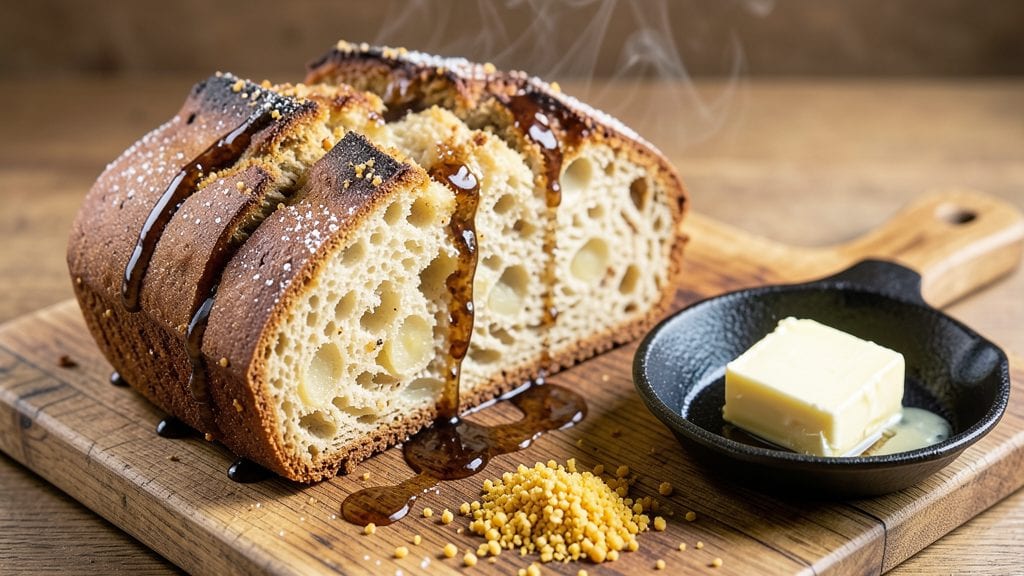
Grandma's old-fashioned potato bread recipe brings a taste of Appalachian kitchens to your table, where every slice carries the tang of vinegar and the richness of mashed potatoes. This isn't just bread—it's a tradition passed down through generations, with a dense, moist crumb that stays fresh for days.
I first learned to make it from my neighbor Mrs. Henderson in Cincinnati, where she'd let me help mash the potatoes while she sang hymns off-key.
The secret lies in the combination of cornmeal crust and vinegar-kissed dough, which creates that signature tang and hearty texture. Unlike modern quick breads, this recipe requires patience—kneading, rising, and baking time—but the results are worth every minute.
The buttery crust gives way to a tender interior with just the right amount of moisture, making it perfect for sandwiches or served alongside soups and stews.
What makes this potato bread truly special is how it transforms simple ingredients into something extraordinary. The potatoes add natural sweetness and moisture, while the cornmeal provides structure and that signature rustic flavor.
My version stays true to tradition but includes a few modern touches, like a sprinkle of sesame seeds for extra crunch.
Whether you're serving it warm from the oven or slicing it for sandwiches the next day, this bread delivers comfort in every bite. The aroma alone will transport you back to Grandma's kitchen, where the table was always set with homemade goodness. Let's get started on this timeless recipe.
Ingredients for grandma's old fashioned potato bread
Pantry staples plus a few special touches—this bread tastes like home.
| Ingredient | Amount | Notes |
|---|---|---|
| Russet Potatoes 🥔 | 2 lbs | Peeled and boiled until tender |
| All-Purpose Flour 🌾 | 3 cups | Unbleached preferred for texture |
| Yellow Cornmeal 🌽 | 1 cup | Fine grind for smooth texture |
| White Vinegar 💧 | ½ cup | Distilled works best for tang |
| Unsalted Butter 🧈 | ½ cup | Cold, cubed for crust |
| Granulated Sugar 🍯 | ¼ cup | Light brown sugar optional |
| Active Dry Yeast 🍞 | ¼ oz | 1 packet (2¼ tsp) |
| Warm Milk 🥛 | 1 cup | 110°F for yeast activation |
| Large Eggs 🥚 | 2 whole | Room temperature preferred |
| Salt 🧂 | 1 ½ tsp | Kosher or sea salt |
| Sesame Seeds 🌱 | 2 tbsp | Toasted for extra crunch |
| Vegetable Oil 🫒 | 2 tbsp | For greasing bowl |
The potatoes are the soul of this bread. Russets are the classic choice—thick skins hold up better when boiling, and the floury interior gives that signature moist crumb. Mrs. Henderson always used Idaho potatoes (they're Russets), and I've never found a good substitute. Boil them until fork-tender, then mash them smooth—no lumps, or the bread turns out dense. For the cornmeal, Bob's Red Mill fine grind is my go-to, but any good brand works. The vinegar? White vinegar is traditional, but apple cider vinegar adds a subtle sweetness if you prefer.
No Russet potatoes? Yukon Golds work in a pinch, but they're waxier and might make the bread slightly gummier. Running short on cornmeal? Substitute half with all-purpose flour, but the texture won't be quite the same—this bread relies on that cornmeal crust for its signature crunch. The yeast needs to be fresh, so if yours is past its expiration, test it in warm water first (should foam in 5-10 minutes). For the sesame seeds, toast them in a dry pan for 2 minutes before sprinkling—they'll smell amazing and add extra crunch. And if you're feeling fancy, swap the granulated sugar for light brown sugar for a hint of caramel notes.
This dough is a beast—it needs time. Let it rise until it's doubled in size, about 1.5 hours, and don't rush it. The bread keeps well too: 3-4 days at room temperature wrapped in a towel, or up to 1 week in the fridge. For extra freshness, freeze slices wrapped in plastic—they toast up like they're fresh from the oven. I like to make a double batch and freeze half; nothing beats pulling out a loaf straight from the freezer for a cozy sandwich. The aroma alone will have your whole house smelling like Grandma's kitchen.
Why You'll Love This Recipe
- No Peel, No Stress: I swear by the starchy magic of Russets—just grate them raw, no peeling, no fuss. That vinegar rinse keeps it from turning gummy, and honestly? The dough comes together faster than most bread recipes I’ve tried.
- Crispy Cornmeal Crunch: That yellow cornmeal coating isn’t just for looks—it delivers a buttery, toasty bite with every tear. Between us, it’s the secret weapon that makes this bread feel like a hug from Grandma, especially when warm with butter melting into the creamy center.
- Leftovers That Last: Between us, this bread stays fresh for days if wrapped tight. I freeze slices for quick toast or sandwiches—no sad, dried-out crust here. And yes, even on a Tuesday night, it’s the star of my lunchbox.
- Budget Baking Win: Russets are cheap, flour’s a pantry staple, and butter stretches far when you’re working with cornmeal’s texture. I’ll be real: this is the kind of recipe that makes frugal baking feel like a victory, not a sacrifice. Plus, it feeds a crowd without breaking the bank.
Step-by-step instructions for Grandma's old fashioned potato bread
Here's how to make this classic bread with a tender crumb and crispy cornmeal crust.
Prepare the Potato Base
Peel the 2 lbs russet potatoes and cut them into even chunks. Place them in a pot of cold water and bring to a boil over high heat. Once boiling, reduce to medium heat and cook for 20-25 minutes until fork-tender. Drain thoroughly and mash until completely smooth with no lumps.
Let the mashed potatoes cool slightly—this prevents killing the yeast when mixed later. I like to spread them on a plate and refrigerate for 10 minutes while I prepare the yeast mixture. The cooler temperature also helps stabilize the dough structure.
Mix the Yeast and Wet Ingredients
In a large mixing bowl, whisk together the 1 cup warm milk (110°F), 0.25 oz active dry yeast, and 0.25 cup granulated sugar until the yeast dissolves completely. Let it sit for 5-10 minutes until frothy—this confirms the yeast is active. If it doesn't foam, your bread won't rise properly.
Add the 2 whole large eggs, 0.5 cup white vinegar, and 1.5 tsp salt to the yeast mixture. Stir well to combine, then gradually mix in the 3 cups all-purpose flour and 1 cup yellow cornmeal until a shaggy dough forms. The vinegar adds tang while tenderizing the gluten, giving this bread its signature moist texture.
Incorporate the Potato Mixture
Gradually fold in the cooled mashed potatoes while mixing on low speed with a dough hook attachment (or by hand). The dough will be sticky but manageable—this is normal. Add the 0.5 cup cold cubed unsalted butter and mix until fully incorporated. The butter should be distributed evenly for that rich, flaky crust.
Knead the dough for 3-5 minutes until it comes together and pulls away from the bowl sides. It won't be smooth like traditional bread dough—this is intentional. The potato content makes it denser. Cover the bowl with a damp towel and let rise in a warm place for 1 hour or until doubled in size.
Shape and Second Rise
Gently punch down the risen dough and shape it into a round loaf on a parchment-lined baking sheet. Brush the top with a little water, then sprinkle evenly with 2 tbsp toasted sesame seeds for that classic crunch. Let it rise again for 30-45 minutes until puffy—this helps create the signature dome shape.
Preheat your oven to 375°F with a rack in the middle position. Brush the loaf with an egg wash (1 egg beaten with 1 tablespoon water) for extra shine. Bake for 40-45 minutes until golden brown and the internal temperature reaches 190°F. The crust should be crisp while the interior remains soft and moist.
Cool and Serve
Remove from the oven and let cool on a wire rack for 10 minutes before slicing. The bread will be warm inside but firm enough to handle. Cut into thick slices—this bread is best served fresh when it's still slightly warm and fragrant from the cornmeal crust.
For maximum flavor, serve with softened butter or honey butter. The vinegar-kissed tang pairs beautifully with sweet spreads, while the cornmeal crust adds a delightful textural contrast. Store any leftovers wrapped in a clean towel to keep them moist for up to 3 days.
Pro Tips For Making Grandma'S Old Fashioned Potato Bread
- RICE THE POTATOES: DESCRIPTION: Grab a box grater—not a food processor—and shred those Russets into fine, even strands. I learned the hard way that chunky shreds mean a gummy, uneven texture. Yes, it takes longer, but the result is worth it.
- COOK THE CORNMEAL: DESCRIPTION: Toast the yellow cornmeal in a dry skillet for 2–3 minutes before mixing it into the batter. That nutty aroma and crunch make a real difference—skip this, and you’re missing the soul of the bread.
- DON’T SKIP THE REST: DESCRIPTION: Let the dough sit for at least 15 minutes after mixing the vinegar and butter. I know, I know—you’re eager to bake. But this step guarantees a tender crumb instead of a dense brick.
- BAKE UNTIL GOLDEN: DESCRIPTION: Watch the top closely after 30 minutes—it should be deep golden, not just pale. If it’s browning too fast, tent with foil. Overbaking turns this bread dry; underbaking leaves it gummy. Find that sweet spot.
Wine and beer pairings for this recipe
Wine Pairings
This potato bread’s vinegar-kissed tang and cornmeal crust make it a perfect match for crisp, dry whites. I always reach for a German Riesling—specifically a Mosel Riesling—because its bright acidity and subtle mineral notes complement the bread’s rustic texture.
The slight sweetness in some Rieslings also balances the vinegar’s sharpness beautifully. 🍷
For a more robust pairing, try a dry sparkling wine like Prosecco or Cava. The bubbles cleanse your palate between bites, while the wine’s acidity mirrors the bread’s tang. I’ve had great success with La Marca Prosecco from Italy—it’s affordable and always reliable.
Beer Pairings
A Belgian witbier is my go-to beer pairing for this bread. The Hoegaarden or Stella Artois styles bring citrusy coriander and a light effervescence that cuts through the richness. The bread’s sesame seeds add a nutty contrast that pairs wonderfully with the beer’s herbal notes. 🍺
For a heartier option, a light American lager like Budweiser or Coors Banquet works surprisingly well. The clean, crisp profile lets the bread’s flavors shine without overpowering them.
I also love pairing it with a sour ale, like Allagash White, for a funky twist that echoes the vinegar’s tang.
Cider Pairings
Don’t overlook dry hard cider—it’s a fantastic match for this bread’s rustic charm. I adore Strongbow Original or Woodchuck Hard Cider because their slight bitterness and crisp acidity stand up to the cornmeal’s earthiness. The cider’s apple notes also complement the potatoes’ natural sweetness. 🍎
Non-Alcoholic Options
For a refreshing non-alcoholic choice, sparkling apple cider like Martinelli’s is a crowd-pleaser. The effervescence and apple flavor create a delightful contrast with the bread’s savory crust. I also enjoy ginger beer—the spicy kick pairs surprisingly well with the sesame seeds and vinegar tang.
Nutrition facts
Frequently asked questions about Grandma's potato bread
Why does this potato bread have such a dense texture?
The combination of mashed potatoes and cornmeal creates that signature dense, moist crumb. The potatoes add natural moisture and sweetness, while the cornmeal provides structure without making the bread too light. The vinegar also tenderizes the gluten, preventing a tough texture. This is what makes it perfect for sandwiches or serving alongside hearty soups!
Can I make this bread without cornmeal?
You can substitute half the cornmeal with all-purpose flour, but the texture will be different. The cornmeal gives this bread its signature rustic crunch and slightly earthy flavor. For a closer match, try using 1 cup cornmeal and 2 cups flour instead of the full 3 cups flour in the recipe. The crust won't be as crispy, but it'll still be delicious!
How do I store leftover potato bread?
Wrap cooled slices in a clean kitchen towel or beeswax wrap to keep them moist. Store at room temperature for 3-4 days, or refrigerate for up to 1 week. For longer storage, freeze slices wrapped in plastic—they toast up beautifully! The towel helps maintain that soft, fresh-from-the-oven texture longer than plastic alone.
What's the best way to reheat potato bread?
For the best results, wrap a slice in foil and warm in a 350°F oven for 5-7 minutes. You can also use a toaster or toaster oven for 2-3 minutes—watch closely to avoid burning the crust. The cornmeal topping gets extra crispy when reheated, which is part of its charm! Avoid microwaving—it makes the bread gummy rather than crisp.
Can I add herbs or spices to this recipe?
Try adding 1 tsp dried rosemary or thyme to the dough for a savory twist, or ½ tsp cinnamon if you prefer a slightly sweet version. For extra flavor, mix 1 tbsp fresh parsley into the egg wash before brushing on top. Just be mindful—too many additions can alter the bread's signature tangy-sweet balance.