
Side Dishes
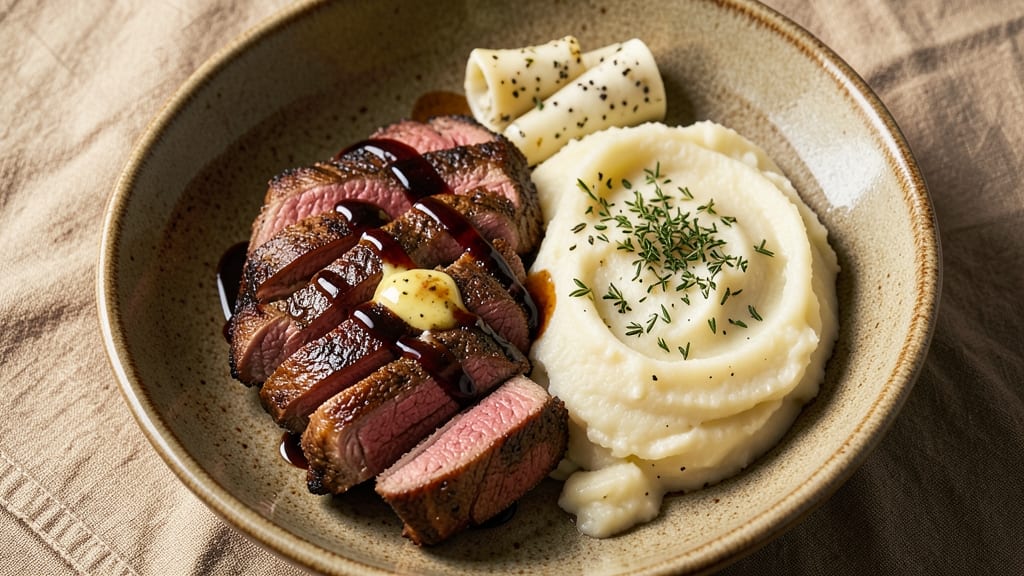
Mastering Gordon Ramsay’s steak and mashed potatoes means achieving steakhouse-quality crust and buttery fluff—the kind of dinner that makes guests believe you’ve spent years perfecting your technique.
The secret lies in precise timing for the steak’s sear and rest, paired with velvety potatoes that melt in your mouth without a trace of grittiness. I’ve recreated this dish after analyzing Ramsay’s signature touches, from the perfect herb butter to the golden-brown crust on the potatoes.
This recipe delivers restaurant-worthy results with just a few key techniques: a high-heat sear for the steak to lock in juices, a slow reduction for the mashed potatoes to achieve that signature texture, and a finishing touch of truffle oil or fresh herbs.
The difference between home-cooked and professional-quality dishes often comes down to these small details—like resting the steak properly or using a potato ricer for ultra-smooth mash. Every step is designed to elevate your cooking game.
By the time you serve this dish, your steak will have a crispy, caramelized crust with a tender pink center, while the mashed potatoes will be light, airy, and studded with rich butter and cream.
The combination of flavors—smoky steak, creamy potatoes, and aromatic herbs—creates a meal that feels like a five-star dining experience. This is the kind of dish that turns weeknight dinners into memorable occasions.
Whether you’re hosting a dinner party or treating yourself to a special night in, this recipe ensures foolproof, professional-level results without requiring advanced skills. The techniques are straightforward once you understand the principles, and the payoff is a meal that rivals any high-end restaurant.
Let’s get started on creating this showstopper dish.
Ingredients for gordon ramsay steak and mashed potatoes
Steakhouse-quality crust and velvety mash start with these premium ingredients—each chosen for texture and flavor precision.
| Ingredient | Amount | Notes |
|---|---|---|
| Ribeye Steak 🥩 | 1 ½ lb | 2-inch thick cut, room temperature |
| Unsalted Butter 🧈 | ½ cup | Cold, cubed for crust development |
| Fresh Thyme Leaves 🌿 | ¼ cup | Finely chopped, stems removed |
| Fresh Rosemary 🌿 | ¼ cup | Finely chopped, fresh preferred |
| Russet Potatoes 🥔 | 3 lb | Yukon Gold alternative, peeled |
| Heavy Whipping Cream 🥛 | 1 cup | Full-fat for best texture |
| Whole Milk 🥛 | ½ cup | Warmed for smoother mash |
| Diamond Crystal Kosher Salt 🧂 | 1 ½ tsp | For seasoning, adjust to taste |
| Freshly Ground Black Pepper 🌶️ | 1 tsp | Freshly cracked for best flavor |
| Extra-Virgin Olive Oil 🫒 | 1 tbsp | High-quality, for searing |
| Truffle Oil 🍄 | 1 tsp | Optional finishing touch |
| Garlic Cloves 🧄 | 4 cloves | Minced for herb butter |
The steak is non-negotiable. Ribeye with good marbling delivers that signature crust and juicy center. I always grab mine from D'Artagnan or the butcher counter at Whole Foods—ask for a 2-inch thick cut. Room temperature is key: take it out of the fridge 45 minutes before cooking. For the potatoes, Russets are ideal—their starch content gives that fluffy texture, but Yukon Golds work too if you prefer a creamier mash. Peel them first to save time later, and cut into even chunks so they cook uniformly.
No truffle oil? Fresh thyme and rosemary still deliver that aromatic punch—just add an extra pinch of salt to compensate. The herb butter is where magic happens: cold butter develops the best crust, so don’t melt it beforehand. For the mashed potatoes, warm the milk and cream before mixing—it blends smoother and creates that signature velvety texture. Short on time? Instant potatoes are a last-resort swap, but they’ll lack that restaurant-quality fluff. The garlic in the herb butter can be pre-minced from a jar if you’re in a rush, but fresh is always better.
Steak rests best on a wire rack over a plate to catch juices—5-10 minutes before slicing. The mashed potatoes reheat beautifully: just pop them in a 350°F oven for 10-15 minutes with a splash of warm milk. Store leftovers in airtight containers for 3-4 days in the fridge, or freeze for up to 3 months. For the herb butter, shape it into a log, wrap tightly in parchment, and freeze for up to 6 months. Double the batch—it disappears fast.
Why You'll Love This Recipe
- No-Fuss Timing: I swear by this for weeknights—just sear the ribeye in a screaming-hot pan with butter and herbs, then let it rest while the potatoes boil. Fifteen minutes of hands-off magic.
- Herb-Crusted Perfection: That rosemary-thyme butter basting? It turns a simple ribeye into something restaurant-worthy. The crust stays crisp while the inside melts like butter—no fancy seasoning blends needed.
- Leftovers That Feel Fresh: The steak reheats beautifully in the oven with a splash of broth, and those fluffy potatoes? Just a quick microwave zap. Honestly, my lunchbox gets jealous of my dinner leftovers.
- Budget-Friendly Luxury: A single ribeye and a few potatoes stretch across two meals without breaking the bank. (Yes, even on a Tuesday night.) The key? Cook the steak rare—it stretches further than you’d think.
Step-by-step instructions for steakhouse crust and buttery fluff
Mastering this dish comes down to perfect timing and technique—juicy steak meets velvety mash.
Create the Herb Butter and Prepare the Potatoes
In a small bowl, combine the 0.5 cup unsalted butter with the 0.25 cup fresh thyme leaves, 0.25 cup fresh rosemary, 4 cloves minced garlic, 1.5 tsp diamond crystal kosher salt, and 1 tsp freshly ground black pepper. Mix until fully incorporated and roll into a log. Wrap tightly in plastic wrap and chill for 15 minutes—this keeps the butter firm for perfect crust development.
While the herb butter chills, peel and cut the 3 lb russet potatoes into 2-inch chunks. Place them in a large pot, cover with cold water by 2 inches, and add 1 tsp diamond crystal kosher salt. Bring to a boil over high heat, then reduce to a gentle simmer for 15-20 minutes until fork-tender. Drain thoroughly and return to the pot.
Sear the Ribeye to Restaurant Perfection
Take the 1.5 lb ribeye steak out of the refrigerator and let it sit at room temperature for 30 minutes—this ensures even cooking. Pat it dry with paper towels, then season both sides generously with diamond crystal kosher salt and freshly ground black pepper. Heat a cast-iron skillet over high heat until it's smoking hot, then add 1 tbsp extra-virgin olive oil. Place the steak in the pan and sear for 3-4 minutes per side until it develops a deep brown crust. For a 2-inch thick cut, aim for medium-rare (internal temperature 130-135°F).
During the last 2 minutes of searing, reduce heat to medium and add the chilled herb butter to the pan. Tilt the pan slightly and spoon the melted butter over the steak repeatedly until it forms a golden crust. Let the steak rest on a wire rack for 10 minutes—this is non-negotiable for retaining juices.
Craft the Ultimate Mashed Potatoes
Return the drained potatoes to the pot and let them sit off the heat for 2 minutes to evaporate excess moisture. Add the 1 cup heavy whipping cream and 0.5 cup warmed whole milk, then mash with a potato masher or ricer until smooth. The texture should be light and airy, with no lumps—this is where the magic happens.
For extra indulgence, fold in 2 tbsp of the reserved herb butter (from the steak) and adjust seasoning with more diamond crystal kosher salt and freshly ground black pepper if needed. Cover the pot and keep warm over low heat—do not let it sit too long or the potatoes will dry out.
Finish with Truffle Oil and Serve
Slice the rested steak against the grain into ½-inch thick pieces. Drizzle each portion with 1 tsp truffle oil and garnish with a sprig of fresh rosemary. For the mashed potatoes, spread them on a warmed plate, creating a smooth, buttery mound. Top with an additional drizzle of truffle oil and a pinch of freshly ground black pepper for a finishing touch.
Serve the steak immediately alongside the mashed potatoes, ensuring every bite delivers juicy tenderness and creamy perfection. The herb butter crust on the steak should contrast beautifully with the silky-smooth potatoes, creating a dish worthy of any steakhouse.
Pro Tips For Making Gordon Ramsay Steak And Mashed Potatoes
- Sear Ribeye Hard: Hit that ribeye with a blowtorch or high-heat pan for 30 seconds after searing—it caramelizes the crust like Gordon’s does. I used to skip this, and the steak never had that restaurant-quality depth.
- Peel Potatoes After Boiling: Russets soften unevenly—wait until they’re fork-tender, then plunge into ice water before peeling. This keeps them intact and saves you from scrubbing off gummy skins mid-mash.
- Don’t Overcrowd the Pan: If you’re cooking multiple steaks, work in batches or use a larger skillet. Crowding steams the meat instead of searing it, and you’ll end up with sad, uneven crusts.
- Use Cold Butter for Mash: Cut that unsalted butter into cold cubes before adding it to the potatoes—it melts slower and gives you fluffier, less gluey mash. I learned this after making a lumpier batch than I’d care to admit.
Make-ahead tips for this recipe
Potato Prep Ahead
Peel and chop your 3 lb russet potatoes into 2-inch chunks the night before and store them in cold water in the refrigerator. This keeps them fresh and prevents browning. Drain and pat dry just before cooking to ensure even boiling.
I always do this step first—it saves 15 minutes on the day of cooking and ensures your potatoes are ready when you need them. 🥔
Herb Butter Storage
Make the herb butter 24 hours ahead and store it wrapped tightly in plastic in the fridge. The flavors meld beautifully overnight, and the butter stays firm for that perfect crust on your steak.
For extra convenience, shape it into a log and freeze it for up to 6 months. Thaw it in the fridge for 1-2 hours before using. This is my secret weapon for stress-free cooking days. 🧈
Steak Prep Timeline
Take your 1.5 lb ribeye out of the fridge 45 minutes before cooking to reach room temperature. Season it generously with salt and pepper, then wrap it loosely in plastic wrap and refrigerate.
This keeps it at the perfect temperature while you finish the potatoes. I like to do this step right after prepping the potatoes so everything stays on schedule. 🥩
Reheating Mashed Potatoes
If you're making the mashed potatoes ahead, let them cool completely, then store them in an airtight container. Reheat them in a 350°F oven for 10-15 minutes with a splash of warm milk to restore their creaminess.
For a quick stovetop method, heat them gently over low heat while stirring in 1 tbsp butter at a time until smooth. This keeps them from drying out. ✨
Garnish Prep
Chop your fresh rosemary and thyme and store them in small airtight containers in the fridge for up to 5 days. Keep the truffle oil in a separate container—it’s potent, and you only need a few drops.
I like to pre-portion everything into tiny containers so I can grab and go when plating. This makes the final presentation look effortless. 🌿
Serving Strategy
Assemble your plates just before serving to keep everything hot and fresh. Use a wire rack to rest your sliced steak while you reheat the potatoes. Keep the mashed potatoes covered until the last minute to prevent drying.
I always serve the steak first, then add the potatoes—this keeps the crust intact and the potatoes at their peak texture. 💫
Nutrition facts
Frequently asked questions
What's the secret to getting that perfect crust on the steak?
The golden crust comes from two key steps: using cold herb butter during the last 2 minutes of searing, and ensuring your pan is smoking hot before adding the steak. The butter melts slowly, creating a rich, caramelized layer while keeping the interior juicy. Never skip the 10-minute rest—this lets the crust set properly.
Can I make the mashed potatoes ahead of time?
Let the potatoes cool completely, then store them in an airtight container in the fridge for up to 3 days. Reheat in a 350°F oven for 10-15 minutes with a splash of warm milk to restore creaminess. For best texture, avoid reheating in the microwave—it creates a gummy consistency.
What if my steak turns out too tough?
Overcooking is the #1 cause of tough steak. Use a meat thermometer to check for medium-rare (130-135°F)—never guess! For thicker cuts, pull it off heat 5°F below your target temp and let it rest. Also, avoid pressing the steak while cooking—this squeezes out juices.
How do I adjust this recipe for a larger group?
Scale the steak and potatoes proportionally—1.5 lbs steak per 3 lbs potatoes maintains balance. For 6 servings, use 3 lbs ribeye and 6 lbs potatoes. Cook the steaks in batches if needed, and keep them warm in a 200°F oven while finishing the potatoes. Double the herb butter recipe too—it disappears fast!
Can I substitute Yukon Golds for russet potatoes?
Yes, but expect a slightly creamier texture. Yukon Golds have more moisture, so they'll need 1-2 extra minutes of cooking time. To compensate, reduce the milk by 2 tbsp when mashing. The flavor will be richer, though less fluffy than classic russets.