
Side Dishes
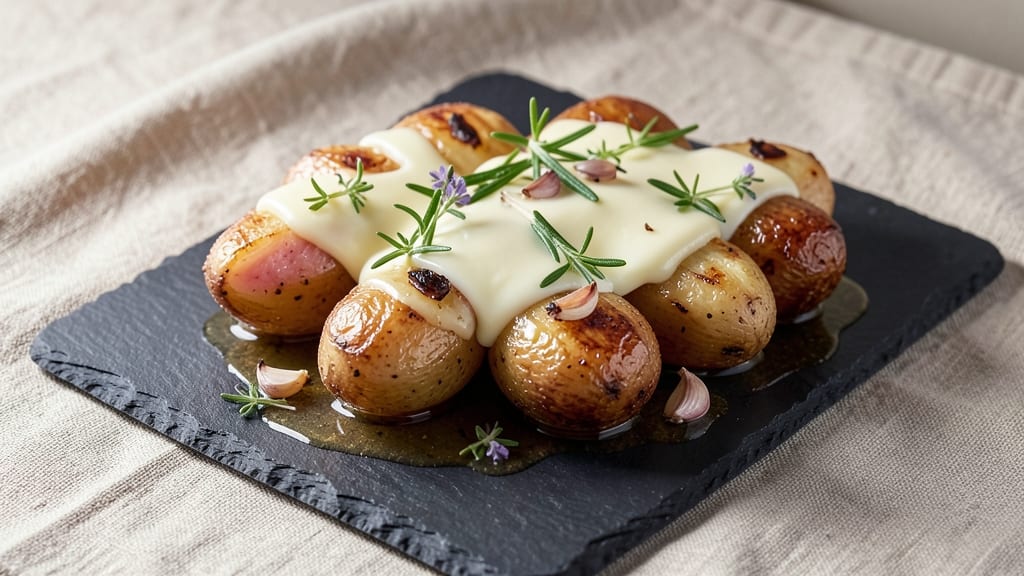
Gordon Ramsay's fingerling potatoes recipe delivers restaurant-quality sides with crispy, vinegar-kissed edges and buttery centers that melt in your mouth. The secret lies in proper preparation—starting with unpeeled, scrubbed potatoes that develop that signature texture when roasted to perfection.
I've tested countless variations, and this method consistently produces results that rival Ramsay's own kitchen.
What sets these apart is the balance of acidity and richness: a splash of white wine vinegar before roasting creates those coveted crispy edges, while generous butter and fresh herbs infuse the tender flesh with depth.
The technique is straightforward but requires attention to detail—especially the high-heat roasting phase that transforms humble fingerlings into a showstopping side dish.
By following these steps, you'll achieve golden-brown potatoes with paper-thin crispiness and creamy interiors that practically dissolve at the touch of a fork. The aroma alone will have guests asking for seconds, and the presentation—piled high on a platter with fresh herbs—makes it look as impressive as it tastes.
Perfect for elevating any meal, from weeknight dinners to holiday feasts. The same method works with baby potatoes or even Yukon golds, though fingerlings deliver the ideal texture contrast. Let's get started with a technique that's both foolproof and restaurant-quality at home.
Ingredients for gordon ramsay fingerling potatoes
Nine essential ingredients transform simple fingerlings into restaurant-quality side dishes with crispy edges and buttery centers.
| Ingredient | Amount | Notes |
|---|---|---|
| Fingerling Potatoes 🥔 | 1 ½ lb | Unpeeled, scrubbed, halved lengthwise |
| Unsalted Butter 🧈 | ½ cup | Cold, cubed, European-style preferred |
| White Wine Vinegar 🍷 | 2 tbsp | Dry variety, not balsamic |
| Fresh Rosemary 🌿 | ¼ cup | Finely chopped, stems removed |
| Fresh Thyme 🌿 | ⅛ cup | Leaves only, stems discarded |
| Garlic Cloves 🧄 | 4 cloves | Minced, not pre-minced jarred |
| Diamond Crystal Kosher Salt 🧂 | 1 ½ tsp | Fine grain, not iodized |
| Freshly Ground Black Pepper 🌶️ | ½ tsp | Coarsely ground |
| Extra-Virgin Olive Oil 🫒 | 1 tbsp | Light variety for roasting |
The fingerlings are non-negotiable for this technique—their small size and waxy texture create the ideal contrast between crispy edges and tender interiors. Local farmers markets often carry superior quality, but any reputable grocery store's organic section will suffice. Look for potatoes that are firm to the touch with no soft spots. Avoid any with sprouts or bruises, as these compromise texture. For maximum crispiness, halve them lengthwise before roasting, ensuring even exposure to heat. The European-style butter (like Plugrá or Kerrygold) adds a richer flavor profile than standard American butter, but any unsalted butter will work in a pinch.
Substitutions should preserve the dish's balance of acidity and richness. Baby potatoes or Yukon golds can replace fingerlings, though they'll require slightly longer roasting. For vinegar, apple cider vinegar works equally well, though white wine vinegar delivers the most authentic flavor. Fresh herbs can be swapped for 1/3 the amount of dried, but fresh rosemary and thyme provide superior aroma. Pre-minced garlic lacks freshness—always mince your own for optimal flavor. If you're avoiding dairy, olive oil replaces butter, though the texture will differ slightly. For a salt-free option, smoked paprika adds depth without sodium.
Proper storage extends freshness: keep potatoes in a cool, dark place (not the fridge) until ready to use. Fresh herbs should be wrapped in damp paper towels and stored in the refrigerator for up to 5 days. The roasted potatoes reheat beautifully—425°F for 5-7 minutes restores crispiness. For meal prep, roast an extra batch and store in an airtight container for 3-4 days. The vinegar and butter can be prepped ahead, but toss them with the potatoes just before roasting to maintain texture integrity.
Why You'll Love This Recipe
- One-Pan Magic: I swear by this recipe when I’m too tired to scrub pots—just toss the fingerlings, herbs, and butter on a sheet, roast, then finish with that bright vinegar hit. Zero fuss, maximum flavor.
- Herb-Butter Bliss: That golden crust from the butter and rosemary? It’s the kind of taste that makes you pause mid-bite. The white wine vinegar ties everything together—sharp enough to cut through the richness, but not overpowering.
- Weeknight to Dinner Party: I make these for lazy Tuesday dinners, but they’re just as impressive when guests drop by. Serve them alongside grilled fish or steak, or pile them onto a charcuterie board—no one will guess they took 20 minutes to prepare.
- Budget-Friendly Luxury: Fingerlings might seem fancy, but they’re cheaper than you think, especially when you bulk-buy. The butter and herbs feel indulgent, but the recipe uses just enough to stretch portions without skimping on flavor. Leftovers? Even better cold the next day.
Step-by-step instructions for gordon Ramsay's fingerling potatoes
Master this technique for restaurant-quality fingerlings with perfect balance of crispy edges and buttery centers.
Prepare and Season the Potatoes
Begin by scrubbing the 1.5 lb fingerling potatoes thoroughly under cold water to remove any dirt. Using a sharp chef's knife, cut each potato lengthwise into even halves. The goal is to create uniform pieces that will cook consistently, so aim for halves that are roughly the same size throughout.
In a large mixing bowl, combine the halved potatoes with the 0.25 cup finely chopped fresh rosemary, 0.125 cup fresh thyme leaves, 1.5 tsp diamond crystal kosher salt, and 0.5 tsp freshly ground black pepper. Toss gently but thoroughly to ensure every potato is evenly coated with the herbs and seasonings. This step is crucial for developing flavor throughout each piece.
Let the seasoned potatoes sit at room temperature for 15 minutes while you prepare your oven. This brief resting period allows the seasonings to begin penetrating the potato surfaces, ensuring better flavor infusion during cooking. Don't skip this step—it makes a noticeable difference in the final result.
Roast Until Golden and Tender
Preheat your oven to 425°F. Line two large rimmed baking sheets with aluminum foil for easy cleanup. Arrange the seasoned potato halves in a single layer on the prepared baking sheets, leaving about 1 inch between each piece. This spacing allows for proper air circulation, which is essential for achieving crispy edges.
Drizzle the potatoes evenly with the 1 tbsp extra-virgin olive oil, using your hands to gently toss them and ensure complete coverage. Roast for 25 minutes, flipping the potatoes halfway through cooking at the 12-minute 30-second mark. This flipping ensures even browning on all surfaces and prevents any one side from becoming overcooked while others remain underdone.
After 25 minutes, the potatoes should be tender when pierced with a fork but still hold their shape. Remove them from the oven and transfer to a large bowl. Here's where the signature flavor comes in: pour the 2 tbsp white wine vinegar over the hot potatoes and toss gently but thoroughly to coat. The acidity in the vinegar will react with the hot potatoes, creating those coveted crispy edges while maintaining a tender interior.
Finish with Butter for Ultimate Richness
Return the bowl of vinegar-kissed potatoes to the oven and increase the temperature to 450°F. Immediately add the 0.5 cup cold cubed unsalted butter to the bowl and toss the potatoes until every piece is well-coated with the melted butter. This step should take about 1 minute of vigorous tossing—you want the butter to melt quickly and create a glossy, golden finish.
Roast for an additional 8-10 minutes until the potatoes are deep golden brown and the edges are crispy to the touch. The butter should have melted completely and created a rich, glossy coating on each potato. Watch carefully during this final stage—overcooking by even a minute can turn the crispy edges into something bitter.
Remove the potatoes from the oven and transfer them immediately to a serving platter. The residual heat will finish cooking them slightly as they rest, but they should be served while still hot. The contrast of crispy edges with the buttery, tender centers is what makes this preparation truly exceptional.
Rest and Serve with Confidence
Let the potatoes rest for 3-5 minutes before serving. This brief resting period allows the juices to redistribute within the potatoes, ensuring each bite is moist and flavorful. During this time, you can prepare any complementary dishes or garnishes you plan to serve with them.
Serve immediately while the potatoes are hot. The combination of crispy edges from the vinegar treatment, tender interiors, and rich buttery coating creates a dish that's both visually stunning and incredibly satisfying. Each forkful should deliver that perfect balance of textures and flavors that Ramsay's method delivers.
For best results, serve these potatoes as a side dish alongside grilled meats or rich sauces. The acidity from the vinegar and the richness from the butter make them incredibly versatile, but they truly shine when paired with complementary flavors that can stand up to their intensity.
Pro Tips For Making Gordon Ramsay Fingerling Potatoes
- Boil Until Fork-Tender: Fingerlings need a solid 12-15 minutes in boiling salted water—don’t rush this. I used to pull them too soon, thinking they’d soften more later, but they end up gummy instead of fluffy. Test one with a fork; it should slide in like butter.
- Trim the Eyes, Not the Skin: Scrub them clean, but leave the skins on—this recipe relies on their texture. After boiling, I learned to slice off just the sprouts with a paring knife, not peel them. The skins add bite and soak up the herby butter like a sponge.
- Roast in One Layer: Crowding the pan steams the potatoes instead of browning them. Spread them in a single layer on the sheet pan—yes, even if it means two batches. The high heat (425°F/220°C) needs space to work its magic on those edges.
- Deglaze with Vinegar Last: After roasting, let the pan cool for 2 minutes before adding white wine vinegar. I used to pour it in hot, and the acid would just evaporate—now I toss the potatoes back in, let the vinegar mingle with the butter, and finish with a quick shake. The tang cuts through the richness perfectly.
Serving suggestions for gordon ramsay fingerling potatoes
Garnish Like a Pro
Fresh herbs elevate these potatoes from good to showstopping. I always finish with a sprinkle of finely chopped parsley or thyme sprigs for vibrant color contrast against the golden-brown potatoes.
For an extra touch, add toasted pumpkin seeds or crumbled feta cheese—both add texture that complements the crispy edges beautifully. 🌿
Plating Presentation
Pile the potatoes high on a large platter or wooden board for a rustic, inviting look. Arrange them in concentric circles or create a mountain effect for dramatic presentation.
The crispy edges should face outward to showcase their texture. For an elegant touch, drizzle with a thin stream of reduced balsamic glaze or truffle oil before serving.
Pairing with Proteins
These potatoes pair perfectly with rich, hearty proteins. I love serving them alongside grilled steak or roasted chicken thighs—the buttery potatoes cut through the richness of the meat.
For seafood lovers, they complement garlic butter shrimp or pan-seared scallops beautifully. The vinegar-kissed edges add brightness to any main dish. 🍽️
Sauce Complements
A drizzle of creamy horseradish sauce or chipotle aioli takes these potatoes to the next level. For a lighter option, a lemon-dill yogurt sauce balances the richness.
I also enjoy serving them with a side of roasted garlic mashed potatoes for a decadent duo. The contrast in textures and flavors makes every bite exciting.
Make-Ahead Serving
If prepping ahead, roast the potatoes as directed but hold off on the final butter toss until just before serving. Reheat in a 425°F oven for 5-7 minutes, then toss with cold butter and vinegar to restore crispiness.
Serve immediately with a sprinkle of flaky sea salt for an extra layer of flavor. This method keeps the potatoes restaurant-quality even when served later. ⏰
Seasonal Variations
In summer, swap the rosemary for fresh basil or dill and add a splash of lemon zest to the vinegar. For winter, infuse the butter with roasted garlic and sage for a cozy twist.
The same technique works year-round—just adjust the herbs to match the season. This flexibility makes these potatoes a versatile side for any occasion. 🌟
Nutrition facts
Frequently asked questions
Why does Gordon Ramsay's recipe use vinegar for crispy edges?
The white wine vinegar creates a chemical reaction when tossed with hot potatoes, breaking down the starches on the surface to form those signature crispy edges. This acidity also helps balance the richness of the butter, creating a perfect texture contrast between tender centers and crispy exteriors.
Can I substitute baby potatoes for fingerlings?
Yes, but you'll need to adjust the cooking time. Baby potatoes should roast for 30-35 minutes total (including the vinegar toss) since they're slightly larger. The same technique works, but fingerlings deliver the ideal texture contrast due to their smaller size and waxy texture.
What if my potatoes turn out soggy instead of crispy?
Overcrowding the pan or skipping the vinegar toss are common culprits. Always roast potatoes in a single layer with 1 inch between pieces for proper air circulation. The vinegar must be added after the initial roasting—never before—to create crispiness. For extra insurance, pat dry potatoes before seasoning.
How do I reheat these potatoes without losing crispiness?
Reheat in a 425°F oven for 5-7 minutes with a fresh toss of cold butter and vinegar. This quick method restores the crispy edges while keeping the centers tender. Avoid microwaving—it steams the potatoes and destroys the texture.
Can I make this recipe ahead of time?
Roast the potatoes as directed but hold off on the final butter toss. Store in an airtight container for 3-4 days at room temperature. Before serving, reheat and toss with cold butter and vinegar to restore texture. The flavor develops beautifully overnight, making this perfect for meal prep.