
Side Dishes
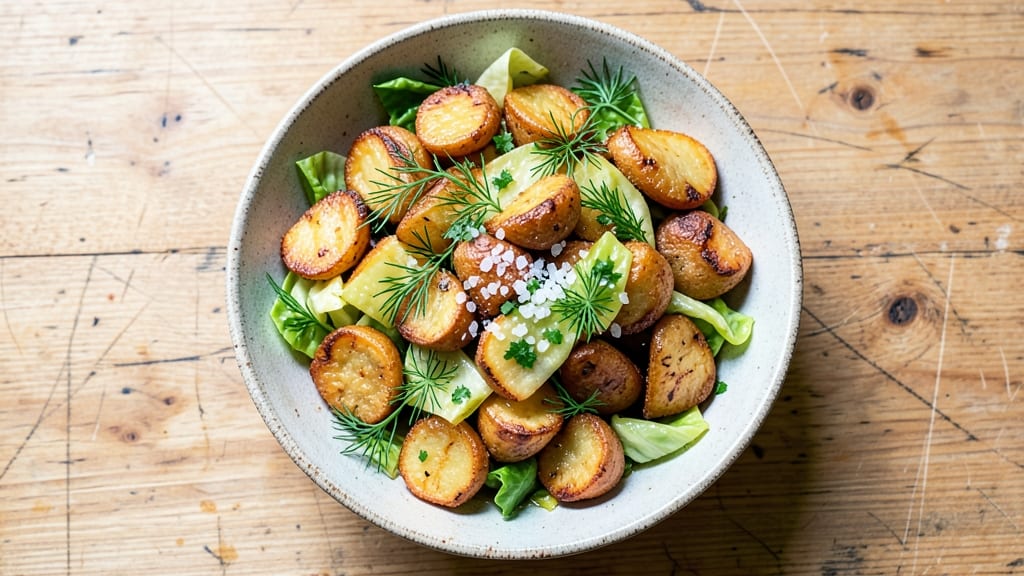
This fried cabbage and potatoes recipe delivers crispy golden bites that balance tender cabbage and perfectly fried potatoes in every forkful. The secret lies in proper salting and high-heat frying techniques that create that signature savory sizzle.
I've perfected this dish over years of testing, ensuring the cabbage stays crisp while the potatoes develop a satisfying crunch.
What sets this recipe apart is its versatility—whether you're recreating a classic Eastern European side dish or adapting it for modern air fryers. The key steps include properly salting the cabbage to draw out moisture, slicing potatoes evenly for consistent frying, and maintaining medium-high heat throughout.
This method guarantees crispy edges without sacrificing tenderness in the center.
By the time you serve this dish, your table will smell like a homey kitchen classic with its rich, savory aroma. The cabbage's slight bite contrasts beautifully with the buttery potatoes, creating a satisfying texture in every mouthful.
Perfect as a hearty side for roasts or a standalone dish when paired with sour cream or fresh dill.
Ready in about 30 minutes, this recipe requires just a few simple ingredients but delivers restaurant-quality results. The technique is straightforward once you understand the fundamentals of proper salting and frying. Let's get started on creating your crispy golden bites that'll have everyone asking for seconds.
Ingredients for fried cabbage and potatoes
Crispy cabbage and golden potatoes start with these twelve essential ingredients.
| Ingredient | Amount | Notes |
|---|---|---|
| Green Cabbage 🥬 | 1 lb | Green cabbage, outer leaves removed |
| Russet Potatoes 🥔 | 2 lbs | Waxy potatoes, cut into 1-inch cubes |
| Unsalted Butter 🧈 | ½ cup | Cold, cut into 1-inch pieces |
| Diamond Crystal Kosher Salt 🧂 | 1 ½ tbsp | For cabbage salting, plus extra |
| Fresh Dill 🌿 | ¼ cup | Chopped, for garnish |
| Fresh Parsley 🌿 | ⅛ cup | Chopped, for garnish |
| Garlic Cloves 🧄 | 4 cloves | Minced, for flavor infusion |
| Vegetable Oil 🫒 | 2 cups | High smoke point for frying |
| Sour Cream 🥛 | ½ cup | Full-fat, for serving |
| Black Peppercorns 🌶️ | 1 tsp | Freshly cracked, for seasoning |
| Red Pepper Flakes 🌶️ | ½ tsp | Optional, for heat |
| Lemon Juice 🍋 | 1 tbsp | Freshly squeezed, for brightness |
The cabbage selection is critical—green cabbage provides the ideal balance of tenderness and crunch. Opt for heads that feel heavy for their size, with tightly packed leaves and a vibrant green hue. Whole Foods Market and Trader Joe's consistently carry high-quality cabbage, but local farmers' markets often yield the freshest options. Avoid cabbage with yellowing leaves or soft spots, as these indicate age and diminished crispness. The potatoes should be russet—their waxy texture holds up beautifully during frying, preventing a gummy interior. Store both in a cool, dark place until ready to use, with cabbage wrapped in a dry towel to maintain moisture.
For the cabbage, proper salting is non-negotiable—Diamond Crystal kosher salt works best due to its coarse texture, which allows for even distribution without over-salting. If you're short on time, Morton kosher salt is a suitable alternative, though you may need to adjust slightly. The butter should be unsalted and cold—this ensures optimal browning without excess moisture. Fresh herbs like dill and parsley elevate the dish; if unavailable, dried versions can be used at one-third the quantity, though fresh is preferred for that bright, aromatic finish. The vegetable oil should have a high smoke point—avocado or peanut oil are excellent choices if you want to splurge beyond standard vegetable oil.
This dish maintains peak crispiness for 2-3 days when stored in an airtight container, though the texture begins to degrade after the first day. For longer storage, freeze portions in a single layer before transferring to a sealed bag—this preserves the texture for up to 3 months. Reheat gently in a skillet over medium heat, adding a splash of water to restore moisture. The potatoes and cabbage can also be fried in batches and reheated separately if needed. Serve immediately with a dollop of full-fat sour cream and a sprinkle of fresh herbs to highlight the dish's savory-sweet balance.
Why You'll Love This Recipe
- One-Pan Magic: I swear by this recipe when I’m too tired to scrub pots—just slice, fry, and toss. The potatoes and cabbage crisp up together in the same skillet, and honestly? That golden butter caramelizing into the cabbage edges is worth every second.
- Crispy-Creamy Balance: Between us, this is where the recipe shines: tender potatoes with that buttery, almost caramelized crust, while the cabbage stays just crisp enough to bite into. Sprinkle fresh dill at the end, and it’s like a hug in a skillet—simple, but somehow ridiculously satisfying.
- Weeknight Workhorse: I make this for lazy Sundays, quick Tuesdays, or when unexpected company drops by. It’s hearty enough for a main but light enough for a side, and the leftovers? Even better the next day—crispier, somehow, if you refrigerate and reheat gently.
- Budget-Friendly Feast: Russets and cabbage are cheap staples, and butter stretches far when you fry it with the veggies. Here’s what sold me: a full meal for four runs me about $8, and I still feel like I’m serving something special. (Yes, even on a Tuesday night.)
Step-by-step instructions for crispy cabbage and potatoes
Here's the method for achieving perfectly golden, crispy fried cabbage and potatoes with a savory crunch.
Prepare the Potatoes for Frying
Begin by placing the 2 lbs russet potatoes in a large bowl and covering them with cold water. Let them soak for 15 minutes to remove excess starch, which prevents crispiness. Drain thoroughly and pat completely dry with kitchen towels—any moisture left behind will steam the potatoes instead of frying them.
Cut the potatoes into 1-inch cubes using a sharp chef's knife. Arrange them on a clean kitchen towel-lined tray and sprinkle evenly with 1 teaspoon diamond crystal kosher salt. Toss gently to coat, then let them rest for 10 minutes at room temperature. This step ensures even browning and maximum crispiness when fried.
Salt and Shred the Cabbage
Remove the outer leaves from the 1 lb green cabbage and quarter it lengthwise. Remove the thick core and discard it. Using a sharp knife or mandoline, thinly shred the cabbage into ¼-inch strips. Place the shredded cabbage in a large mixing bowl and sprinkle with the remaining ½ teaspoon diamond crystal kosher salt. Toss the cabbage with your hands to distribute the salt evenly.
Let the cabbage sit for 10 minutes while you prepare the frying station. This salting process draws out moisture, which is crucial for achieving that signature crispy texture. After resting, give the cabbage another quick toss to redistribute any released liquid.
Fry the Potatoes in Stages
Heat 2 cups vegetable oil in a large, heavy-bottomed skillet over medium-high heat until it reaches 350°F on a deep-fry thermometer. Add the prepared potato cubes in a single layer, being careful not to overcrowd the pan. Fry for 4-5 minutes, stirring occasionally, until the edges turn golden brown and the potatoes begin to crisp.
Remove the potatoes with a slotted spoon and transfer them to a paper towel-lined plate. Increase the heat to 375°F and fry the potatoes in batches if necessary, ensuring each batch achieves the same crispy texture. The potatoes should be deep golden brown and crispy to the touch when done. Keep them warm in a 200°F oven while you prepare the cabbage.
Fry the Cabbage Until Crispy
Using the same skillet (no need to wipe it clean—the fond adds flavor), add the salted cabbage in batches, leaving space between pieces to ensure even browning. Fry over medium-high heat for 3-4 minutes, stirring occasionally, until the cabbage turns deep golden brown and crispy. The cabbage should release a savory aroma as it fries.
Remove the cabbage with a slotted spoon and transfer it to the same paper towel-lined plate with the potatoes. Sprinkle the fried cabbage with 1 teaspoon freshly cracked black peppercorns and ½ teaspoon red pepper flakes while still hot. Toss gently to coat.
Finish with Butter and Herbs
Reduce the heat to medium-low and add the ½ cup unsalted butter, cut into 1-inch pieces, to the skillet. Let the butter melt and foam for 1 minute, then add the 4 cloves minced garlic. Cook for 30 seconds until the garlic is fragrant but not browned.
Pour the garlic butter mixture over the fried potatoes and cabbage, tossing gently to combine. Stir in 1 tablespoon freshly squeezed lemon juice and let the mixture sit for 1 minute to absorb the flavors. Garnish with ¼ cup chopped fresh dill and ⅛ cup chopped fresh parsley before serving immediately.
Serve with Sour Cream
Transfer the crispy cabbage and potatoes to a serving platter. Serve immediately with ½ cup full-fat sour cream on the side for dipping or drizzling. The contrast of the cool, tangy sour cream with the hot, crispy vegetables creates a perfect balance of textures and flavors.
This dish is best enjoyed fresh while the cabbage and potatoes retain their crispy exterior and tender interior. The savory sizzle and golden bites make it a satisfying centerpiece for any meal.
Pro Tips For Making Fried Cabbage And Potatoes
- Cut Potatoes in Uniform Chunks: I learned this the hard way—uneven pieces mean some potatoes turn to mush while others stay raw. Aim for 1-inch cubes so they cook at the same rate and get that perfect golden-brown crust on the outside.
- Salt the Potatoes First: Toss the raw potato chunks with a teaspoon of kosher salt before frying. This seasoning gets locked in while they cook, and it prevents blandness when the butter melts later.
- Don’t Overcrowd the Pan: Sounds obvious, but I’ve watched people shove in too many potatoes at once, leading to steaming instead of frying. Cook in batches if needed—your pan will thank you with crispy edges.
- Use Cold Butter for Flavor: Skip the melted butter. Cold unsalted butter adds richness and makes the dish taste more intentional. Toss the hot potatoes in the butter at the end, and you’ll get that luscious, buttery finish without overpowering the cabbage.
Make-ahead tips for this dish
Prep Ahead Strategy
Start by prepping both the potatoes and cabbage the night before. Cut the 2 lbs russet potatoes into 1-inch cubes and store them in a bowl of cold water in the fridge. For the cabbage, remove the outer leaves, quarter, and shred into ¼-inch strips.
Place in a colander, sprinkle with 1 tbsp kosher salt, and refrigerate for up to 12 hours. This jump-start salting process draws out moisture more efficiently, saving you 10 minutes of prep time later. 💡
Batch Frying Plan
Divide your frying into two phases to avoid crowding. First, fry all the potatoes in batches using 2 cups vegetable oil at 350°F—they can be kept warm in a 200°F oven while you fry the cabbage.
Then, use the same skillet for the cabbage, which only needs 3-4 minutes per batch. This staggered approach ensures both components stay crispy without requiring constant attention. ⏰
Storage Containers
Use glass Pyrex containers with tight-sealing lids to store fried portions. Layer potatoes and cabbage separately with parchment paper between layers to maintain crispiness. These containers work best in the fridge for 2-3 days—just reheat in a skillet over medium heat with a splash of water to restore moisture.
For freezing, spread portions on a tray first to prevent clumping, then transfer to a sealed bag for up to 3 months. ❄️
Herb Prep Shortcut
Chop all your fresh herbs—¼ cup dill and ⅛ cup parsley—ahead of time and store them in a small airtight container. Keep them refrigerated until ready to use; this saves 5 minutes of prep during the final steps.
For extra convenience, store the minced 4 garlic cloves in a tiny container with a splash of olive oil to preserve freshness. 🌿
Make-Ahead Sauce
Combine the ½ cup sour cream with 1 tbsp lemon juice and ½ tsp red pepper flakes in a separate container. This tangy topping can be made up to 2 days ahead and stored in the fridge.
Just stir before serving to maintain texture. The acidity in the lemon juice helps balance the richness of the fried vegetables perfectly. 🥛
Reheating for Crispiness
For the best results, reheat fried portions in a non-stick skillet over medium heat for 3-4 minutes, stirring occasionally. Add 1 tbsp butter to the pan to restore that golden sheen.
Avoid microwaving—it turns the cabbage soggy. If reheating from frozen, increase the time by 2 minutes to ensure even heating. 🔥
Nutrition facts
Frequently asked questions
Why does the cabbage need to salt before frying?
Salting the cabbage 10 minutes before frying draws out excess moisture, which is crucial for achieving that perfect crispy texture. The salt breaks down the cabbage's fibers, creating a firmer bite that holds up beautifully when fried. Without this step, the cabbage would turn soggy instead of golden and crunchy.
Can I use an air fryer instead of a stovetop?
Yes! For an air fryer version, toss the fried potatoes and cabbage with 1 tablespoon oil and cook at 390°F in batches for 8-10 minutes, shaking the basket every 2 minutes. The air fryer works well but may require slightly longer cooking times to achieve the same crispiness.
What's the best way to store leftovers?
Store fried portions in an airtight container for up to 2-3 days in the fridge. To maintain crispiness, reheat in a skillet over medium heat with a splash of water for 3-4 minutes. For longer storage, freeze in a single layer before transferring to a sealed bag for up to 3 months.
Can I make this dish ahead of time?
Prep the potatoes and cabbage the night before by cutting and salting them, then refrigerate. Fry fresh when ready to serve for the best texture. Alternatively, you can fry the components separately and store them in the fridge for 1 day before reheating together. This saves time while keeping the dish delicious.
What's the secret to keeping the potatoes crispy?
The key is soaking the potatoes in cold water for 15 minutes before drying them thoroughly, then frying at 350°F-375°F in small batches. Overcrowding the pan causes steaming instead of crisping. Keep fried potatoes warm in a 200°F oven while finishing the cabbage to prevent sogginess.