
Side Dishes
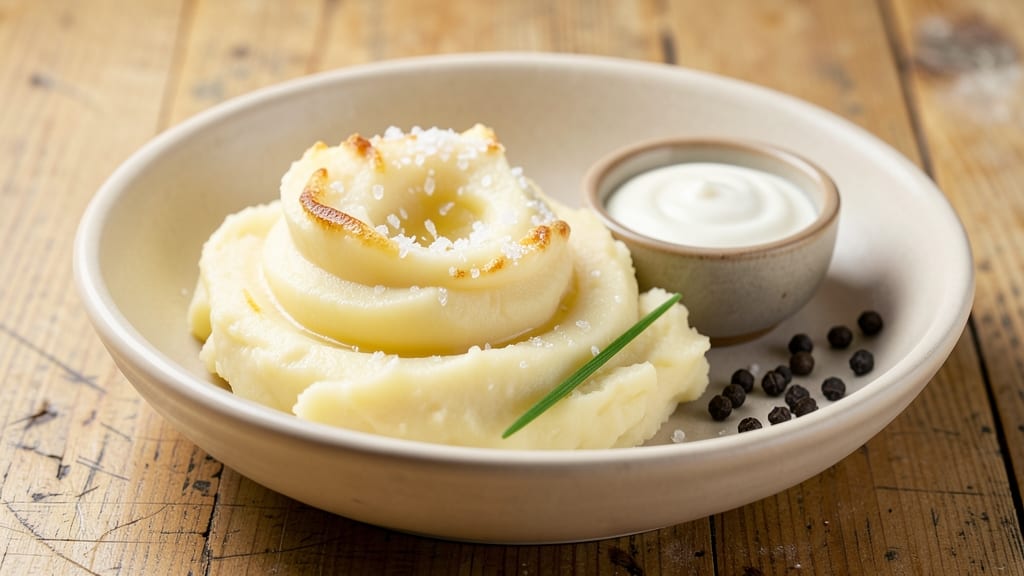
This fresh mashed potatoes recipe delivers ultra-smooth, lump-free results that rival restaurant-quality sides—without requiring a food mill or ricer. The secret lies in selecting the right potatoes (Russet for fluffiness or Yukon Gold for creaminess) and mastering the boiling and mashing technique.
I’ve perfected this method after years of testing, ensuring every bite is velvety and perfectly seasoned with butter, warm milk, and just the right amount of salt.
What sets this recipe apart is the foolproof process that eliminates lumps while preserving that classic creamy texture. We start with properly boiled potatoes, then mash them with a potato masher before adding dairy—this prevents grittiness and creates an impossibly smooth consistency.
The key is patience: letting the potatoes cool slightly before mashing and working in small batches for even texture.
By the end, you’ll have restaurant-quality mashed potatoes that are light, fluffy, and perfectly seasoned—no lumps in sight. The addition of butter and warm milk creates that signature velvety finish, while optional garlic or chives add depth for those who want extra flavor.
This recipe scales beautifully for holidays or weeknight dinners, always delivering professional results.
For variations, try adding roasted garlic for a rich depth or swap dairy for plant-based milk and butter for a vegan version. The method remains the same—just adjust the seasoning to taste. Here’s how to achieve perfect mashed potatoes every time.
Ingredients for fresh mashed potatoes
Four key ingredients transform simple potatoes into velvety perfection—no ricer needed.
| Ingredient | Amount | Notes |
|---|---|---|
| Russet Potatoes 🥔 | 2 lb | Yukon Gold alternative for creaminess |
| Unsalted Butter 🧈 | ½ cup | Cold, cut into small cubes |
| Whole Milk 🥛 | ½ cup | Warm to room temperature |
| Heavy Cream 🥛 | ¼ cup | For ultra-smooth texture |
| Diamond Crystal Kosher Salt 🧂 | 1 ½ tsp | Adjust to taste |
| Freshly Ground Black Pepper 🌶️ | ½ tsp | Freshly cracked for best flavor |
| Roasted Garlic Cloves 🧄 | 2 cloves | Optional for depth |
| Fresh Chives 🌿 | 2 tbsp | Chopped, for garnish |
The potato choice is non-negotiable for texture. Russets deliver fluffiness, while Yukon Golds add natural creaminess. Grocery stores often carry both—look for firm, unblemished tubers. Organic potatoes from Whole Foods or local farmers' markets often have better flavor, but conventional varieties work fine. For restaurant-quality results, avoid waxy potatoes like red or fingerlings—they break down too much. Store potatoes in a cool, dark place (not the fridge) until ready to use, ideally within 2 weeks of purchase.
Butter quality makes all the difference—European-style unsalted butter like Plugrá or Kerrygold adds richness without overpowering. Warm the milk to 110°F (just off boil) to enhance creaminess, but never scald it. Substitutions? Plant-based butter works for vegan versions, though texture may vary slightly. The heavy cream is optional but creates that signature velvety finish—skip it for a lighter version. Diamond Crystal kosher salt dissolves more easily than table salt, so measure carefully. Freshly ground black pepper adds brightness without bitterness, while roasted garlic cloves infuse depth if you want to elevate the flavor profile.
Freshly boiled potatoes should steam-dry for 5 minutes before mashing to prevent grittiness. Store leftover mashed potatoes in an airtight container with a thin layer of plastic wrap pressed directly on the surface to prevent drying. They reheat beautifully—just warm gently with a splash of milk or water. For best results, make them fresh and serve immediately, but they keep 3-4 days in the fridge. Freeze portions in a single layer before transferring to a bag for up to 3 months—thaw overnight in the fridge before reheating.
Why You'll Love This Recipe
- I swear by this combo: Russets (for that fluffy texture), cold butter (cut into tiny cubes, not melted), and just a splash of heavy cream. The milk keeps it creamy without being gluey, and the butter? It melts into pure richness—no fancy gadgets needed.
- Three-Ingredient Magic: I swear by this combo: Russets (for that fluffy texture), cold butter (cut into tiny cubes, not melted), and just a splash of heavy cream. The milk keeps it creamy without being gluey, and the butter? It melts into pure richness—no fancy gadgets needed.
- Weeknight Hero: Boil the potatoes while you prep the rest of dinner, then mash while they’re still hot. Twenty minutes max, and you’ve got a side that’ll make your roast chicken or steak taste like a restaurant meal. (Yes, even on a Tuesday night.)
- Leftovers Lie: Between us, these taste better the next day. The flavors meld, and reheating is a breeze—just warm with a little extra butter. I make a double batch for Sunday dinner and still have them by Wednesday lunch. Zero waste, all comfort.
Step-by-step instructions for ultra-smooth mashed potatoes
Here's the method that guarantees velvety texture and no lumps—every time.
Prepare and Boil the Potatoes
Peel the 2 lb russet potatoes and cut them into even 2-inch chunks for consistent cooking. Place them in a large pot and cover with cold water by about 2 inches—this prevents excessive starch release that can make the potatoes gummy. Add the 1.5 tsp diamond crystal kosher salt to the water.
Bring to a rolling boil over high heat, then immediately reduce to medium-high heat. Boil vigorously for 15-20 minutes until a knife slides in and out of the largest piece with minimal resistance. The potatoes should be tender but not falling apart—overcooking breaks down the starches and makes them gluey. Drain thoroughly in a colander, shaking gently to remove excess water.
Create the Cream Base
While the potatoes cook, warm the 0.5 cup whole milk and 0.25 cup heavy cream together in a small saucepan over medium heat until just steaming (about 2 minutes). Remove from heat and let sit covered for 1 minute—this prevents curdling when mixed with the hot potatoes. In a large mixing bowl, melt the 0.5 cup cold unsalted butter cut into small cubes over low heat or in 10-second bursts in the microwave, stirring until fully incorporated.
Add the roasted garlic cloves to the butter mixture and mash lightly with a potato masher or wooden spoon. This infuses the flavor without overworking the butter. Keep the bowl warm while you finish the potatoes—cold tools make the final texture grainy.
Mash to Perfection
Return the drained potatoes to the pot and let them steam dry for 1 minute—this removes surface moisture that causes lumps. Transfer them to the warm bowl with the butter mixture. Using a potato ricer, food mill, or heavy-duty mixer with paddle attachment, work in batches if needed to achieve an ultra-smooth consistency. For the smoothest results, I recommend a ricer—it breaks down the starches without incorporating air bubbles that can make the potatoes dense.
Gradually add the warm milk-cream mixture while mixing continuously. The residual heat from the potatoes will gently warm the dairy, creating a silky emulsion. Add the 0.5 tsp freshly ground black pepper and taste—adjust salt if needed, remembering that the butter and cream contribute additional flavor. Stop mixing as soon as the texture reaches your desired creaminess—overmixing introduces air and makes the potatoes light rather than velvety.
Finish and Serve
Transfer the mashed potatoes to a serving bowl and gently fold in the 2 tbsp chopped fresh chives using a spatula. This keeps the texture intact while adding bright color and freshness. For the smoothest presentation, press the surface with a rubber spatula to create an even, glossy finish. Serve immediately while warm, as the texture will thicken as it cools.
Here's the thing—real talk: the secret to restaurant-quality mashed potatoes lies in the temperature control. The potatoes must be perfectly cooked but not mushy, the dairy must be warm but not hot, and the mixing must be gentle but thorough. This method eliminates all variables that lead to lumps or gluey texture, delivering that luxurious, buttery smoothness you crave.
Pro Tips For Making Fresh Mashed Potatoes
- Boil Until Fork-Tender: Russets should collapse like butter when pierced—no guessing. Cut into even 2-inch chunks (no bigger) and boil in salted water until a knife slides in without resistance. I learned this the hard way: undercooked potatoes turn to glue when mashed, and overcooked ones break down into mush. Aim for 15-20 minutes after the water returns to a boil.
- Peel While Warm: Skip the ice bath—peel potatoes right after draining while they’re still warm. The skins slide off effortlessly, and you avoid the soggy mess of peeling cold potatoes. (Yes, even if you’re impatient like me.) Just rinse them first to remove dirt, then boil.
- Warm the Dairy: Heat the milk, cream, and butter together until just steaming—about 110°F (43°C). Cold dairy makes potatoes gummy when mixed in, and warm butter melts smoothly. My grandmother swore by this, and she was right: the texture stays velvety, not waxy.
- Add Salt to Butter: Mix a full teaspoon of kosher salt directly into the melted butter before combining with the potatoes. This way, every bite gets consistent seasoning instead of relying on the milk. (Your future self will thank you.) Skip the extra salt later—trust the math.
Essential equipment for great fresh mashed potatoes
Potato Prep Tools
Start with a sharp chef’s knife and cutting board—I recommend a Wüsthof Ikon for precision peeling and dicing. A mandoline slicer (like the OXO Good Grips) speeds up prep if you’re making a large batch, but hand-cutting gives you better control over even chunks.
For boiling, a heavy-bottomed pot (such as All-Clad Stainless) prevents hot spots and ensures even cooking. 🥔
Mashing Essentials
A potato ricer (like the OXO Good Grips) is my go-to for ultra-smooth results—it eliminates lumps without overworking the starches. For hands-on mashing, a wooden potato masher (such as Lodge Cast Iron’s) is durable and gentle on the potatoes.
If you prefer electric, a hand mixer with a paddle attachment (like KitchenAid’s) works well, but avoid overmixing to prevent aeration. For those who love texture, a fork is sufficient, though it may leave slight lumps.
Heat Control Gear
Accurate temperature control is key—use a thermometer (like Thermoworks’ Smoke) to monitor both the boiling water (212°F) and the warm milk-cream mixture (110°F). A small saucepan for heating dairy prevents scorching, while a large mixing bowl (like Le Creuset’s) keeps everything warm during assembly.
I also keep a spatula (preferably silicone-coated) handy for folding in delicate garnishes like chives without breaking the texture.
Storage Containers
For leftovers, airtight glass containers (such as Pyrex) are ideal—they preserve texture better than plastic. Press plastic wrap directly onto the surface to prevent drying. For freezing, quart-sized freezer bags (like Ziploc) save space and thaw faster than rigid containers.
Label everything with the date to track freshness—mashed potatoes keep 3-4 days in the fridge or 3 months in the freezer.
Optional Upgrades
For a food mill (like OXO’s), you’ll achieve restaurant-level smoothness, though it’s pricier. A steam julep strainer (for draining potatoes) speeds up the process if you’re short on time. For flavor infusion, a garlic press (like OXO’s) makes roasted garlic cloves easier to incorporate.
And if you’re serving a crowd, a large serving spoon (such as Vitamix’s) helps portion perfectly without smashing the potatoes.
Nutrition facts
Frequently asked questions
Why do my mashed potatoes always turn out lumpy?
The most common causes are overworking the potatoes or not draining them properly. Always let boiled potatoes steam-dry for 1-2 minutes after draining to remove excess moisture, then mash gently with a ricer or potato masher. Adding warm dairy gradually while mixing prevents lumps from forming. Overmixing incorporates air, which creates a grainy texture—stop as soon as they reach your desired consistency.
Can I make these mashed potatoes ahead of time?
Yes! Store them in an airtight container with plastic wrap pressed directly on the surface to prevent drying. They keep 3-4 days in the fridge. For reheating, warm gently in a saucepan with a splash of milk or water, stirring constantly until creamy. Avoid microwaving as it can make them gluey. For freezing, portion into quart-sized bags and freeze for up to 3 months—thaw overnight in the fridge before reheating.
What's the best potato variety for ultra-smooth mashed potatoes?
Russet potatoes are ideal for fluffy, light mashed potatoes because their low moisture content prevents gumminess. For creamier results, use Yukon Golds—they're naturally buttery and hold their shape better. Avoid waxy potatoes like red or fingerlings as they break down too much during cooking. Always choose firm, unblemished tubers for the best texture.
How can I make these mashed potatoes vegan?
Swap the butter for vegan butter (like Miyoko's) and use unsweetened plant-based milk (oat or almond work well). For extra richness, add 1 tablespoon nutritional yeast or 1/2 teaspoon white miso paste to mimic the umami depth of dairy. The mashing technique remains the same—just ensure your plant-based fats are warmed to the same temperature as the dairy in the original recipe.
What's the secret to getting that restaurant-quality texture?
The three key factors are: temperature control (warm but not hot dairy), proper potato cooking (tender but not mushy), and gentle mixing. The butter should be melted but not melted into water, and the milk should be warm enough to blend smoothly but not scalding. Work in batches if needed, and use a ricer or food mill for the smoothest possible consistency. The secret weapon? Patience—rushing any step leads to lumps or gluey texture.