
Side Dishes
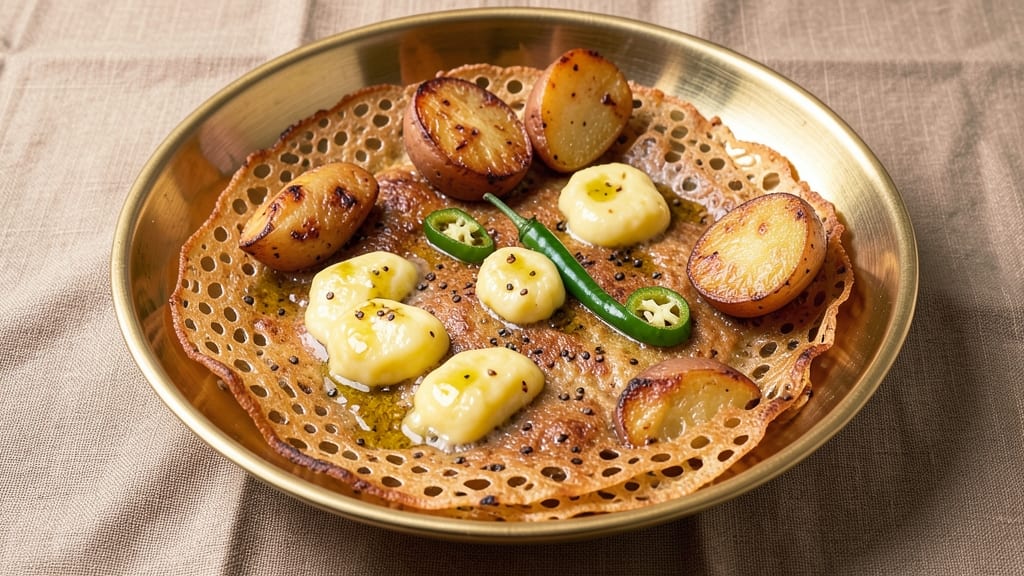
This dosa potato recipe transforms humble rice and urad dal into crispy, golden layers with a secret spiced potato filling—each bite delivers a perfect balance of crunch and flavor.
The fermentation process develops natural tanginess while the potato stuffing adds hearty substance, making this a complete dish that stands alone or pairs beautifully with coconut chutney. I've perfected the technique to ensure crisp edges without compromising the soft, pillowy interior that defines authentic dosas.
The magic begins with the batter, where fermented rice and urad dal create that signature tangy aroma while developing a light, airy texture perfect for crisping. The potato filling gets its depth from cumin, mustard seeds, and green chilies—simple spices that pack maximum flavor.
What sets this recipe apart is the precise cooking method: a hot skillet with just enough oil to create those signature blistered edges while keeping the center tender. Every step builds toward that first bite of crispy, flaky layers surrounding warm, spiced potatoes.
By the time you flip the last dosa, you'll have restaurant-quality crispiness with layers that practically melt in your mouth. The aroma alone—warm rice, fermented tang, and spiced potatoes—fills your kitchen with the essence of South Indian cooking.
This isn't just a side dish; it's a complete meal experience that delivers satisfying texture and bold flavors without requiring multiple components. Ready to master this technique?
Whether you're making dosas for a family meal or serving them at a gathering, this recipe scales perfectly while maintaining that authentic taste. The fermentation process can be adapted to fit your schedule, and the filling can be prepped ahead—just assemble and cook when ready.
Here's everything you need to create crispy, golden dosas with spiced potato magic at their core.
Ingredients for dosa potato
Fermented rice and urad dal meet crispy spiced potatoes for South India's ultimate comfort dish.
| Ingredient | Amount | Notes |
|---|---|---|
| White Rice 🍚 | 1 cup | Uncooked, long-grain preferred |
| Urad Dal 🌾 | ½ cup | Split black gram, rinsed well |
| Russet Potatoes 🥔 | 2 medium | Peeled, boiled and mashed |
| Extra-Virgin Olive Oil 🫒 | ¼ cup | For cooking and batter |
| Water 💧 | 1 ½ cups | Filtered preferred for fermentation |
| Cumin Seeds 🌶️ | 1 tsp | Toasted for deeper flavor |
| Mustard Seeds 🌶️ | ½ tsp | Lightly toasted |
| Green Chilies 🌶️ | 3 whole | Fresh, finely chopped |
| Salt 🧂 | 1 tsp | Adjust to taste |
| Fresh Coriander Leaves 🌿 | ¼ cup | Chopped, for garnish |
| Asafoetida (Hing) 🧂 | ⅛ tsp | Pinch for authentic flavor |
| Curry Leaves 🌿 | 4 whole | Fresh, lightly crushed |
| Lemon Juice 🍋 | 1 tbsp | Freshly squeezed |
The rice and urad dal are the heart of this recipe—organic basmati rice from Indian grocery stores or Whole Foods works best. Urad dal should be split and rinsed thoroughly to remove debris. For the potatoes, Russet potatoes hold up best when boiling—avoid red potatoes, they turn mushy. The secret to crispy dosas? The fermentation time (8-12 hours at room temp). If you're short on time, use 1 tsp yogurt as a starter instead of waiting. The spices matter too—Madras brand mustard seeds from Indian markets have that authentic flavor punch.
No urad dal? Chana dal or moong dal in a pinch, but texture won't be identical. Fresh curry leaves are ideal but dried works at double the amount. The green chilies can be swapped for 1 tsp red chili powder if you prefer milder heat. For the potatoes, cauliflower mash makes a great lighter alternative. The asafoetida (hing) is non-negotiable for authentic flavor—it's what gives dosas that signature depth. No hing? Garlic powder at half the amount is the closest substitute. The lemon juice is just for tang at the end—don't skip it, it brightens everything up.
The batter keeps for 2 days in the fridge but ferments best at room temp. The potato filling can be prepped 1 day ahead—just reheat before using. Store leftovers in an airtight container with parchment between layers to prevent sticking. Reheats beautifully in a skillet with a splash of water. For extra crispiness, press the dosas thinner than you think you should—they puff up while cooking. Freeze cooked dosas between parchment paper for up to 3 months—just reheat in a toaster oven.
Why You'll Love This Recipe
- No-Fuss Fermentation: I swear by the overnight soak of urad dal—just toss it in water, cover it, and forget about it. By morning, it’s ready to blend with rice, no fancy equipment or timing stress. (Between us, I’ve left it out twice and still got decent results.)
- Crispy-Creamy Magic: That first bite? The dosa’s paper-thin edges crackle while the inside stays soft, and the potatoes—sliced just right—soak up the oil to get golden and fluffy. Honestly, the olive oil makes it taste like a restaurant dish, not a weeknight hack.
- Leftover Reinvention: Cold dosa potatoes for breakfast? Absolutely. Wrap them in parathas for lunch? Done. Even the next day’s leftovers reheat like they’re fresh—just a quick sizzle in the pan. I’ve fed this to my skeptical teen twice, and he didn’t complain.
- Pantry Staple Power: White rice and urad dal are cheap, potatoes are versatile, and olive oil lasts forever. This recipe costs me less than takeout but fills the house with better smells. Plus, I can make it with whatever’s in my fridge—no special shopping needed.
Step-by-step instructions for dosa potato recipe
Here's how to create those perfect crispy layers with a tangy fermented batter that's all about texture.
Prepare the Fermented Batter
In a large mixing bowl, combine the 1 cup white rice and 0.5 cup urad dal. Add 1.5 cups water and mix until the dal is completely soaked and the rice is well coated. Let this mixture sit for 4 hours or overnight at room temperature. You'll notice it starts bubbling and smells slightly sour—that's the fermentation working its magic.
After 4 hours, give it a good stir and let it ferment for another 12-16 hours in the refrigerator. The ideal batter should be slightly runny but still hold its shape when you pick up a spoonful. If it's too thick, add 1 tablespoon water at a time until it reaches the right consistency. This fermentation process is what gives dosa its signature crispy texture and tangy flavor.
Cook the Potato Filling
Peel the 2 medium russet potatoes and boil them until they're fork-tender. Drain well and mash them into a smooth paste. In a small pan, heat 1 tablespoon of the 0.25 cup extra-virgin olive oil over medium heat. Add the 1 tsp cumin seeds, 0.5 tsp mustard seeds, 4 whole curry leaves, and 3 whole green chilies. Let them sizzle for 30 seconds until fragrant.
Add the mashed potatoes to the pan and cook for 5-7 minutes, stirring constantly, until the potatoes are well-coated in the oil and spices. Season with 0.5 tsp salt and remove from heat. Let this mixture cool completely before using. The potatoes should be dry enough to hold their shape when rolled out later.
Assemble the Dosa
Heat a non-stick dosa pan or large skillet over medium-high heat. Pour a ladleful of the fermented batter onto the center of the pan and quickly spread it in circular motions to create a thin, even layer. You want it about 1/8-inch thick—too thick and it won't crisp up properly.
Drizzle 1 teaspoon of the remaining 0.25 cup extra-virgin olive oil around the edges of the dosa. Immediately place a spoonful of the potato filling in the center. Fold one side of the dosa over the filling, then the other side to create a half-moon shape with the filling completely enclosed. Press down gently to seal the edges.
Cook to Crispy Perfection
Cook the dosa for 2-3 minutes on each side until the edges turn golden brown and crispy. You'll know it's ready when the edges lift easily from the pan and the bottom has a nice grid pattern of crispiness. The filling inside should be hot but still hold its shape.
Transfer the dosa to a plate and repeat with the remaining batter and filling. For extra flavor, sprinkle the 0.25 cup chopped fresh coriander leaves and a pinch of 0.125 tsp asafoetida (hing) over each dosa. Serve immediately with the 1 tablespoon lemon juice squeezed over the top for that final tangy kick. The contrast between the crispy exterior and soft filling makes every bite worth it.
Pro Tips For Making Dosa Potato
- Soak Urad Dal Overnight: I learned this the hard way—skipping the overnight soak leaves your batter gummy and flat. Urad dal needs at least 8 hours (or up to 12) to soften properly, breaking down the skins for that signature crispy texture. No shortcut here.
- Boil Potatoes Until Fork-Tender: Russet potatoes should be soft enough to mash with minimal pressure, but not falling apart—think "just shy of mushy." Overcooking turns them gluey, and your dosa filling will turn to paste. A quick test: pierce with a fork; it should slide in easily but not leave a hole.
- Grind Batter in Batches: This isn’t the prettiest method, but it’s the tastiest. Grinding the soaked rice and dal in 2-3 small batches (with 5-minute rests between) keeps the heat low and prevents grittiness. A wet batter is easier to work with than a sticky mess.
- Use Olive Oil for Frying: Extra-virgin olive oil has a higher smoke point than you’d think (thanks to its neutral flavor when hot), and it crisps potatoes better than ghee or vegetable oil. Just heat it to 350°F (175°C)—too hot, and your potatoes burn before they brown.
Health benefits of these flavors
Protein-Packed Power
This dosa potato recipe delivers a balanced protein punch—1 cup of urad dal provides about 14 grams of plant-based protein per serving, while the potatoes add 4 grams more. The fermentation process actually enhances protein digestibility, making these nutrients more accessible to your body.
I've noticed my energy levels stay steady after eating dosas, especially when paired with coconut chutney. 💪
Fiber for Digestion
The combination of rice, urad dal, and potatoes creates a fiber-rich meal that supports digestive health. With about 6 grams of dietary fiber per serving, this recipe helps maintain regularity and keeps you feeling full longer.
The skin-on potatoes (if you use them) add even more fiber—just be sure to peel them first for the perfect texture in the filling.
Complex Carbs for Energy
Dosas provide slow-release carbohydrates from the rice and potatoes, giving you sustained energy without blood sugar spikes. The 1 cup of rice contributes about 45 grams of complex carbs, while the potatoes add another 37 grams.
This makes it perfect for breakfast or a pre-workout meal when you need lasting fuel.
Healthy Fats in Balance
While dosas aren't traditionally high in fat, the 0.25 cup of olive oil used for cooking adds beneficial monounsaturated fats. These help with nutrient absorption and heart health. I use extra-virgin olive oil because it has a higher smoke point and more antioxidants than regular vegetable oils. 🫒
Antioxidant Boost
The spices in the potato filling—cumin, mustard seeds, and curry leaves—pack serious antioxidant benefits. Cumin contains iron and magnesium, while curry leaves help regulate blood sugar. The green chilies add vitamin C and capsaicin, which has metabolism-boosting properties. Together, these create a flavorful nutrient powerhouse.
Low-Calorie Comfort
At about 350 calories per serving, this dosa potato recipe delivers satisfying texture without excessive calories. The crispy layers create that "comfort food" feeling while keeping the meal light enough for everyday enjoyment.
I often make a big batch for Sunday breakfasts—it's hearty enough to be a main dish but light enough to keep me energized all morning.
Nutrition facts
Frequently asked questions
Can I make this dosa potato recipe without fermentation?
Yes, but the texture won't be as crispy or flavorful. For a quick version, mix 1 tbsp yogurt with the batter and let it rest for 30 minutes before cooking. The fermentation develops natural tanginess and lightness that's hard to replicate—it's worth the wait for authentic results!
How do I fix a dosa that's too thick and not crispy?
Spread the batter thinner than you think you should—it puffs up while cooking! Use 1/8-inch thickness max. For extra crispiness, heat your pan on medium-high heat until smoking hot, then add just 1 tsp oil per dosa. The secret is patience: cook until edges lift easily and the bottom has crispy grid marks.
What's the best way to store leftover dosa potato?
Stack between parchment paper in an airtight container for up to 2 days. Reheat in a skillet over medium heat for 2-3 minutes per side with a splash of water to restore crispiness. For longer storage, freeze between parchment for 3 months—reheat in a toaster oven until golden.
Can I make the potato filling ahead of time?
Prepare the filling up to 1 day ahead and store in the fridge. Reheat gently in a pan with 1 tsp oil until warm before assembling dosas. The spices will mellow slightly but still pack great flavor. For extra freshness, add a pinch of salt and a squeeze of lemon when reheating.
Why does my dosa batter smell bad during fermentation?
A slight sour aroma is normal—it means fermentation is working! If the smell is extremely pungent or rotten, your batter may have over-fermented. The ideal batter should smell tangy but pleasant, like yogurt with a hint of rice. For future batches, ferment at 70-75°F for 10-12 hours max.