
Side Dishes
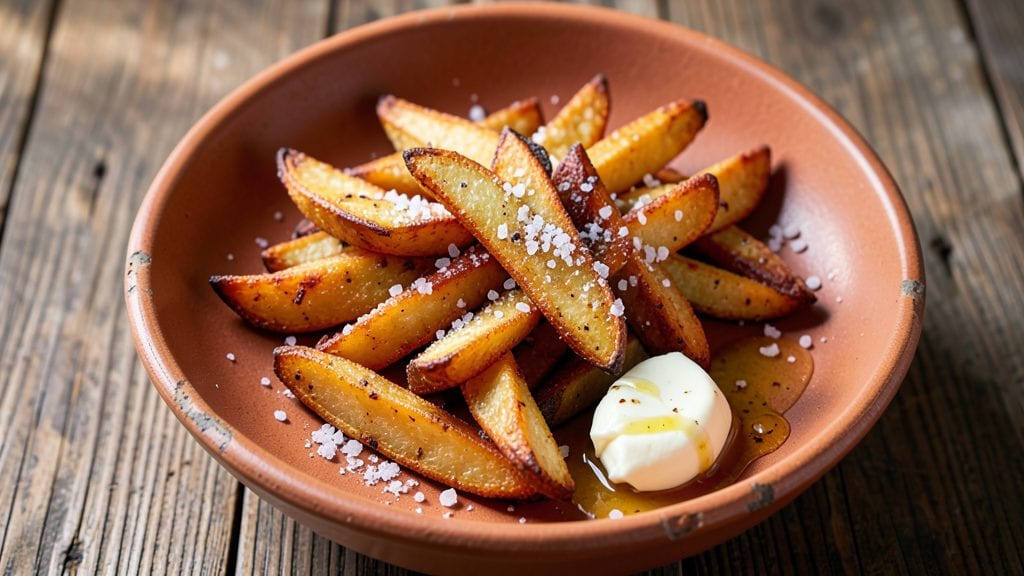
Mastering deep fried potato wedges means balancing crispy exteriors with buttery soft centers—this recipe delivers both in every bite. The secret lies in precise cutting, vinegar-washed potatoes, and maintaining 350°F oil temperature throughout frying.
I developed this method after years of trial-and-error frying, where wedges either emerged soggy or burned on the edges.
What sets these wedges apart is the vinegar kiss—tossing freshly fried wedges in a mix of white vinegar and melted butter creates that signature tangy crunch while sealing in moisture.
You'll need three simple ingredients beyond potatoes: salt, vinegar, and butter, plus a sturdy frying basket to handle batches without overcrowding. The process takes about 25 minutes from start to finish once you've prepped your potatoes.
By the time you're done, you'll have golden, vinegar-kissed wedges with crispy edges that shatter at the slightest touch and buttery soft cores that melt in your mouth. The aroma of frying potatoes fills your kitchen, and each bite delivers that perfect contrast of textures—crunchy outside, tender inside.
These wedges work as an appetizer, side dish, or even a hearty snack when paired with dipping sauces.
For variations, try adding garlic powder or smoked paprika to the vinegar-butter mixture, or swap white vinegar for apple cider vinegar for a slightly sweeter profile.
The key to success is consistent oil temperature—never let it drop below 340°F, or your wedges will absorb too much oil and lose crispness. Let's get frying!
Ingredients for deep fried potato wedges
Three core ingredients transform simple potatoes into golden, vinegar-kissed wedges with crispy edges and buttery centers.
| Ingredient | Amount | Notes |
|---|---|---|
| Russet Potatoes 🥔 | 2 lbs | Large, uniform size for even frying |
| Unsalted Butter 🧈 | ½ cup | Cold, cut into small cubes |
| White Vinegar 💧 | ¼ cup | Distilled preferred for tang |
| Vegetable Oil 🫒 | 4 cups | High smoke point (e.g., peanut or canola) |
| Diamond Crystal Kosher Salt 🧂 | 1 tbsp | Coarse grain for crispy coating |
| Garlic Powder 🧄 | 1 tsp | Optional for flavor variation |
| Smoked Paprika 🌶️ | ½ tsp | Optional for smoky depth |
| Lemon Juice 🍋 | 1 tbsp | Brightens vinegar flavor (optional) |
The potatoes are non-negotiable—Russets are your best bet for their high starch content, which ensures crispiness. Grab the largest uniform size you can find at Whole Foods or your local market, as even thickness means even cooking. If you're prepping ahead, store them in a cool, dark place (not the fridge) for up to 2 weeks. The oil is where magic happens—peanut or canola oil has a high smoke point and neutral flavor, but avoid olive oil (it burns too easily). For the vinegar, distilled white vinegar gives the cleanest tang, though apple cider vinegar works if you prefer a hint of sweetness.
No white vinegar? Apple cider vinegar or lemon juice at double the amount will work, though the flavor shifts slightly. Want extra crunch? Toss the wedges in garlic powder or smoked paprika after the vinegar-butter bath—just a sprinkle makes a difference. For the butter, unsalted is key (you're adding salt separately), and cold cubes melt more evenly than softened butter. If you're frying in batches, keep the oil temperature steady at 350°F—a candy thermometer is worth the $10 if you plan to fry often. The wedges should float immediately when added (if they sink, they're not done cooking).
Freshly fried wedges taste best immediately, but you can reheat them in a 375°F oven for 5-7 minutes to restore crispiness. Store leftovers in an airtight container for up to 3 days, though they lose some crunch over time. For meal prep, fry a double batch and freeze half—reheat from frozen in the oven for 10-12 minutes at 400°F. The vinegar-butter mixture can be pre-made and stored in the fridge for 1 week, but let it come to room temperature before using for the best texture.
Why You'll Love This Recipe
- Crispy in 20 Minutes: I swear, these wedges are done before the first commercial break. Toss cut Russets in vinegar and oil, fry twice—boom. That second fry? Pure magic for golden, shatteringly crisp edges every time.
- Butter-Kissed Magic: Honestly, the secret’s in the butter. Melted into warm wedges post-fry, it turns them from good to ridiculously good—creamy inside, salty-sweet, with that vinegar tang cutting through. My kids fight over the last bite.
- Game Day Staple: Between us, this is my go-to for game nights, tailgates, or lazy Sundays. Double the batch, store in the fridge, and reheat in the oven—still crispy. (Yes, even on a Tuesday night.)
- Budget Crunch Saver: Russets are cheap, oil lasts forever, and you’re using pantry basics. A single bag feeds four, and leftovers reheat like they’re fresh. My wallet and my freezer thank me weekly.
Step-by-step instructions for vinegar-kissed crispy potato wedges
Here's how to achieve that perfect balance of crispy exterior and buttery interior every time.
Prep and Soak the Potatoes for Maximum Crisp
Start by cutting the 2 lbs of russet potatoes into 1-inch thick wedges, leaving the skin on for texture. Place them in a large bowl and add the 0.25 cup of white vinegar and 1 tbsp of lemon juice. This acid bath prevents browning and helps create that signature crispy exterior. Let them soak for 10 minutes while you prepare the next steps.
After soaking, drain the potatoes thoroughly in a colander and pat them completely dry with paper towels. I can't emphasize this enough—any moisture left on the potatoes will cause oil splatter and prevent proper browning. Arrange them on a baking sheet in a single layer and let them air dry for 15 minutes. This step is crucial for that perfect crunch.
Season the Potatoes Generously
In a small bowl, combine the 1 tbsp of diamond crystal kosher salt, 1 tsp of garlic powder, and 0.5 tsp of smoked paprika. Toss the dried potato wedges with this seasoning mixture until they're evenly coated. The coarse salt will create those beautiful textured crunch points while the spices add depth of flavor.
For even coverage, I like to do this in two batches. After tossing, spread the seasoned potatoes on a clean baking sheet and let them rest for another 15 minutes. This allows the seasoning to adhere better and prevents clumping when you fry them later. The potatoes should look uniformly coated with no bare spots.
Heat the Oil to the Perfect Temperature
Fill a deep fryer or heavy pot with 4 cups of vegetable oil and heat it to 350°F. Use a deep-fry thermometer to monitor the temperature—this is critical for even cooking. If the oil is too hot, the exterior will burn before the interior cooks through. If it's too cool, you'll end up with greasy, limp wedges instead of crispy ones.
While the oil heats, cut the 0.5 cup of unsalted butter into small cubes. You'll add this later for that buttery flavor infusion. The butter should be cold when you add it to the hot oil—this creates steam that helps crisp the potatoes perfectly. Once the oil reaches 350°F, it's ready for the potatoes.
Fry in Batches for Even Cooking
Working in batches of about 1 cup of potato wedges at a time, carefully lower them into the hot oil using a slotted spoon or spider skimmer. The oil should sizzle gently but not erupt violently. Fry for 4-5 minutes until the potatoes are golden brown and crispy on the outside. You'll know they're ready when they float to the surface and maintain their shape.
Using a slotted spoon, remove the fried potatoes and drain them on a wire rack or paper towel-lined plate. Immediately add the cold butter cubes to the hot oil. They'll melt quickly, infusing the oil with rich flavor for your next batch. Repeat with remaining potatoes, maintaining the 350°F oil temperature between batches.
Finish with Buttery Crisp and Serve Immediately
Once all potatoes are fried, transfer them to a clean baking sheet. Immediately toss them with any remaining melted butter from the oil (you should have about 1-2 tablespoons left). This step creates that signature buttery finish while keeping them crispy. Sprinkle with an extra pinch of diamond crystal kosher salt if desired.
Serve the potato wedges immediately while they're at their peak crispness. For best results, keep them warm in a 200°F oven while you finish frying additional batches. These wedges are perfect with a cool dip like sour cream mixed with a bit of garlic powder, or a tangy aioli made with the remaining lemon juice. Enjoy them while they're hot and crispy—waiting too long will turn that perfect crunch into soggy disappointment.
Pro Tips For Making Deep Fried Potato Wedges
- Pre-Cook the Wedges: Boil or microwave the potato wedges for 5-6 minutes before frying—this guarantees they’re cooked through inside while still getting that perfect crispy crust outside. I learned this the hard way after biting into a raw center that ruined the whole batch.
- Use a Mix of Oils: Skip straight vegetable oil—mix it 50/50 with melted unsalted butter for richer flavor and better browning. The butter adds depth, but don’t skip the oil or the wedges won’t crisp properly.
- Salt Before Frying: Toss the wedges in vinegar and salt before frying, not after. The acid tenderizes the edges, and the salt gets absorbed while they cook, not just on the surface. (Yes, even if you’re impatient like me.)
- Fry in Batches: Overcrowding the pan drops the oil temperature and turns your wedges greasy instead of crispy. Work in small batches—2-3 cups at a time—and keep the oil hot between rounds. Your future self will thank you.
Essential equipment for deep fried potato wedges
Deep Fryer Essentials
For perfect potato wedges, a deep fryer is your best friend—it maintains consistent oil temperatures automatically. I recommend the Ninja Foodi Deep Fryer for its precise temperature control and safety features.
If you prefer stovetop frying, use a heavy-bottomed Dutch oven like the Le Creuset Stoneware—it distributes heat evenly and prevents hot spots. 🔥
Temperature Control Tools
A candy thermometer is non-negotiable for deep frying—it ensures your oil stays at 350°F (±5°F) for perfect crispiness. The ThermoWorks Thermapen One is my go-to because it's fast and accurate.
Never guess the temperature; fluctuating heat leads to uneven cooking or burnt edges. For stovetop frying, place the thermometer in the oil before adding potatoes.
Frying Baskets & Utensils
Use a slotted metal basket with long handles to lower wedges into the oil safely. The Cuisinart Deep Fryer Basket is sturdy and easy to clean. A spider skimmer is also handy for removing batches without splashing oil.
Avoid plastic utensils—they can melt in hot oil. Keep a wire cooling rack nearby to drain excess oil efficiently.
Oil Selection & Filtration
Peanut or canola oil are ideal for their high smoke points and neutral flavors. Avoid olive oil—it burns easily and imparts a bitter taste. After frying, strain the oil through a fine-mesh sieve or cheesecloth to remove food particles.
Store leftover oil in an airtight container in a cool, dark place for up to 1 month for future frying sessions.
Safety Gear
Deep frying requires caution—always wear heat-resistant gloves (like Oven Mitts by OXO) and have a fire extinguisher (Class B or K) nearby. Keep a lid or baking sheet handy to smother flames if needed.
Never leave hot oil unattended, and keep kids and pets at least 3 feet away from the frying area. A splash guard can also help contain oil splatter.
Optional Upgrades
For extra crispiness, try a cornstarch coating—toss dried wedges in 2 tbsp cornstarch before frying. A smoker attachment (like the Masterbuilt Smoker Box) adds a smoky flavor if you want a BBQ-style twist.
For large gatherings, a commercial-grade fryer (like the Presto 02320) handles multiple batches efficiently. 💡
Nutrition facts
Frequently asked questions
Why do my deep fried potato wedges turn out greasy instead of crispy?
Greasy wedges usually mean your oil wasn't hot enough (350°F) or you didn't dry the potatoes thoroughly. Pat them completely with paper towels and let them air dry for 15 minutes before frying. Also, avoid overcrowding the fryer—fry in small batches to maintain oil temperature.
Can I use regular potatoes instead of Russets?
Russets are ideal for their high starch content, but you can use Yukon Golds or red potatoes for a slightly creamier texture. Just expect less crispiness—they absorb more oil. For best results, stick with Russets for that signature crunch.
How do I reheat leftover potato wedges without losing crispiness?
Reheat in a 375°F oven for 5-7 minutes on a wire rack (not a plate) to allow air circulation. For extra crunch, sprinkle with 1 tsp cornstarch before reheating. Microwaving kills crispiness—always use the oven.
What's the best oil for frying potato wedges?
Peanut or canola oil are top choices—they have high smoke points and neutral flavors. Avoid olive oil (it burns easily) or vegetable oil blends with low smoke points. For extra flavor, try grapeseed oil, but stick with 350°F for consistent results.
Can I make these wedges ahead of time?
Fry them fresh for best texture, but you can prep ingredients ahead: slice and soak potatoes in vinegar (covered) in the fridge for up to 24 hours. For make-ahead dips, store sour cream or aioli separately and mix just before serving. Freeze fried wedges (unseasoned) for 1 month—reheat in the oven.