
Side Dishes
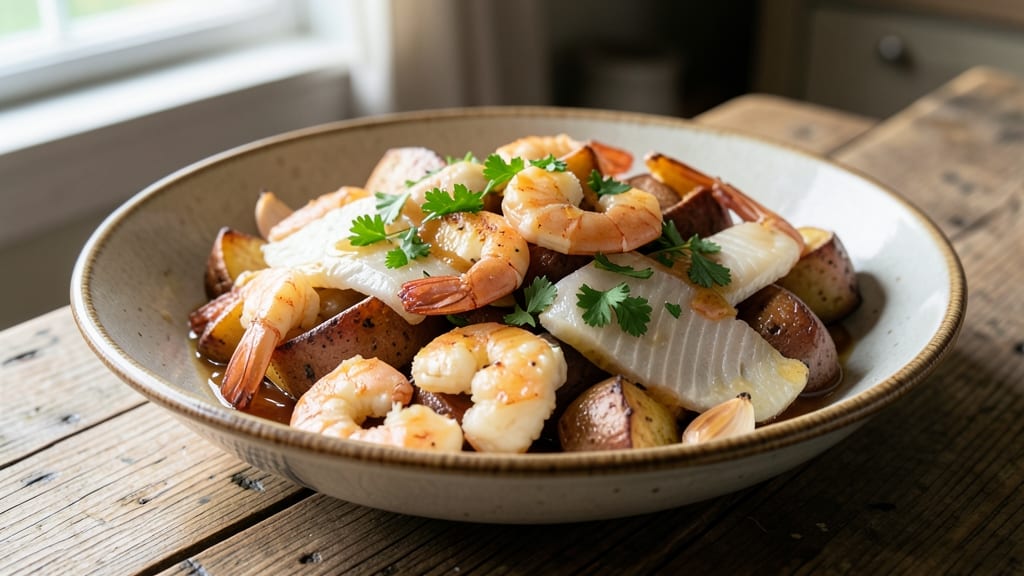
Deanie's seafood boiled potatoes recipe transforms simple ingredients into a restaurant-worthy side dish that balances buttery richness with bright, vinegar-kissed bites.
The secret lies in the flaky layers created by boiling potatoes just until tender, then finishing them in a simmering broth with seafood—shrimp, crab, or fish—that infuses every bite with ocean-fresh flavor.
I first tasted this dish at a Louisiana seafood boil, where the aroma of garlic, vinegar, and melting butter filled the air, and it’s been my go-to ever since.
This recipe delivers a perfectly balanced dish where the potatoes stay tender yet hold their shape, absorbing the buttery, herby broth while the seafood cooks through in minutes.
The vinegar cut adds brightness that cuts through the richness, creating a harmony of textures and flavors that feels both comforting and refined.
With just 15 minutes of active prep and 20 minutes of simmering, you’ll have a side dish that pairs beautifully with grilled meats, fish, or even on its own as a light but satisfying meal.
The key to achieving flaky layers in the potatoes is boiling them until they’re just tender enough to hold a fork—overcooking turns them mushy, while undercooking leaves them dense.
The seafood, whether shrimp, crab, or white fish, finishes in the same pot, absorbing the flavors of the broth and melting butter. The result is a dish that’s elegant yet effortless, with every bite offering a mix of creamy potatoes, tender seafood, and a tangy finish that lingers.
Serve this dish with a sprinkle of fresh parsley, a wedge of lemon, and extra melted butter on the side for dipping. It’s the kind of recipe that feels like a weeknight shortcut but delivers the kind of quality you’d expect from a coastal seafood shack. Let’s get cooking!
Ingredients for deanie's seafood boiled potatoes
Buttery potatoes meet bright seafood in this restaurant-worthy side dish—just 14 ingredients, maximum flavor.
| Ingredient | Amount | Notes |
|---|---|---|
| Russet Potatoes 🥔 | 2 lbs | Medium-sized, unpeeled for texture |
| Large Shrimp 🦐 | 1 lb | Peeled, deveined, tail-on |
| White Fish Fillets 🐟 | ½ lb | Cod or tilapia, cut into chunks |
| Unsalted Butter 🧈 | ½ cup | Cold, cubed for even melting |
| White Wine Vinegar 🍶 | ¼ cup | Balsamic works too for depth |
| Garlic Cloves 🧄 | 6 cloves | Thinly sliced for infusion |
| Fresh Parsley 🌿 | ¼ cup | Chopped, for garnish and flavor |
| Sea Salt 🧂 | 1 ½ tsp | Kosher or coarse for seasoning |
| Black Peppercorns 🌶️ | ½ tsp | Freshly cracked for texture |
| Lemon Wedges 🍋 | 2 whole | For serving, optional |
| Bay Leaves 🍃 | 2 whole | For subtle aromatic depth |
| Dried Thyme 🌿 | ½ tsp | Or 1 tbsp fresh thyme leaves |
| Water 💧 | 4 cups | For boiling potatoes |
| Fish or Seafood Stock 🍲 | 1 cup | Homemade or quality store-bought |
The potatoes are the foundation, so choose Russet—they hold their shape while absorbing the broth. Whole Foods or your local grocery store’s organic section often carries the best quality, with firm skins and no sprouts. If you can’t find Russets, Yukon Gold works too, but they’ll be creamier. Pre-peeling? Skip it—peeling removes nutrients and texture. The seafood stock should be rich and unctuous; Knorr or Pacific Foods brands are reliable, but homemade is ideal. For the seafood, frozen shrimp (thawed) is fine, but fresh shrimp or fillets from the fish counter will elevate the dish. Look for bright, translucent shrimp with a clean ocean scent—avoid any with a fishy odor or dull color.
No white wine vinegar? Apple cider vinegar or lemon juice works in a pinch, though the flavor profile shifts slightly. Fresh parsley is ideal, but dried parsley at one-quarter the amount gets you close. The butter must be unsalted—salted will overpower the delicate seafood flavors. For the garlic, roasting the cloves before slicing adds a sweet, mellow depth (wrap in foil, roast at 400°F for 10 minutes). If you’re using crab or lobster, adjust the cooking time—shellfish finishes faster than shrimp or fish. The bay leaves and thyme are non-negotiable for that classic seafood boil aroma, but if you’re short on time, dried Old Bay seasoning at half a teaspoon can replace both.
This dish reheats beautifully—just pop it in a pot with a splash of water and simmer for 5 minutes. Keeps for 3-4 days in the fridge, though the potatoes get slightly softer with time. For longer storage, freeze the seafood and broth separately, then reheat the potatoes from fresh. The butter and vinegar can be pre-mixed in a jar and stored in the fridge for up to 2 weeks. Serve with extra lemon wedges on the side—they brighten every bite. If you’re prepping ahead, boil the potatoes first, then store them in cold water in the fridge until ready to finish with the seafood broth.
Why You'll Love This Recipe
- One-Pot Magic: I swear by this recipe because it’s impossible to overcomplicate. Peel potatoes, toss shrimp and fish in, then let the butter and vinegar work their magic—no extra bowls, no fuss. The potatoes steam right in the pot with the seafood, so you’re not juggling a million pans.
- Buttery Vinegar Magic: That splash of white wine vinegar? It’s the secret. It brightens the butter, cuts through the richness of the fish and shrimp, and leaves you with a dish that’s ridiculously balanced—creamy, tangy, and just salty enough. Honestly, I’ve tried making it without, and it’s not the same.
- Weeknight or Company: This is my go-to for lazy nights when I don’t want to slave over dinner, and it’s the dish I pull out when my in-laws visit. The shrimp and fish feel fancy, but the potatoes ground it—so it’s approachable for any crowd. (Yes, even on a Tuesday night.)
- Leftovers That Don’t Suck: Most seafood dishes turn sad the next day, but not this one. The potatoes stay tender, the fish holds together, and the vinegar keeps everything from tasting stale. I’ll pack it for lunch or reheat it for a quick supper—no one ever complains. Budget-friendly? Absolutely. Time-saving? Even better.
Step-by-step instructions for deanie's seafood boiled potatoes
Here's how to achieve flaky layers and buttery richness in every bite.
Prepare the Potatoes for Perfect Texture
Cut the 2 lbs russet potatoes into 1-inch chunks, leaving the skins on for texture. Place them in a large pot and cover with cold water by about 2 inches. Add the 2 whole bay leaves and 0.5 tsp dried thyme to infuse subtle aromatic depth. Bring to a boil over high heat, then immediately reduce to medium-high and cook for 8 minutes.
This initial boiling creates the foundational flakiness by partially cooking the potatoes before the seafood joins. The bay leaves and thyme will disappear during cooking but leave behind their delicate flavors. Don't skip this step—it's what prevents the potatoes from becoming mushy later.
Season and Simmer with Seafood Stock
After the initial boil, add the 1 cup fish or seafood stock and 1.5 tsp sea salt to the potatoes. Return to a gentle simmer and cook for an additional 5 minutes. The stock enhances flavor while maintaining moisture, and the salt penetrates the potatoes more thoroughly during this extended simmer.
You'll know the potatoes are ready when a knife slides in easily through the thickest piece. Drain them immediately into a colander, reserving 1 cup of the potato cooking liquid for later. The starchy liquid will help create a silky sauce when combined with the butter and vinegar.
Cook the Seafood Separately for Optimal Texture
While the potatoes simmer, prepare the seafood in a separate pot. Melt the 0.5 cup unsalted butter over medium heat. Add the 1 lb large shrimp and 0.5 lb white fish fillets, cooking just until they turn opaque—about 2-3 minutes for shrimp and 3-4 minutes for fish. Remove them immediately and set aside on a plate.
The key here is not to overcook the seafood. It will finish cooking in the final step, and you want it to remain tender and flaky. If you're using cod or tilapia, cut the fillets into 1-inch chunks for even cooking and better texture when served.
Combine Everything with Vinegar and Garlic
Return the drained potatoes to the pot and add the cooked seafood. Stir in the 0.25 cup white wine vinegar and 6 thinly sliced garlic cloves. The vinegar brightens the dish while cutting through the richness of the butter, creating that signature tangy balance. Add the reserved 1 cup potato cooking liquid and stir gently to combine.
Bring the mixture to a simmer over medium heat for 2-3 minutes, just enough to heat through and allow the flavors to meld. The vinegar will infuse the potatoes and seafood, creating that signature tangy brightness that makes this dish special. Taste and adjust seasoning with additional sea salt or cracked black peppercorns if needed.
Finish with Butter and Garnish for Flaky Perfection
Remove the pot from heat and stir in the remaining 0.25 cup unsalted butter. The butter will melt into the warm mixture, creating a luxurious, velvety coating on each potato and piece of seafood. Let it sit for 1 minute to allow the butter to fully incorporate and the flavors to meld.
Garnish with the 0.25 cup chopped fresh parsley and serve immediately with the 2 whole lemon wedges on the side. The flaky layers of potato will hold their shape beautifully, and each bite will deliver that perfect balance of buttery richness, tangy vinegar, and delicate seafood flavors.
Pro Tips For Making Deanie'S Seafood Boiled Potatoes
- CUT POTATOES UNIFORM: Use a mandoline or sharp knife to slice potatoes into even ½-inch rounds—no thick chunks, no thin slivers. I learned this the hard way: uneven pieces mean some potatoes turn to mush while others stay raw.
- PEEL SHRIMP LAST: Leave the shrimp in their shells until you’re ready to add them to the pot. The shells release flavor as they cook, but if you peel them early, you’ll lose that depth—especially if you’re using smaller or cheaper shrimp.
- DON’T OVERCROWD THE POT: Boil potatoes in batches if needed—packing the pot too tight steams them instead of boiling, leading to gummy, uneven cooking. A crowded pot also makes it harder to add the fish and shrimp later without breaking them.
- DEGLAZE WITH VINEGAR LATE: Wait until the potatoes are tender and the shrimp/fish are nearly done before adding the white wine vinegar. If you add it too early, the acid can turn the potatoes slightly rubbery—save it for the final splash to brighten everything at the end.
Perfect pairings for this dish
Cajun-Inspired Heat
For a bold twist, add 1 tbsp Cajun seasoning (like Tony Chachere's) to the butter when finishing the dish. Toss in ½ tsp smoked paprika and ¼ tsp cayenne pepper with the vinegar for a smoky, spicy kick.
Serve with extra hot sauce on the side for those who love heat. 🌶️
New England Clam Chowder Fusion
Turn this into a coastal classic by adding 1 cup chopped clams or chopped canned clams to the seafood pot during the final simmer. Stir in ½ cup heavy cream at the end for a creamy, brothy texture reminiscent of New England clam chowder.
Garnish with chives instead of parsley for that authentic touch.
Herb-Infused Olive Oil Drizzle
For a Mediterranean flair, drizzle the finished dish with 2 tbsp infused olive oil made by steeping 1 tbsp each of rosemary, thyme, and oregano in ½ cup olive oil for 10 minutes.
The aromatic herbs add depth without overpowering the seafood and potatoes. I like to heat the oil slightly before drizzling for extra flavor infusion.
Crispy Garlic Bread Pairing
No seafood boil is complete without warm, crusty garlic bread. Use a baguette or Italian loaf, brush with 2 tbsp melted butter, and sprinkle with 2 minced garlic cloves and 1 tbsp chopped parsley.
Toast in the oven at 375°F for 8-10 minutes until golden. The bread soaks up any extra broth and butter beautifully. ✨
Lemon-Caper Butter Sauce
Elevate the dish with a tangy sauce by mixing ¼ cup softened butter with 1 tbsp capers, 1 tbsp lemon juice, and 1 tbsp chopped dill. Dollop spoonfuls over the finished potatoes and seafood for a briny, herby contrast that cuts through the richness.
This sauce keeps well in the fridge for up to 5 days.
Crispy Fried Onion Topping
For a textural contrast, fry ½ cup thinly sliced yellow onions in 2 tbsp butter until golden and crispy. Sprinkle them over the dish just before serving—they add a sweet crunch that balances the buttery potatoes and seafood.
I like to fry them in batches to ensure even browning without burning.
Nutrition facts
Frequently asked questions
Can I substitute Yukon Gold potatoes for Russets?
Yes, but expect a creamier texture. Yukon Golds have more moisture and break down slightly faster when boiled. For best results, reduce the initial boiling time to 6-7 minutes instead of 8 minutes to prevent mushiness. The flaky layers will still form, though they'll be less pronounced than with Russets.
What seafood works best in this recipe?
The recipe calls for shrimp and white fish, but you can use almost any seafood. For bold flavor, try crab legs or mussels (add them in the final 2 minutes of cooking). Avoid fatty fish like salmon or mackerel—they can overpower the delicate potatoes. Shellfish like clams or oysters also work beautifully when combined with the vinegar and butter.
Why does the recipe call for boiling potatoes twice?
The two-stage cooking creates the signature flaky texture. The first boil (8 minutes) partially cooks the potatoes while keeping their structure intact. The second simmer in stock and vinegar finishes them gently, allowing the flavors to meld without turning them mushy. Skipping this step often results in dense, waterlogged potatoes.
Can I make this ahead of time?
Yes, but with a few adjustments. Boil the potatoes fully (until tender) and store them in cold water in the fridge for up to 2 days. Reheat them in the broth with fresh seafood added at the end. For longer storage, freeze the cooked potatoes separately and reheat them in the microwave before adding the seafood and finishing broth.
What if my potatoes turn out mushy?
Overcooking is the most common cause. Always use a timer and test doneness with a fork—the potatoes should be fork-tender but still hold their shape. If they're mushy, try mashing them slightly and mixing with a bit of cold butter to restore creaminess. For next time, reduce boiling time by 1-2 minutes and drain them immediately when done.