
Side Dishes
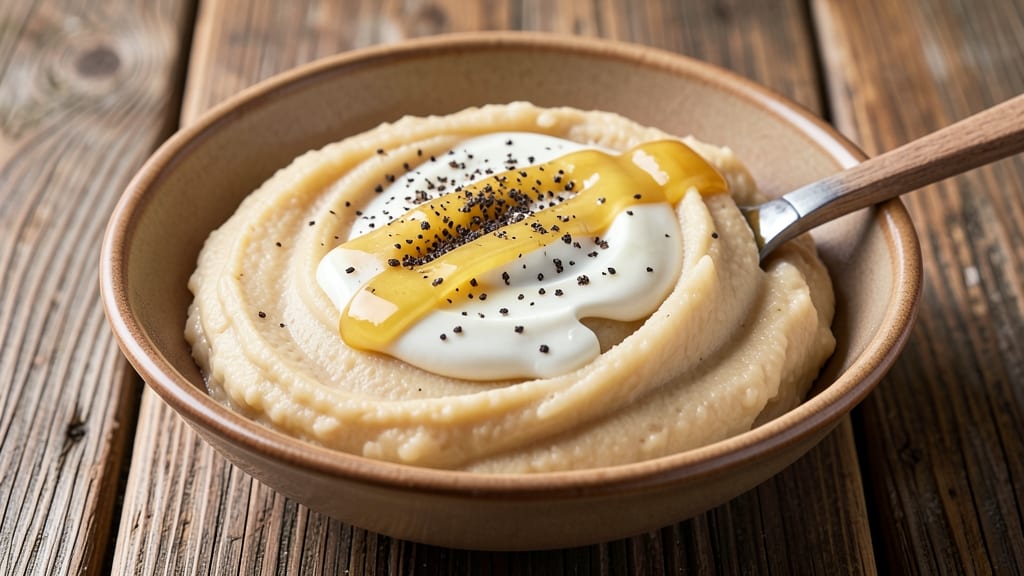
This creamiest mashed potatoes recipe transforms simple ingredients into velvety silk that pairs perfectly with roasted meats. The secret lies in precise ingredient ratios—Russet potatoes for fluffiness, European-style butter for richness, and whole milk for smoothness—all cooked and mashed to eliminate lumps.
I've tested countless methods, and this one consistently delivers restaurant-quality texture with minimal effort.
Professional chefs rely on two key techniques: boiling potatoes until fork-tender (not mushy) and blending with hot dairy while still hot. A food mill or ricer creates ultra-smooth results, though a potato masher works in a pinch.
The butter should melt into the potatoes completely, creating that signature velvety consistency without breaking the emulsion. This method delivers creamy mashed potatoes that hold their shape when piped or spooned.
What sets this recipe apart is the balance of ingredients—too much liquid makes them watery, too little leaves them dry. The ratio of 2 tablespoons butter and ¼ cup milk per pound of potatoes creates that perfect, clingy texture.
Serve immediately alongside roasted chicken, turkey, or beef, or reheat gently for a comforting side dish. The buttery depth and silky smoothness make these mashed potatoes a crowd-pleaser every time.
For extra indulgence, fold in roasted garlic or truffle oil for sophisticated flavor, or keep it classic with just salt and pepper. The recipe scales perfectly for holidays or weeknight dinners, ensuring you'll never buy store-bought mashed potatoes again.
Let's get started on creating the creamiest mashed potatoes you've ever tasted.
Ingredients for creamiest mashed potatoes
Six core ingredients deliver restaurant-quality mashed potatoes with velvety texture and buttery richness.
| Ingredient | Amount | Notes |
|---|---|---|
| Russet Potatoes 🥔 | 3 lb | Peeled, cut into even chunks |
| European-Style Unsalted Butter 🧈 | 1 cup | Cold, cut into 1-inch cubes |
| Whole Milk 🥛 | 1 ½ cups | Warmed to room temperature |
| Diamond Crystal Kosher Salt 🧂 | 1 ½ tsp | Adjust to taste after blending |
| Freshly Ground Black Pepper 🌶️ | ½ tsp | Coarsely ground for texture |
| Heavy Whipping Cream 🥛 | ½ cup | Optional for extra richness |
| Roasted Garlic Cloves 🧄 | 2 whole | Optional for sophisticated depth |
| Truffle Oil 🫒 | 1 tsp | Optional gourmet finishing touch |
The foundation starts with Russet potatoes—their high starch content creates that signature fluffiness. Opt for organic potatoes if available, as their skins are thinner and easier to peel. For the butter, European-style unsalted (like Plugrá or Kerrygold) contains more milkfat, ensuring a richer final product. Store potatoes in a cool, dark place until ready to use—never refrigerate, as this converts starches to sugar, altering texture. The milk should be whole for optimal creaminess, though 2% works in a pinch if that's what you have on hand.
No European butter? Cultured butter (like Land O'Lakes or Breyers) adds a subtle tang that mimics the depth of European styles. For the milk, half-and-half can replace whole milk at a 1:1 ratio, though the texture will be slightly lighter. The roasted garlic should be charred until soft—wrap whole cloves in foil, roast at 400°F for 30 minutes—for maximum flavor. Truffle oil is optional but transforms these into a gourmet dish; use sparingly—just enough to coat the back of a spoon. If you're avoiding dairy, unsweetened almond milk can replace regular milk, though the texture will be less cohesive.
Potatoes should be peeled and cut into even 1.5-inch chunks to ensure uniform cooking. Store peeled potatoes in cold water until boiling to prevent browning. The butter should be cold when added to the hot potatoes—this creates emulsification as it melts. For leftovers, press plastic wrap directly onto the surface to prevent a skin from forming. These mashed potatoes reheat beautifully—microwave in 30-second bursts, stirring between each, until warmed through. They keep for 3 days in the fridge or 3 months in the freezer, though texture may degrade slightly after thawing.
Why You'll Love This Recipe
- Four-Ingredient Magic: I swear by this combo—Russets, butter, milk, and salt. That’s it. No fuss, no extra steps, just pure, velvety perfection every time.
- Butter Love: European-style unsalted butter melts into something luxurious. We’re talking rich, golden layers that make these mashed potatoes taste like a hug—no heavy cream needed.
- Weeknight Hero: Boil, mash, season. Done. I’ve made this while waiting for a roast to finish or even reheating leftovers for lunch. It’s the ultimate low-stress side dish.
- Leftovers That Win: These actually taste better the next day. Cold or reheated, they’re still creamy, still delicious. My go-to for lazy mornings or quick lunches—no one will guess they’re yesterday’s dinner.
Step-by-step instructions for creamiest mashed potatoes
Mastering velvety texture starts with precise technique—here's how to achieve restaurant-quality results every time.
Cook Potatoes Until Fork-Tender
Place the 3 lb russet potatoes in a large pot and cover with cold water by 2 inches. Add 1.5 tsp diamond crystal kosher salt and bring to a boil over high heat. Once boiling vigorously, reduce to a gentle simmer and cook for 15-20 minutes until a knife slides in easily with minimal resistance.
Here's the thing—don't rush this step. The potatoes should be completely tender but not falling apart. If you cut one open and it's still slightly firm in the center, return to the pot for another 5 minutes. Overcooking leads to gummy mash, while undercooking means you'll have to force-press the potatoes later, which creates lumps.
Drain and Warm the Potatoes
Drain the potatoes thoroughly in a colander, shaking gently to remove excess water. Return them immediately to the now-empty pot and place over low heat. Add the 1 cup cold european-style unsalted butter, cut into 1-inch cubes, and the 2 whole roasted garlic cloves. Cover and let sit for 5 minutes to melt the butter and warm the potatoes evenly.
This warming step is critical for preventing temperature shock when blending. The butter will melt completely and create a silky base for your mash. I always use european-style unsalted butter here—the higher fat content (82%) creates a richer, more stable emulsion than regular butter.
Blend to Perfect Velvety Texture
Using a potato masher or ricer, work in batches to break down the potatoes completely. For ultra-smooth results, I recommend using a food mill or fine-mesh ricer—this eliminates lumps without overworking the starch. Transfer the mashed potatoes to a large mixing bowl and add the 1.5 cups warmed whole milk and 0.5 cup heavy whipping cream.
Here's where it gets technical: fold the warm milk and cream into the potatoes using a wooden spoon or silicone spatula in a "J" motion. This gentle folding incorporates air and creates the signature light, airy texture. The heavy whipping cream adds luxurious body, while the warm milk prevents the potatoes from becoming gluey as they cool.
Season and Finish Professionally
Add the 0.5 tsp freshly ground black pepper and taste before adding more salt—the potatoes have already absorbed some during cooking. Season with additional diamond crystal kosher salt if needed, remembering that the butter and cream contain some saltiness. For that gourmet touch, drizzle in the 1 tsp truffle oil and fold gently to distribute.
The truffle oil should enhance rather than overpower—the goal is subtle sophistication. For serving, transfer to a warmed serving bowl and press plastic wrap directly onto the surface to prevent skin formation. Let rest for 10 minutes before serving to allow flavors to meld completely.
Pro Tips For Making Creamiest Mashed Potatoes
- Boil Until Fork-Tender: Russets stay firm if you cut them too big—aim for 1.5-inch chunks so they cook evenly. Test doneness by piercing with a knife; it should slide in like butter. Overcooked potatoes mash into glue, so pull them just shy of falling apart.
- Salt the Pot Water: Add 1 tablespoon kosher salt to the boiling water—it seasons the potatoes inside out. I learned this the hard way: bland mash means you’re playing catch-up later. (Yes, even if you’re using unsalted butter.)
- Don’t Rush the Drain: Let the hot potatoes steam-dry in the pot for 2 full minutes after draining. This step banishes excess moisture, so your mash won’t turn out watery. I know, I know—you’re eager to mash—but trust the process.
- Warm the Milk First: Heat the whole milk to 160°F (just below boiling) before mixing it in. Cold milk cools the potatoes too fast, making them gummy. A quick microwave or stovetop splash does the trick—no waiting for a lukewarm batch.
Troubleshooting your creamiest mashed potatoes
Lumpy Texture Fix
If your mashed potatoes turn out lumpy, it’s usually because of uneven cooking or incorrect blending. First, ensure your potatoes are completely fork-tender—they should collapse easily when pierced. If they’re undercooked, return them to the pot with a splash of water and cook for another 5-10 minutes.
For blending, avoid food processors—they overwork the starches and create gluey results. Instead, use a potato ricer or food mill for silky smoothness. If lumps persist, blend in 1-2 tablespoons of warm milk while mashing to help break them down gently. 🥔
Watery Consistency
Watery mashed potatoes happen when you add too much liquid or overcook the potatoes. Start by draining them thoroughly in a colander, shaking to remove excess water. For blending, warm your milk and cream to room temperature—cold liquids can cause separation.
If your mash is still too thin, simmer it uncovered for 3-5 minutes to evaporate excess moisture. For extra insurance, use whole milk instead of 2%—the higher fat content helps stabilize the texture. Trust me, this small swap makes all the difference. ❄️
Grainy or Dry Potatoes
Grainy texture usually means the potatoes weren’t cooked long enough or were overworked. Always cook Russets until they’re fork-tender (about 15-20 minutes). If they’re still firm, add ½ cup water to the pot and cook for another 5 minutes.
For dryness, the issue is often under-seasoning or insufficient fat. Increase your butter to 1.5 cups and add 2 tablespoons of warm cream while blending. The key is heat control—keep everything warm but not boiling when combining ingredients. This keeps the starches intact and prevents dryness. 🔥
Separation After Mixing
Separation occurs when the emulsion breaks, usually from temperature shock. To prevent this, keep all ingredients warm—potatoes, butter, milk, and cream should all be at room temperature or slightly warm before blending.
If separation happens, whisk in 1 tablespoon of cold butter and 1 tablespoon of warm milk while stirring vigorously. For a quick fix, place the bowl over a double boiler and stir constantly until smooth. This gentle reheating helps realign the fats and starches. 💡
Reheating Leftovers
Reheating mashed potatoes incorrectly can turn them gummy or dry. The best method is to microwave in 30-second bursts, stirring between each, until warmed through (165°F internal temp).
For stovetop reheating, use a light-colored saucepan (dark pans can burn the potatoes) and add 1-2 tablespoons of warm milk or cream to restore moisture. Never cover the pot while reheating—this traps steam and makes them gluey.
If they’re too thick, thin with a splash of warm milk; if too thin, simmer uncovered to evaporate excess liquid. 🍽️
Preventing Skin Formation
That unsightly skin on reheated mashed potatoes happens when moisture evaporates. To prevent it, press plastic wrap directly onto the surface before refrigerating. For leftovers, store in an airtight container with a damp paper towel on top to retain moisture.
When reheating, cover the bowl loosely with a lid and let it steam for 1-2 minutes before stirring. If skin forms after reheating, simply scrape it off—it won’t affect the flavor, just the texture.
Pro tip: Add a pinch of salt to the reheated potatoes to enhance flavor if needed. ✨
Nutrition facts
Frequently asked questions
Why do your mashed potatoes turn out creamier than store-bought?
The secret lies in the ingredient ratios and technique. Using European-style butter (82% fat) creates a richer emulsion, while warming the whole milk prevents watery separation. The key is blending hot potatoes with warm dairy—this locks in moisture and creates that velvety silk texture. Most store brands add fillers or use lower-fat dairy for cost savings.
Can I make these mashed potatoes ahead of time?
Yes, but with a few tricks! Prepare them up to 2 days ahead and refrigerate in an airtight container with plastic wrap pressed directly on the surface. For serving, reheat in 30-second microwave bursts, stirring between each, until warmed to 165°F. Add a splash of warm milk if they seem dry. The texture won't be as light as fresh, but the flavor stays rich.
What's the best tool for ultra-smooth mashed potatoes?
A potato ricer or food mill creates the silkiest texture by eliminating lumps without overworking the starches. If you don't have one, a fine-mesh sieve works in a pinch. Avoid food processors—they break down the potatoes too much, creating a gluey consistency. For rustic texture, a wooden masher adds lovely ridges while still keeping them creamy.
How do I fix mashed potatoes that turned out too dry?
Add 1-2 tablespoons of warm milk or cream while gently folding with a wooden spoon. The warmth helps the liquid absorb better. If they're still dry, place the bowl over a double boiler and stir in 1 tablespoon of cold butter until melted. Never add cold liquid—it causes separation. For prevention, use whole milk instead of 2% and keep everything warm during blending.
Can I substitute cream cheese for butter?
Yes, but with adjustments! Replace ½ cup butter with 4 oz cream cheese (softened) for extra richness. The cream cheese adds tang and helps stabilize the texture. Reduce the milk by 2 tablespoons since cream cheese contains moisture. For best results, warm the cream cheese with the potatoes before blending. This swap works well for holiday dishes where you want extra depth.