
Side Dishes
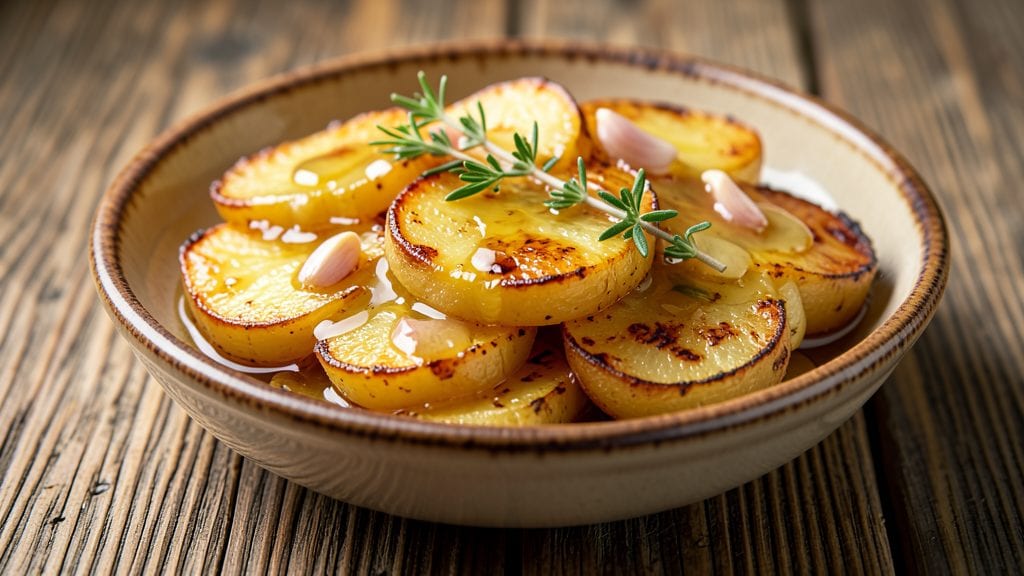
This confit potatoes recipe transforms simple spuds into crispy, vinegar-kissed bites with buttery soft centers—a technique that elevates humble potatoes to restaurant-worthy status. The key lies in slow-cooking them in fat until tender, then finishing with a quick vinegar bath for that signature tangy crunch.
I perfected this method after years of experimenting with French-inspired sides, and it never fails to impress at dinner parties or family gatherings.
The process is straightforward but requires patience: thinly sliced potatoes cook gently in duck fat or olive oil until fork-tender, then get a final crisp in the oven. The vinegar bath at the end adds that signature tang and crispy texture that makes these potatoes irresistible.
What you’ll end up with is a dish that’s equal parts comforting and elegant—perfect for pairing with roasted meats or serving alongside grilled fish.
What sets these confit potatoes apart is their versatility—they work as a side dish, salad topping, or even a standalone appetizer. The slow-cooking method ensures they stay buttery soft inside while developing that crispy exterior that everyone loves.
Whether you’re cooking for a crowd or treating yourself to a special meal, this recipe delivers professional-quality results with minimal effort.
Ready to try it? The instructions are simple, and the payoff is worth every minute. Let’s get cooking—your taste buds will thank you.
Ingredients for confit potatoes
French-inspired technique meets home kitchen simplicity with these confit potatoes.
| Ingredient | Amount | Notes |
|---|---|---|
| Yukon Gold Potatoes 🥔 | 2 lbs | Thinly sliced, uniform thickness |
| Duck Fat 🦆 | 2 cups | Rendered, high smoke point |
| Extra-Virgin Olive Oil 🫒 | ½ cup | For finishing if duck fat unavailable |
| White Wine Vinegar 🍷 | ¼ cup | Distilled white vinegar works |
| Fresh Thyme Leaves 🌿 | ¼ cup | Or 1 tbsp dried thyme |
| Garlic Cloves 🧄 | 4 cloves | Thinly sliced, skin removed |
| Salt 🧂 | 1 ½ tsp | Diamond Crystal kosher salt |
| Black Peppercorns 🌶️ | ½ tsp | Freshly cracked, coarse grind |
| Fresh Rosemary 🌿 | 2 sprigs | Fronds removed, for aroma |
| Unsalted Butter 🧈 | 2 tbsp | Cold, for finishing |
The Yukon Gold potatoes are non-negotiable here—their buttery texture and creamy interior make all the difference. Look for firm, unblemished tubers at specialty grocers like Whole Foods or Eataly for the best quality. If using russets, slice them slightly thinner to compensate for their denser texture. For the fat, duck fat is ideal—it imparts a rich, unctuous quality—but high-quality olive oil works in a pinch. The key is using enough fat to fully submerge the potatoes during cooking; don't skimp. Costco or local butcher shops often sell duck fat in bulk, and it keeps indefinitely in the fridge.
No duck fat? Olive oil or ghee deliver comparable results, though duck fat's higher smoke point makes it superior for slow cooking. Fresh thyme and rosemary should be vibrant and fragrant—wilted herbs lose their essential oils quickly, so buy just before cooking or store them properly in the fridge. The garlic cloves should be plump and firm, not sprouting. For vinegar, distilled white vinegar is the most neutral option, but apple cider vinegar adds subtle sweetness. If you prefer a sharper tang, balsamic vinegar works but may darken the potatoes slightly. The butter at the end is crucial for that final luxurious touch—use European-style unsalted butter like Plugrá for superior flavor.
Confit potatoes stay fresh for 5 days in the fridge when stored in an airtight container submerged in their cooking fat. For longer storage, freeze them in a single layer before transferring to a bag for up to 3 months. Reheat gently in the oven at 375°F (190°C) until crispy again. These potatoes reheat beautifully and make an excellent make-ahead dish for dinner parties. Portion them into individual containers for easy reheating—just pop them in the oven for 10-15 minutes to restore that perfect crispy exterior.
Why You'll Love This Recipe
- One-Pan Magic: I swear by this—just slice, simmer, and forget. No peeling, no boiling, no fuss. The Yukon Golds soak up that duck fat while you sip your coffee, and by the time you’re ready to eat, they’re tender and golden. (Yes, even on a Tuesday night.)
- Rich Without Effort: That duck fat? It’s the secret weapon—creamy, savory, and so much better than oil alone. A splash of white wine vinegar brightens it up, and the thyme? Just a few leaves, but they make every bite taste like a fancy bistro. (Not the prettiest, but the taste makes up for it.)
- Weeknight to Weekend: Make a big batch on Sunday, and you’ve got sides for breakfast (yes, really), dinner, or even a charcuterie board. Pairs perfectly with roasted chicken, steak, or just straight-up with crusty bread. My daughter picks out the potatoes first—no joke.
- Leftovers That Don’t Suck: Unlike mashed potatoes that turn gluey, these stay silky and flavorful for days. Reheat them in the oven with a drizzle of olive oil, and they’re just as good as fresh. Honestly, I’ve eaten them cold in salads too—no one judges.
Step-by-step instructions for confit potatoes recipe
Mastering this technique transforms humble potatoes into luxurious, crispy bites with tender centers.
Prepare the Potatoes for Confit
Begin by thoroughly washing the 2 lbs of Yukon Gold potatoes and peeling them if desired, though the skin adds texture. Using a mandoline or sharp knife, slice them into uniform ¼-inch thick rounds—consistency is key for even cooking. Arrange the slices in a single layer on paper towels and sprinkle with the 1.5 tsp of salt. Let them sit for 30 minutes to draw out excess moisture, which prevents steam from interfering with crispiness.
While the potatoes dry, prepare the aromatics: finely mince the 4 cloves of garlic and remove the fronds from the 2 sprigs of fresh rosemary. In a small bowl, combine the 0.25 cup of fresh thyme leaves, minced garlic, and rosemary fronds. This herb blend will infuse the duck fat with complex flavor during the cooking process. Keep this mixture separate until needed—it's the secret to depth in every bite.
Infuse the Duck Fat with Herbs
In a deep, oven-safe skillet or Dutch oven, heat the 2 cups of duck fat over medium heat until it reaches 325°F on a thermometer. This temperature is crucial—too low and the potatoes won't crisp; too high and the fat will smoke. Once heated, remove the pan from the heat and immediately stir in the herb mixture, allowing the fat to absorb the flavors for 5 minutes while still warm.
Strain the infused fat through a fine-mesh sieve into a clean container, discarding the herb solids. Return the fat to the pan and place it in a 350°F oven to maintain temperature. This preheated fat is what will transform your potatoes into confit perfection. The infusion ensures every bite carries the bright notes of thyme, garlic, and rosemary without overpowering the delicate potato flavor.
Confit the Potatoes in Duck Fat
Working in batches to avoid overcrowding, carefully place the prepared potato slices into the hot duck fat. They should float freely—if they stick together, gently separate them with a slotted spoon. Return the pan to the oven and cook for 45-50 minutes, turning the potatoes every 15 minutes to ensure even exposure to the fat. The goal is to achieve a golden, crisp exterior while keeping the centers tender.
Here's the critical checkpoint: the potatoes are done when they're crispy on the outside but still yield slightly to pressure in the center. If you're unsure, test one slice—it should hold its shape when lifted but give just a bit when pressed gently with tongs. Remove the potatoes from the fat and drain them on a wire rack set over a baking sheet, reserving the fat for future uses.
Finish with Vinegar and Butter
While the potatoes are still hot, transfer them to a large bowl. In a small saucepan, combine the 0.5 cup of extra-virgin olive oil, 0.25 cup of white wine vinegar, and the remaining 0.5 tsp of black peppercorns. Heat this mixture over medium heat until it reaches 180°F, then immediately pour it over the potatoes. Toss gently to coat evenly—the vinegar will enhance the crispiness while adding a bright acidity that cuts through the richness.
Add the 2 tbsp of cold unsalted butter to the bowl and toss again until fully incorporated. The butter should melt into the warm potatoes, creating a luxurious finish. Serve immediately while the exterior remains crisp and the centers stay tender. These confit potatoes deliver the perfect balance of textures and flavors—crispy, buttery, and herb-infused in every bite.
Rest and Serve for Optimal Texture
For best results, let the confit potatoes rest for 5-10 minutes before serving. This brief pause allows the flavors to meld and the crispiness to set properly. Arrange them on a platter, drizzled with any remaining fat from the bowl, and garnish with additional fresh thyme leaves if desired.
The contrast between the shatteringly crisp exterior and the buttery, vinegar-kissed centers makes these potatoes unforgettable. Serve them as a side dish alongside grilled meats or as a luxurious appetizer with a dollop of crème fraîche. The key to success lies in the precise temperature control and the herb-infused fat—both working together to create this restaurant-quality dish at home.
Pro Tips For Making Confit Potatoes
- Parboil Until Fork-Tender: Yukon Golds need a good 10-12 minutes in boiling water—until they’re just giving way with a fork. I learned this the hard way by skipping it; the potatoes stayed dense and absorbed too much fat later. Drain well after, or that vinegar dressing will turn into soup.
- Render Duck Fat First: Heat the duck fat in a cold pan on medium-low until it melts completely—about 5 minutes. If you rush it, the fat will smoke and burn before the potatoes even hit the pan. Trust me, you’ll taste the difference in that rich, golden crust.
- Don’t Crowd the Pan: Cook the potatoes in batches if needed—overloading steams them instead of crisping. I used to think more surface area meant faster cooking, but it just makes them soggy. A single layer in enough fat is worth the extra minute.
- Vinegar Last, Not First: Toss the potatoes with vinegar after they’ve cooled slightly—otherwise, it’ll cook off and leave them bland. A quick splash right out of the pan (while still hot) brightens the flavor without turning the dish sour. (Yes, even if you’re impatient like me.)
Troubleshooting this dish
Fat Temperature Troubles
If your duck fat isn’t reaching 325°F, your potatoes will steam instead of crisp. Use a reliable thermometer like the ThermoWorks Smoke to monitor temperature—it should stay steady between 325-350°F throughout cooking. If your oven runs hot, reduce the temperature to 300°F and check frequently.
I’ve learned the hard way that smoking fat ruins both flavor and texture, so keep it below 375°F at all times. 🌡️
Potatoes Staying Soggy
Overcrowding the pan or skipping the 30-minute salt draw leads to soggy results. Work in batches—never layer more than one layer of potatoes—and pat them completely dry with paper towels before cooking.
For extra insurance, I recommend par-cooking the potatoes in the fat for 30 minutes before finishing in the oven at 425°F for 10-15 minutes to develop crispiness. This two-stage method guarantees perfect texture every time.
Uneven Cooking
Inconsistent slice thickness causes some potatoes to cook faster than others. Invest in a mandoline slicer for uniform ¼-inch rounds—my OXO Good Grips model makes this effortless. If using a knife, practice on a few potatoes first.
Also, stir the potatoes every 15 minutes to prevent the bottom layer from overcooking while the top stays raw.
Vinegar Bath Gone Wrong
The vinegar mixture must reach 180°F before tossing—cold vinegar will shock the potatoes and make them limp. Heat it gently in a small saucepan, then immediately pour over the hot potatoes.
If the mixture separates, whisk vigorously before applying. For extra tang, add 1 tsp of Dijon mustard to the vinegar bath—it emulsifies beautifully and adds depth. 💡
Butter Not Melting Properly
Cold butter added to warm potatoes should melt instantly. If it stays in clumps, your potatoes aren’t hot enough. Heat them in the oven for 2-3 minutes at 400°F before adding butter, then toss vigorously.
For a restaurant-quality finish, I like to add 1 tsp of lemon zest with the butter—it brightens the dish beautifully.
Storage Issues After Cooking
Confit potatoes lose crispiness when stored improperly. Keep them submerged in their cooking fat in an airtight container in the fridge for up to 5 days. To reheat, transfer them to a baking sheet and broil for 3-5 minutes at 450°F until crisp again.
For freezing, lay them in a single layer on a tray first to prevent sticking—this is a game-changer for meal prep. ❄️
Nutrition facts
Frequently asked questions
Why do I need to salt potatoes before cooking?
The 30-minute salt draw removes excess moisture from the potatoes, which is crucial for achieving that signature crispy exterior. Salt also enhances their natural flavor and helps them absorb the fat better during cooking. Skipping this step often leads to soggy results.
Can I use olive oil instead of duck fat?
Yes! While duck fat is traditional, high-quality extra-virgin olive oil works beautifully. Use 2 cups of oil (same as duck fat) and follow the same cooking method. For extra richness, finish with a drizzle of melted butter. The key is maintaining the 325°F temperature for proper crispiness.
How do I store leftover confit potatoes?
Store them submerged in their cooking fat in an airtight container in the fridge for up to 5 days. To reheat, transfer to a baking sheet and broil for 3-5 minutes at 450°F until crisp again. For freezing, lay them in a single layer first to prevent sticking.
What's the secret to getting that perfect crispy texture?
The magic happens with three key elements: uniform slice thickness (¼-inch), maintaining 325-350°F fat temperature, and the final vinegar bath at 180°F. The vinegar bath is what creates that signature tangy crunch—don't skip it!
Can I make confit potatoes ahead of time?
These potatoes actually taste better the next day. Cook them completely, then store in the fat as directed. Reheat by broiling for 3-5 minutes to restore crispiness. They make an excellent make-ahead dish for dinner parties or meal prep.