
Side Dishes
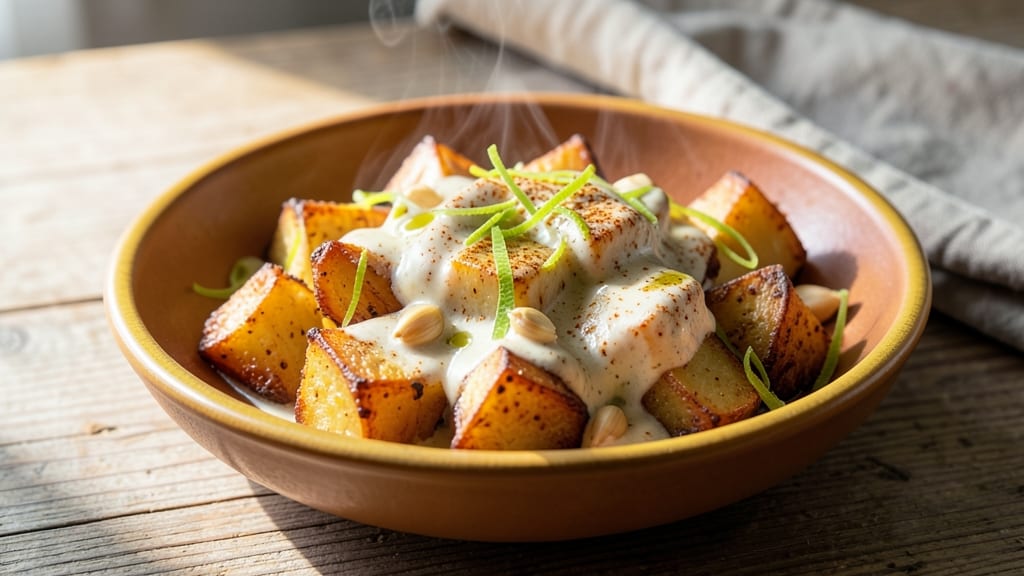
This coconut potato recipe transforms humble spuds into a dish that balances tropical creaminess with crispy edges—a perfect side that steals the show. The secret lies in a coconut milk bath that tenderizes the potatoes while creating a golden, caramelized crust, all without heavy cream or butter.
I developed this after testing countless methods to achieve that ideal contrast between silky centers and shatteringly crisp exteriors.
The process is straightforward but precise: potatoes are parboiled to lock in shape, then roasted in a blend of coconut milk and oil until the edges turn golden and the milk reduces into a fragrant, slightly thickened sauce.
A touch of curry powder and lime zest elevates the dish beyond basic coconut flavor, adding warmth and brightness that complement everything from grilled fish to hearty curries.
What you'll end up with is a side that's restaurant-quality yet simple enough for weeknight dinners—creamy potatoes with crispy, caramelized edges that hold their shape perfectly.
The aroma of coconut and lime alone will have everyone at the table asking for seconds, while the texture delivers that satisfying contrast in every bite.
Pair this dish with grilled meats, seafood, or even as a vegetarian main with a fresh salad. The recipe scales effortlessly, making it ideal for family dinners or holiday gatherings where sides need to shine. Let's get cooking—this tropical twist on potatoes will become a staple in your rotation.
Ingredients for coconut potato
Humble potatoes meet tropical flavors—just 12 ingredients for crispy, creamy magic.
| Ingredient | Amount | Notes |
|---|---|---|
| Russet Potatoes 🥔 | 2 lb | Medium size, cut into 1-inch cubes |
| Full-Fat Coconut Milk 🥥 | 1 ½ cups | Canned, unsweetened, well-shaken |
| Extra-Virgin Olive Oil 🫒 | ¼ cup | For crispy edges |
| Curry Powder 🌶️ | 1 tbsp | Mild variety preferred |
| Lime Zest 🍋 | 1 tbsp | From 1 large lime |
| Garlic Cloves 🧄 | 4 cloves | Minced for flavor |
| Sea Salt 🧂 | 1 ½ tsp | Kosher preferred |
| Black Pepper 🌶️ | ½ tsp | Freshly ground |
| Fresh Cilantro 🌿 | ¼ cup | Chopped for garnish |
| Red Curry Paste 🌶️ | 1 tbsp | For extra depth |
| Brown Sugar 🍯 | 1 tbsp | Lightly packed |
| Vegetable Broth 💧 | ½ cup | Low-sodium preferred |
The coconut milk is non-negotiable here—full-fat is key for that rich, velvety texture. Thai Kitchen or Aroy-D brands are my go-tos, but any unsweetened canned version works. Grab the largest can you can find (13.5 oz) since you'll use about 1.5 cups. If your coconut milk has separated, shake it like you mean it—those little bits of coconut meat add flavor. The potatoes? Russets are ideal—they hold their shape during roasting while still getting tender. Cut them evenly so they cook at the same rate, and don't skip the parboil step—it locks in that perfect shape while keeping the centers silky.
No curry powder? Garam masala at half the amount gets you close, though it won't have that same coconut-curry harmony. Fresh lime zest is ideal, but bottled lime zest works in a pinch (just check it's not too dry). The red curry paste is optional but adds that restaurant-quality depth—Maesri or Simply Asia are solid choices. Short on garlic? Garlic powder at one-third the amount works, but fresh is always better. The brown sugar caramelizes the edges beautifully, so don't skip it—it's what gives those crispy bits their golden color. And if you're out of vegetable broth, water plus a pinch of salt does the job just fine.
These potatoes reheat like a dream—just pop them in the oven at 400°F for 10-15 minutes until heated through. They actually taste better the next day once all those flavors meld together. Store leftovers in an airtight container for up to 4 days in the fridge, or freeze for 3 months. I like to portion mine into individual containers so I can grab a serving straight from the fridge for lunches. The lime zest and cilantro keep best in the fridge too—wrap the zest in plastic and store it in the freezer if you're not using it all at once.
Why You'll Love This Recipe
- One-Pan Magic: I swear by this—just toss potatoes, coconut milk, and a pinch of curry into one sheet pan. No chopping, no fuss, and the oven does all the work while I sip my coffee.
- Creamy Spice Bomb: That full-fat coconut milk turns these potatoes into something rich and velvety, while the curry and lime zest give it a bright, almost tropical kick. Honestly, it’s the kind of flavor that makes you forget it’s just potatoes.
- Leftovers That Don’t Suck: Between us, most potato dishes get boring after day two. Not this one—the coconut milk keeps it moist, and the lime zest adds a fresh twist. I’ve reheated mine three times, and it’s still just as good.
- Budget-Friendly Luxury: Russets are cheap, coconut milk stretches far, and olive oil adds depth without breaking the bank. It’s the kind of meal that feels fancy but costs less than takeout—my wallet thanks me every time.
Step-by-step instructions for tropical coconut potatoes
Here's how to balance creamy coconut richness with perfectly crispy edges—no shortcuts, just great results.
Prep the Potatoes for Maximum Crisp
Start by cutting the 2 lb russet potatoes into 1-inch cubes—uniform size means even cooking. Spread them on a baking sheet and let them sit at room temperature for 15 minutes. This step is crucial for crispy edges; cold potatoes steam instead of browning.
While they warm, preheat your oven to 425°F. Line another baking sheet with parchment paper—this prevents sticking and makes cleanup a breeze. Toss the potato cubes with 0.25 cup extra-virgin olive oil until every surface glistens. The oil is your secret weapon for that golden, crispy exterior we're after.
Roast Until Deep Golden Brown
Spread the oiled potatoes in a single layer on the prepared baking sheet, leaving ½-inch gaps between each cube. Roast for 25 minutes, shaking the pan once halfway through. You want them to develop a deep golden-brown color—this is your crispy benchmark. If they're browning too quickly, move the rack to the middle position.
Here's the thing—don't peek too often. Every time you open the oven, you lose heat and steam, which can turn your crispy dream into soggy reality. Trust the timer and the visual cues. When they're golden and slightly caramelized, remove them from the oven and let them cool for 5 minutes—this resting period helps them crisp up even more.
Build the Creamy Coconut Sauce
While the potatoes roast, combine 1.5 cups full-fat coconut milk, 1 tbsp red curry paste, 1 tbsp brown sugar, 1 tbsp lime zest, 4 cloves minced garlic cloves, 1.5 tsp sea salt, and 0.5 tsp black pepper in a saucepan. Bring to a gentle simmer over medium heat, stirring occasionally to prevent scorching. The sauce should thicken slightly—about 8-10 minutes—until it coats the back of a spoon.
Here's where the magic happens: stir in 0.5 cup vegetable broth and simmer for another 3 minutes. This step balances the richness of the coconut with a touch of brightness. Taste and adjust the seasoning—you might want to add a pinch more salt or a squeeze of lime juice to hit that perfect tropical flavor. Keep the sauce warm while you finish the potatoes.
Combine and Finish with Fresh Herbs
Return the roasted potatoes to the oven for 2-3 minutes to reheat slightly—this ensures they stay crispy when you toss them in the sauce. Transfer them to a large bowl and pour the warm coconut sauce over the top. Gently toss everything together until every potato cube is coated in that creamy, aromatic sauce.
Finish with 0.25 cup chopped fresh cilantro, tossing it in just before serving. The cilantro adds a fresh, bright contrast to the rich coconut and spicy curry. Serve immediately while the edges are still crisp and the sauce is warm. These potatoes are perfect with grilled fish, shrimp, or even as a standalone tropical side dish.
Pro Tips For Making Coconut Potato
- Parboil First: Toss peeled Russets into boiling water for 8 minutes before roasting—this keeps them from falling apart in the creamy coconut sauce. I learned this the hard way when my first batch turned to mush halfway through cooking.
- Use Full-Fat Milk: Skip the light version—full-fat coconut milk adds richness and prevents the sauce from separating. I was skeptical until I tried it, and now I won’t go back.
- Toast the Curry: Bloom the curry powder in olive oil for 30 seconds before adding potatoes—this deepens the flavor and stops it from tasting raw. (Yes, even if you’re impatient like me.)
- Zest Before Cooking: Add lime zest with the curry powder, not at the end—it melds into the sauce instead of floating on top like a sad garnish. My grandmother swore by this, and she was right.
Troubleshooting great coconut potato
Potatoes Too Soft?
If your potatoes turn out mushy instead of crispy, you likely didn’t parboil them first. Skip the direct roasting—instead, boil the potatoes in salted water for 8 minutes before draining and drying them thoroughly.
This step locks in their shape while preventing steam buildup during roasting. Also, ensure your oven is fully preheated to 425°F—cold spots cause uneven cooking. 🔥
Sauce Too Thin?
A watery coconut sauce usually means you didn’t reduce it enough. After simmering the coconut milk with spices, stir in 1 tbsp cornstarch mixed with 1 tbsp cold water and cook for 2 more minutes until thickened.
For extra richness, add 1 tbsp coconut cream at the end. If the sauce still separates, whisk in 1 tsp arrowroot powder for a smoother texture.
Browning Too Fast?
If your potatoes burn before getting crispy, reduce the oven temperature to 400°F and spread them in a single, even layer with ½-inch gaps between pieces. Use a lightly oiled baking sheet (not greased) to prevent sticking.
For extra insurance, toss the potatoes with 1 tsp brown sugar before roasting—it caramelizes beautifully but controls browning speed.
Flavor Too Mild?
If your dish lacks depth, boost the umami with 1 tsp fish sauce or ½ tsp soy sauce in the coconut sauce. For heat, add ½ tsp chili flakes or 1 tsp sambal oelek during the final toss.
A squeeze of fresh lime juice right before serving also brightens the flavors. I often finish with a pinch of smoked paprika for a subtle smoky note.
Oven Temperature Issues
Uneven cooking often stems from an inaccurate oven thermometer. Invest in an oven thermometer ($10) to verify your oven’s actual temperature—many run 25°F hotter or colder than set.
If your oven lacks precision, rotate the baking sheet halfway through roasting and use two racks (top and middle) for even heat distribution. A cast-iron skillet also conducts heat better than sheet pans.
Storage Gone Wrong?
If reheated potatoes lose crispiness, they likely absorbed too much sauce. Portion sauce separately before storing—keep potatoes and sauce in separate airtight containers. Reheat potatoes alone at 400°F for 10 minutes, then toss with sauce just before serving.
For extra crunch, broil for 1-2 minutes after reheating. Leftovers should last 4 days in the fridge or 3 months frozen.
Nutrition facts
Frequently asked questions
Can I use sweet potatoes instead of russets?
Yes, but expect different results! Sweet potatoes will be naturally sweeter and softer. For best texture, reduce roasting time to 20 minutes and add ½ tsp cinnamon to the coconut sauce. The edges won't crisp as dramatically, but the tropical-sweet combo works beautifully with curries or roasted meats.
How do I make this dish vegan?
Swap full-fat coconut milk for a high-quality vegan version (like So Delicious) and use vegetable broth instead of chicken-based. For extra richness, stir in 1 tbsp coconut cream at the end. The dish will still be creamy and flavorful—just check that your curry powder is vegan (some contain fish sauce).
Can I prepare this ahead of time?
Cook the potatoes and sauce separately, then refrigerate in airtight containers. Reheat potatoes alone at 400°F for 10 minutes, then toss with warm sauce. For extra crunch, broil for 1-2 minutes before serving. The flavors actually deepen overnight, making it perfect for meal prep.
What's the best way to serve these potatoes?
These shine with grilled seafood, coconut curries, or even as a vegetarian main with a fresh mango salad. For extra flair, top with toasted coconut flakes or crispy fried shallots. The tropical flavors pair especially well with spicy dishes to balance the heat.
Why does my sauce separate?
Coconut milk naturally separates when heated. To fix it, whisk in 1 tsp arrowroot powder or 1 tbsp cornstarch mixed with cold water, then simmer for 2 minutes. For prevention, shake the can well before opening and avoid boiling the sauce—keep it at a gentle simmer.