
Side Dishes
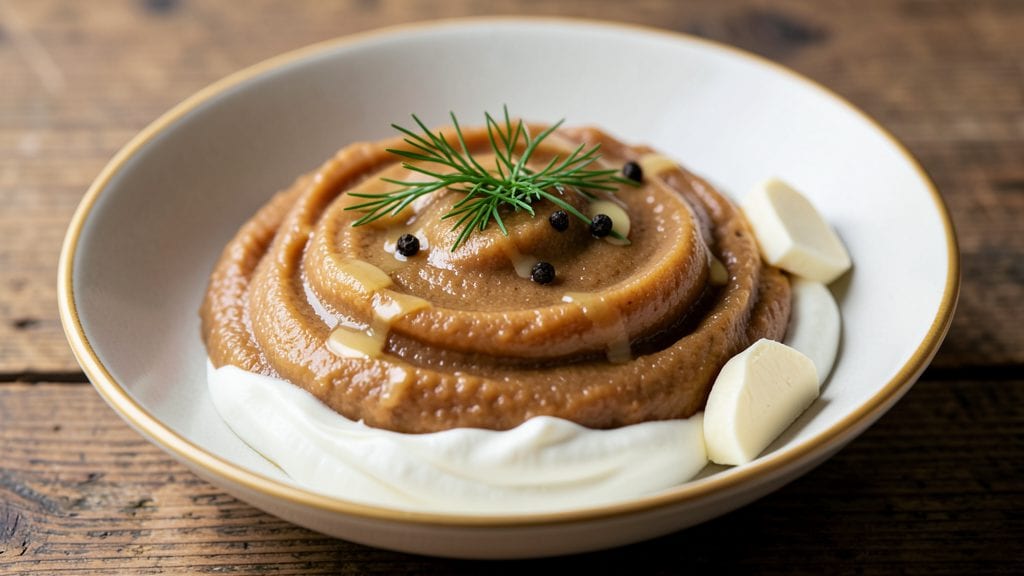
This classic creamy mashed potatoes recipe delivers the ultra-smooth, velvety texture that makes every holiday table feel like home. The secret lies in precise technique—selecting the right potatoes, boiling them just until tender, and mashing them while still warm to eliminate every clump.
I've perfected this method over years of Thanksgiving dinners, where the difference between lumpy and luxurious mashed potatoes determines whether guests reach for seconds or thirds.
The foundation begins with starchy potatoes like Russets or Yukon Golds, boiled in salted water until fork-tender but not falling apart. After draining, we return them to the pot to dry out slightly before adding butter, warm cream, and just enough salt to enhance their natural sweetness.
The key moment comes when we mash them with a potato masher or ricer—never a food processor, which introduces air and ruins the silky consistency. This isn't just a side dish; it's the canvas that elevates any main course from ordinary to extraordinary.
What you'll achieve is mashed potatoes so smooth they practically melt in your mouth, with a velvety texture that clings to the back of your spoon. The butter and cream create a rich, velvety finish that balances perfectly against roasted meats or holiday gravy.
This recipe delivers restaurant-quality results at home, with a technique so reliable it's become my go-to for every special occasion. The best part? It's easier than it looks once you know the secrets.
Serve these mashed potatoes alongside roasted chicken, beef tenderloin, or as the star of your holiday feast. The creamy texture pairs beautifully with rich gravies, crispy roasted vegetables, or even as a comforting breakfast dish.
Once you master this technique, you'll never settle for anything less than velvety perfection again. Let's get started on creating your smoothest batch yet.
Ingredients for classic creamy mashed potatoes
Six simple ingredients transform into the creamiest mashed potatoes you'll ever make.
| Ingredient | Amount | Notes |
|---|---|---|
| Russet Potatoes 🥔 | 3 lb | Medium size, peeled and quartered |
| Unsalted Butter 🧈 | 1 cup | Cold, cut into small cubes |
| Heavy Whipping Cream 🥛 | 1 cup | Warm, not hot |
| Salt 🧂 | 1 ½ tsp | Kosher or sea salt |
| Whole Milk 🥛 | ½ cup | Optional for extra creaminess |
| Freshly Ground Black Pepper 🌶️ | ¼ tsp | Freshly cracked for best flavor |
| Chives 🌿 | 2 tbsp | Finely chopped, for garnish |
| Garlic Cloves 🧄 | 2 cloves | Roasted for subtle flavor |
The potatoes are everything. Russets are your best bet—they're starchy enough to hold that velvety texture. Grab a 3-pound bag from any grocery store, but skip the pre-peeled kind (they bruise faster). I always roast a couple cloves of garlic with the potatoes—just toss them in the pot while they boil. The flavor is subtle but adds depth. If you're short on time, Yukon Golds work too, but they're pricier and less starchy. Peeled and quartered, they cook faster and more evenly. Don't skip the quartering—whole potatoes steam instead of boil, which makes them watery.
Butter and cream are non-negotiable for that restaurant-quality texture. European-style butter like Plugrá or Land O'Lakes works great, but any unsalted will do. The key is warming the cream first—microwave it for 20 seconds to take the chill off. No heavy cream? Half-and-half plus a splash of milk gets you close. Want extra richness? Add that half cup of milk too. The salt is where most people mess up—start with 1 teaspoon, taste, then adjust. Kosher salt is your friend here. And don't even think about using a food processor—it introduces air and makes them lumpy. A potato masher or ricer is your best tool for that silky finish.
These keep for 3-4 days in the fridge, but they're best the day you make them. Reheat gently with a splash of milk or cream—microwave in 30-second bursts, stirring between each. For leftovers, I like to portion them into small containers and reheat just until warm. They don't reheat as beautifully as fresh, but they're still delicious. Freezing isn't recommended—they get gummy when thawed. If you're making this ahead for a holiday meal, boil the potatoes the day before, cool them completely, then refrigerate. Finish them just before serving for perfect texture.
Why You'll Love This Recipe
- Five-Ingredient Magic: I swear by this lineup—Russets, butter, cream, milk, and salt. That’s it. No fancy gadgets, no stress. Just peel, boil, mash, and fold. The simplicity doesn’t mean it’s basic; it’s the foundation for something ridiculously good.
- Velvet Smooth Payoff: Here’s what sold me—the way the butter and cream marry the potatoes. Not gluey, not grainy, but that perfect ribbon when you swirl it. (Yes, even on a Tuesday night.) The secret? Draining the potatoes well and letting the steam escape before mashing.
- Leftovers? Laughable: This recipe makes way more than you’ll eat in one sitting. Reheat them with a splash of milk and a pat of butter, and they’re just as creamy as day one. Between us, I’ve even thrown them into breakfast burritos—no judgment.
- Budget-Friendly Luxury: Russets are cheap, butter stretches far, and you’re not using specialty ingredients. For under $5, you’ve got a side that feels like a restaurant dish. Honestly, it’s the kind of recipe that makes me feel like I’m feeding everyone fancy food without breaking the bank.
Step-by-step instructions for ultra-smooth creamy mashed potatoes
Here's how to achieve that perfect, velvety texture without a single clump in sight.
Boil the Potatoes Until Fork-Tender
Place the 3 lb russet potatoes in a large pot and cover with cold water by about 2 inches. Add the 1.5 tsp salt to the water. Bring to a rolling boil over high heat, then reduce to a simmer and cook for 15-20 minutes until a knife slides in easily.
Don't skip the cold water start—it ensures even cooking. You'll know they're done when the skin is tender and the flesh offers no resistance when pierced. Drain immediately and return the potatoes to the pot.
Dry Thoroughly and Mash Coarsely
Let the drained potatoes steam dry in the pot for 2-3 minutes. This step is crucial—it removes excess moisture that would make your mash watery. Then, using a potato masher or fork, break them down into large, uneven chunks.
Don't use a food processor yet—we want to preserve some texture for now. The larger pieces will absorb more butter and cream during mixing, creating that signature creamy texture. If you're using the 2 cloves roasted garlic, add them now while still warm.
Mix in Butter and Warm Cream
Return the pot to low heat and add the 1 cup cold unsalted butter cut into small cubes. Stir gently until the butter melts completely, then add the 1 cup warm heavy whipping cream. The combination of cold butter and warm cream creates the perfect balance for ultra-smooth mash.
Use a hand mixer or wooden spoon to gradually work the butter and cream into the potatoes. This step should take 2-3 minutes of steady mixing. The butter should be fully incorporated but not melted into a liquid—you want visible flecks throughout.
Achieve Perfect Consistency
Add the 0.5 cup whole milk if desired for extra creaminess. Mix again until fully combined, then taste and adjust seasoning with the 0.25 tsp freshly ground black pepper. For the smoothest texture, pass the mash through a ricer or food mill if you prefer completely silky potatoes.
This is where the magic happens—you're looking for a light, airy texture that's thick enough to hold its shape but still creamy. If it's too thick, add a splash more warm milk. If too thin, let it sit uncovered for 5 minutes to evaporate excess moisture.
Finish with Fresh Garnishes
Transfer the mashed potatoes to a serving bowl and gently fold in the 2 tbsp finely chopped chives. The chives add a fresh finish that brightens up the rich, creamy potatoes. Serve immediately while still warm for that classic restaurant-quality texture.
Here's the thing—mashed potatoes taste best when served right away. The starches continue to break down even after mixing, so don't let them sit too long before serving. Each bite should be rich, creamy, and completely free of lumps, with just the right amount of peppery heat from the fresh black pepper.
Pro Tips For Making Classic Creamy Mashed Potatoes
- Boil Until Fork-Tender: Russets stay firm if you cut them too big—stick to 1.5-inch chunks so they cook through in 15-20 minutes. Test doneness by piercing with a fork; it should slide in like butter. Overcooking turns them gluey, so pull them just before they’re perfect.
- Use Hot Liquids Only: Cold milk or cream makes mashed potatoes gummy. Heat your milk and cream until steaming (not boiling) before adding to the potatoes. This keeps the texture silky smooth—no clumping or that sad, pasty consistency.
- Don’t Rush the Mashing: I used to mash too early, and the potatoes always ended up lumpy. Let them sit in the pot for 2-3 minutes after draining, then mash with a ricer or potato masher—it breaks them down better than a fork. Patience here makes all the difference.
- Salt the Water Generously: Skimping on salt here means your potatoes taste bland no matter how much you season later. Use 1.5 teaspoons of salt per pound of potatoes in the boiling water—it seasons the flesh and balances the richness of the butter and cream.
Regional styles of classic creamy mashed potatoes
New England Style
In New England, mashed potatoes take on a rustic charm with a touch of tang. Swap the heavy cream for sour cream or crème fraîche—about ½ cup—and add 1 tsp white vinegar to brighten the flavor.
I love finishing these with crispy fried onions on top for texture. This version is lighter but still creamy, perfect for chilly coastal dinners. 🌊
Southern Comfort
The South takes mashed potatoes to decadent heights by incorporating bacon grease instead of butter. Cook 4 slices of bacon until crispy, then drain all but 2 tbsp of fat into the potatoes.
Add ½ cup of buttermilk for tang and a pinch of smoked paprika for depth. This rich, smoky version pairs perfectly with fried chicken or pulled pork. 🍖
Midwest Homestyle
Midwestern kitchens often use Yukon Gold potatoes for their natural sweetness and creaminess. The secret here is adding 1 roasted garlic clove and 2 tbsp of grated Parmesan cheese while mashing.
I also recommend a splash of whole milk> instead of heavy cream to keep it lighter. This version is a crowd-pleaser at family gatherings and holiday feasts. 🏡
Pacific Northwest Twist
For a lighter take, Pacific Northwest cooks often use half butter, half olive oil (about ½ cup each) and infuse the cream with fresh rosemary or thyme. Add 1 tbsp of lemon zest to brighten the flavor.
This version works beautifully with grilled salmon or roasted vegetables. The herbs add an earthy aroma that complements the region's fresh ingredients. 🌿
Appalachian Mountain Style
In the Appalachians, mashed potatoes get a hearty boost with sausage or ham drippings. Brown ½ lb of Italian sausage until crispy, then drain all but 2 tbsp of fat>** into the potatoes.
Add 1 tbsp of apple cider vinegar for a subtle tang. This version is rich, savory, and perfect for cold mountain nights. The sausage adds a smoky depth that pairs well with roasted meats. 🏔️
Nutrition facts
Frequently asked questions
Why do my mashed potatoes turn out lumpy even when I use a ricer?
Lumps usually happen when potatoes aren't fully dry before mashing or when you add liquid too early. Always let drained potatoes steam dry in the pot for 2-3 minutes after draining. Also, warm your cream and milk before adding - cold liquids make the butter separate and create clumps. If using a ricer, make sure potatoes are completely broken down first.
Can I make this recipe ahead of time?
Yes, but with some adjustments. Boil and mash the potatoes up to 2 days ahead, then refrigerate in an airtight container. Reheat gently with a splash of warm milk or cream in the microwave (30-second bursts, stirring between each). For best texture, finish with fresh butter and cream just before serving. Never freeze mashed potatoes - they become gummy when thawed.
What's the difference between Yukon Gold and Russet potatoes for mashing?
Russets are the classic choice for ultra-creamy mashed potatoes because of their high starch content. Yukon Golds are slightly waxier and sweeter, creating a creamier but denser texture. For this recipe, stick with Russets for that signature light, fluffy finish. If using Yukons, you'll need about 10% more butter and cream to compensate for their lower starch content.
How can I make these without dairy?
Replace butter with ½ cup olive oil or vegan butter, and use full-fat coconut milk or cashew cream instead of heavy cream. For richness, add 2 tbsp nutritional yeast> for a cheesy flavor. The texture will be slightly denser but still creamy. Always warm your plant-based substitutes before adding to maintain that velvety consistency.
What's the secret to getting that restaurant-quality texture?
The magic happens in three steps:
- Dry the potatoes thoroughly after boiling,
- Use cold butter and warm cream together, and
- Mash while still hot. The butter should melt into the potatoes but remain slightly visible as flecks. Never overmix - stop when you achieve that light, airy texture. The key is patience - let it sit for 5 minutes after mixing to thicken naturally.