
Main Courses
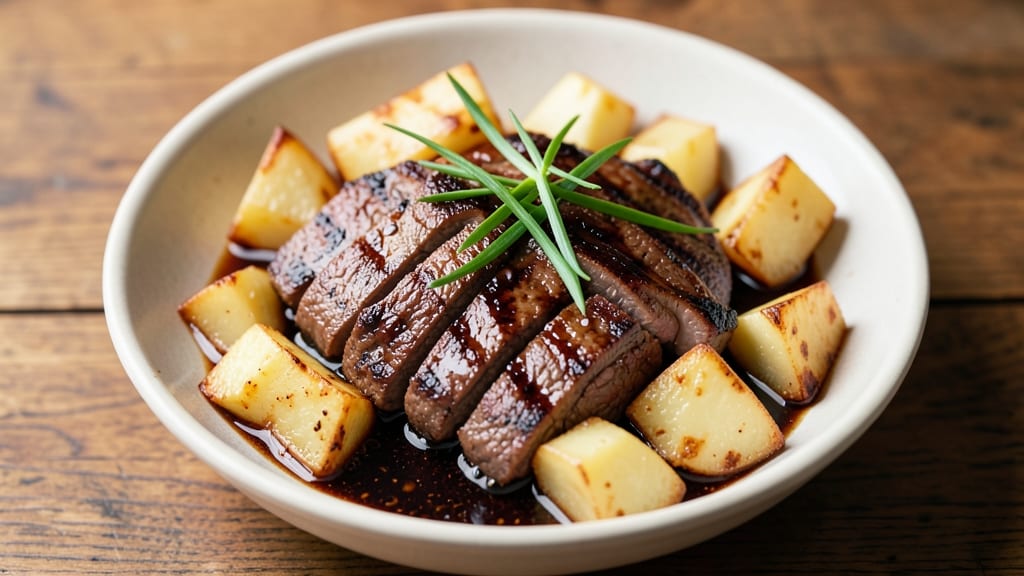
This Chinese beef and potato stir fry delivers restaurant-quality tender beef and crisp-tender potatoes in just 20 minutes—all thanks to the wok-hei technique that creates that signature smoky aroma.
The secret lies in high heat, quick cooking, and the right balance of soy sauce, garlic, and ginger, which transform simple ingredients into a dish that feels like a home-cooked version of your favorite takeout.
I developed this recipe after years of perfecting stir-fry timing, ensuring every bite has that perfect texture contrast.
The beauty of this dish is its simplicity: just a handful of ingredients that come together in your wok or large skillet. Thinly sliced beef cooks fast, while potatoes break down into crisp-tender pieces that soak up the savory sauce.
The sauce itself is a perfect balance of sweet, salty, and umami, with a touch of chili for just the right kick—adjustable to your preference. What makes this recipe stand out is how it captures that authentic stir-fry experience without requiring specialized equipment.
By the end, you'll have a plate of golden-brown beef and potatoes tossed in a glossy, aromatic sauce that's packed with flavor. The beef stays juicy while the potatoes develop a satisfying crispness at the edges, all held together by a sauce that clings perfectly.
This dish serves as a complete meal on its own or pairs beautifully with steamed rice to soak up every last bit of flavor. Ready to master this classic? Let's get cooking.
One of the best things about this recipe is its versatility—you can easily swap in bell peppers, broccoli, or snap peas for extra vegetables, or adjust the spice level to suit your taste.
The technique works equally well in a traditional wok or a deep skillet, making it accessible for any kitchen. Whether you're feeding a family or just treating yourself to a quick weeknight dinner, this stir fry delivers satisfying results every time.
Ingredients for chinese beef and potato stir fry
Just 14 ingredients—simple, bold flavors that transform into restaurant-quality stir-fry in minutes.
| Ingredient | Amount | Notes |
|---|---|---|
| Flank Steak 🥩 | 1 lb | Thinly sliced against grain |
| Russet Potatoes 🥔 | 1 ½ lb | Cut into 1-inch cubes |
| Neutral Oil 🫒 | 2 tbsp | Vegetable or canola |
| Light Soy Sauce 🍶 | 3 tbsp | Low-sodium preferred |
| Dark Soy Sauce 🍶 | 1 tbsp | For color depth |
| Cornstarch 🌾 | 1 tbsp | For tenderizing beef |
| Garlic Cloves 🧄 | 6 cloves | Minced, fresh preferred |
| Fresh Ginger 🌿 | 1 tbsp | Grated, peeled |
| Sesame Oil 🫒 | 1 tsp | Toasted for aroma |
| Sriracha 🌶️ | 1 tbsp | Adjust for heat |
| Green Onions 🧅 | 3 whole | Sliced, white and green |
| Salt 🧂 | 1 tsp | Kosher or sea salt |
| Black Pepper 🌶️ | ½ tsp | Freshly ground |
| Oyster Sauce 🍶 | 1 tbsp | Optional for umami |
The flank steak is your secret weapon here—it's lean but packed with flavor, and slicing it thinly against the grain ensures that tender texture everyone loves. Most butchers will slice it for you, but if you're doing it yourself, wrap it in plastic and slice as thin as you can. For potatoes, Russets are ideal—they hold up to high heat and develop that perfect crisp-tender bite. I always grab mine from Trader Joe's when they're on sale, but any sturdy potato works. The cornstarch is non-negotiable for tenderizing the beef—don't skip it. And if you're feeling fancy, a Whole Foods or Asian market will have the freshest ginger and garlic, but your local grocery store's produce section works just fine.
No light soy sauce? Substitute with regular soy sauce plus an extra pinch of sugar—it'll still taste great. Running low on dark soy sauce? A dash of molasses or a splash of balsamic vinegar will give you that deep color. Fresh ginger too strong? Dried ginger at half the amount works in a pinch, but honestly, fresh is worth the extra minute. The sesame oil is what gives that authentic aroma—use the toasted kind if you can find it. No oyster sauce? A splash of fish sauce or extra soy sauce will keep the umami going. And if you're avoiding gluten, swap soy sauces for tamari, but keep the ratio the same.
This dish reheats like a dream—toss with a little oil and microwave for 30 seconds to keep it crisp. Store leftovers in the fridge for up to 4 days, but honestly, it's so good it won't last that long. For freezing, portion into single servings and keep for up to 3 months. Pro tip: Make extra sauce and freeze it separately—just toss with reheated stir-fry for a quick meal later. And if you've got leftover rice, this pairs perfectly with it—double the sauce if you're serving it that way.
Why You'll Love This Recipe
- No Chopping Chaos: I swear by this one—just dice the potatoes into big chunks (no small pieces, they burn) and slice the steak thin against the grain. Ten minutes of prep, and you’re done. That dark soy sauce? It caramelizes into a glossy, sticky crust that takes care of itself while you stir.
- Umami Bomb: The combo of light and dark soy sauce here is chef’s kiss—salty, deep, with that little bite that makes your taste buds sit up. The potatoes soak up the flavor like sponges, and the flank steak? Tender enough to melt but still holds its edge. Honestly, I’ve made stir-fries with fancier ingredients that didn’t hit this hard.
- Lunchbox Hero: Between us, this is my go-to for meal prep. Double the recipe, let it cool, and it reheats like a dream—no soggy potatoes, no dry beef. Pack it in containers, and it’s a hearty lunch for work or school. (Yes, even on a Tuesday night when you’re exhausted.)
- Budget Power Move: Flank steak is affordable, potatoes are cheap, and a little oil and soy sauce stretch this meal for four—or feed a family of six if you bulk it up. I’ll be real: I’ve stretched this into three meals with minimal effort, and the leftovers? Just as good cold as hot. Smart, simple, and satisfying.
Step-by-step instructions for Chinese beef and potato stir fry
Here's how to create restaurant-quality stir fry with perfectly tender beef and crispy potatoes.
Prepare the Marinated Beef
In a bowl, combine the 1 lb flank steak with the 1 tablespoon cornstarch, 3 tablespoons light soy sauce, 1 tablespoon dark soy sauce, 1 tablespoon oyster sauce, 1 tablespoon sriracha, 1 teaspoon sesame oil, 1 teaspoon salt, and 0.5 teaspoon black pepper. Mix thoroughly until the steak is evenly coated and the marinade clings to every surface. Let it marinate for at least 15 minutes—this ensures maximum tenderness and flavor penetration.
While the beef marinates, slice the 1.5 lb russet potatoes into 1-inch cubes. Toss them in a bowl with 1 teaspoon of the neutral oil to prevent sticking. This pre-coating helps create those signature crispy edges during stir frying. Keep both the marinated beef and potatoes at room temperature while you prep the aromatics.
Cook the Potatoes to Perfect Doneness
Heat 1 tablespoon of the neutral oil in a large wok or skillet over medium-high heat until shimmering. Add the potato cubes in a single layer, stirring gently to avoid sticking. Cook for 8-10 minutes until the potatoes are golden brown on the edges but still slightly firm in the center—this is crucial for maintaining texture during the final stir fry.
Remove the potatoes and set them aside. The residual heat will keep them warm while you cook the beef. Here's the thing—if your potatoes start to brown too quickly, reduce the heat slightly. You want even cooking without burning, and that means watching the color closely.
Stir Fry the Beef with Aromatics
In the same wok, add the remaining 1 tablespoon neutral oil and increase the heat to high. Working quickly, add the marinated beef in a single layer and let it sear undisturbed for 1-2 minutes until the edges turn golden brown. This initial sear locks in juices and creates that beautiful caramelized crust.
Push the beef to one side of the wok and add the 6 cloves minced garlic and 1 tablespoon grated fresh ginger. Stir for 10 seconds until fragrant—don't let them burn, or you'll get bitter flavors. Then add the cooked potatoes back to the wok and toss everything together for 2-3 minutes until the beef reaches your desired doneness and the potatoes are heated through.
Finish with Green Onions and Serve Immediately
Reduce the heat to medium and stir in the 3 whole green onions, sliced. Toss for 30 seconds until the onions are bright green and just wilted. The stir fry is ready when the beef is fork-tender (about 3-4 minutes total cooking time for the beef after searing) and the potatoes have crispy edges with tender centers.
Serve immediately over steamed rice or noodles while everything is hot. The secret to this dish is timing—don't let it sit, or the potatoes will lose their crispiness. Garnish with extra green onions if you like, and enjoy the perfect balance of tender beef, crispy potatoes, and bold flavors.
Pro Tips For Making Chinese Beef And Potato Stir Fry
- Parboil Potatoes First: Cut Russets into ½-inch cubes, then boil them for 4 minutes before stir-frying—this keeps them from turning mushy. I learned this the hard way after a batch turned into gluey potato paste. (Yes, even if you're impatient like me, resist the urge to skip this.)
- Slice Steak Against Grain: Freeze the flank steak for 20 minutes before slicing thinly against the grain—it stays tender and chewy, not rubbery. I used to slice with the grain and wondered why my beef felt like shoe leather.
- Use Two Pans: Cook the potatoes in one wok/pan, then move them aside and sear the beef in the same pan—this builds flavor without overcrowding. After burning three batches, I finally figured out that one pan is a recipe for disaster.
- Marinate Beef Briefly: Toss sliced beef with just 1 tablespoon light soy, 1 teaspoon dark soy, and a pinch of sugar for 10 minutes max—any longer and it gets soggy. My grandmother swore by this, and she was right: short marinades keep the texture perfect.
Wine and beer pairings for this chinese beef and potato stir fry
Crisp White Wine
A dry Riesling from Germany is my go-to pairing for this stir fry—its crisp acidity cuts through the richness of the beef and potatoes while complementing the soy-based sauce. Look for a Keller Riesling from the Mosel region, which offers citrus notes that mirror the dish's bright, savory profile.
Serve slightly chilled (50-55°F) to enhance its refreshing qualities. 🍷
Light-Bodied Beer
For beer lovers, a Japanese lager like Sapporo or Asahi Super Dry provides the perfect balance. The subtle malt sweetness and clean finish won't overpower the stir fry's bold flavors, while the effervescence cleanses your palate between bites. Avoid heavy stouts or IPAs—they'll clash with the dish's delicate sauce. 🍺
Sparkling Wine Option
If you want to elevate the experience, try a Prosecco or Cava with its light bubbles and citrus undertones. The effervescence enhances the dish's fresh aromatics, while the acidity brightens the soy sauce.
I recommend La Marca Prosecco for its crisp, dry profile that stands up to the stir fry's savory depth. ✨
Non-Alcoholic Pairing
For a refreshing non-alcoholic option, serve sparkling green tea like AriZona Green Tea or a homemade ginger-lime soda. The effervescence mirrors wine's cleansing effect, while the citrus and ginger notes complement the dish's aromatic profile. Add a splash of lime juice and fresh mint for extra flair.
Regional Chinese Pairings
In Cantonese cuisine, this dish pairs beautifully with jasmine tea—its floral notes harmonize with the soy and garlic flavors. For a more robust option, Shaoxing wine (a Chinese cooking wine) served slightly warmed enhances the dish's umami depth. Just be mindful of alcohol content if serving to guests.
Serving Temperature Tips
Always serve your wine or beer slightly cooler than room temperature—around 45-50°F for beer and 50-55°F for wine. I keep mine in the fridge for 30 minutes before serving.
For sparkling options, chill for 1 hour to preserve their bubbles. The right temperature ensures every sip complements the dish's vibrant flavors. 💡
Nutrition facts
Frequently asked questions
Can I use a different cut of beef instead of flank steak?
Sirloin or ribeye work well—just slice them thinly against the grain for tenderness. Flank steak is ideal because it's lean and cooks quickly, but avoid tougher cuts like chuck. If using pre-sliced stir-fry beef from the store, marinate it for 10 minutes instead of 15 since it's already tenderized.
Why do my potatoes turn mushy instead of crisp-tender?
This usually happens from overcrowding or low heat. Cook potatoes in small batches over medium-high heat until golden edges form (8-10 minutes). Also, ensure they're 1-inch cubes—smaller pieces cook faster. If they're still mushy, try parboiling them for 2 minutes first to firm up the centers before stir-frying.
Can I make this stir fry ahead of time?
Not ideal—potatoes lose crispness when reheated. But you can prep components ahead: marinate the beef overnight, chop potatoes and store them in cold water, and mix the sauce. Assemble and cook fresh for best texture. For leftovers, reheat in a dry skillet over medium heat for 2-3 minutes to restore some crispness.
What's the best way to adjust the spice level?
Start with 1 tablespoon sriracha for mild heat. For medium spice, add 1.5 tablespoons. For extra kick, swap sriracha for 1 tablespoon chili crisp or ½ teaspoon red pepper flakes. If you prefer sweet heat, add 1 teaspoon honey to balance. Always taste the sauce before combining with the stir fry.
Can I substitute potatoes with another vegetable?
Yes! Try carrots (cut into batons), bell peppers (sliced strips), or snap peas for color. For heartier options, use broccoli florets or green beans. Cook denser veggies like carrots for 3-4 minutes before adding beef. Avoid leafy greens—they wilt too quickly. Adjust cooking times based on vegetable density.