
Side Dishes
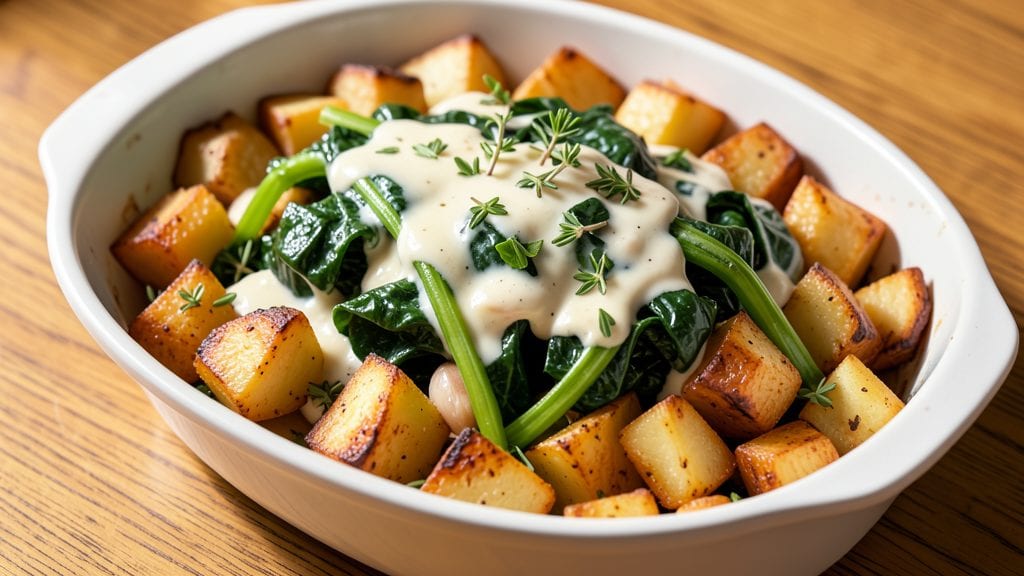
This chard and potato recipe transforms humble ingredients into a creamy, hearty side dish that balances earthy greens with tender spuds—all in one pan. The secret lies in roasting the potatoes until caramelized while sautéing the chard until tender, then binding them together with a velvety sauce.
I developed this recipe after realizing how often chard gets overlooked in favor of spinach, and it’s become a staple in my weekly rotation for its simplicity and depth of flavor.
The beauty of this dish is its versatility—it works as a vegetarian main or a rich side that pairs perfectly with grilled meats, fish, or even as a base for stuffed potatoes.
The potatoes develop a golden, crispy exterior while staying fluffy inside, while the chard wilts into a silky texture that absorbs every savory note.
A touch of garlic, thyme, and a splash of cream (or coconut milk for a lighter option) elevates the flavors without overpowering the natural taste of the ingredients.
What you’ll end up with is a creamy, satisfying dish that’s impossible to resist—each bite delivers the tender crunch of potatoes and the earthy richness of chard, all tied together in a sauce that’s smooth yet vibrant.
The best part? It comes together in under 45 minutes with minimal cleanup, making it ideal for busy weeknights or meal prep. This recipe proves that even the simplest ingredients can create something extraordinary when combined thoughtfully.
Serve it as-is for a comforting side, or add a sprinkle of toasted breadcrumbs for extra texture. For a heartier meal, fold in crispy chickpeas or crumbled feta. The possibilities are endless, but the foundation remains the same: creamy, satisfying, and utterly delicious. Let’s get cooking!
Ingredients for chard potato
Twelve simple ingredients transform into a creamy, earthy one-pan masterpiece.
| Ingredient | Amount | Notes |
|---|---|---|
| Yukon Gold Potatoes 🥔 | 1 ½ lb | Cut into 1-inch cubes, skin on |
| Swiss Chard 🌿 | 1 lb | Stems chopped, leaves torn |
| Extra-Virgin Olive Oil 🫒 | ½ cup | For roasting and sautéing |
| Heavy Cream 🥛 | ½ cup | Full-fat for optimal creaminess |
| Garlic Cloves 🧄 | 4 cloves | Minced for aromatic depth |
| Fresh Thyme Leaves 🌿 | 1 tbsp | Or 1 tsp dried thyme |
| Diamond Crystal Kosher Salt 🧂 | 1 ½ tsp | Adjust to taste |
| Freshly Ground Black Pepper 🌶️ | ½ tsp | For subtle heat |
| Vegetable Broth 💧 | ½ cup | Low-sodium preferred |
| Nutritional Yeast 🧀 | 2 tbsp | For umami depth (optional) |
| Lemon Zest 🍋 | 1 tsp | Brightens the dish |
| Fresh Lemon Juice 🍋 | 1 tbsp | For acid balance |
| Panko Breadcrumbs 🍞 | ¼ cup | For crispy topping |
The Yukon Gold potatoes are the foundation of this dish, chosen for their buttery texture and natural sweetness. Look for firm, unblemished potatoes at Whole Foods or your local market—avoid those with sprouts or soft spots. For the Swiss chard, freshness is key: vibrant green leaves and crisp stems indicate optimal quality. If using pre-washed chard, give it a quick rinse to remove any residual dirt from the stems. The extra-virgin olive oil should be cold-pressed and fruity—California Olive Ranch or Colavita are excellent choices for this recipe. Garlic cloves should be plump and firm, with no green shoots sprouting from the top.
No heavy cream on hand? Full-fat coconut milk works beautifully for a dairy-free version, though the texture will be slightly lighter. Substituting dried thyme for fresh is acceptable, but reduce to one-third the amount—Penzeys Spices carries high-quality dried herbs. For added protein, fold in crispy chickpeas or white beans at the end. The vegetable broth can be homemade or store-bought; Imagine or Pacific Foods brands are reliable low-sodium options. If nutritional yeast isn't available, Parmesan cheese adds a similar umami punch, though it will alter the flavor profile slightly.
This dish reheats beautifully—simply cover with foil and warm in a 350°F oven for 10-15 minutes. Store leftovers in an airtight container in the refrigerator for up to 4 days, or freeze for 3 months by portioning into individual containers. The potatoes and chard develop deeper flavors when reheated, making this an ideal meal prep option. For serving, garnish with extra lemon zest and a sprinkle of toasted breadcrumbs for added texture. The dish pairs exceptionally well with grilled fish, roasted chicken, or as a standalone vegetarian main.
Why You'll Love This Recipe
- One-Pan Magic: I swear by this recipe when I’m too tired to scrub pots—just roast the potatoes and chard together, then toss in the cream and garlic. The pan does 90% of the work while you sip wine (or coffee, no judgment).
- Creamy-Garlicky Bliss: That combo of Yukon Golds—soft inside, crispy edges—with wilted chard and a splash of heavy cream? It’s like hugging a warm, buttery blanket after a long day. Honestly, the garlic makes it sing.
- Lunchbox Hero: Between us, this is my go-to for meal prep. The flavors only get better the next day, and it reheats like a dream—pack it cold for work or microwave it for a lazy evening. My kids eat it straight from the fridge, no complaints.
- Budget Luxury: Swiss chard and Yukon Golds are affordable staples, but they taste like a fancy bistro dish. A little olive oil and cream stretch this into three meals for the price of takeout. (Yes, even on a Tuesday night.)
Step-by-step instructions for earthy greens and creamy spuds in one pan
Here's the method for achieving a harmonious balance of tender potatoes and vibrant chard in a single pan.
Roast the Potatoes Until Golden and Tender
Preheat your oven to 400°F and position a rack in the middle position. Toss the 1.5 lb Yukon Gold Potatoes, cut into 1-inch cubes, with 2 tablespoons of the extra-virgin olive oil on a large baking sheet. Spread them in a single layer, ensuring even exposure to heat.
Roast for 25-30 minutes, stirring halfway through, until the edges are golden brown and a knife slides in easily. The potatoes should be tender but still hold their shape—overcooking will turn them mushy. This foundational step develops their natural sweetness while creating a crisp exterior.
Sauté the Chard and Garlic in the Same Pan
While the potatoes roast, heat 2 tablespoons of the remaining extra-virgin olive oil in a large oven-safe skillet over medium heat. Add the chopped Swiss Chard stems and cook for 3-4 minutes until they soften and release moisture. Remove the stems with a slotted spoon and set aside.
In the same skillet, add the minced garlic cloves and fresh thyme leaves, cooking for 30 seconds until fragrant. Add the torn Swiss Chard leaves and sauté for 2-3 minutes until just wilted. This step preserves the chard's vibrant color while building depth of flavor through the garlic and thyme.
Deglaze and Combine with Potatoes
Transfer the roasted potatoes to the skillet with the chard. Pour in the vegetable broth and scrape up any browned bits from the bottom of the pan. Add the reserved chard stems and bring to a gentle simmer. Cover and cook for 5-7 minutes, stirring occasionally, until the potatoes are fully tender and the flavors meld.
Stir in the heavy cream, nutritional yeast, lemon zest, lemon juice, diamond crystal kosher salt, and freshly ground black pepper. Simmer uncovered for 3-4 minutes until the sauce thickens slightly and coats the back of a spoon. The lemon zest and juice brighten the earthy flavors while the nutritional yeast adds umami depth.
Create a Crispy Panko Topping
Spread the potato-chard mixture evenly in the skillet. Sprinkle the panko breadcrumbs evenly over the top, pressing down gently to ensure even coverage. Return to the oven and broil for 2-3 minutes, watching closely, until the breadcrumbs are deep golden brown and crispy.
Remove from the oven and let rest for 2 minutes before serving. The crispy topping contrasts beautifully with the creamy sauce, while the panko absorbs any excess liquid for a perfect texture. Serve immediately, as the dish is best enjoyed while the potatoes are warm and the topping is crisp.
Pro Tips For Making Chard Potato
- Sear Potatoes First: Toss halved Yukon Golds in olive oil and salt, then sear cut-side down in a cold skillet for 2-3 minutes before adding chard. I learned this the hard way—skipping this step means soggy potatoes and a dish that tastes more like boiled spuds than golden, crispy edges. Start medium heat, then crank it up once they release their first sizzle.
- Trim Chard Like a Pro: Strip the thick stems from Swiss chard, slice them thin, and sauté them separately in olive oil for 5 minutes before adding leaves. The stems get tough fast, and if you toss them in raw, they’ll turn to mush while the leaves wilt. (Yes, even if you’re impatient like me.)
- Don’t Rush the Cream: Let the heavy cream warm to room temperature before stirring it in—cold cream curdles faster than you can say "disaster." If you’re in a hurry, warm it gently in a separate pan first. The sauce should coat the back of a spoon; if it’s too thick, add a splash of pasta water or broth.
- Salt the Water Twice: Boil the potatoes in well-salted water (like the sea), then drain and immediately plunge them into ice water. I skip this second salt step sometimes, but the potatoes stay creamier and the flavor is more balanced when you do. (Your future self will notice the difference.)
Best sauces and condiments for this chard potato
Creamy Garlic Sauce
The foundation of this dish is the rich garlic cream sauce, which binds the potatoes and chard into a cohesive, velvety texture.
After roasting the potatoes and sautéing the chard, I deglaze the pan with ½ cup vegetable broth to lift those delicious browned bits (fond) from the bottom—this adds depth of flavor.
Then, I stir in ½ cup heavy cream (or coconut milk for a dairy-free version) and simmer until the sauce thickens just enough to coat the back of a spoon.
The 4 minced garlic cloves and 1 tbsp fresh thyme infuse the sauce with aromatic warmth, while 2 tbsp nutritional yeast adds a cheesy, umami richness that elevates the dish without dairy. 🧄
Lemon-Tahini Dressing
For a lighter, brighter alternative, swap the cream sauce for a lemon-tahini dressing that cuts through the earthiness of the chard and potatoes.
Whisk together ¼ cup tahini, 2 tbsp lemon juice, 1 tbsp lemon zest, 3 tbsp warm water, 1 minced garlic clove, and ½ tsp salt until smooth. Drizzle this over the finished dish just before serving—it adds a silky, nutty contrast that brightens every bite.
I love this variation for spring or summer when I want to keep things fresh and vibrant. 🍋
Spicy Harissa Cream
If you crave heat, transform the sauce into a spicy harissa cream by stirring 1 tbsp harissa paste (like Levant Spice) into the warm cream before combining with the potatoes and chard. The harissa’s smoky, chili-infused flavor pairs surprisingly well with the creamy texture and earthy greens.
For balance, add an extra 1 tbsp lemon juice to brighten the dish. This version is perfect for serving with grilled meats or as a standalone vegetarian main. 🌶️
Cheesy Gruyère Sauce
For a decadent twist, fold ½ cup grated Gruyère cheese into the cream sauce while it simmers. The nutty, melty cheese melts into the sauce, creating a luxurious texture that pairs beautifully with the crispy panko topping.
I recommend using freshly grated cheese for the best melt—pre-shredded varieties often contain anti-caking agents that prevent proper melting. This version feels especially indulgent when served as a side to roasted chicken or fish. 🧀
Herbed White Wine Sauce
For a more sophisticated flavor profile, replace the vegetable broth with ½ cup dry white wine (like Sauvignon Blanc) when deglazing the pan. After reducing the wine by half, stir in the cream and simmer until the sauce thickens.
Finish with 1 tsp fresh parsley and a pinch of black pepper for a refined, herbaceous touch. This sauce adds a subtle acidity that cuts through the richness of the potatoes and chard, making it ideal for special occasions. 🍷
Nutrition facts
Frequently asked questions
Can I substitute regular potatoes for Yukon Gold in this recipe?
Yes, but expect different results. Yukon Golds have a naturally creamy texture and mild sweetness that pairs perfectly with chard. Russet potatoes will work but may be drier and fluffier, while red potatoes will hold their shape better. For best results, use whatever you have on hand, but add an extra 1 tablespoon of cream if using Russets to compensate for dryness.
How do I prevent the chard from turning bitter or slimy?
Bitter chard happens when overcooked, so sauté the leaves for only 2-3 minutes until just wilted. For sliminess, avoid overcrowding the pan—cook in batches if needed. Also, remove the stems first (they take longer to cook) and reserve them separately. The key is high heat and quick cooking to preserve the vibrant color and tender texture.
Can I make this dish ahead of time?
Assemble everything except the panko topping and refrigerate for up to 2 days. When ready to serve, reheat in a skillet over medium-low heat with a splash of broth or water to revive the sauce. Add the panko topping fresh and broil for 2-3 minutes to crisp it up. The flavors actually improve overnight as the chard and potatoes meld together.
What's the best way to add protein to this vegetarian dish?
Try any of these options: Fold in ½ cup crumbled feta or ½ cup chickpeas at the end for texture, or serve alongside pan-seared tofu or grilled tempeh. For a heartier meal, top with poached eggs right before serving—the yolk will create a creamy contrast with the chard-potato mixture.
Why did my panko topping stay soggy?
Soggy panko usually means the dish was too wet or the topping wasn't crisped enough. First, ensure you pressed the panko gently into the mixture before broiling. If the sauce is too thin, simmer it uncovered for an extra 2-3 minutes to thicken. For extra insurance, broil on high for 3-4 minutes instead of 2-3, watching closely to avoid burning.