
Side Dishes
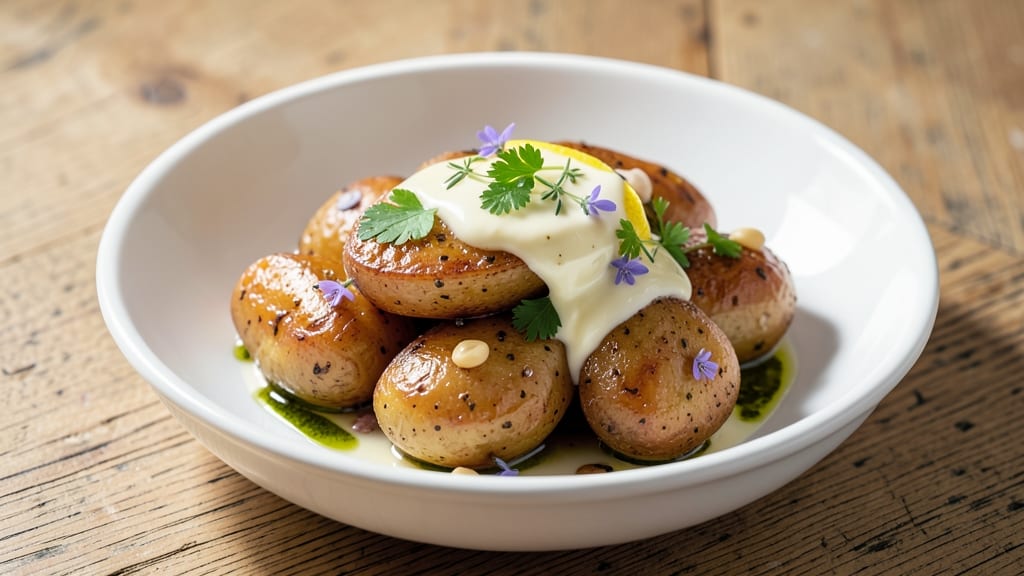
Transforming canned new potatoes into a restaurant-quality side dish takes just 20 minutes—no peeling, no boiling, and no fuss. The secret lies in high-heat roasting and a herb-butter finish that elevates these humble potatoes into something special.
I developed this method after realizing how often canned potatoes get overlooked in favor of fresh, but with the right technique, they become a foolproof weeknight staple.
This recipe delivers crispy edges and tender centers with minimal effort—just drain, toss, and roast. The key is using a hot oven (425°F) and a herb-infused butter that adds depth without overpowering the natural potato flavor.
Whether you're serving a holiday meal or a simple family dinner, these potatoes bring elegance and texture to any table.
What makes this dish truly special is its versatility—pair with roasted chicken, steak, or even a simple salad for a complete meal. The golden-brown finish and aromatic herbs make it taste homemade, while the 20-minute prep ensures it fits seamlessly into any schedule.
Ready to upgrade your side dishes? Let’s get started.
For extra richness, stir in crumbled bacon or a splash of cream at the end, or keep it simple with fresh parsley and a squeeze of lemon. The choice is yours—this recipe adapts effortlessly to any occasion while delivering restaurant-worthy results every time.
Ingredients for canned new potatoes
Eight essential ingredients transform canned potatoes into a restaurant-worthy side dish.
| Ingredient | Amount | Notes |
|---|---|---|
| Canned New Potatoes 🥔 | 2 cans | 15 oz each, drained and rinsed |
| Unsalted Butter 🧈 | ½ cup | Cold, cubed for herb infusion |
| Fresh Parsley 🌿 | ¼ cup | Chopped finely for garnish |
| Fresh Thyme Leaves 🌿 | 1 tbsp | Finely chopped, stems removed |
| Garlic Cloves 🧄 | 3 cloves | Minced finely for depth |
| Extra-Virgin Olive Oil 🫒 | 1 tbsp | For crispy roasting finish |
| Diamond Crystal Kosher Salt 🧂 | 1 tsp | For seasoning and balance |
| Freshly Ground Black Pepper 🌶️ | ½ tsp | Coarse grind for texture |
| Lemon Zest 🍋 | 1 tsp | Brightens herb butter |
| Crumbled Bacon 🥓 | ¼ cup | Optional for richness |
| Heavy Cream 🥛 | ¼ cup | Optional for velvety finish |
The quality of your potatoes starts with the can—opt for brand-name varieties like Del Monte or Green Giant, which consistently deliver firm, evenly sized potatoes. Fresh herbs are non-negotiable here; Whole Foods or local farmers' markets offer the most vibrant parsley and thyme. For the butter, Plugrá or Land O'Lakes unsalted sticks work perfectly, but European-style cultured butter (like Kerrygold) adds an extra layer of complexity. The garlic should be freshly minced—pre-minced jars lack the aromatic punch needed for this dish. If you're short on time, Trader Joe's pre-minced garlic works in a pinch, though it lacks the freshness of minced cloves.
No fresh parsley? Substitute with 1 tablespoon dried parsley, but reduce the amount by one-third to avoid bitterness. Thyme leaves unavailable? Fresh oregano works similarly, though it has a slightly different profile. For extra richness without bacon, crumbled pancetta delivers a comparable depth of flavor. The heavy cream can be replaced with half-and-half for a lighter texture, though the finish will be slightly less velvety. If you're avoiding dairy, olive oil can be increased by 1 tablespoon to compensate for lost moisture during roasting. The lemon zest is critical—bottled zest lacks the brightness of freshly grated, so invest in a microplane if you don't already own one.
Store the herb butter mixture in an airtight container in the refrigerator for up to 5 days, though it's best used within 3 days for optimal flavor. The roasted potatoes reheat beautifully—5 minutes at 375°F restores their crispy edges and tender centers. For meal prep, portion the potatoes into individual ramekins before roasting; they reheat perfectly and make for elegant second-day servings. The herb butter can be made 2 days ahead and stored separately, saving you time on busy weeknights. If making ahead, reheat the butter gently before tossing with the potatoes to maintain its aromatic qualities.
Why You'll Love This Recipe
- No Chopping Needed: I’ll admit it—some days I’m too tired to peel potatoes. Just drain those canned beauties, toss them in butter with minced garlic, and let the thyme do its magic. The texture’s already perfect, no knife skills required.
- Butter-Garlic Magic: That first bite of warm potato with crispy edges and creamy centers? Chef’s kiss. The butter melts into the garlic and thyme, coating every bite like a little flavor hug. Honestly, it’s the kind of simple dish that makes me want to eat straight from the pan.
- Picnic or Potluck Star: Between us, this is my go-to for gatherings because it’s foolproof. Pack the canned potatoes cold in a container, and by the time you’re ready to serve, they’ll be warm and buttery—no reheating disasters. (Yes, even on a Tuesday night.)
- Budget-Friendly Leftovers: Canned potatoes mean no wasted scraps, and the leftovers? Just reheat with a splash of water and more butter. I’ve fed a crowd with this for under $10, and the kids still ask for seconds. Not the prettiest, but the taste makes up for it.
Step-by-step instructions for herb-buttered canned new potatoes
Transform canned new potatoes into restaurant-quality bites with this efficient, flavor-packed method.
Prepare the Herb Butter Infusion
In a small saucepan, melt the 0.5 cup unsalted butter over low heat. Remove from heat and immediately stir in the 1 tbsp fresh thyme leaves, 3 cloves minced garlic, and 1 tsp lemon zest. Let the mixture steep for 5 minutes—this infuses the butter with aromatic depth. The garlic should soften but not brown, and the thyme should release its piney fragrance. Return the pan to low heat and whisk in the 0.25 cup heavy cream until smooth and warmed through. Keep warm while you prepare the potatoes.
Here's the thing—this infusion transforms ordinary butter into a complex flavor base. The lemon zest brightens the richness, while the thyme and garlic create layers of aroma that will permeate every potato. If you're using the 0.25 cup crumbled bacon, toast it in a dry skillet over medium heat for 3-4 minutes until crispy, then set aside for garnish.
Roast the Potatoes for Maximum Crispiness
Preheat your oven to 425°F and position a rack in the middle position. Drain and rinse the 2 cans canned new potatoes, then pat them completely dry with paper towels—this ensures a crispy exterior. Toss the potatoes with 1 tbsp extra-virgin olive oil until evenly coated. Spread them in a single layer on a rimmed baking sheet, leaving space between each potato for even browning.
Roast for 15-18 minutes until the potatoes are golden brown and tender when pierced with a fork. The edges should develop a crispy texture while the centers remain creamy. If you notice any potatoes browning too quickly, rotate the pan halfway through cooking. The high heat caramelizes the natural sugars in the potatoes, creating that perfect balance of texture we're after.
Combine Potatoes with Herb Butter
Transfer the roasted potatoes to a large serving bowl. Immediately pour the warm herb butter mixture over the potatoes, tossing gently to coat each piece evenly. The residual heat from the potatoes will help the butter cling perfectly. If using the 0.25 cup crumbled bacon, sprinkle it over the potatoes now for added richness. The contrast between the crispy bacon and tender potatoes creates an irresistible textural experience.
Let the potatoes sit for 2-3 minutes while the butter melts and absorbs. This resting period allows the flavors to meld completely. The potatoes should be glossy from the herb butter, with no dry spots remaining. If you prefer a creamier finish, you can stir in an additional 1 tablespoon of heavy cream at this stage.
Finish with Fresh Herbs and Garnish
Transfer the herb-buttered potatoes to a warm serving platter. Sprinkle with the 0.25 cup finely chopped fresh parsley and season with 1 tsp diamond crystal kosher salt and 0.5 tsp freshly ground black pepper. The parsley adds a fresh, vibrant finish that cuts through the richness of the butter and bacon. Taste and adjust seasoning—you might find you need a touch more salt to balance the flavors, especially if you're serving with rich proteins.
Serve immediately while the potatoes are still warm and the butter is melted. The contrast between the crispy edges, creamy centers, and aromatic herb butter makes these potatoes a standout side dish. For an extra touch of elegance, garnish each serving with an additional sprinkle of lemon zest or a few parsley leaves just before serving.
Pro Tips For Making Canned New Potatoes
- Drain and Rinse: Open the can, dump the potatoes into a colander, and give them a quick cold-water rinse—even if the label says they’re ready. The brine clings like glue, and skipping this step makes your butter taste like it’s fighting a losing battle against salt. Trust me, the rinse takes 10 seconds and saves your dish from tasting like a sad can of soup.
- Mince That Garlic: Forget chopping—smash those garlic cloves flat with the side of your knife before mincing. It releases more flavor and blends faster into the butter. I used to dice it, and the potatoes always tasted like they were hiding something. Now? Every bite sings.
- Warm the Butter First: Melt the butter in a skillet over medium-low heat until it’s just liquid but not browned—about 2 minutes. Cold butter clumps and steams the potatoes instead of coating them. Add the potatoes straight from the can to the warm butter, or you’ll end up with a sad, buttery mush instead of a golden, flavor-packed dish.
- Toss with Herbs Last: Cook the potatoes in the butter until they’re hot through, then turn off the heat before adding the parsley and thyme. Tossing them in while still sizzling wilts the herbs into oblivion. A few seconds off the heat keeps them bright and fresh—like they just jumped out of a garden instead of a can.
Best sauces and condiments for these flavors
Creamy Garlic Sauce
For a velvety finish, toss the roasted potatoes with a homemade garlic cream sauce made from ½ cup heavy cream, 2 cloves roasted garlic, 1 tbsp Dijon mustard, 1 tbsp butter, and a pinch of nutmeg.
Heat the cream and butter in a saucepan until just simmering, then whisk in the roasted garlic and mustard. Pour over the potatoes and toss gently—this adds a luxurious texture that pairs beautifully with the crispy edges. 🥛
Herb Oil Drizzle
Infuse ½ cup extra-virgin olive oil with 1 tbsp fresh rosemary, 1 tbsp fresh thyme, and 3 garlic cloves by heating gently for 5 minutes off the stove.
Strain and drizzle over the potatoes just before serving for a fragrant, aromatic finish. This method keeps the potatoes crispy while adding layers of herbal depth without extra moisture. 🌿
Spicy Mustard Vinaigrette
Mix 3 tbsp red wine vinegar, 3 tbsp olive oil, 1 tbsp whole-grain mustard, ½ tsp smoked paprika, and ½ tsp honey for a tangy, slightly spicy drizzle. Toss with the potatoes after roasting for a bright, zesty contrast.
This works especially well if you prefer a lighter finish or are serving with rich, hearty proteins like steak or pork. 🌶️
Cheesy Béchamel Glaze
For a decadent twist, prepare a quick béchamel sauce by melting 2 tbsp butter, whisking in 2 tbsp flour, then slowly adding ½ cup warm milk until thickened.
Stir in ¼ cup shredded Gruyère cheese until melted, then drizzle over the potatoes. The cheese adds a nutty, savory richness that complements the herb butter beautifully. 🧀
Lemon-Herb Aioli
Blend ½ cup mayonnaise, 1 tbsp lemon juice, 1 tsp lemon zest, 1 tbsp chopped parsley, and ½ tsp garlic powder for a bright, creamy aioli.
Drizzle over the potatoes or serve on the side for dipping. This adds a refreshing citrus note that cuts through the richness of the butter and bacon. 🍋
Smoky Paprika Oil
Heat ¼ cup olive oil with 1 tbsp smoked paprika and ½ tsp cayenne pepper in a small pan for 2 minutes until fragrant. Drizzle over the potatoes just before serving for a smoky, slightly spicy kick. This works especially well with grilled meats or hearty stews. 🔥
Nutrition facts
Frequently asked questions
Can I use canned baby potatoes instead of new potatoes?
Yes, but with a few adjustments! Canned baby potatoes are smaller and often firmer. Roast them at 400°F for 12-15 minutes instead of 425°F to prevent over-browning. Their size means they'll crisp up faster, so keep a close eye on them. The herb butter recipe works perfectly—just reduce the total quantity by about 20% since baby potatoes yield less volume.
How do I store leftover herb-buttered potatoes?
Store them in an airtight container in the fridge for up to 3 days. Reheat at 375°F for 5-7 minutes to restore crispiness. For best texture, reheat in a single layer on a baking sheet rather than stacking. If the butter separates, simply stir and reheat gently to re-emulsify. They also freeze beautifully—portion into individual servings before freezing for easy reheating later.
What's the best way to make these potatoes ahead of time?
Prepare the herb butter up to 2 days ahead and store it in an airtight container in the fridge. Roast the potatoes just before serving to maintain their crispy texture. For a complete make-ahead meal, assemble everything (except the fresh parsley) up to 1 day ahead, then reheat gently before garnishing. The key is keeping the butter separate until the last minute to prevent sogginess.
Can I substitute frozen potatoes for canned?
Not recommended for this recipe—frozen potatoes release excess moisture when roasted, resulting in a soggy texture. If you must use frozen, pat them extremely dry and roast at 400°F for 10-12 minutes with an extra 1 tbsp olive oil to compensate. However, canned potatoes are specifically chosen for their consistent texture and convenience in this preparation method.
What are the best proteins to pair with these potatoes?
These herb-buttered potatoes pair beautifully with grilled salmon, pan-seared chicken breast, or herb-crusted pork tenderloin. For a vegetarian option, serve alongside garlic-roasted Brussels sprouts or a creamy mushroom risotto. The crispy edges and rich herb butter complement both delicate fish and hearty meats equally well—making them a versatile side for any main course.