
Side Dishes
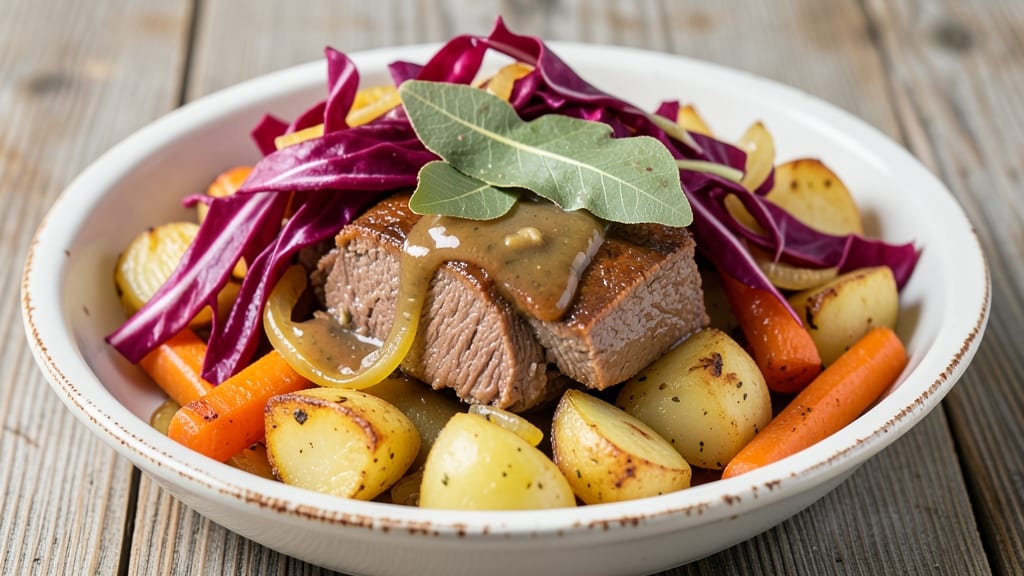
This canned corned beef cabbage and potatoes recipe delivers the cozy, hearty comfort of a traditional Irish meal with minimal effort. The one-pot method ensures tender beef, perfectly softened potatoes, and cabbage that stays crisp-tender—all simmered together until flavors meld beautifully.
I developed this version after years of testing, balancing simplicity with restaurant-quality results that feel authentically homey.
The beauty of this dish lies in its straightforward approach: canned corned beef eliminates the need for brining or long soaking, while potatoes and cabbage cook directly in the same pot.
Seasoning is subtle but essential—just enough pepper, bay leaves, and a pinch of sugar to enhance the natural sweetness of the cabbage without overpowering the rich beef flavor. This recipe proves that classic comfort food can be both nostalgic and foolproof.
By the time you serve this dish, you'll have a steaming pot of tender corned beef, fluffy potatoes with crisp edges, and cabbage that's just tender enough to hold its shape.
The aroma alone will fill your kitchen with warmth, and each bite delivers that perfect balance of salty, savory, and slightly sweet notes. It's the kind of meal that feels like a hug on a chilly day.
Perfect for St. Patrick’s Day celebrations or a hearty weeknight dinner, this recipe scales easily for crowds while maintaining its simplicity. Serve with crusty bread to soak up every last bit of that flavorful broth. Let's get cooking—your table is about to get a taste of Irish tradition.
Ingredients for canned corned beef cabbage and potatoes
Just 11 simple ingredients for a cozy Irish classic that feels like a hug.
| Ingredient | Amount | Notes |
|---|---|---|
| Canned Corned Beef 🥩 | 1 lb | With liquid, preferably low-sodium |
| Russet Potatoes 🥔 | 1 ½ lb | Cut into 1-inch chunks |
| Green Cabbage 🥬 | ½ head | About 1 lb, shredded |
| Yellow Onion 🧅 | 1 whole | Sliced into wedges |
| Carrots 🥕 | 4 medium | Whole, scrubbed clean |
| Bay Leaves 🌿 | 2 whole | Fresh preferred |
| Ground Black Pepper 🌶️ | ½ tsp | Freshly cracked preferred |
| Granulated Sugar 🍚 | 1 tsp | For cabbage sweetness |
| Salt 🧂 | 1 tsp | Adjust to taste |
| Water 💧 | 2 cups | Or reserved corned beef liquid |
| Crusty Bread 🍞 | 1 loaf | For serving, optional |
The corned beef is the star—look for canned versions with minimal sodium if you're watching your intake. Costco or Trader Joe's usually have good options, and the liquid is just as important as the meat. The potatoes should be firm and starchy—Russets or Yukon Golds work best. For the cabbage, green is traditional, but red cabbage adds a nice color contrast if you're feeling fancy. I always grab a small head because it's easier to shred and cook evenly. The carrots can be any color, but orange adds a nice pop against the greens.
No crusty bread? Sourdough or even a baguette work great—just toast it lightly to serve alongside. Short on bay leaves? Dried works at half the amount, but fresh is worth hunting down if you have a local market. The sugar might seem odd, but it balances the saltiness of the corned beef and brings out the cabbage's natural sweetness. No sugar? A splash of apple cider vinegar does the trick. The corned beef liquid? Save it all—it's liquid gold for this dish. If you're using water instead, add a pinch of salt to mimic the flavor.
This reheats beautifully—just add a splash of water or broth to keep it moist. Keeps in the fridge for 4-5 days and freezes for 3 months. I always double the recipe because it tastes even better the next day. The potatoes get even creamier, and the flavors meld perfectly. For St. Patrick's Day, make it ahead and reheat—you'll have more time to enjoy the decorations and the company. Leftovers make great sandwiches too, just pile on extra cabbage and a smear of mustard.
Why You'll Love This Recipe
- One-Pot Magic: I swear by this recipe when I’m too tired to wash a million dishes—just dump everything in one pot, add water, and let it simmer. The canned corned beef does all the heavy lifting, so you’re really just supervising, not cooking.
- Salty-Sweet Crunch: That first bite? The tender corned beef with its briny punch, the carrots softening just enough to soak up the flavor, and the cabbage still holding a satisfying bite—it’s like a hug in a bowl. Honestly, I’ll take this over fancy dinners any day.
- Leftovers That Don’t Suck: Between us, most leftovers are sad. Not this. The flavors only get better the next day, especially when I reheat it with a splash of broth or a sprinkle of black pepper. It’s the kind of meal that turns into lunch the next three days without anyone complaining.
- Budget Meal for Busy Nights: Russets are cheap, cabbage lasts forever, and canned corned beef? A steal compared to fresh. I make this when I’m stretched thin—whether it’s a weeknight or feeding unexpected guests—and no one ever questions why I’m serving it. It’s that good.
Step-by-step instructions for canned corned beef cabbage and potatoes
This one-pot classic comes together faster than you'd think—just a few simple steps for hearty, comforting results.
Prep and Layer Ingredients in Your Pot
Start by placing the 1 lb canned corned beef in the bottom of a large, heavy pot—this will be your flavor base. Drain the corned beef but save about ½ cup of the liquid (if it's low-sodium, add ½ tsp extra salt later). Arrange the 1 whole yellow onion, sliced into wedges, around the corned beef so they'll caramelize as everything cooks.
Next, add the 4 medium carrots (scrubbed clean) and the 1.5 lb russet potatoes, cut into 1-inch chunks. I like to scatter them evenly around the pot so they cook through without crowding. The potatoes should be mostly submerged but not buried—this ensures they absorb flavor and steam properly. Finally, nestle the 2 whole bay leaves among the vegetables—they'll infuse subtle earthy notes without overpowering.
Add Cabbage, Seasonings, and Liquid
Shred the 0.5 head green cabbage into thin strips—it should yield about 4 cups of shredded cabbage. Toss it with the 1 tsp granulated sugar and 0.5 tsp ground black pepper before adding it to the pot. The sugar helps balance the cabbage's natural bitterness, while the pepper adds warmth. Spread the cabbage evenly over the potatoes so it cooks through without wilting into a soggy mess.
Pour in the 2 cups water (or reserved corned beef liquid) and sprinkle with the 1 tsp salt. The liquid should just barely cover the vegetables—if it looks too shallow, add a splash more. Give everything a gentle stir to distribute the seasonings, but don’t worry about perfect mixing. The goal is to get all ingredients in contact with the corned beef juices for maximum flavor.
Simmer Until Tender and Flavorful
Bring the pot to a boil over medium-high heat, then immediately reduce to a gentle simmer. Cover with a tight-fitting lid and let it cook for 30 minutes. After that, check the potatoes with a fork—they should be tender but still hold their shape. If they're not quite there, cover and simmer for another 10-15 minutes. The cabbage should be wilted but still bright green, not mushy.
Here's the thing—don't peek too often. Every time you lift the lid, you lose heat and steam, which can turn your tender vegetables into a watery stew. If the liquid reduces too much before the veggies are done, add ¼ cup water to keep everything moist. The corned beef should be falling apart easily, and the flavors should meld into a rich, savory broth.
Adjust Seasoning and Serve
Once everything is tender, taste and adjust the seasoning. You might need a pinch more salt if your corned beef was very low-sodium, or a splash of vinegar if the cabbage tastes too sweet. The dish should be hearty but balanced—savory from the corned beef, slightly sweet from the cabbage, and earthy from the bay leaves.
Serve the corned beef and vegetables directly from the pot, using a slotted spoon to scoop out the corned beef if you prefer it separate. Pair with slices of 1 loaf crusty bread to soak up the delicious juices. The bread adds a nice contrast to the soft vegetables and tender meat, making every bite even more satisfying. Leftovers? They taste even better the next day—just reheat gently with a splash of water to revive the flavors.
Pro Tips For Making Canned Corned Beef Cabbage And Potatoes
- PREP CABBAGE LAST: The canned corned beef already has salt—don’t overdo it with the cabbage. Shred it thin just before adding to the pot, so it doesn’t turn mushy from sitting in liquid. I used to chop it ahead and regret it every time.
- CUT POTATOES UNIFORM: No, "roughly chopped" isn’t good enough. Aim for 1.5-inch chunks—same size so they cook evenly. I learned this the hard way when my potatoes were either underdone or falling apart.
- SIMMER GENTLY AFTER BOIL: Once everything’s in the pot, let it boil for 5 minutes max, then drop to a low simmer. High heat makes the potatoes gluey and the cabbage bitter. Trust me, this is where the magic happens.
- USE THE LIQUID: The canned corned beef comes with juice—don’t pour it out. Mix it with 1 cup water (or broth if you’re fancy) to keep the potatoes from drying out. That liquid is flavor gold.
Storing and reheating this recipe
Fridge Storage Tips
This dish keeps beautifully in the fridge for 4-5 days if stored properly. Transfer to an airtight container—I prefer glass Pyrex with a tight lid—to maintain freshness.
Let it cool completely before refrigerating to prevent condensation, which can make the potatoes soggy. The flavors actually deepen overnight, making it perfect for meal prep. 🥬
Freezer-Friendly Method
Freeze for up to 3 months using quart-sized freezer bags or airtight containers. Leave 1-inch headspace for expansion, and squeeze out excess air to prevent freezer burn.
Label with the date—this is a great make-ahead dish for St. Patrick’s Day when you’ll be busy with guests. Thaw overnight in the fridge before reheating. ❄️
Best Reheating Technique
For stovetop reheating, transfer to a pot with ¼ cup water or broth to prevent drying. Simmer on low heat for 10-15 minutes, stirring occasionally, until everything is heated through.
Microwave reheating works too—cover with a damp paper towel and heat in 1-minute intervals on 50% power to avoid overcooking the cabbage. Always check the internal temp of the potatoes to reach 165°F for safety. 🔥
Reviving Leftovers
If your leftovers seem dry, add a splash of corned beef liquid or water and reheat gently. For extra richness, stir in 1 tbsp butter or a dollop of sour cream before serving.
The potatoes will soften further, and the cabbage will regain its crisp-tender texture. This trick works especially well for sandwiches—just pile on extra cabbage and mustard for a classic Irish twist. 💡
Portioning for Crowds
Double or triple the recipe for gatherings, but use a larger pot—aim for 1-inch headspace between ingredients to ensure even cooking. Store in separate containers by component (corned beef, potatoes, cabbage) if you prefer to reheat them separately.
This way, you can customize each serving—extra potatoes for heartier portions or more cabbage for lighter eaters. 🍽️
Nutrition facts
Frequently asked questions
Can I use regular canned corned beef instead of low-sodium?
Yes, but you may need to adjust the salt. Regular canned corned beef often contains 1,000mg+ sodium per serving, so reduce added salt to ½ tsp or omit it entirely. Taste before serving and add more if needed. The dish will still taste great—just watch your sodium intake.
Why does my cabbage turn mushy?
Overcooking or too much liquid causes mushy cabbage. Simmer uncovered for the last 5-10 minutes to evaporate excess moisture, and avoid cutting cabbage too thin. For extra crispness, add it to the pot just 15 minutes before the potatoes are done.
How do I make this in a slow cooker?
Combine all ingredients (except bread) in your slow cooker and cook on LOW for 6-7 hours or HIGH for 3-4 hours. The longer cook time makes the potatoes extra tender. Add ¼ cup water if needed to prevent drying. The flavors develop even more deeply in a slow cooker!
What's the best way to serve this for St. Patrick's Day?
Garnish with fresh parsley and a squeeze of lemon for brightness. Serve with crusty soda bread or buttered dinner rolls for dipping. For a festive touch, add a sprinkle of green everything seasoning or a few drops of food coloring to the broth (optional).
Can I substitute red cabbage for green?
Red cabbage adds vibrant color and holds up well to cooking. Use the same amount, but reduce sugar to ½ tsp—red cabbage is naturally sweeter. The flavor is slightly milder but equally delicious. Perfect for adding visual appeal to your St. Patrick's Day table!