
Side Dishes
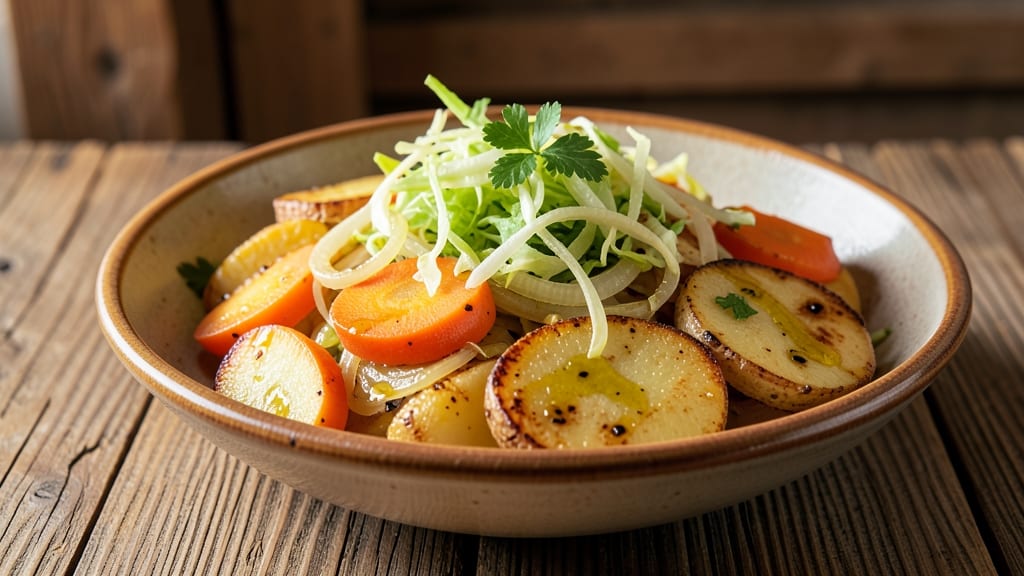
This one-pot cabbage, carrots, and potatoes recipe transforms humble vegetables into a hearty, flavorful side that’s ready in under 45 minutes—perfect for busy weeknights when you need a dish that’s both satisfying and simple.
The secret lies in layering textures: tender potatoes, crisp-tender carrots, and slightly sweet cabbage all cooked together in a single pot, infused with aromatic herbs and a touch of acidity to brighten the flavors.
What makes this recipe work is the balanced cooking method: potatoes start first to soften, then carrots and cabbage join in stages to prevent mushiness while ensuring everything finishes perfectly cooked.
A splash of vinegar or lemon juice at the end cuts through the richness, adding a refreshing contrast that elevates the dish from basic to restaurant-worthy.
The result is a harmonious blend of creamy, crisp, and tender elements that pairs beautifully with grilled meats, roasted chicken, or even as a standalone vegetarian meal.
By the time you’re done, you’ll have a foolproof one-pot mash that’s packed with nutrients, easy to customize, and requires minimal cleanup—just the right combination for a weeknight dinner.
Whether you’re feeding a family or meal prepping for the week, this recipe delivers hearty, comforting flavors without the fuss. Ready to turn simple vegetables into a standout side?
For extra protein, stir in cooked beans or crumbled tofu at the end, or top with toasted breadcrumbs for added texture. The possibilities are endless, but the foundation remains the same: a simple, one-pot solution that brings warmth and satisfaction to the table every time.
Ingredients for cabbage carrots potatoes
Simple vegetables meet aromatic herbs in this one-pot vegetarian mash, delivering restaurant-quality flavor with minimal effort.
| Ingredient | Amount | Notes |
|---|---|---|
| Yukon Gold Potatoes 🥔 | 1 ½ lb | Cut into 1-inch cubes, peeled |
| Orange Carrots 🥕 | 1 ½ lb | Cut into 1-inch chunks, peeled |
| Green Cabbage 🥬 | 1 small | Shredded, core removed |
| Green Cabbage 🥬 | 1 head | Shredded, core removed |
| Extra-Virgin Olive Oil 🫒 | ¼ cup | For sautéing vegetables |
| Yellow Onion 🧅 | 1 medium | Diced, 1/2-inch pieces |
| Garlic Cloves 🧄 | 4 cloves | Minced, fresh preferred |
| Vegetable Broth 💧 | 2 cups | Low-sodium preferred |
| Apple Cider Vinegar 🍎 | 2 tbsp | For acidity balance |
| Fresh Thyme Leaves 🌿 | ¼ cup | Chopped, stems removed |
| Fresh Rosemary 🌿 | 2 sprigs | Chopped, stems removed |
| Salt 🧂 | 1 ½ tsp | Diamond Crystal preferred |
| Black Pepper 🌶️ | ½ tsp | Freshly ground preferred |
| Fresh Parsley 🌿 | ⅛ cup | Chopped, for garnish |
The Yukon Gold potatoes are the foundation here—their waxy texture holds up beautifully when cooked in stages. Whole Foods or Trader Joe's carry them year-round, but any russet or Yukon variety works. Organic is ideal if you're concerned about pesticide residue, though conventional is perfectly fine. For the carrots, opt for organic rainbow carrots if available—their vibrant colors indicate higher nutrient content, but standard orange carrots will do. Shred the cabbage thinly for even cooking; green cabbage is preferred for its slightly sweeter flavor, but red cabbage adds a nice visual contrast if you're feeling adventurous.
No fresh thyme? Dried thyme at one-third the amount works in a pinch, but fresh is non-negotiable for rosemary—its piney aroma is essential to the dish. Vegetable broth should be low-sodium; Pacific Foods or Imagine brands are excellent. Apple cider vinegar adds brightness, but lemon juice (freshly squeezed) is a perfect substitute. Olive oil quality matters—California avocado oil can handle higher heat if you prefer, but extra-virgin olive oil adds depth of flavor. Pre-shredded cabbage from the bag is convenient but often contains anti-browning agents that dull the flavor—shred your own for best results. Onion and garlic should be fresh; yellow onions are standard, but red onions add a subtle sweetness.
This dish reheats beautifully—cover with a damp paper towel and warm in the microwave for 1-2 minutes to restore moisture. Store leftovers in an airtight container for up to 4 days in the fridge, or freeze for 3 months. Portion into meal prep containers with a sprinkle of black pepper and fresh parsley to maintain freshness. Double the batch and freeze half for lazy nights; the flavors actually deepen overnight. Garnish with toasted breadcrumbs or crumbled feta before serving for added texture and protein.
Why You'll Love This Recipe
- I’ll be real: cabbage and carrots are cheap, and potatoes? Even cheaper. This recipe stretches my grocery budget without sacrificing taste. Plus, the leftovers reheat like a dream, so I’m not scrambling to figure out dinner three nights in a row. Win.
- One-Pan Magic: I swear by this for nights when I’d rather not wash another dish. Toss everything—those buttery Yukon Golds, sweet orange carrots, and crisp cabbage—onto one sheet pan, drizzle with olive oil, and let the oven do the work. No chopping boards left in the sink, no pots to scrub.
- Sweet-Savory Balance: Honestly, the combo of caramelized carrots and tender cabbage with the creamy potatoes? It’s the kind of flavor that makes you pause mid-bite. The orange carrots add just enough natural sweetness to cut through the earthiness, and that olive oil? It ties it all together like a hug.
- Lunchbox Hero: Between us, this is my go-to for meal prep. Slice the potatoes and carrots ahead, store them separately, then assemble and roast when needed. Pack the leftovers into jars—cold or warm—and it’s a hearty lunch that actually feels special, not sad.
Step-by-step instructions for cabbage, carrots, and potatoes one-pot mash
This method delivers a rich, flavorful mash using just one pot—perfect for busy weeknights.
Sauté the Aromatics and Vegetables
Heat the 0.25 cup extra-virgin olive oil in a large, heavy-bottomed pot over medium heat. Add the 1 medium yellow onion and cook for 5 minutes until softened and translucent. This foundational step builds flavor—don't rush it.
Add the 1.5 lb orange carrots and 1 small green cabbage, stirring occasionally for 8-10 minutes until the carrots begin to soften slightly. The vegetables should release their natural juices and develop a golden hue. Here's the thing—if the pot becomes too dry, add 1 tablespoon vegetable broth to prevent burning. Next, stir in the 4 cloves garlic cloves and cook for 30 seconds until fragrant. This quick sauté ensures the garlic infuses without turning bitter.
Add Cabbage and Seasonings
Increase the heat to medium-high and add the 1 head green cabbage. Stir well to combine with the other vegetables. Sprinkle the 1.5 tsp salt and 0.5 tsp black pepper evenly over the mixture, then add the 0.25 cup fresh thyme leaves and 2 sprigs fresh rosemary. Toss everything together for 2-3 minutes to allow the spices to adhere to the vegetables.
This is the moment that matters: the cabbage should begin to wilt and soften as it releases moisture. If it doesn't seem to be breaking down, cover the pot for 1 minute to steam slightly—this jumpstarts the process. The rosemary and thyme will release their essential oils, creating a fragrant base for the dish.
Incorporate Potatoes and Liquid
Add the 1.5 lb yukon gold potatoes to the pot, stirring to coat them evenly with the sautéed vegetables and seasonings. Pour in the 2 cups vegetable broth and 2 tbsp apple cider vinegar, then bring the mixture to a gentle simmer. The vinegar adds brightness and balances the earthiness of the vegetables.
Real talk: the potatoes should be fully submerged in the liquid. If they aren't, add 2-3 tablespoons water to ensure even cooking. Once simmering, reduce the heat to low and cover the pot with a tight-fitting lid. Let the mixture cook undisturbed for 20-25 minutes, stirring occasionally to prevent sticking. You'll know it's ready when the potatoes are fork-tender and the cabbage is completely wilted.
Mash and Finish
Once the vegetables are tender, remove the pot from the heat. Using a potato masher or wooden spoon, gently mash the potatoes and carrots until you achieve your desired texture—creamy with some chunkiness. The cabbage will break down into tender strands, adding a delightful texture contrast. If the mixture is too thick, add 1-2 tablespoons vegetable broth to reach a smooth, spreadable consistency.
Taste and adjust the seasoning if needed. The dish should be well-balanced with a touch of acidity from the vinegar and a robust herbal note from the thyme and rosemary. For garnish, sprinkle with the 0.125 cup fresh parsley just before serving to add a pop of color and freshness.
Pro Tips For Making Cabbage Carrots Potatoes
- CUT POTATOES UNIFORM: Use a mandoline or sharp knife to slice Yukon Golds into ¼-inch rounds—no thicker, or they’ll turn to mush. I learned this after serving rubbery potatoes and wondering why my dish felt like a chore to chew.
- SALT CARROTS FIRST: Toss sliced orange carrots with ½ teaspoon salt and let them sit for 10 minutes before cooking. This draws out moisture, so they brown faster and stay crisp—not soggy. (Yes, even if you’re impatient like me.)
- COOK CABBAGE SEPARATELY: Shred the cabbage fine and sauté it in 1 tablespoon olive oil for 5 minutes before adding the potatoes and carrots. This prevents the cabbage from turning limp while the potatoes steam in their own juices.
- FINISH WITH OIL: After everything’s tender, drizzle with an extra tablespoon of extra-virgin olive oil and toss. The heat wakes up the flavor—no need for extra seasoning. (I skip this, and the dish tastes flat.)
Storing and reheating this cabbage carrots potatoes
Refrigerator Storage
Transfer your one-pot mash to an airtight glass container (I love Pyrex with snap-on lids) within 2 hours of cooking to preserve freshness. Store at 40°F or below for up to 4 days—the flavors actually deepen as the herbs infuse further.
Always let it cool completely before sealing to prevent condensation buildup. 🥬
Freezer Prep
For long-term storage, portion the mash into freezer-safe silicone molds or quart-sized bags, leaving ½-inch headspace for expansion. Freeze for up to 3 months—thaw overnight in the fridge or reheat directly from frozen with 2 extra minutes of cooking.
I add a sprinkle of salt before freezing to maintain seasoning balance.
Microwave Reheating
Scoop a portion into a microwave-safe bowl, cover with a damp paper towel, and heat on 70% power for 2-3 minutes. Stir halfway through, then add 1-2 tbsp vegetable broth if it looks dry.
The damp towel prevents drying out while restoring moisture. For even heating, stir vigorously before serving. ⏰
Stovetop Revival
Transfer the mash to a skillet over low heat, adding 2 tbsp broth to prevent sticking. Warm for 5-7 minutes, stirring occasionally, until heated through. The stovetop method restores the dish's creamy texture better than microwaving. Finish with a squeeze of lemon juice to brighten any lost acidity.
Meal Prep Tips
Double the batch and store half in the freezer for lazy weeknights. When reheating, add 1 extra minute for frozen portions. I like to prep individual containers with a sprinkle of parsley on top—it keeps the garnish fresh until serving.
For extra protein, stir in cooked chickpeas when reheating. 💡
Texture Rescue
If your reheated mash feels dry, mash in 1 tbsp unsalted butter or 1 tbsp sour cream to restore creaminess. For extra crunch, top with toasted breadcrumbs or crumbled feta before serving. The key is gentle heat—high temperatures turn cabbage mushy, so always reheat on low-medium.
Nutrition facts
Frequently asked questions
Can I substitute sweet potatoes for regular potatoes in this recipe?
Yes, you can use sweet potatoes, but expect a sweeter, denser flavor profile. Reduce the cooking time by 5 minutes since sweet potatoes soften faster. For best results, increase the apple cider vinegar to 3 tablespoons to balance the natural sweetness. The texture will be slightly more moist and vibrant.
Why does my cabbage turn mushy when reheating?
Cabbage releases moisture when cooked, which can make it mushy if reheated too aggressively. Use low heat and add 1-2 tablespoons broth to maintain moisture. For extra texture, stir in 1 tablespoon butter or top with toasted breadcrumbs before serving.
Can I make this recipe without vinegar?
Replace the apple cider vinegar with 1 tablespoon lemon juice or ½ teaspoon white vinegar for acidity. The key is balancing the earthy flavors of potatoes and carrots. If you omit it entirely, the dish may taste flat—just add a pinch of salt to compensate.
What’s the best way to add protein to this dish?
For extra protein, stir in 1 cup cooked chickpeas or ½ cup crumbled tofu at the end. You can also top with crumbled feta or sprinkle with toasted pumpkin seeds for added texture and nutrition. Just add protein after reheating to keep it warm.
How do I adjust this recipe for a larger group?
Double or triple all ingredients while keeping the same ratios. Use a larger pot (at least 6-quart capacity) to ensure even cooking. For 8 servings, increase potatoes to 3 lbs, carrots to 3 lbs, and cabbage to 2 heads. Adjust broth and vinegar proportionally to maintain balance.