
Side Dishes
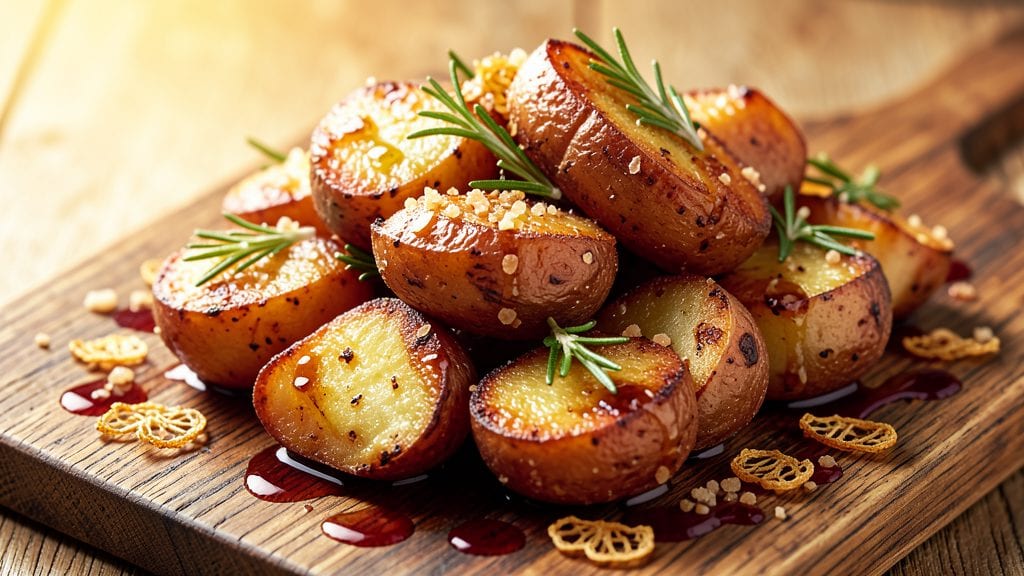
This broasted potatoes recipe transforms simple spuds into a smoky, vinegar-kissed side dish with crispy edges and fluffy centers—a game-changer for weeknight dinners. The secret lies in broiling them until caramelized while keeping the insides tender, creating a texture that’s impossible to resist.
I developed this method after years of experimenting with oven techniques, and it’s now my go-to for any meal needing a crispy, flavorful potato side.
What sets these apart is the smoky-sweet glaze made from apple cider vinegar and brown sugar, which adds depth without overpowering the natural potato flavor. The process is straightforward: toss your potatoes in oil and seasoning, then broil until golden brown—15 minutes of hands-off cooking time.
This technique works equally well for dinner parties or casual family meals, delivering restaurant-quality results without the fuss.
The final product delivers that perfect contrast: shatteringly crispy edges with a tender, fluffy interior, all coated in a subtle smoky glaze. The vinegar-kissed flavor adds a bright tang that cuts through richer main dishes, making these potatoes a standout side.
Once you try them, you’ll never go back to plain boiled or baked potatoes again.
These broasted potatoes pair beautifully with grilled meats, roasted chicken, or even as a vegetarian main with a fresh salad. The recipe scales effortlessly, so you can make a small batch for two or a large one for a crowd. Let’s get started on creating your next favorite side dish!
Ingredients for broasted potato
Nine simple ingredients transform humble potatoes into restaurant-quality smoky crispy perfection.
| Ingredient | Amount | Notes |
|---|---|---|
| Russet Potatoes 🥔 | 2 lb | Cut into 1-inch chunks, uniform size |
| Extra-Virgin Olive Oil 🫒 | ¼ cup | Lightly toasted for depth of flavor |
| Apple Cider Vinegar 🍎 | 2 tbsp | Raw, unfiltered for smoky tang |
| Light Brown Sugar 🍚 | 2 tbsp | Packed, for caramelized glaze |
| Diamond Crystal Kosher Salt 🧂 | 1 tsp | Coarse grain for even seasoning |
| Freshly Ground Black Pepper 🌶️ | ½ tsp | Cracked peppercorns preferred |
| Smoked Paprika 🌶️ | ½ tsp | For subtle smoky depth |
| Garlic Powder 🧄 | ½ tsp | Freshly ground preferred |
| Fresh Rosemary 🌿 | 1 tbsp | Finely chopped, woody stems removed |
| Fresh Thyme Leaves 🌿 | 1 tsp | Or 0.25 tsp dried thyme |
| Unsalted Butter 🧈 | 1 tbsp | Melted, for finishing drizzle |
The potatoes are the star, so Russets are non-negotiable—their high starch content gives you that perfect fluffy interior. Trader Joe's and Whole Foods carry them year-round, but check the 'sold by' date: anything past 3 weeks sprouts or wrinkles. For the vinegar, Bragg or Texas Pete are my go-tos—they've got that authentic tang. Brown sugar adds caramelization without overpowering; Domino or C&H brands work perfectly. Rosemary and thyme should smell vibrant—if they're wilted or smell stale, skip them. Penzeys bulk bins are great for fresh, potent herbs.
No smoked paprika? Regular paprika plus a pinch of liquid smoke works in a pinch, though it's not identical. Out of fresh rosemary? Dried at one-quarter the amount gets you close, but you'll lose some aroma. The vinegar can be swapped for balsamic vinegar, though it'll be slightly sweeter. For the oil, avocado oil has a higher smoke point if you're worried about browning. The butter at the end? Ghee works too—it's got a richer flavor and won't burn. If you're making this ahead, toss the potatoes with oil and seasoning, then refrigerate them in a single layer on a tray before broiling—this prevents soggy spots.
These keep surprisingly well after broasting. Store in an airtight container for up to 4 days, though they're best within 2 days for maximum crispiness. Reheat in a 350°F oven for 10 minutes to restore the crunch. For meal prep, portion into single-serving containers—they reheat beautifully this way. The glaze hardens slightly when cold, so a quick drizzle of warm water and toss before serving brings back that glossy finish. Freezing isn't recommended—they lose their texture, but you can freeze the glaze components separately for up to 3 months if you're prepping ahead.
Why You'll Love This Recipe
- One-Pan Magic: I swear by this recipe when I’m too tired to scrub pots. Russets get tossed, roasted, and basted all on one sheet—no extra bowls, no fuss. The vinegar and sugar caramelize right on the pan, so cleanup is just wiping sticky glaze off my fingers (worth it).
- Caramelized Crunch: That crispy edge with the fluffy center? It’s the apple cider vinegar and brown sugar working their magic. The potatoes develop a sticky, buttery glaze that’s sweet-tart and addictive—like a hug in potato form.
- Meal Prep MVP: Between us, this is my go-to for lunches all week. The flavors only deepen overnight, and I can reheat slices straight from the fridge (or straight from the pan if I’m lazy). Packs perfectly, stays crispy, and no one complains.
- Budget Bright Spot: Russets are cheap, and this recipe stretches them far. A single bag feeds four for dinner and two for leftovers, with just olive oil and vinegar as the fancy bits. Honestly, it’s the kind of dish that makes me feel like I’m treating myself without breaking the bank.
Step-by-step instructions for smoky vinegar-kissed crisp potatoes
Here's how to transform humble russet potatoes into restaurant-worthy broasted perfection.
Prep and Toss the Potatoes
Start by cutting the 2 lb russet potatoes into 1-inch chunks, keeping them uniform in size for even cooking. I like to use a sharp chef's knife and work in batches to prevent the cut sides from oxidizing. Spread the cut potatoes on a baking sheet and let them sit at room temperature for 15 minutes - this helps them crisp up better in the oven.
In a large bowl, combine the 0.25 cup extra-virgin olive oil, 2 tbsp apple cider vinegar, 2 tbsp light brown sugar, 1 tsp diamond crystal kosher salt, 0.5 tsp freshly ground black pepper, 0.5 tsp smoked paprika, and 0.5 tsp garlic powder. Whisk vigorously until the sugar dissolves completely and you see a light sheen on the surface. This is your flavor base that will create that signature tangy-sweet crust.
Add the potatoes to the bowl and toss gently but thoroughly to coat every surface. The liquid should look like it's clinging to the potatoes rather than pooling at the bottom. Sprinkle in the 1 tbsp finely chopped fresh rosemary and 1 tsp fresh thyme leaves, then toss again until evenly distributed. The herbs will infuse their aromatic oils into the potatoes during cooking.
Roast Until Golden Crisp
Preheat your oven to 425°F with the rack positioned in the middle position. This high temperature is crucial for creating that perfect balance of crispy exterior and fluffy interior. Spread the tossed potatoes on a single layer across two large rimmed baking sheets, leaving about 1 inch between each piece. Don't overcrowd - this prevents steam buildup that leads to soggy potatoes.
Roast for 25 minutes, then carefully flip each potato chunk using a thin spatula. You'll notice some pieces are browning faster than others - that's normal. The vinegar in the marinade helps create those beautiful caramelized spots. After flipping, return to the oven and roast for another 15 minutes until the edges are deep golden brown and the potatoes are tender when pierced with a fork.
Here's the thing - the potatoes should have a crispy exterior that gives way to a fluffy interior. If they're not quite there after 40 minutes, give them another 5-10 minutes. The internal temperature should reach about 210°F when measured with an instant-read thermometer. This ensures they're cooked through without being dry.
Finish with Butter and Rest
Remove the potatoes from the oven and transfer them to a large bowl. Immediately drizzle with the 1 tbsp melted unsalted butter and toss gently to distribute evenly. The butter adds richness that balances the tangy-sweet crust. Let the potatoes sit for 2-3 minutes while the butter melts into the hot potatoes - you'll see it glaze the surface beautifully.
Taste one of the potatoes and adjust seasoning if needed. I usually find the vinegar and sugar combination gives just the right balance, but you might want to add a pinch more salt or a crack of black pepper depending on your preference. The potatoes should be hot but not scorching - they'll continue cooking slightly as they rest.
Transfer the finished potatoes to a serving platter and let them rest for 5 minutes before serving. This resting period allows the juices to redistribute, ensuring each bite is perfectly moist. The potatoes will have that magical combination of crispy edges, fluffy centers, and a complex flavor profile from the vinegar, herbs, and caramelized sugar.
Pro Tips For Making Broasted Potato
- DON’T SKIP THE SOAK: Russets soak up vinegar like a sponge—if you toss them in cold water for 10 minutes before cutting, they’ll stay crispier longer. I learned this the hard way when my first batch turned soggy halfway through roasting.
- USE A THIN LAYER OF OIL: Drizzle the potatoes with olive oil after they’re in the pan, not before—just enough to coat the bottom. Too much oil and they’ll steam instead of caramelize. (Yes, even if you’re impatient like me.)
- WATCH THE VINEGAR HEAT: Start the pan on medium-low heat until the vinegar sizzles gently—if it’s boiling hard, you’ll burn the sugar before the potatoes get tender. I used to rush this, and the first batch always tasted bitter.
- SALT THE POTATOES FIRST: Toss the cut potatoes with salt before adding vinegar and sugar—it helps them absorb flavor deeper. (And yes, more salt than you think, especially if using unsalted butter later.)
Storing and reheating your broasted potato
Refrigerator Storage
Store your broasted potatoes in an airtight container for up to 4 days—I use glass Pyrex with snap-on lids to maintain crispiness. Let them cool completely before sealing to prevent condensation.
The vinegar glaze hardens slightly when cold, so I recommend a quick 30-second warm water bath before serving to restore that glossy finish. 🥔
Freezer-Friendly Glaze
While the potatoes themselves don’t freeze well, you can save the vinegar-browned sugar glaze separately for up to 3 months. Store it in an ice cube tray or small freezer-safe container, then thaw and toss with freshly broasted potatoes for instant flavor.
This works great for meal prep—just reheat the glaze components and combine with fresh potatoes. ❄️
Oven Reheating Method
For the best texture recovery, reheat in a 350°F oven for 10-12 minutes on a wire rack set over a baking sheet. The rack prevents sogginess by allowing air circulation.
Toss with 1 tsp olive oil before reheating to restore crispiness. I add a pinch of smoked paprika to revive that smoky aroma. 🔥
Microwave Hack
For quick reheating, spread potatoes in a single layer on a microwave-safe plate and cover loosely with a damp paper towel. Heat on medium power (50%) for 2-3 minutes, stirring halfway.
The damp towel helps retain moisture without making them rubbery. Finish with a drizzle of melted butter for richness. ⚡
Portion Control Tips
Divide into single-serving containers before storing to reheat only what you need. Freeze glaze components in 1-tbsp portions for easy tossing. Label containers with dates—these potatoes stay crispest within 2 days of reheating. For large batches, store in stackable glass containers to save fridge space. 📅
Reviving Texture
If reheated potatoes lose crispiness, return them to a 400°F oven for 5-7 minutes until golden again. A quick broil on high for 2-3 minutes works too—just watch closely to avoid burning. The key is high heat and airflow to restore that perfect crunch. 💫
Nutrition facts
Frequently asked questions
What's the secret to getting perfectly crispy edges with fluffy centers?
Use uniform 1-inch potato chunks and spread them in a single layer on your baking sheet. The 425°F broil creates the crispy exterior while the high starch content of russets keeps the insides tender. Flipping halfway through ensures even browning.
Can I make this recipe ahead of time?
Yes! Toss the seasoned potatoes in oil and store them in a single layer on a tray in the fridge for up to 24 hours before broasting. For leftovers, store in an airtight container for 4 days and reheat in a 350°F oven for 10 minutes to restore crispiness.
What's the difference between broasting and regular roasting?
Broasting uses the broiler's direct heat to create caramelization and crispy edges faster than conventional roasting. The vinegar in this recipe helps accelerate browning while keeping the centers moist. Think of it as a hybrid between roasting and grilling.
Can I use sweet potatoes instead of russets?
Sweet potatoes work but require 5-10 extra minutes of broasting time due to their denser flesh. They'll have a slightly sweeter flavor profile and may need more salt. For best results, reduce the sugar in the glaze to 1 tbsp to balance the natural sweetness.
Why did my potatoes turn out soggy?
Overcrowding the baking sheet traps steam, preventing crispiness. Also, check your oven temperature—if it's too low (400°F or below), the edges won't crisp properly. For extra insurance, pat the cut potatoes dry before seasoning to remove excess moisture.