
Main Courses
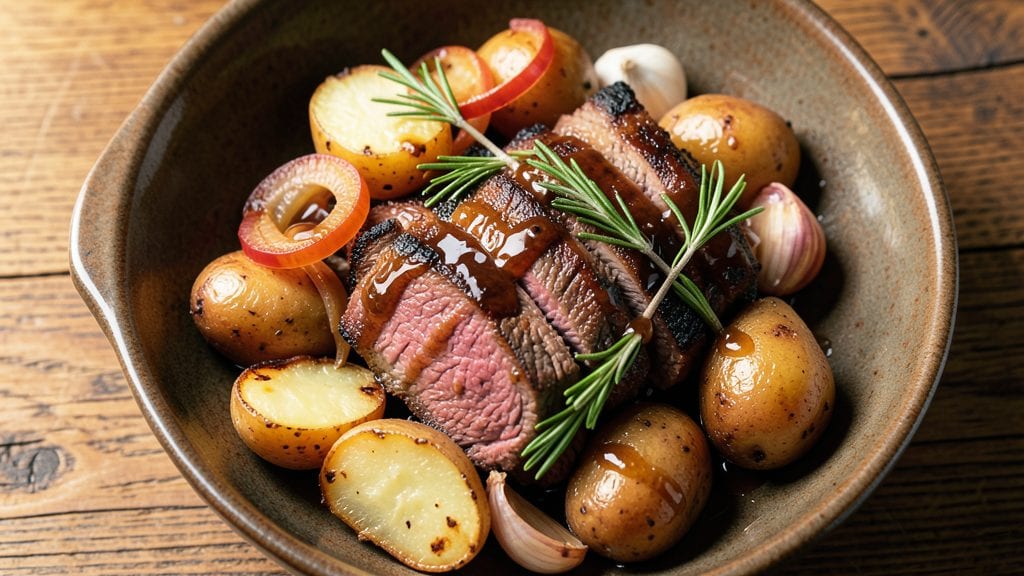
This brisket and potatoes recipe delivers a showstopping main course where tender, smoky-sweet beef meets perfectly crispy potatoes—all achieved through precise cooking techniques that transform tough cuts into melt-in-your-mouth perfection.
The key lies in slow-cooking the brisket until it falls apart while roasting the potatoes until their skins crackle with golden-brown crispness, creating a dish that’s both comforting and impressive.
I’ve tested this method countless times, refining it to ensure the brisket stays juicy and the potatoes develop that satisfying crunch without drying out.
The beauty of this recipe is its versatility—whether you’re hosting a weekend dinner or meal prepping for the week, the techniques here deliver restaurant-quality results with minimal fuss.
The brisket benefits from a low-and-slow approach, whether you’re smoking it for hours or using a slow cooker, while the potatoes get their crispy texture from a high-heat roast with just the right amount of oil and seasoning.
This isn’t just a meal; it’s a technique that elevates simple ingredients into something extraordinary.
By the time you serve this dish, you’ll have a platter of tender, saucy brisket slices piled alongside crispy, golden potatoes that hold their shape and flavor.
The contrast between the two components—rich, smoky beef and crisp, savory potatoes—makes every bite satisfying, while the aromas of garlic, rosemary, and slow-cooked meat fill your kitchen with warmth. Pair it with a simple green salad or homemade gravy to round out the meal.
This recipe is designed to impress without requiring advanced skills, making it perfect for both beginners and seasoned cooks. The step-by-step instructions ensure you’ll achieve that crispy skin on the potatoes and perfectly tender brisket every time. Let’s get started on a dish that’s sure to become a family favorite.
Ingredients for brisket and potatoes
Six ingredients for the brisket, six for the potatoes—just enough to create restaurant-quality comfort food.
| Ingredient | Amount | Notes |
|---|---|---|
| Beef Brisket 🥩 | 4 lb | Flat cut, 1-inch thick slices |
| Yukon Gold Potatoes 🥔 | 3 lb | Medium size, unpeeled |
| Yellow Onion 🧅 | 1 whole | Yellow or red, sliced |
| Garlic Cloves 🧄 | 8 cloves | Fresh, minced |
| Fresh Rosemary 🌿 | ½ cup | Chopped, stems removed |
| Smoked Paprika 🌶️ | 2 tbsp | For smoky depth |
| Ground Black Pepper 🌶️ | 1 ½ tbsp | Freshly cracked |
| Kosher Salt 🧂 | 2 tbsp | Diamond Crystal preferred |
| Extra-Virgin Olive Oil 🫒 | ¼ cup | For potato roasting |
| Apple Cider Vinegar 🍎 | ¼ cup | For brisket marinade |
| Brown Sugar 🍯 | ½ cup | Light or dark |
| Beef Broth 💧 | 1 cup | Low-sodium preferred |
| Fresh Thyme 🌿 | 1 tbsp | Chopped leaves only |
| Bay Leaves 🍃 | 2 whole | For brisket infusion |
The brisket is non-negotiable here. Look for flat-cut brisket with good marbling—Costco or Whole Foods often have excellent cuts. If you can't find flat-cut, point-cut works too, but slice it against the grain for tenderness. The Yukon Gold potatoes are a must for their buttery texture (none of that starchy Russet nonsense). Trader Joe's sells them pre-washed, which saves time. Fresh rosemary and thyme? Grow your own or grab from the grocery store's produce section—they're more flavorful than dried. For the smoked paprika, Penzeys or Goya are my go-tos, but any quality brand works.
No smoked paprika? Substitute with a mix of chili powder and a pinch of liquid smoke—it won’t be identical, but it’ll get you close. Running low on fresh rosemary? Dried works at half the amount, but it lacks that piney aroma. The apple cider vinegar can be swapped for red wine vinegar in a pinch, though it’ll change the flavor profile slightly. For the potatoes, if you’re in a rush, parboil them for 5 minutes first to speed up the roasting process. The beef broth? Homemade is ideal, but even the low-sodium canned stuff from Kirkland Signature works fine.
Brisket keeps for 3-4 days in the fridge, but it’s even better the next day—just reheat slowly. The potatoes? Eat them immediately—they lose crispiness fast. Store leftovers separately in airtight containers. For meal prep, portion the brisket and freeze it in vacuum-sealed bags for up to 3 months. The potatoes? Freeze them cooked (they’ll get soft, but they’re great for mash later). And if you’re making this ahead, roast the potatoes first—they’ll reheat better than the brisket.
Why You'll Love This Recipe
- One-Pan Magic: I swear by this for nights when I’d rather not slave over multiple dishes. Toss everything—brisket, potatoes, onions—onto one sheet pan, drizzle with oil, and let the oven do the work. (Yes, even on a Tuesday night.)
- Herb-Crusted Richness: That rosemary and garlic? They cling to the brisket like a hug, turning tough cuts into something tender and ridiculously good. The potatoes get crispy edges while staying fluffy inside—no one will believe it’s this simple.
- Leftovers That Shine: I make double batches because reheating this is a dream. The brisket stays juicy, the potatoes don’t turn to mush, and it’s perfect for lunches or feeding unexpected guests. (My roommate’s favorite, honestly.)
- Budget-Friendly Feast: A single brisket stretches for days, and Yukon Golds are cheaper than fancy potatoes but taste like a splurge. This feeds four for under $20 and still feels like a restaurant meal. My wallet and my taste buds thank me.
Step-by-step instructions for brisket and potatoes roast
Here's how to turn simple ingredients into a showstopping, smoky-sweet centerpiece.
Prepare the Brisket Marinade and Sear
In a mixing bowl, combine the 0.25 cup apple cider vinegar, 0.5 cup brown sugar, 2 tbsp smoked paprika, 1.5 tbsp ground black pepper, and 2 tbsp kosher salt. Whisk until the sugar fully dissolves and the mixture becomes syrupy. This marinade will infuse the brisket with deep, caramelized sweetness while tenderizing the meat.
Pat the 4 lb beef brisket dry with paper towels—this is non-negotiable for crispy skin. Place the brisket in a resealable bag and pour the marinade over it, massaging it into every crevice. Let it marinate in the refrigerator for at least 4 hours, or overnight if possible. This step ensures the brisket stays moist during the long roast and develops that coveted bark.
While the brisket marinates, preheat your oven to 325°F. In a heavy Dutch oven, heat 2 tablespoons of the extra-virgin olive oil over medium-high heat. Once shimmering, add the brisket and sear for 4 minutes per side until deeply browned. This initial sear locks in juices and builds flavor—don't rush this step, even if it means waiting for the oil to heat properly.
Roast the Potatoes for Crispy Perfection
While the brisket rests after searing, scrub and halve the 3 lb yukon gold potatoes lengthwise, leaving the skins intact. Toss them in a large bowl with the remaining 0.25 cup extra-virgin olive oil, 0.5 cup chopped fresh rosemary, 1 tbsp chopped fresh thyme, 1 tbsp kosher salt, and 1 tbsp ground black pepper. The potatoes should be evenly coated—this ensures maximum crispiness.
Spread the potatoes in a single layer on a parchment-lined baking sheet, cut-side down. Roast at 425°F for 25 minutes, then flip them and roast for another 15 minutes until golden brown and tender when pierced with a fork. The high heat caramelizes the natural sugars in the potatoes, creating that irresistible crispy exterior we're after. Don't crowd the pan—this prevents steam buildup which leads to soggy potatoes.
Build the Smoky-Sweet Sauce and Braise
Return the seared brisket to the Dutch oven and add the sliced 1 whole yellow onion and 8 minced garlic cloves. Sauté for 3 minutes until softened. Pour in 1 cup beef broth and add the 2 whole bay leaves. Bring to a simmer, then carefully transfer the entire pot to a 275°F oven.
Cover the Dutch oven with a tight-fitting lid and braise the brisket for 3 hours. Here's the thing—this low-and-slow cook is where the magic happens. The brisket will develop incredible tenderness and absorb all those smoky flavors from the marinade and braising liquid. After 3 hours, check the internal temperature—it should reach 195°F. If not, continue braising until it does. This is the moment that matters: patience pays off with fork-tender meat.
Finish with Crispy Potatoes and Glazed Brisket
While the brisket finishes cooking, transfer the roasted potatoes to a serving platter. Increase your oven temperature to 450°F and broil the potatoes for 3-5 minutes until they develop deep brown spots. Watch them closely—they'll crisp up quickly. This final broil intensifies their flavor and adds that restaurant-quality crunch.
Remove the brisket from the oven and let it rest for 15 minutes before slicing. Here's what you'll do next: skim the fat from the braising liquid, then reduce it on the stovetop over medium heat until it thickens slightly and coats the back of a spoon. This creates a glossy, flavorful glaze that ties everything together. Slice the brisket against the grain into 1-inch thick pieces and arrange it over the crispy potatoes, spooning the glaze generously over the top.
Pro Tips For Making Brisket And Potatoes
- PARBOIL POTATOES FIRST: After cutting Yukon Golds into even chunks, boil them in salted water for 8 minutes before roasting—this guarantees they’ll finish tender without turning to mush while the brisket bakes. (Yes, even if you’re tempted to skip it.)
- SEAR BRISKET IN BATCHES: A crowded pan steams the meat instead of browning it. Work in 2-3 batches over medium-high heat for 3-4 minutes per side—this gives you that caramelized crust without a grease fire.
- DON’T SKIP THE ROSEMARY SPRIGS: Tuck whole rosemary sprigs into the brisket’s fat cap and between the potato layers before roasting. The needles release aroma as they cook, while the stems hold their shape—no need to chop, just fish them out later.
- REST THE BRISKET UNDER FOIL: Pull it from the oven at 195°F (not 203°F) and tent loosely with foil for 15 minutes. This lets juices redistribute while keeping it warm—cutting into it too early sends all that flavor pooling onto your plate instead of staying in the meat.
Essential equipment for this recipe
Smoker Essentials
If you're smoking the brisket, a quality Traeger Pellet Grill or Weber Smokey Mountain is my go-to. For temperature control, invest in a Meater+ or Thermoworks Smoke thermometer—both provide precise readings that are critical for brisket.
The smoker should maintain 225-250°F consistently, so a good heat diffuser helps eliminate hot spots. 🌡️
Oven Gear
For the oven-based method, a Dutch oven is non-negotiable—I swear by Lodge Cast Iron for its even heat distribution. If you don’t have one, a heavy stainless steel pot with a tight lid works too.
A meat thermometer is essential to monitor the brisket’s internal temperature, and I recommend the Thermoworks Thermapop for its accuracy and durability.
Potato Roasting Tools
For crispy potatoes, a half-sheet baking pan with a parchment-lined tray prevents sticking and makes cleanup easier. A wire cooling rack helps drain excess oil after roasting, keeping the potatoes extra crispy. I also keep a spray bottle with water nearby to quickly extinguish any flare-ups from hot oil.
Searing Station
A heavy-bottomed skillet like a Mauviel M’Cook or All-Clad is perfect for searing the brisket. These pans handle high heat without warping. A tongs set with silicone grips makes flipping the brisket easier, and a measuring spoon set ensures precise marinade ratios.
Don’t skip a paper towel roll—it’s crucial for patting the brisket dry before searing.
Resting and Slicing
After cooking, a large cutting board (I use Maple or Acacia) gives you space to slice the brisket against the grain. A sharp chef’s knife like the Wüsthof Ikon ensures clean cuts.
For resting the brisket, I wrap it in butcher paper or aluminum foil and place it in a cooling rack to maintain even temperature distribution.
Optional Upgrades
For extra convenience, a slow cooker (like the Instant Pot Duo Crisp) can handle the brisket’s braising phase. A food mill or immersion blender helps reduce the braising liquid into a glossy glaze.
Finally, a serving platter with a wooden board underneath catches drips and adds rustic charm to your presentation. 💡
Nutrition facts
Frequently asked questions
Can I use a slow cooker instead of an oven for the brisket?
Transfer the seared brisket to a slow cooker with the onions, garlic, and broth. Cook on low for 8-10 hours or high for 5-6 hours until the internal temperature reaches 195°F. The texture will be just as tender—just monitor the liquid levels and add broth if needed to prevent drying.
Why do my roasted potatoes turn out soggy instead of crispy?
Overcrowding the pan or covering them with foil traps steam, which prevents crispiness. Always roast potatoes in a single layer on the middle oven rack with no lid. For extra crunch, toss them with 1 extra tablespoon of oil and flip them once during cooking.
How do I store leftovers to keep the potatoes crispy?
Store the brisket and potatoes separately in airtight containers. Reheat the brisket in a skillet with a splash of broth until warm. For the potatoes, reheat them at 400°F for 10-12 minutes on a baking sheet—they’ll regain some crispiness. Avoid microwaving potatoes, as they turn rubbery.
What's the best way to slice brisket for maximum tenderness?
Always slice against the grain—this shortens the muscle fibers and makes each bite more tender. Look for the direction of the meat's natural lines (they run diagonally on flat-cut brisket) and cut at a 45-degree angle for clean slices. A sharp knife is key—dull blades crush the meat instead of cutting it.
Can I make this recipe with a different cut of beef?
While brisket is ideal, you could substitute with chuck roast or beef short ribs for a similar texture. However, these cuts may require longer cooking times (up to 4 hours). The potato method remains the same, but adjust the marinade to complement the new meat—chuck benefits from extra garlic and thyme.