
Side Dishes
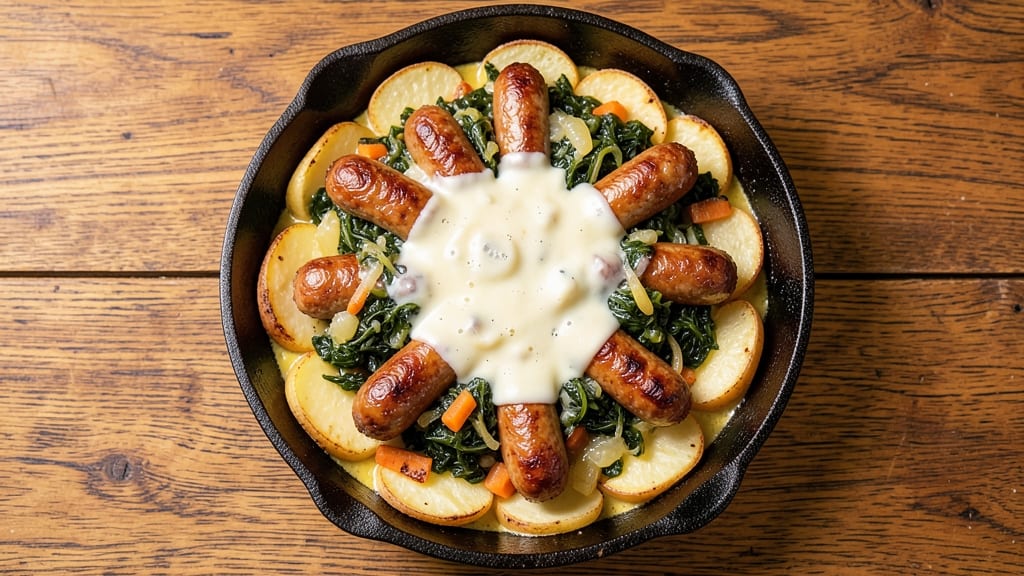
This bratwurst, sauerkraut, and potato casserole recipe delivers the ultimate German-American comfort in one satisfying pan. The combination of tender bratwurst, tangy sauerkraut, and fluffy potatoes creates a dish that's hearty enough for a family dinner but simple enough for a weeknight.
I first made this during a chilly autumn evening when I wanted something warm, filling, and full of flavor without the fuss of multiple dishes.
The beauty of this casserole lies in its simplicity—just a few ingredients that come together to create a dish packed with savory, smoky, and slightly tangy notes. You can use pre-cooked bratwurst and store-bought sauerkraut to cut down on prep time, making this recipe accessible even on busy days.
The potatoes absorb all the delicious flavors while staying tender and fluffy, ensuring every bite is satisfying.
By the time it emerges from the oven, you'll have a golden, bubbling casserole with crispy edges and a creamy center. The bratwurst stays juicy, the sauerkraut adds a pleasant tang, and the potatoes soak up all the savory goodness, making this dish a true crowd-pleaser.
It's the kind of meal that feels like a warm hug on a cold day, and it's ready in under an hour.
Perfect for serving alongside a fresh green salad or crusty bread, this casserole is versatile enough to be a main dish or a hearty side. Whether you're feeding a hungry family or just craving a comforting meal, this recipe delivers every time. Let's get started!
Ingredients for bratwurst sauerkraut and potato casserole
Pantry staples plus a few German market finds. Nothing fancy, just hearty comfort.
| Ingredient | Amount | Notes |
|---|---|---|
| Bratwurst Sausages 🌭 | 1 ½ lb | Pre-cooked, sliced into rounds |
| Russet Potatoes 🥔 | 3 medium | Peeled and sliced into rounds |
| Sauerkraut 🥬 | 2 cups | Drained, rinsed if too sour |
| Heavy Cream 🥛 | 1 cup | Full-fat for creaminess |
| Carrots 🥕 | 2 medium | Peeled and sliced into rounds |
| Yellow Onion 🧅 | 1 medium | Diced for flavor base |
| Garlic Cloves 🧄 | 3 cloves | Minced for aromatic depth |
| Beef Broth 💧 | 1 ½ cups | Low-sodium preferred |
| Dijon Mustard 🍯 | 1 tbsp | For tangy depth |
| All-Purpose Flour 🌾 | 2 tbsp | For thickening sauce |
| Salt 🧂 | 1 tsp | Kosher or sea salt |
| Black Pepper 🌶️ | ½ tsp | Freshly ground preferred |
| Bay Leaves 🍃 | 2 whole | Removed before serving |
| Butter 🧈 | 2 tbsp | Unsalted, for richness |
The bratwurst is the star here. Johnsonville or Oscar Mayer are my go-tos—they're pre-cooked, so no fuss. If you can find German-style bratwurst at a specialty market, grab it—more flavor, but the American kind works just fine. The potatoes? Russets are ideal—they hold up to the baking and stay fluffy. For the sauerkraut, Bubbier's or Reimer's from the deli section have the best tang, but any jarred brand will do. Just drain and rinse it if it's too sour for your taste. Carrots add sweetness, so orange ones work best—skip the purple or rainbow varieties here.
No heavy cream? Half-and-half or whole milk will work in a pinch, but the dish won't be as rich. Subbing sauerkraut? Green cabbage with apple cider vinegar and caraway seeds mimics the tang, but it's not the same. Out of Dijon mustard? Yellow mustard at half the amount gets you close. The beef broth can be swapped for chicken broth if you're vegetarian, but the flavor will shift slightly. For the flour, all-purpose is fine, but if you've got cornstarch, use half flour and half cornstarch for a smoother sauce. And if you're feeling lazy, skip the bay leaves—they're more for depth than necessity.
This casserole tastes even better the next day, so make extra. Keeps for 4-5 days in the fridge, and freezes beautifully for up to 3 months. I always portion leftovers into containers before freezing—just reheat straight from the fridge. For serving, a sprinkle of fresh parsley adds brightness, but it's totally optional. The crust gets crispy, so if you're serving it right away, let it sit for 5 minutes before digging in.
Why You'll Love This Recipe
- One-Pan Magic: I swear by this—just toss everything in a single dish, bake, and walk away. No chopping boards, no extra pots, just layer those sliced potatoes and carrots, nestle in the bratwurst, dump the sauerkraut on top, and let the oven do the work. (Yes, even on a Tuesday night.)
- Creamy-Tangy Magic: That first bite of caramelized bratwurst cutting through the tangy sauerkraut, all smothered in heavy cream? It’s the kind of flavor combo that makes you forget to breathe. The potatoes soak up the richness while the carrots add just enough sweetness to balance the sharpness.
- Leftovers That Win: Between us, this casserole tastes better the next day. The flavors meld overnight, and reheating it is a cinch—just pop it back in the oven for 10 minutes. I make double batches on Sundays because it’s my go-to for lazy lunches or quick dinners when I’m not in the mood to cook.
- Budget-Friendly Feast: You’re feeding a crowd for less than you’d spend on takeout. Bratwurst and sauerkraut stretch across multiple servings, and the potatoes and carrots bulk it up without breaking the bank. Honestly, it’s the kind of dish that makes me feel like I’m serving a restaurant-quality meal without the restaurant prices.
Step-by-step instructions for bratwurst, sauerkraut, and potato casserole
This hearty one-pan feast comes together with simple steps and delivers rich, comforting flavors every time.
Sauté the Vegetable Base
In a large oven-safe skillet, melt the 2 tablespoons butter over medium heat. Add the 1 medium yellow onion and 2 medium carrots, both sliced into even rounds. Cook for about 5 minutes until the vegetables begin to soften and the onion turns translucent. This creates a flavorful foundation for the entire dish.
Next, add the 3 cloves minced garlic and cook for another 30 seconds until fragrant. You'll know it's ready when the kitchen fills with that unmistakable garlic aroma. Be careful not to let it brown—just enough to wake up the flavors. This quick cooking preserves the garlic's sweetness rather than letting it turn bitter.
Layer the Potatoes and Bratwurst
Spread the 3 medium russet potatoes, sliced into even rounds, evenly over the sautéed vegetables. You want them to form a single layer that covers the bottom of the skillet completely. The potatoes will absorb all those wonderful vegetable flavors during baking.
Arrange the 1.5 lb bratwurst sausages, sliced into rounds, on top of the potatoes. Try to space them evenly so they cook through without crowding. This layering creates the perfect balance of textures—tender potatoes at the bottom and savory bratwurst on top. The potatoes will soak up the bratwurst juices as they bake.
Prepare the Sauerkraut Mixture
In a small bowl, combine the 2 cups sauerkraut, 1 cup heavy cream, 1.5 cups beef broth, 1 tablespoon Dijon mustard, 2 tablespoons all-purpose flour, 1 teaspoon salt, and 0.5 teaspoon black pepper. Mix thoroughly until the flour is completely dissolved and the mixture is smooth. This creates a rich, tangy sauce that will bind everything together.
Add the 2 whole bay leaves to the mixture and stir gently. The bay leaves will infuse their aromatic flavor into the sauce during baking. Pour this mixture evenly over the bratwurst and potatoes in the skillet. The sauce should cover about two-thirds of the contents, leaving some room for browning at the top.
Bake to Golden Perfection
Transfer the skillet to a preheated 375°F oven and bake uncovered for 45 minutes. You'll know it's ready when the top is golden brown and bubbling vigorously. The potatoes should be tender when pierced with a fork, and the bratwurst should be heated through.
For the final 5 minutes, increase the oven temperature to 400°F to create a beautiful browned crust on top. This step adds depth of flavor and makes the dish look restaurant-quality. The high heat caramelizes the surfaces while keeping the interior perfectly cooked.
Rest and Serve
Remove the casserole from the oven and let it rest for 10 minutes before serving. This resting period allows the juices to redistribute throughout the dish, ensuring every bite is moist and flavorful. The potatoes will finish cooking slightly from the residual heat.
Before serving, carefully remove and discard the bay leaves. Ladle the casserole into bowls, making sure to get that delicious sauce at the bottom. The combination of tender potatoes, savory bratwurst, and tangy sauerkraut creates a symphony of German comfort food flavors in every bite.
Pro Tips For Making Bratwurst Sauerkraut And Potato Casserole
- Parboil Potatoes First: Cut your Russets into ½-inch slices, then boil them in salted water for 3 minutes before adding to the casserole. This guarantees they’ll soften evenly without turning to mush—no more gummy potatoes ruining your dish.
- Drain and Rinse Sauerkraut: Drain the sauerkraut in a colander, then rinse it under cold water to cut the sharpness. Pat it dry with a towel afterward—wet sauerkraut makes the casserole soggy, and you don’t want that.
- Brown Bratwurst Before Mixing: Sear the bratwurst in a skillet until golden and slightly crispy before adding them to the casserole. The extra flavor and texture make a real difference—trust me, skipping this step leaves the dish tasting flat.
- Use Cold Heavy Cream: Stir the heavy cream into the casserole after removing it from the oven while it’s still hot. The cold cream will create a silky sauce instead of curdling—just let it sit for 2 minutes before mixing.
Common mistakes when making this dish
Skipping Prep Steps
Rushing the prep—especially skipping the draining and rinsing of sauerkraut—can leave your casserole overly sour and unbalanced. If your sauerkraut tastes too sharp, rinse it under cold water until the liquid runs clear, then drain well.
I’ve learned this the hard way: once, I forgot to rinse mine, and the tang overwhelmed the dish. The potatoes and bratwurst need room to shine, not compete with sourness. 🌶️
Uneven Potato Slices
Uneven potato slices mean some will cook faster than others, leading to a mix of mushy and undercooked spots. Use a mandoline slicer for consistent ¼-inch-thick rounds, or carefully hand-slice with a sharp knife.
If you’re short on time, microwave the potatoes for 3-4 minutes before layering—they’ll cook more evenly in the oven. Trust me, the difference is noticeable!
Overcrowding the Bratwurst
Stacking bratwurst slices too tightly traps steam, making the top layer soggy instead of crispy. Arrange them in a single layer with slight gaps so heat circulates. If your skillet is small, consider baking in two batches or using a larger dish.
I once crammed too many slices in, and the top stayed cold while the bottom overcooked. Pro tip: slice the sausages ¼-inch thick for even cooking. 🥔
Ignoring the Rest Time
Skipping the 10-minute rest after baking lets all the juices pool at the bottom, leaving you with dry potatoes and bland bratwurst. This is non-negotiable—let the casserole sit while you set the table.
I’ve seen people dig in immediately, only to find the first few bites disappointing. Patience here makes all the difference.
Using Low-Quality Sauerkraut
Cheap, watery sauerkraut lacks the tang and depth needed to complement the bratwurst and potatoes. Invest in Bubbier’s or Reimer’s (available at German markets or well-stocked grocery stores) for authentic flavor.
If you’re stuck with a bland jar, boost the tang with 1 tsp apple cider vinegar per cup of sauerkraut. The flavor leap is worth it!
Not Browning the Top
Leaving out the final 5 minutes at 400°F means missing the crispy, caramelized crust that adds texture and flavor. This high-heat step is what transforms a good casserole into a great one.
If your oven runs hot, reduce to 390°F to avoid burning. A broiler on low for 2-3 minutes also works in a pinch. 🔥
Nutrition facts
Frequently asked questions
Can I use pre-cooked bratwurst for this recipe?
Pre-cooked bratwurst makes this dish even easier to prepare. Just slice them into ¼-inch rounds before layering. If you're using raw bratwurst, cook them first by boiling or grilling for 10-12 minutes until fully done. The key is to ensure they're fully cooked before assembling the casserole.
How do I adjust this recipe for a larger group?
Double the ingredients and use a 9x13-inch baking dish instead of a skillet. For 8 servings, you'll need 3 lb bratwurst, 6 potatoes, and 4 cups sauerkraut. Increase baking time by 10-15 minutes, checking for doneness at 55 minutes instead of 45. The larger surface area may need slightly more time to crisp.
Can I make this casserole ahead of time?
Yes! Assemble the casserole up to 24 hours ahead and refrigerate uncovered. When ready to bake, add 15 minutes to the cooking time (total 60 minutes) to account for the cold start. For freezing, assemble and bake as directed, then cool completely before wrapping tightly in foil and freezing for up to 3 months. Reheat from frozen at 350°F for 75-90 minutes.
What's the best way to reheat leftovers?
Reheat in a 350°F oven for 20-25 minutes covered with foil, then uncover for the last 5 minutes to crisp the top. For microwave reheating, cover with a damp paper towel and heat in 30-second intervals until warmed through (1-2 minutes total). The oven method preserves texture better, while microwave works for quick meals.
Can I substitute sauerkraut with something else?
For a similar tangy flavor, try green cabbage sautéed with 1 tbsp apple cider vinegar and ½ tsp caraway seeds. For a creamier option, use 2 cups sour cream mixed with 1 cup beef broth. Keep in mind these substitutions will change the dish's traditional German character but still deliver hearty flavors. The key is balancing acidity with richness.