
Side Dishes
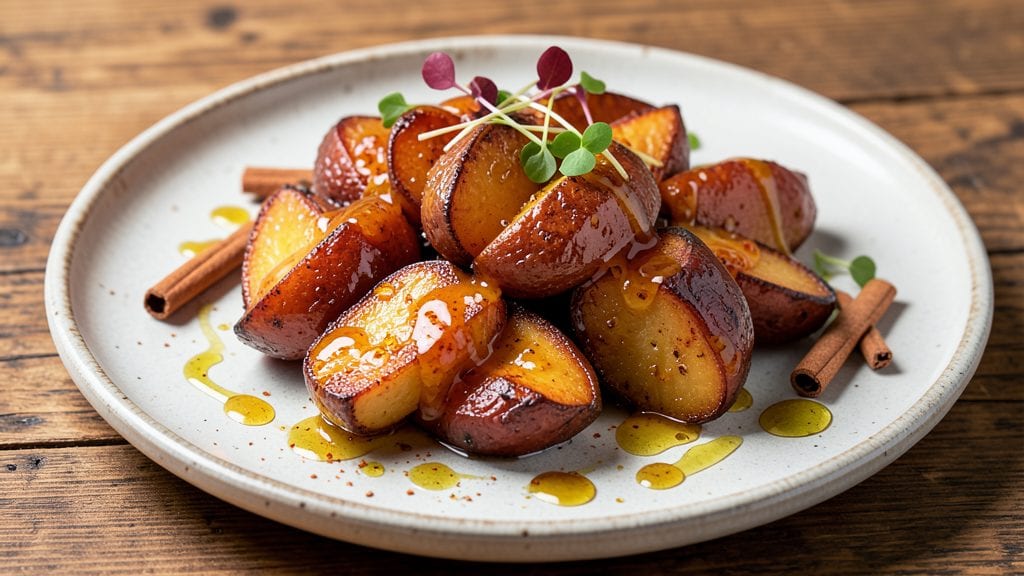
Sweet caramelized boniato potatoes transform humble sweet potatoes into a restaurant-worthy side with bold flavors and irresistible texture. This recipe unlocks their natural sweetness through precise roasting techniques, creating a dish that balances crispy edges with tender, velvety centers—perfect for elevating any meal.
I developed this method after years of experimenting with different cooking approaches, and the results speak for themselves.
The secret lies in the two-stage roasting process: first, a high-heat sear to develop caramelization, followed by a slow finish to deepen flavors.
A tangy citrus zest and aromatic spices—like cinnamon or smoked paprika—enhance the boniato’s natural sweetness, creating a complex, layered profile that pairs beautifully with proteins or stands alone. This technique works equally well for traditional roasting or modern air-frying methods.
What you’ll achieve is a dish that’s visually stunning—golden-brown with caramelized edges—and packed with bold, caramelized sweetness that’s impossible to resist. The texture contrasts perfectly: crispy on the outside, tender and buttery within.
This recipe adapts seamlessly to both classic and contemporary menus, making it a versatile addition to any kitchen.
Serve alongside grilled meats, roasted chicken, or even as a standalone appetizer with a drizzle of honey or a sprinkle of flaky sea salt. Pair with a crisp white wine or a citrusy cocktail to complement the dish’s vibrant flavors. Ready to elevate your sweet potato game? Let’s get started.
Ingredients for boniato potato
These premium ingredients transform ordinary boniato potatoes into a refined, restaurant-quality side dish.
| Ingredient | Amount | Notes |
|---|---|---|
| Boniato Potatoes 🍠 | 2 lbs | Medium-sized, peeled and quartered |
| Extra-Virgin Olive Oil 🫒 | ¼ cup | High quality, fruity variety |
| Orange Zest 🍊 | 1 tbsp | Freshly grated, vibrant color |
| Orange Juice 🍊 | ¼ cup | Freshly squeezed, no pulp |
| Pure Maple Syrup 🍁 | 2 tbsp | Grade B for deeper flavor |
| Ground Cinnamon 🌿 | ½ tsp | Freshly toasted for aroma |
| Smoked Paprika 🌶️ | ½ tsp | For smoky depth |
| Flaky Sea Salt 🧂 | 1 tsp | Maldon or Jacobsen preferred |
| Fresh Rosemary 🌿 | 2 sprigs | Finely chopped, aromatic |
| Honey 🍯 | 1 tbsp | Optional finishing drizzle |
| Garlic Cloves 🧄 | 2 cloves | Minced for aromatic base |
| Unsalted Butter 🧈 | 2 tbsp | Cold, cubed for finishing |
The foundation of this recipe lies in selecting high-quality boniato potatoes—their natural sweetness and texture are non-negotiable. Opt for firm, vibrant orange-fleshed potatoes from specialty markets like Whole Foods or local Latin grocers, where they're more likely to be fresh. The extra-virgin olive oil should be fruity and peppery, such as California Extra or Colavita, to complement the citrus notes. Freshly grated orange zest is critical—avoid pre-grated versions, which lose potency quickly. For the maple syrup, Grade B provides deeper caramel notes compared to lighter grades. The smoked paprika should be Spanish pimentón, available at Penzeys or Gourmet Garage, for authentic smokiness.
No fresh rosemary? Dried rosemary at one-third the amount works, though fresh provides superior aroma. Substituting orange juice? Grapefruit juice adds a tangy complexity, though the sweetness will differ slightly. Running low on smoked paprika? A pinch of liquid smoke (just a few drops) can mimic the depth, though it lacks the paprika's earthy notes. For the honey, local wildflower honey enhances the dish's complexity, while store-bought clover honey remains a reliable alternative. The garlic should be freshly minced—pre-minced garlic loses flavor rapidly. If you prefer, roasted garlic adds a mellow sweetness that pairs beautifully with the citrus.
Store freshly grated zest in an airtight container in the refrigerator for up to 5 days, though it's best used immediately. The maple syrup and honey can be kept indefinitely at room temperature, while the olive oil should be stored in a cool, dark place to preserve its quality. Pre-peeled and quartered potatoes can be refrigerated for 3 days before roasting, though they'll absorb moisture—pat them dry before cooking. The finished dish reheats beautifully: 350°F for 10-15 minutes restores crispiness, though the texture is best enjoyed fresh from the oven.
Why You'll Love This Recipe
- Sweet-Savory Magic: I’ll be real—this combo of caramelized boniato, bright orange zest, and maple syrup is ridiculously good. The natural sweetness of the potatoes pairs perfectly with the citrusy tang, and that drizzle of maple syrup at the end? Pure satisfaction.
- One-Pan Miracle: Honestly, you can’t mess this up. Peel, slice, roast—done. The boniato holds its shape beautifully, and the olive oil keeps it from sticking. I’ve made this while chatting on the phone, and it still turns out crispy-edged and tender inside.
- Leftovers? No Problem: Between us, this recipe actually tastes better the next day. The flavors meld overnight, and the potatoes soak up even more of that citrusy glaze. I’ll often roast a big batch on Sunday and snack on it all week—no reheating needed, just grab and eat.
- Budget Brightener: Here’s what sold me—the boniato is cheaper than regular potatoes, and the orange and maple syrup add luxury without breaking the bank. A little zest and juice go a long way, and you’re left with a dish that feels fancy but costs next to nothing.
Step-by-step instructions for sweet caramelized boniato potatoes
Transform humble boniato potatoes into a symphony of textures and flavors with this precise roasting method.
Prepare the Boniato Potatoes for Roasting
Begin by peeling the 2 lbs boniato potatoes and cutting them into 1-inch thick wedges—this ensures even cooking and maximum caramelization. Arrange them on a baking sheet in a single layer, leaving space between each piece. Toss the potatoes with 0.25 cup extra-virgin olive oil until evenly coated, ensuring every surface develops that coveted crispy exterior.
In a small bowl, combine 1 tbsp orange zest, 0.5 tsp ground cinnamon, and 0.5 tsp smoked paprika. Sprinkle this aromatic blend evenly over the potatoes, pressing gently to adhere. The zest will infuse the potatoes with bright citrus notes while the spices add warmth and depth. Let the potatoes rest for 10 minutes at room temperature before roasting—this prevents uneven cooking and allows the flavors to meld.
Roast Until Caramelized and Tender
Preheat your oven to 425°F and position the rack in the center. Spread the seasoned potatoes on the baking sheet in a single layer, ensuring they don’t overlap. Roast for 25 minutes, then carefully flip each piece using tongs. This step is critical—the first side develops a deep golden crust, while the second side achieves the same caramelized perfection.
After flipping, continue roasting for another 15-20 minutes until the potatoes are fork-tender and the edges are deep golden brown, almost blackened in spots. The potatoes should yield slightly when pressed but still hold their shape. If they brown too quickly, tent the baking sheet with foil to prevent burning while allowing them to finish cooking.
Build the Tangy Glaze and Finish
While the potatoes roast, prepare the glaze by combining 0.25 cup orange juice, 2 tbsp pure maple syrup, 1 tbsp honey, and 2 cloves minced garlic in a small saucepan. Bring to a gentle simmer over medium-low heat and reduce by half—this concentrates the flavors into a syrupy consistency. Stir in 2 sprigs finely chopped fresh rosemary and let it steep for 2 minutes to infuse the aroma.
Once the potatoes are roasted, drizzle the reduced glaze evenly over them, tossing gently to coat. Return the potatoes to the oven for 5-7 minutes to allow the glaze to caramelize and adhere. Sprinkle with 1 tsp flaky sea salt and 2 tbsp cold cubed unsalted butter, tossing once more to distribute. The butter will melt slightly, creating a glossy finish while adding richness.
Rest and Serve for Optimal Texture
Transfer the potatoes to a serving platter and let them rest for 5 minutes before serving. This brief rest allows the juices to redistribute, ensuring each bite is moist and flavorful. The exterior should be crispy with a caramelized sheen, while the interior remains tender with a slight resistance.
Garnish with an additional sprinkle of orange zest and flaky sea salt for a pop of color and contrast. Serve immediately while the potatoes are at their peak—crispy edges, tender centers, and a bright, tangy-sweet glaze that balances the earthy sweetness of the boniato. Pair with grilled proteins or a fresh arugula salad for a well-rounded dish.
Pro Tips For Making Boniato Potato
- Trim the Skin First: Boniato potatoes have tougher skins than regular potatoes—peel them before slicing, or you’ll waste energy sawing through them. Use a sharp paring knife and work in stages if the peel resists; no one wants to fight their ingredients.
- Roast Until Caramelized: Skip the "soft but not brown" trap—roast boniato slices at 400°F (200°C) until edges hit deep golden, almost crispy. That’s when the natural sugars kick in and marry with the orange and maple syrup. Toss them every 10 minutes to avoid uneven spots.
- Reduce the Orange Juice: Simmer the orange juice and maple syrup together first—just 3-4 minutes—to cut the acidity and thicken the glaze. Cold juice will water down the pan and dilute the flavors. Trust me, the difference is noticeable.
- Use Real Maple Syrup: I’ve tried "maple-flavored" syrups in this dish, and it’s a crime. Pure maple syrup adds depth and a subtle earthiness that cuts through the citrus. A splash (2-3 tablespoons) is enough—go heavier, and you’ll taste sweetness, not balance.
Pro cooking tips for boniato potato
Two-Stage Roasting
The key to achieving that perfect crispy-yet-tender texture lies in the two-stage roasting method. First, roast the boniato potatoes at 425°F for 25 minutes to develop a deep golden crust through the Maillard reaction.
This initial high-heat sear creates the foundation for caramelization. After flipping, reduce the oven to 375°F for the final 15-20 minutes—this slower finish ensures even cooking without burning the exterior. 🌡️
Citrus Glaze Technique
Don’t skip the reduced citrus glaze—it’s what transforms good roasted potatoes into something extraordinary. Simmer the orange juice, maple syrup, and honey until reduced by half, then infuse with rosemary for 2 minutes to extract maximum aroma.
The concentrated glaze clings to the potatoes, creating a sticky, caramelized crust that amplifies the natural sweetness. I use a non-reactive stainless steel saucepan for even reduction.
Butter Finish Secret
The final touch—cold cubed butter—is non-negotiable for that restaurant-quality finish. Toss the roasted potatoes with 2 tbsp cold butter cubes during the last 5-7 minutes of roasting.
The butter melts gradually, creating a glossy sheen while adding richness that balances the tangy citrus. For extra decadence, use European-style cultured butter like Plugrá or Kerrygold.
Oven Temperature Control
Your oven’s accuracy is critical here. Use an oven thermometer to verify the 425°F setting—many home ovens run 25-50°F hotter or cooler than indicated. If your oven runs hot, reduce the temperature by 25°F and increase roasting time by 5-10 minutes.
Conversely, if it runs cold, bump up the heat slightly. Consistency is key to avoiding undercooked centers or burnt edges. 🔥
Potato Cut Uniformity
Cutting the boniato potatoes into 1-inch thick wedges ensures even cooking, but consistency matters. Use a mandoline slicer with a 1-inch thick slice guide for precision, or carefully measure each wedge with a ruler.
Uneven pieces will cook at different rates, leading to some potatoes being overdone while others remain undercooked. For extra crispiness, leave the skin on—it adds texture and prevents the potatoes from falling apart.
Resting for Juice Redistribution
Never skip the 5-minute rest before serving. This allows the juices to redistribute throughout the potatoes, ensuring each bite is moist and flavorful. During this time, the residual heat continues to develop the caramelization slightly, enhancing the overall texture.
Serve directly from the baking sheet for easy transfer and maximum crispiness—just be prepared for guests to reach for seconds! ⏰
Nutrition facts
Frequently asked questions
What's the difference between boniato potatoes and regular sweet potatoes?
Boniato potatoes (also called Cuban sweet potatoes) have a drier, creamier texture and a slightly nuttier flavor compared to regular sweet potatoes. They're also less sweet and hold their shape better when roasted, making them ideal for crispy edges. Plus, their orange flesh stays vibrant during cooking!
Can I use this recipe with other citrus besides orange?
Try grapefruit juice for a tart twist or lemon zest for brightness. The key is balancing sweetness—adjust maple syrup accordingly. For a tropical vibe, swap orange for lime and add a pinch of tajín seasoning. The citrus glaze technique works universally!
Why did my boniato potatoes turn out mushy instead of crispy?
Mushiness usually means overcooking or uneven cuts. Stick to 1-inch wedges and roast at 425°F—don't exceed 40 minutes total. For extra crispiness, pat potatoes completely dry before seasoning. If your oven runs hot, reduce temp to 400°F and check at 30 minutes.
How can I make this recipe ahead of time?
Roast the potatoes 1 day ahead and store at room temp (they crisp up better when reheated). For longer storage, refrigerate for up to 3 days—reheat at 350°F for 10-15 minutes with a splash of water to restore moisture. The glaze can be made 2 days ahead and reheated gently before drizzling.
What's the best way to serve these as a main dish?
Pile the roasted boniato potatoes on a platter with a poached egg on top, drizzle with extra glaze, and sprinkle with crumbled feta or avocado slices. For a heartier plate, add grilled shrimp or black beans. The crispy edges hold up well as a breakfast or brunch centerpiece!