
Side Dishes
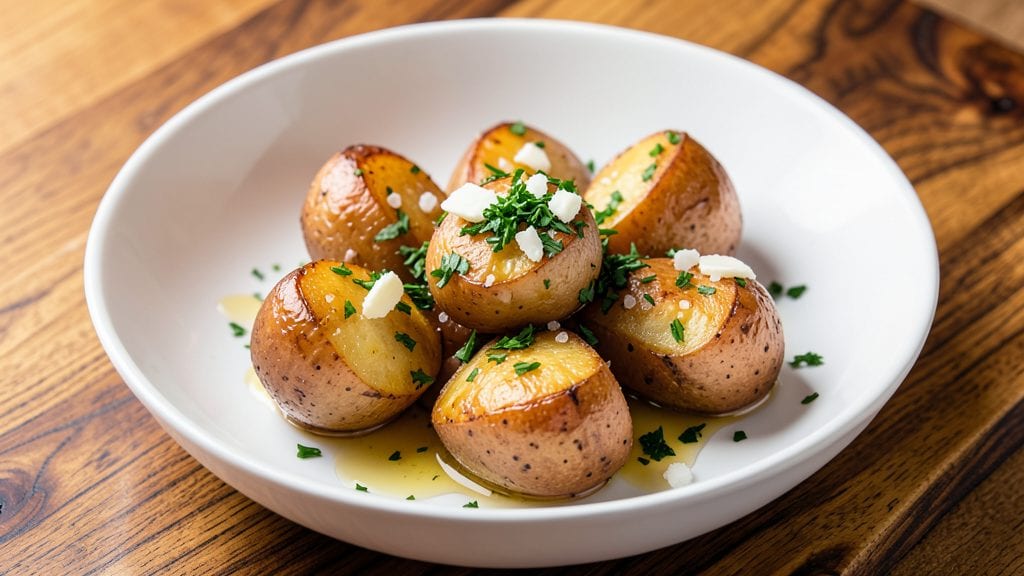
Boiled potatoes with vinegar transform simple spuds into a bright, tangy side dish that elevates any meal—in just 20 minutes. The vinegar finish cuts through richness, adding a crisp edge and vibrant flavor that makes these potatoes stand out.
I developed this method after realizing store-bought versions never quite captured that restaurant-quality tang.
This recipe delivers foolproof results with minimal effort: you'll need just 5 ingredients and a pot of boiling water. The key lies in the vinegar bath at the end, which balances the potatoes' starchiness while adding a subtle pickled brightness.
Perfect for pairing with grilled meats, fried chicken, or even as a standalone snack with a sprinkle of salt.
By the time you're done, you'll have crisp-edged, tender potatoes with a tangy bite that makes every forkful refreshing. The vinegar transforms them from ordinary to extraordinary—restaurant-quality at home. Whether you're hosting dinner or just want a better side, this method guarantees success.
Use white vinegar for classic tang or apple cider vinegar for a sweeter note. Garnish with fresh herbs or a pat of butter for extra richness. The possibilities are endless—let's get cooking!
Ingredients for boiled potatoes with vinegar
Five simple ingredients transform ordinary potatoes into a restaurant-worthy side dish.
| Ingredient | Amount | Notes |
|---|---|---|
| Russet Potatoes 🥔 | 2 lb | Cut into 1-inch chunks, uniform size |
| White Vinegar 🍶 | ½ cup | For classic tangy finish |
| Diamond Crystal Kosher Salt 🧂 | 1 ½ tbsp | For seasoning and final bath |
| Cold Water 💧 | 6 cups | For boiling and rinsing |
| Unsalted Butter 🧈 | 2 tbsp | Optional, for serving |
| Fresh Parsley 🌿 | ¼ cup | Chopped, for garnish |
Russet potatoes are the star here—their fluffy texture holds up perfectly to the vinegar bath. Buy them in bulk from Costco if you're prepping for the week, but the regular grocery store bag works fine for a quick meal. Look for potatoes that feel firm and heavy for their size—those light, spongy ones won't cut it. I usually cut them into 1-inch chunks while they're still cold to prevent pre-mashing. The uniform size ensures even cooking, which is key for that crisp edge. If you're short on time, microwave the cut potatoes for 5 minutes before boiling to cut cooking time by half.
White vinegar is non-negotiable for that classic tang, but apple cider vinegar or rice vinegar add sweetness or mildness if you prefer. No vinegar? A splash of lemon juice works in a pinch, though the flavor profile shifts. The Diamond Crystal kosher salt matters—it dissolves better than table salt and enhances flavor without overpowering. For the final bath, I use ice water to shock the potatoes, but tap water works if you're in a hurry. Swapping in fresh chives or dill for parsley gives a different vibe—whatever you've got on hand works.
These potatoes keep their texture for 2 days in the fridge if stored in a sealed container with a paper towel to absorb excess moisture. Reheat gently in the microwave with a splash of water to restore crispness. For meal prep, I make a double batch and portion them into containers—perfect for lunches or quick dinners. The vinegar bath makes them last longer too. If you're serving right away, toss with butter and parsley right after draining for that restaurant finish.
Why You'll Love This Recipe
- No Chopping Needed: I swear by this—just peel, quarter, and drop. No dicing, no mashing, no stress. The vinegar keeps them from turning to mush while you’re busy stirring whatever else is on the stove.
- Tangy Magic: That splash of white vinegar? It’s the secret weapon. Crispy edges, bright flavor, and a little kick that makes them taste like they belong in a restaurant—not just a pot. Honestly, I add a little extra butter after draining, and it’s dangerously good.
- Lunchbox Hero: Between us, these are my go-to for packed lunches. Cold or warm, they hold up perfectly. Toss them in a container with a sprinkle of salt and a pat of butter, and they’re a satisfying, no-fuss meal that actually tastes homemade.
- Pantry Staple Savings: Russets are cheap, vinegar lasts forever, and you’re using basic stuff you already have. I make a big batch on Sundays, and they’re my budget-friendly side for the whole week—no takeout needed.
Step-by-step instructions for boiled potatoes with vinegar
Here's how to achieve restaurant-quality, crisp-edged, tangy potatoes that stay perfectly tender.
Cut and Soak the Potatoes
Start by peeling the 2 lb russet potatoes if you prefer smooth skins, or leave them unpeeled for rustic texture. Using a sharp chef's knife, cut them into uniform 1-inch chunks—this ensures even cooking. I like to keep the pieces similar in size so they all finish at the same time.
Place the potato chunks in a large bowl and cover completely with the 6 cups cold water. Add the 1.5 tbsp diamond crystal kosher salt and stir gently to dissolve. Let them soak for 15 minutes—this removes excess starch that would otherwise make the potatoes gummy. Drain and rinse the potatoes thoroughly under cold water before proceeding.
Boil Until Fork-Tender
In a large pot with a tight-fitting lid, combine the drained potatoes with fresh 6 cups cold water. Bring to a rolling boil over high heat, then immediately reduce to medium-high heat. The water should return to a gentle boil within 2-3 minutes—this prevents uneven cooking from temperature fluctuations.
Cook the potatoes for 10-12 minutes until they're fork-tender but still hold their shape. You'll know they're ready when a knife slides in easily but the edges remain slightly firm. Overcooking turns them mushy, so keep an eye on them during the last 2 minutes of cooking time.
Shock and Acidify for Crisp Edges
Drain the potatoes immediately into a colander and transfer them to a large bowl. While still hot, pour the 0.5 cup white vinegar evenly over the potatoes. This acid bath does two things: it brightens the flavor and creates those signature crisp edges through osmosis. Let them sit for 5 minutes without stirring.
After the vinegar treatment, drain the potatoes again and return them to the pot. Add just enough cold water to cover them by 1 inch. Let them sit for 3-5 minutes—this final shock stops the cooking process and locks in the crisp texture. You'll notice the edges become slightly firmer as they absorb the vinegar.
Finish and Serve
Drain the potatoes one final time and transfer them to a serving dish. The 2 tbsp unsalted butter can be melted over them just before serving if you like—it adds richness without overpowering the bright vinegar flavor. Sprinkle generously with the 0.25 cup chopped fresh parsley for freshness and color contrast.
Serve immediately while still warm. The potatoes should have crisp edges that give way to perfectly tender centers, with a bright, tangy flavor from the vinegar. This technique works equally well for potato salad, as a side dish, or even as a base for loaded baked potatoes.
Pro Tips For Making Boiled Potatoes With Vinegar
- USE A LARGE POT: Russets release starch like crazy—skip the small pot and grab one that’s at least 3 inches taller than your stacked potatoes. I learned this the hard way when my water boiled over twice, leaving me with a soggy mess and a sticky counter. Cold water + big pot = no overflow drama.
- CUT POTATOES EVENLY: No need for fancy knife skills, but aim for chunks that are roughly the same size. If you mix 1-inch cubes with 2-inch slabs, the smaller pieces turn mushy while the big ones stay undercooked. Use a ruler or measuring cup for a quick guide—your future self will appreciate the consistency.
- SALT THE WATER LIKE THE OCEAN: Diamond Crystal kosher salt dissolves fast, so add 2 tablespoons per gallon of water before the potatoes go in. I used to sprinkle it in later and ended up with bland, flabby spuds. Trust me, the water should taste aggressively salty—you’ll rinse them before serving, but the flavor soaks in while cooking.
- VINEGAR LAST, NOT FIRST: Add the vinegar in the final 5 minutes of cooking—it’s not just for flavor, it’s for that signature tangy bite. Dump it in too early, and you’ll end up with a dull, vinegary water instead of bright, crisp potatoes. Save it for when the potatoes are almost done, then let them sit in the liquid for 2 minutes before draining.
Regional styles of this recipe
Southern U.S. Vinegar Potatoes
In the American South, these potatoes are a staple at church potlucks and family gatherings, often served alongside fried chicken or collard greens. The key difference here is using apple cider vinegar instead of white vinegar—it adds a subtle sweetness that complements the smoky flavors of Southern BBQ.
I like to add 1 teaspoon of smoked paprika to the vinegar bath for a smoky depth that pairs perfectly with ribs or pulled pork. 🌶️
German Kartoffeln mit Essig
German cuisine takes boiled potatoes with vinegar to another level by incorporating pickling spices like caraway seeds and mustard seeds. The recipe calls for 1 bay leaf, 2 whole cloves, and ½ teaspoon each of caraway and mustard seeds simmered with the vinegar.
These potatoes are traditionally served with sausages or roast pork, and the spiced vinegar bath gives them a complex, aromatic flavor profile that stands up to hearty main dishes.
British Vinegar Boil
The British version, often called "vinegar boil," is a classic pub side dish that's been around since the Victorian era. Here, the potatoes are boiled in salted water with a splash of vinegar (traditionally malt vinegar) added directly to the boiling water rather than as a finishing bath.
The British also often include a pinch of sugar to balance the acidity. Serve these with fish and chips or a Sunday roast for an authentic touch.
Spanish Patatas en Vinagre
In Spain, this dish is often prepared as a cold salad called patatas en vinagre, where the potatoes are boiled, cooled, and then tossed with a dressing of red wine vinegar, olive oil, and garlic.
The Spanish version frequently includes diced onions and hard-boiled eggs for a more substantial dish. For a quick Spanish-inspired twist, add 1 minced garlic clove and 2 tablespoons olive oil to your vinegar bath, then finish with chopped scallions instead of parsley.
Japanese Vinegar Potatoes
Japanese cuisine takes boiled potatoes with vinegar in a completely different direction by incorporating rice vinegar and mirin. The potatoes are boiled until tender, then tossed with a mixture of 2 tablespoons rice vinegar, 1 tablespoon mirin, and 1 teaspoon soy sauce.
This version is often served chilled as a refreshing side dish or incorporated into donburi-style bowls. Garnish with sesame seeds and green onions for an authentic Japanese touch. 🌱
Nutrition facts
Frequently asked questions
Why do we add vinegar to boiled potatoes?
The vinegar creates crisp edges through osmosis while adding a bright, tangy flavor that cuts through rich dishes. It also helps balance the starchiness of potatoes, making them more refreshing. The acidity in vinegar prevents the potatoes from turning gummy after cooking.
Can I use any type of vinegar?
White vinegar works best for classic tang, but apple cider vinegar adds sweetness and rice vinegar offers mildness. Malt vinegar (British style) or red wine vinegar (Spanish style) work too—just adjust the amount based on your taste. Never use balsamic or flavored vinegars as they overpower the dish.
How do I fix mushy potatoes?
If your potatoes turn out mushy, they were likely overcooked. Next time, test doneness with a fork at 10 minutes (they should be tender but still hold shape). For immediate fixes, drain them and place in an ice bath for 5 minutes to firm up the edges. The vinegar bath helps prevent this by creating crisp edges.
What's the best way to store these potatoes?
Store in an airtight container with a paper towel to absorb moisture for up to 2 days in the fridge. For longer storage, freeze them (uncooked) for 3 months
Can I make this recipe ahead of time?
Yes! Prepare the vinegar bath and store the potatoes separately in the fridge. When ready to serve, simply reheat the potatoes in boiling water for 2-3 minutes, then apply the vinegar bath fresh. This keeps the crisp edges intact. Perfect for meal prep—just assemble when needed.