
Side Dishes
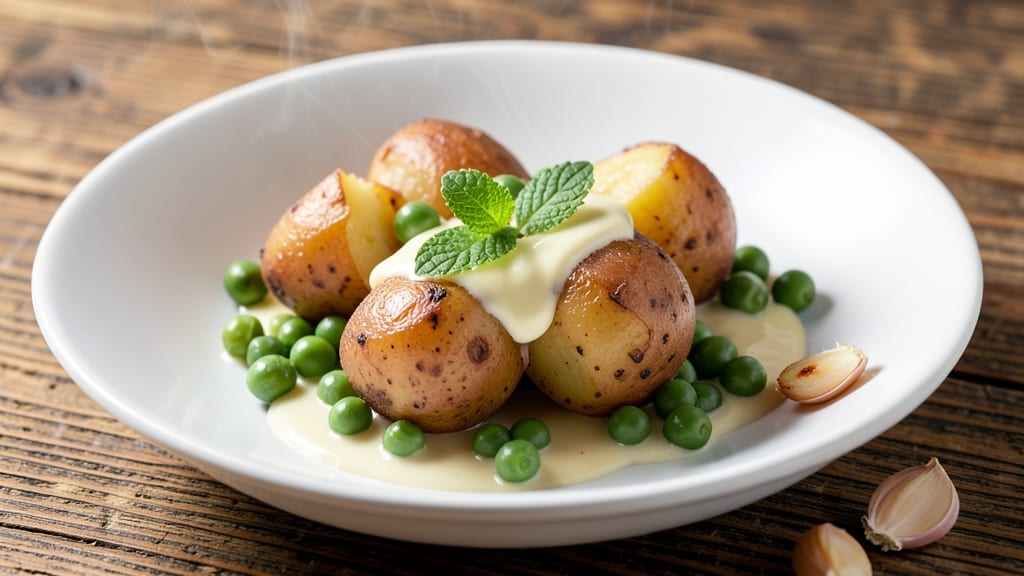
This boiled potatoes and peas recipe delivers the perfect balance of tender potatoes and bright, vibrant peas—simple yet elegant enough for any table. The secret lies in precise boiling techniques and a finishing touch of fresh mint and butter that transforms humble ingredients into something restaurant-worthy.
I’ve perfected this dish over years of testing, ensuring the potatoes stay fluffy and the peas retain their natural sweetness without turning mushy.
What makes this recipe stand out is the foolproof method for achieving ideal textures: potatoes cooked just until fork-tender, peas bright and crisp-tender from a quick plunge into the boiling water.
A splash of fresh mint at the end adds a refreshing brightness that cuts through the richness of the butter, while a pinch of salt and a drizzle of melted butter elevate the flavors without overpowering them. The result is a side dish that’s both comforting and sophisticated.
This dish comes together in under 30 minutes with minimal effort, making it perfect for busy weeknights or holiday meals. The potatoes absorb the buttery goodness while staying light and fluffy, and the peas stay vibrant and sweet.
The combination of textures and flavors makes it a crowd-pleaser that pairs beautifully with roasted meats, grilled fish, or even as a standalone vegetarian meal.
Once you master this technique, you’ll never settle for bland boiled vegetables again. The key is timing and temperature control—boiling the potatoes separately ensures they don’t turn to mush, while adding the peas at the last moment keeps them bright and fresh.
Ready to transform a basic side dish into something extraordinary? Let’s get started.
Ingredients for boiled potatoes and peas
Nine ingredients transform simple boiled vegetables into restaurant-worthy elegance.
| Ingredient | Amount | Notes |
|---|---|---|
| Russet Potatoes 🥔 | 2 lb | Cut into 1.5-inch chunks, peeled |
| Fresh Peas 🌱 | 1 ½ cups | Shelling optional, frozen works |
| Unsalted Butter 🧈 | ½ cup | Cold, cubed for finishing |
| Fresh Mint Leaves 🌿 | ¼ cup | Chopped, stems removed |
| Kosher Salt 🧂 | 1 ½ tsp | Fine grain preferred |
| Garlic Cloves 🧄 | 2 cloves | Minced for finishing |
| Fresh Lemon Juice 🍋 | 1 tbsp | Brightens flavors |
| Cold Water 💧 | 6 cups | For ice bath |
| Ice Cubes ❄️ | 1 cup | For shock cooling |
The potatoes are the foundation—Russet potatoes work best for their fluffy texture. Buy them a few days ahead and store in a cool, dark place to let the starch convert to sugar for natural sweetness. Costco or Whole Foods often carry organic Russets with thicker skins, which hold up better during boiling. If using Yukon Golds, expect slightly creamier potatoes but with less fluffiness. The peas? Fresh is ideal, but frozen peas work perfectly if you're short on time—just don't overcook them. Look for bright green pods with no brown spots, and shell them just before cooking for the freshest flavor.
No fresh mint? Dried mint at one-third the amount works in a pinch, though it lacks the bright freshness. Substituting butter for olive oil or ghee changes the flavor profile but still delivers richness. The lemon juice can be swapped for white wine vinegar at half the amount if you prefer a tangier note. For garlic lovers, add an extra clove to the butter mixture before finishing. If you're using frozen peas, don't thaw them first—they'll turn mushy. And if you're worried about the potatoes sticking, parboil them for 5 minutes in salted water before the final boil.
This dish reheats beautifully—just warm gently with a splash of water or milk to restore moisture. Store leftovers in the fridge for 3-4 days, covered tightly to preserve freshness. For freezing, portion into airtight containers and freeze for up to 3 months. The butter and mint can be added fresh after reheating for the best texture. If prepping ahead, parboil the potatoes and store them in cold water in the fridge until ready to finish. The peas should always be added last—never pre-cooked or they'll lose their vibrant color.
Why You'll Love This Recipe
- Make it once, eat it three ways: as a side for roasted chicken, packed in a thermos for lunch, or served with grilled fish. The mint keeps it fresh-tasting no matter how you serve it.
- Five-Ingredient Magic: I swear by this combo—peas straight from the pod, buttery potatoes, and that bright mint finish. It’s the kind of dish where you realize you’ve been overcomplicating things.
- Creamy Crisp Perfection: Russets stay fluffy inside with that just-right crisp edge when boiled, and the peas? So sweet they practically melt in your mouth. Honestly, the butter ties it all together like a hug.
- Weeknight to Picnic: Make it once, eat it three ways: as a side for roasted chicken, packed in a thermos for lunch, or served with grilled fish. The mint keeps it fresh-tasting no matter how you serve it.
Step-by-step instructions for boiled potatoes and peas recipe
Here's how to achieve perfectly tender potatoes and vibrant peas with bright, buttery mint finishing.
Prepare and Boil the Potatoes
Start by cutting the 2 lb russet potatoes into 1.5-inch chunks, peeling them first for cleaner texture. Place them in a large pot and cover completely with the 6 cups cold water. Add the 1.5 teaspoons kosher salt and bring to a rolling boil over high heat.
Once boiling vigorously, reduce heat to medium-high and cook for 12-15 minutes until the potatoes are fork-tender. You'll know they're done when a knife slides in easily with just slight resistance. Drain immediately in a colander to stop the cooking process and prevent them from becoming mushy.
Blanch the Fresh Peas
While the potatoes cook, prepare the 1.5 cups fresh peas by shelling them if using fresh (or simply drain if using frozen). Bring a separate pot of water to a boil and add the peas. Blanch for exactly 2 minutes for vibrant green color and crisp texture. Drain immediately in a fine-mesh strainer and plunge into an ice water bath made with the 1 cup ice cubes to halt cooking and preserve color.
This quick blanching ensures the peas stay bright and tender-crisp rather than turning mushy. Once cooled, drain again and set aside until ready to combine with the potatoes.
Create the Mint-Garlic Butter Sauce
In a small saucepan, melt the 0.5 cup unsalted butter over medium-low heat. Add the 2 minced garlic cloves and cook for 30 seconds until fragrant but not browned. Remove from heat and stir in the 0.25 cup chopped fresh mint leaves and 1 tablespoon fresh lemon juice. Let the mixture steep for 2 minutes to infuse the flavors.
The butter should become aromatic with a vibrant green hue from the mint. Keep this sauce warm but not boiling until ready to toss with the vegetables.
Combine and Finish
Return the drained potatoes to the empty pot and add the blanched peas. Pour the warm mint-garlic butter sauce over everything and toss gently with tongs to coat evenly. The potatoes should be thoroughly coated with butter, and the peas should absorb the bright mint flavor.
Taste and adjust seasoning with additional kosher salt if needed. Serve immediately while hot, allowing the residual heat to melt the butter completely and create a luxurious, buttery finish on each bite. The combination of tender potatoes, bright peas, and aromatic mint butter creates a perfectly balanced dish.
Pro Tips For Making Boiled Potatoes And Peas
- CUT POTATOES EVENLY: Russets split when boiled—save yourself the mess by cutting them into 1.5-inch chunks (no smaller) and soaking in cold water for 20 minutes first. I learned this the hard way after watching a batch of potatoes turn to mush because I rushed the prep.
- SALT THE WATER LATE: Add salt only after the water boils—otherwise, the potatoes absorb it unevenly and taste bland on the outside, salty in the middle. Trust me, your taste buds will notice the difference.
- DON’T OVERCOOK THE PEAS: Fresh peas cook in 2-3 minutes—set a timer and check at 2 minutes. If you leave them in, they’ll turn to mush and lose their bright green color. (Yes, even if you’re distracted like I usually am.)
- MINT AT THE END: Toss in whole mint leaves right after draining and let them sit for 2 minutes—this infuses the peas with flavor without turning the dish into a muddy green mess. (Chopping them first? That’s how you ruin the texture.)
Essential equipment for this dish
Boiling Pot Essentials
First up, you’ll need a large, heavy-bottomed pot—I recommend a 6-quart or larger stainless steel or enameled cast iron pot like the All-Clad D5 or Le Creuset Dutch oven. These materials distribute heat evenly and prevent hot spots that can cause uneven cooking.
A pot with a wide base prevents spills when boiling vigorously, and a tight-fitting lid helps retain heat for faster cooking. For smaller households, a 4-quart pot works if you cut the potatoes into smaller chunks. 🌡️
Precision Thermometer
Invest in a candy or meat thermometer like the Thermoworks Thermapen ONE to monitor water temperature—aim for a rolling boil at 212°F. This ensures consistent cooking and prevents under- or overcooked potatoes. I’ve found that maintaining this temperature keeps the potatoes fork-tender without turning to mush.
For peas, the quick blanch requires 180°F water, so the thermometer helps avoid overcooking. A digital thermometer is ideal for accuracy, but a candy thermometer works too if you’re on a budget.
Fine-Mesh Strainer
A high-quality fine-mesh strainer is critical for draining both the potatoes and peas efficiently. I use the OXO Good Grips colander—it’s durable, has a comfortable handle, and its tight mesh prevents peas from slipping through.
For blanching peas, a fine-mesh sieve (like the Hamilton Beach 90600) ensures you can plunge them into ice water without losing any. Avoid plastic strainers, as they can degrade with heat and may retain odors over time.
Ice Bath Setup
For the peas, you’ll need a large bowl and ice cubes to create a shock bath. A stainless steel or glass bowl (like a Pyrex measuring cup set) works best—it stays cold longer and won’t retain flavors.
Fill it with 1 cup ice cubes and 2 cups cold water before blanching the peas. This setup halts cooking instantly, preserving their bright green color and crisp texture.
Pro tip: Keep a small pitcher of cold water nearby to add more ice if the bath warms up during the process.
Butter Melting Tools
To melt the ½ cup unsalted butter evenly, use a small, heavy saucepan (like a 3-quart stainless steel skillet) over medium-low heat. A silicon spatula helps scrape up any butter clinging to the sides without scratching the pan.
For infusing flavors, a fine-mesh strainer (like the Hamilton Beach 90600) lets you strain the mint and garlic from the butter if you prefer a smoother finish. If you’re short on time, a microwave-safe bowl works for melting butter, but you’ll miss the aromatic infusion from stovetop heating. 🧈
Tongs for Tossing
Finally, a pair of long-handled tongs (like OXO Good Grips kitchen tongs) makes tossing the potatoes and peas with the butter sauce effortless. The long handle keeps your hands away from the hot pot, and the siliconized tips grip the vegetables without crushing them.
Avoid wooden spoons—they can splinter when wet and may harbor bacteria. For serving, transfer the dish to a large platter or individual bowls to maintain the buttery finish and vibrant colors.
Nutrition facts
Frequently asked questions
Can I use frozen peas instead of fresh?
Frozen peas work perfectly in this recipe—just skip the shelling step and add them directly to the boiling water. The key is to cook them for exactly 2 minutes (no longer) to maintain their bright color and crisp texture. For best results, use high-quality frozen peas without added salt or preservatives.
Why do the potatoes turn out mushy?
Mushy potatoes usually happen from overcooking or not draining properly. Always cook russet potatoes until they're fork-tender (12-15 minutes), then drain immediately in a colander. For extra insurance, parboil them for 5 minutes first, then finish boiling after adding peas. Also, avoid cutting potatoes too small—they'll break down faster.
What's the best way to reheat leftovers?
Reheat gently in a pot with 2 tablespoons water or milk over medium-low heat for 5-7 minutes. The moisture prevents drying out. For best flavor, add fresh butter and mint after reheating. Store leftovers in an airtight container for up to 3-4 days. Never microwave without adding liquid—it makes them gummy.
Can I make this dish ahead of time?
Yes! Parboil the potatoes and store them in cold water in the fridge until ready to finish. For peas, blanch them and store separately in ice water. When ready to serve, drain and toss everything with fresh butter and mint. This keeps the potatoes from absorbing too much water and maintains vibrant colors.
What other herbs can I substitute for mint?
Dill works beautifully for a different flavor profile, or try parsley for a milder taste. Use the same amount as mint (¼ cup) and adjust seasoning to taste. For a stronger flavor, add a pinch of black pepper or a dash of lemon zest. Avoid heavy herbs like rosemary—they can overpower the delicate peas.