
Side Dishes
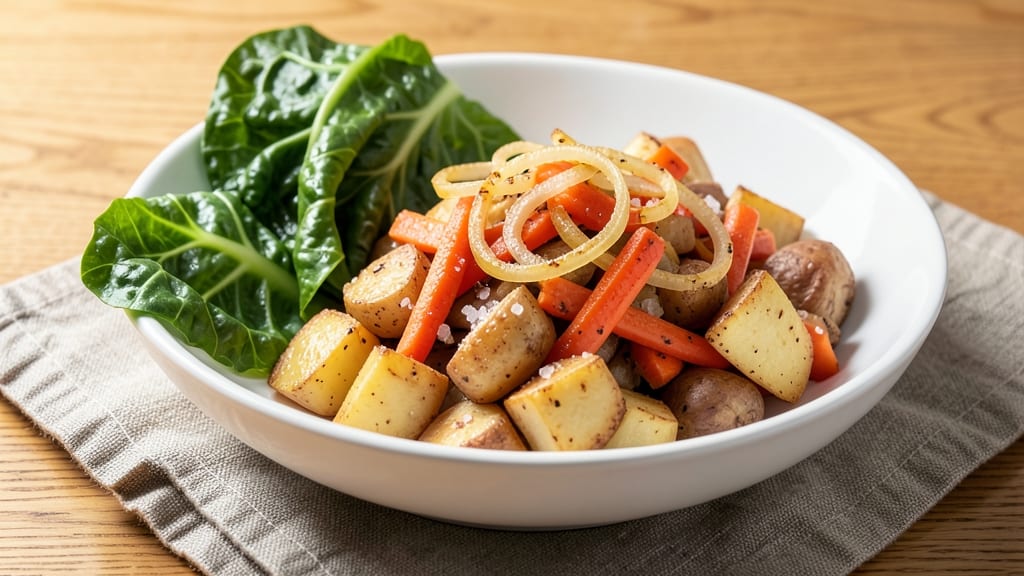
This one-pot boiled cabbage, carrots, and potatoes recipe transforms simple ingredients into a hearty, comforting side that pairs perfectly with any weeknight meal.
The key lies in balancing cooking times and seasoning to ensure tender vegetables without losing texture—something I perfected after years of trial and error in my own kitchen.
What makes this dish truly special is its versatility: it works as a standalone vegetarian meal or as a simple, flavorful accompaniment to roasted meats or grilled fish.
The beauty of this recipe is its simplicity—just a few basic ingredients, a single pot, and about 30 minutes of active time. I use a precise water-to-ingredient ratio to prevent soggy vegetables, while a simple blend of salt, pepper, and bay leaves adds depth without overpowering the natural flavors.
The result is a side dish that’s both satisfying and effortless, proving that comfort food doesn’t have to be complicated.
By the time you’re done, you’ll have a pot of tender cabbage with slightly crisp edges, perfectly cooked carrots with a vibrant orange hue, and fluffy potatoes that hold their shape.
The aroma alone—earthy, slightly sweet, and warm—will have everyone at the table asking for seconds. This is the kind of side dish that elevates even the simplest dinner into something memorable.
Serve it alongside roasted chicken, grilled salmon, or even as part of a hearty vegetarian spread. The recipe scales easily, so you can double or halve it depending on your needs. Here’s how to make it—simple, foolproof, and guaranteed to become a weeknight staple.
Ingredients for boiled cabbage carrots and potatoes
Just eleven ingredients for a side that feels like a hug in a pot.
| Ingredient | Amount | Notes |
|---|---|---|
| Green Cabbage 🥬 | 1 lb | Heads cut into wedges, core removed |
| Baby Carrots 🥕 | 1 ½ lbs | Whole or halved lengthwise |
| Russet Potatoes 🥔 | 1 ½ lbs | Cut into 1-inch chunks |
| Yellow Onion 🧅 | 1 whole | Quartered, peel on |
| Fresh Bay Leaves 🌿 | 2 whole | Dried works at half amount |
| Diamond Crystal Kosher Salt 🧂 | 1 ½ tsp | Adjust to taste |
| Freshly Ground Black Pepper 🌶️ | ½ tsp | Pre-ground lacks freshness |
| Extra-Virgin Olive Oil 🫒 | 1 tbsp | For finishing, not cooking |
| Apple Cider Vinegar 🍏 | 1 tbsp | Brightens flavors |
| Fresh Parsley 🌿 | ¼ cup | Chopped, for garnish |
| Water 💧 | 4 cups | Filtered preferred |
The cabbage is your star here—green cabbage holds up better than red when boiling, but use what you've got. I always grab the heaviest head at the grocery store (more leaves, less core). Baby carrots are perfect for even cooking, but regular carrots cut into 2-inch pieces work too. Potatoes should be Russet or Yukon Gold—they stay fluffier than red potatoes. The onion adds sweetness as it cooks, so don't skip it even if you're not a fan of raw onion flavor. For bay leaves, fresh is ideal, but dried leaves in a jar work fine if you've got them. The key is removing them before serving—no one wants a leafy surprise in their bite.
No bay leaves? Dried thyme at half the amount works in a pinch. Short on parsley? Fresh dill or chives give a nice bright finish too. The apple cider vinegar might seem odd, but trust me—it balances the earthiness of the cabbage and carrots. No vinegar? Lemon juice works too. For the olive oil, any good-quality extra-virgin will do—no need to splurge on fancy stuff here. The water should be filtered if possible, but tap water works fine if you're in a pinch. Just make sure it's not super chlorinated (let it sit out for 10 minutes if it's strong). And if you're worried about soggy veggies, undercook slightly—they'll finish steaming in the pot.
This keeps beautifully in the fridge for 4-5 days—the flavors actually deepen overnight. I like to portion it into glass containers with a drizzle of olive oil on top to keep everything fresh. For leftovers, reheat with a splash of water in the microwave—it helps revive the texture. Freezing isn't ideal (the cabbage gets mushy), but you can freeze just the potatoes and carrots separately for up to 3 months. The parsley? Store it in a glass of water like flowers—it stays fresh for days this way. And if you make a big batch, this reheats perfectly with a sprinkle of salt and a pat of butter—like a cozy side dish upgrade.
Why You'll Love This Recipe
- I’ll be real: this recipe costs me next to nothing. A whole cabbage, a bag of carrots, and a few potatoes stretch for days, and the leftovers? Even better the second time around. It’s the kind of dish that makes grocery bills feel less scary.
- No-Chop Night Saved: I swear by this when I’m too tired to peel potatoes properly—just toss in whole baby carrots and halved potatoes, and they soften beautifully. The cabbage’s crisp layers break down just enough to soak up that onion-bay leaf broth like a dream.
- Umami Bomb Simplicity: That onion, caramelized just enough while the potatoes boil, turns this into something way more interesting than plain boiled veggies. Honestly, the bay leaves add a depth that makes it taste like you put in effort—even when you didn’t.
- Lunchbox Hero: Between us, this is my go-to for meal prep because it reheats like a champ. Pack the potatoes and carrots separately (the cabbage gets soggy, but who cares—it’s still delicious) and you’ve got a filling, budget-friendly lunch that’ll keep you full until dinner.
Step-by-step instructions for boiled cabbage, carrots, and potatoes
This one-pot method delivers perfectly tender vegetables in under 30 minutes.
Prep Ingredients for Even Cooking
Start by cutting the 1 lb green cabbage into wedges, removing the tough core. Halve the 1.5 lbs baby carrots lengthwise if they're thick—this ensures they cook through without becoming mushy. Cut the 1.5 lbs russet potatoes into 1-inch chunks for consistent doneness. Quarter the 1 whole yellow onion, leaving the peel on for added flavor depth.
Here's the thing—don't skip the prep work. Uniform sizes mean everything cooks at the same rate. I like to spread the cut vegetables on a cutting board while I work to avoid overcrowding the pot later. The goal is tender-crisp vegetables, not a waterlogged mess.
Build Flavor in the Pot
Place the prepared vegetables in a large pot with the 2 whole fresh bay leaves. Add the 4 cups water and bring to a boil over medium-high heat. Once boiling vigorously, reduce heat to medium and add the 1.5 tsp diamond crystal kosher salt and 0.5 tsp freshly ground black pepper. Stir gently to distribute the seasoning evenly.
This is where the magic happens. The bay leaves infuse the water with aromatic depth, while the salt and pepper penetrate the vegetables as they cook. Let the mixture simmer uncovered for 15 minutes, stirring occasionally. You'll see the vegetables soften but still maintain their shape—this is perfect for our weeknight side.
Finish with Acid and Oil
After 15 minutes, remove the pot from heat. Stir in the 1 tbsp apple cider vinegar and 1 tbsp extra-virgin olive oil. The vinegar brightens the flavors while the oil adds a silky finish. Let the vegetables sit covered for 5 minutes to absorb these final elements.
Real talk: The vinegar might seem like an afterthought, but it cuts through the earthiness of the cabbage and potatoes beautifully. The olive oil coats everything, preventing the vegetables from drying out as they cool. This step makes all the difference between a basic boiled side and something special.
Garnish and Serve Warm
Transfer the vegetables to a serving dish and sprinkle with the 0.25 cup chopped fresh parsley. The parsley adds freshness and a pop of color that makes this dish look restaurant-worthy. Taste and adjust seasoning if needed—you might want to add a pinch more salt or a splash more vinegar depending on your preference.
Serve immediately while still warm. The vegetables should be tender but still hold their shape, with a bright, balanced flavor from the vinegar and herbs. This one-pot method keeps everything simple while delivering impressive results—perfect for weeknight meals when you want something hearty but don't have time to fuss.
Pro Tips For Making Boiled Cabbage Carrots And Potatoes
- CUT CABBAGE IN EVEN STRIPS: I learned this the hard way—uneven cabbage cooks at wildly different rates. Aim for ¼-inch-wide strips, no thicker, and slice them lengthwise (like ribbons) so they soften faster without turning to mush. (Yes, even if you’re impatient like me.)
- SALT THE WATER LIBERALLY: Don’t skimp here. Use at least 2 tablespoons of salt per gallon of water—this stops the potatoes from turning pasty and keeps the cabbage from tasting bland. Test it: if you can’t taste the water, you’re not salty enough.
- ADD POTATOES FIRST: Start with the potatoes in cold water, then add everything else after the water boils. This guarantees even cooking—no underdone centers or overcooked edges. (Pro move: Poke them with a fork first to speed up softening.)
- SKIP THE BAY LEAF IF USING PRE-CUT MIXES: Store-bought veggie mixes often come pre-salted or with preservatives. Toss the bay leaf if you’re using those—it’ll make the dish taste like a science experiment. Fresh ingredients? Keep the bay leaf; it’s non-negotiable for flavor.
Dietary considerations for this recipe
Vegetarian-Friendly Base
This recipe is naturally vegetarian and packed with plant-based protein from the potatoes, fiber from the cabbage, and vitamins from the carrots. The combination delivers about 15 grams of fiber per serving, supporting digestive health while keeping you full for hours.
I always make this for vegetarian friends because it feels substantial enough to stand alone—just add a sprinkle of nutritional yeast for a cheesy flavor boost if needed. 🥕
Gluten-Free Adaptation
Since this dish relies on simple vegetables, water, and basic seasonings, it’s naturally gluten-free—no flour, breadcrumbs, or thickeners required. Just ensure your kosher salt and bay leaves are certified gluten-free if you're sensitive.
For extra flavor without gluten, I sometimes add 1 tsp smoked paprika or ½ tsp garlic powder to the boiling water. Always double-check spice blends, as some contain wheat. ✨
Low-Carb Option
To reduce carbs, swap half the potatoes for cauliflower florets (cut into similar-sized chunks). The cauliflower will cook faster, so add it 5 minutes later than the potatoes. You’ll still get a hearty texture with about 30% fewer net carbs per serving.
I also recommend increasing the apple cider vinegar to 1.5 tbsp to balance the mildness of cauliflower. 💪
Vegan Considerations
This recipe is already vegan, but if you’re using butter for reheating leftovers, opt for olive oil or vegan butter instead. For extra richness, stir in 1 tbsp tahini or 1 tsp miso paste when serving—both add umami depth without animal products.
The bay leaves and parsley also contain trace amounts of iron, making this a great side for plant-based diets. 🌱
Allergen-Friendly Swaps
For dairy-free needs, skip any butter garnishes and stick to olive oil. If someone has a sulfite sensitivity, use fresh bay leaves instead of dried (dried often contain sulfites).
For FODMAP-friendly adjustments, reduce the apple cider vinegar to ½ tbsp and omit the onion—substitute with 1 tsp asafoetida powder for a similar savory depth. Always check labels on spices and vinegars for hidden allergens. 🔍
Kid-Friendly Tweaks
Make this dish more appealing to picky eaters by roasting the carrots separately (toss with 1 tsp honey and ½ tsp cinnamon, then roast at 400°F for 20 minutes) and serving them alongside the boiled veggies.
For the cabbage, blanch it separately for 5 minutes instead of boiling it with the potatoes—this keeps it slightly crunchier, which kids often prefer. A sprinkle of grated Parmesan (if dairy is okay) also makes it more exciting. 🧒
Nutrition facts
Frequently asked questions
Why do you boil cabbage, carrots, and potatoes together?
Boiling them together creates a harmonious flavor profile where the earthy cabbage, sweet carrots, and starchy potatoes complement each other perfectly. The shared cooking liquid infuses all ingredients with bay leaf aroma, while the potatoes' starch helps tenderize the cabbage. This method also saves time and cleanup—just one pot to monitor!
Can I use red cabbage instead of green?
Yes, but expect a slightly different texture and color. Red cabbage holds its shape better and adds vibrant purple hues to the dish. For best results, reduce cooking time by 2-3 minutes—it's more delicate than green cabbage. The flavor remains mild but sweeter when cooked.
What if my vegetables turn out mushy?
Mushiness happens when vegetables overcook or the pot lacks enough water. Always use 4 cups of water and cut ingredients uniformly. For future batches, remove the lid during the last 5 minutes of cooking to let excess moisture evaporate. Pro tip: Potatoes should be fork-tender but still hold shape.
How can I make this dish more flavorful?
Add 1 tsp garlic powder or ½ tsp smoked paprika to the boiling water for depth. For extra richness, stir in 1 tbsp butter or olive oil at the end, or sprinkle with toasted breadcrumbs before serving. A squeeze of lemon juice also brightens the flavors beautifully.
Can I prepare this ahead of time?
This dish reheats perfectly. Store in an airtight container in the fridge for 4-5 days. To reheat, add 2 tbsp water per serving and microwave for 1-2 minutes until steaming. For best texture, avoid boiling again—steam gently instead.