
Tips
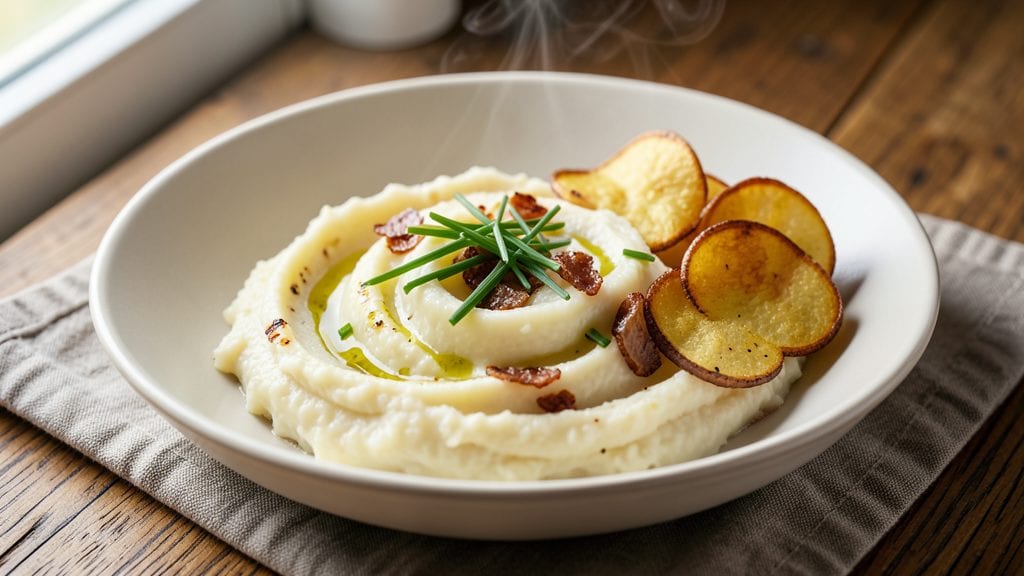
For mashed potatoes recipes, Russet potatoes deliver the best texture with their high starch content, creating ultra-creamy results. Yukon Golds add natural sweetness and moisture, while red potatoes hold shape better for rustic styles. Avoid waxy varieties like red potatoes for ultra-smooth mash.
When you're aiming for that signature velvety finish in your mashed potatoes, the potato's starch profile is everything.
Russets contain the highest amylopectin levels, which break down into a smooth, glue-like consistency when cooked—perfect for that classic, ultra-creamy texture. 🔥 Meanwhile, Yukon Golds offer a slightly firmer bite with their medium starch content, making them ideal when you want a balance of creaminess and natural sweetness that pairs beautifully with herbs like rosemary or thyme.
For those who prefer rustic, heartier mashed potatoes, red potatoes hold their shape due to their waxy starch structure, but they won't achieve the same silky smoothness. This makes them better suited for dishes where texture plays a starring role, like loaded mashed potatoes with crispy bacon or roasted garlic.
The key is matching your potato choice to the final texture you're after—whether that's silky, buttery, or rustic and robust.
💡 In This Article
- Starch Content in Potatoes Explained
- Best Potato Varieties for Different Mashed Potato Styles
Starch content in potatoes explained
Potatoes contain two types of starch molecules: amylopectin and amylose. The ratio between them determines how your mashed potatoes will turn out. Russet potatoes have a 75-80% amylopectin content, which breaks down into a smooth, glue-like paste when heated.
This high amylopectin content is what gives Russets their signature ultra-creamy texture when mashed. 🔥 The remaining 20-25% amylose provides structure but dissolves easily, creating that velvety finish.
Yukon Gold potatoes fall in the middle with a 65-70% amylopectin ratio, giving them a slightly firmer bite while still delivering excellent creaminess. Their medium starch content means they absorb liquids well without falling apart completely.
This makes them ideal for recipes where you want that buttery, almost custard-like texture without the ultra-smoothness of Russets. The remaining 30-35% amylose contributes to their natural sweetness and slightly waxy feel.
Waxy potatoes like red potatoes contain only about 55-60% amylopectin, with the rest being amylose. This higher amylose content makes them hold their shape better when cooked, which is why they're perfect for rustic-style mashed potatoes where you want some texture.
However, they won't achieve the same silky smoothness as Russets because the amylose doesn't break down as completely. The result is a creamier but still slightly chunky texture that works beautifully in loaded potato dishes.
Here's what happens during cooking: When potatoes are heated, the starch granules absorb water and swell. In high-starch Russets, the amylopectin molecules form a continuous network that traps moisture, creating that signature creamy consistency.
In waxy potatoes, the higher amylose content prevents this network from forming as smoothly, resulting in a firmer texture. The key difference is how these starch molecules interact with water and each other during the cooking process.
For the creamiest results, you want potatoes that can form that continuous starch network. Russets excel at this because their high amylopectin content allows them to create a thick, cohesive paste when mashed. Yukon Golds offer a good balance, while waxy potatoes simply can't achieve the same level of smoothness.
This is why Russets are the gold standard for classic mashed potatoes—because their starch structure is perfectly suited for creating that luxurious, velvety texture we all love. ✨
What most people don't realize is that even within the same variety, starch content can vary slightly based on growing conditions and storage. Potatoes that have been stored for longer periods tend to convert more of their starch into sugars, which can affect both texture and flavor.
This is why freshly harvested potatoes often yield the creamiest mashed potatoes—their starch is at its peak for breaking down into that perfect smooth consistency.