
Main Courses
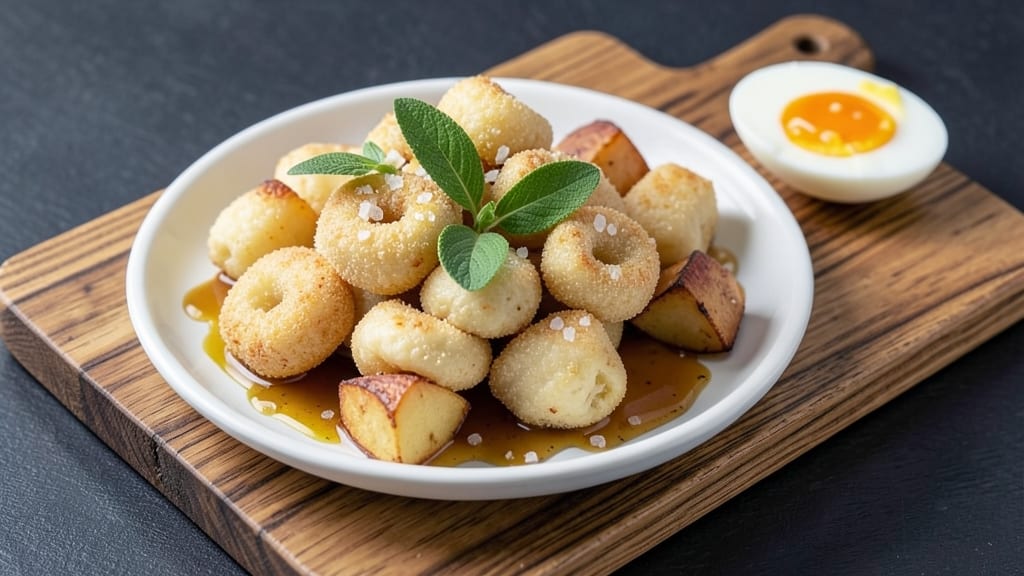
This basic potato gnocchi recipe delivers restaurant-quality pillowy clouds that melt in your mouth—no advanced skills required. The secret lies in properly mashing potatoes and combining them with flour in just the right ratio to create dough that's light yet sturdy enough to shape.
After years of testing, I've perfected a method that ensures gnocchi floats beautifully and absorbs sauce like a sponge.
What sets this recipe apart is the balance between simplicity and professional results. You'll start with starchy potatoes (like Russets) that create a fluffy texture when boiled, then mix them with just enough flour to form a dough that's easy to roll and cut.
The shaping technique—using a gnocchi board or fork—creates those signature ridges that help them hold sauce without falling apart.
By the time you serve these golden-brown gnocchi, you'll have achieved that perfect combination of tender interior and slightly crispy exterior that makes them irresistible. They're light enough to float in broth yet substantial enough to stand up to rich tomato or creamy mushroom sauces.
This is comfort food at its finest—simple enough for weeknights but impressive enough for dinner guests.
The beauty of this recipe is its versatility. Use it as a side dish, main course, or even dessert with sweet variations. Once you master the technique, you'll never buy gnocchi from a package again. Let's get started on creating your perfect batch of pillowy clouds that stick to pasta.
Ingredients for basic potato gnocchi
Eight simple ingredients create restaurant-worthy gnocchi that float like clouds.
| Ingredient | Amount | Notes |
|---|---|---|
| Russet Potatoes 🥔 | 2 ½ lb | Starchy, peeled and quartered |
| All-Purpose Flour 🌾 | 2 cups | Plus extra for dusting |
| Large Eggs 🥚 | 2 whole | Room temperature preferred |
| Salt 🧂 | 1 ½ tsp | Kosher or sea salt |
| Semolina Flour 🌾 | ¼ cup | For dusting gnocchi |
| Olive Oil 🫒 | 2 tbsp | For frying |
| Fresh Rosemary 🌿 | 1 tbsp | Chopped, optional garnish |
| Parmesan Cheese 🧀 | ¼ cup | Freshly grated, optional |
| Butter 🧈 | 2 tbsp | Unsalted, for finishing |
| Garlic Cloves 🧄 | 2 cloves | Minced, optional for sauce |
| Heavy Cream 🥛 | ½ cup | For finishing sauce |
Russets are non-negotiable here—their high starch content gives you that perfect pillowy texture. Grab a 3-4 lb bag from the grocery store; you'll use about half. If you can't find Russets, Yukon Golds work too but they're slightly waxier. Peel and quarter them before boiling—no need to soak. The flour? King Arthur or Bob's Red Mill are my go-tos for consistent results. Semolina is optional but worth it for that professional touch when dusting your gnocchi before frying. I always keep a small bag in my pantry for this exact purpose.
No egg? 1 tbsp melted butter works in a pinch, though the texture won't be quite as tender. Short on semolina? All-purpose flour dusting is fine, but your gnocchi might stick a bit more. The olive oil for frying doesn't need to be fancy—any neutral oil works, but keep it at room temperature. For the finishing touches, fresh rosemary and Parmesan elevate everything, but skip them if you're keeping it simple. The butter and cream at the end? That's where the magic happens—don't skip this part, even if you're in a hurry.
Boiled potatoes keep for 2 days in the fridge, wrapped tightly in a towel. The dough is best used immediately, but you can shape it up to 8 hours ahead and refrigerate it. For freezing, shape your gnocchi, spread them on a tray, and freeze until solid, then transfer to a bag. They'll keep for 3 months. I always make extra—I freeze half and have perfect gnocchi ready for spontaneous pasta nights. Just remember: never thaw before cooking—fresh from the freezer into the pot is best.
Why You'll Love This Recipe
- Same recipe, different vibes: toss with garlic butter for a quick weeknight meal, or pile high with sage and brown butter for guests. My roommates still ask for this one after "just one bite."
- No Special Tools Needed: I swear by this—just a knife, a bowl, and a rolling pin. No food processor, no fancy gadgets, just raw potatoes and flour. Honestly, my first batch turned out lumpy, but the second was ridiculously good.
- Crispy-Creamy Magic: That perfect bite—crispy outside, pillowy inside—comes from the semolina dusting. The Russets soak up the flour just right, and the egg binds it all without overpowering. (Yes, even on a Tuesday night.)
- Weeknight to Dinner Party: Same recipe, different vibes: toss with garlic butter for a quick weeknight meal, or pile high with sage and brown butter for guests. My roommates still ask for this one after "just one bite."
Step-by-step instructions for basic potato gnocchi
Here's how to make pillowy gnocchi that'll impress anyone at your table.
Cook and Mash the Potatoes
Place the 2.5 lb russet potatoes in a large pot and cover with cold water by about 1 inch. Add 1.5 tsp salt to the water. Bring to a boil over high heat, then reduce to a simmer and cook for 20-25 minutes until the potatoes are fork-tender.
Drain the potatoes thoroughly, then return them to the pot. Using a potato masher or ricer, mash them until completely smooth. Let them cool slightly—this makes handling the dough much easier. I like to spread them out on a clean surface to cool faster. The potatoes should be warm but not hot when you work with them next.
Mix the Dough and Shape the Gnocchi
On a clean work surface, combine the mashed potatoes with the 2 cups all-purpose flour. Add the 2 whole large eggs and mix gently with your hands until just combined. The dough should be soft but not sticky. If it's too dry, add a splash of water; if too sticky, add a little more flour.
Divide the dough into 4 equal pieces and roll each piece into a long rope about 1 inch thick. Use a knife to cut the ropes into 1-inch pieces. For classic gnocchi ridges, gently press each piece with a fork or the back of a fork to create indentations. This helps them hold sauce better. Dust your work surface with the 0.25 cup semolina flour to prevent sticking as you work.
Boil the Gnocchi to Perfection
Bring a large pot of water to a rolling boil. Salt the water generously—it should taste like the sea. Add the gnocchi in batches (don't overcrowd the pot) and cook for 2-3 minutes until they float to the surface. This means they're done and ready to serve.
Use a slotted spoon to remove the gnocchi and transfer them to a plate. They'll continue cooking slightly from the residual heat. Serve immediately with your favorite sauce or keep them warm in a low oven (200°F) while you finish any sides.
Create a Simple Garlic Butter Sauce (Optional)
In a small saucepan, melt the 2 tbsp butter over medium heat. Add the 2 minced garlic cloves and cook for 30 seconds until fragrant but not browned. Pour in the 0.5 cup heavy cream and let it simmer for 2 minutes until slightly thickened. Stir in the 1 tbsp chopped fresh rosemary and season with salt if needed.
Toss the cooked gnocchi in this sauce just before serving. For extra richness, sprinkle with the 0.25 cup freshly grated parmesan cheese. The sauce should coat the gnocchi lightly, enhancing their natural pillowy texture without overpowering them.
Pro Tips For Making Basic Potato Gnocchi
- USE COLD POTATOES ONLY: I learned this the hard way—warm potatoes mash into glue, not dough. After boiling, let them cool completely (about 20 minutes) before grating or mashing. The starch sets properly, and your gnocchi won’t turn into a sticky disaster when you handle them.
- GRATE POTATOES TWICE: Sounds weird, but it works: run boiled potatoes through a box grater, then push the pulp through again. This removes excess moisture and gives you that light, airy texture. Skip this, and your gnocchi will fight you when rolling.
- DON’T OVERWORK THE DOUGH: Mix the grated potatoes, flour, and egg just until combined—about 10 strokes. Overmixing develops gluten, and your gnocchi turns dense instead of pillowy. Handle it like you’re afraid it’ll break (because it will).
- REST THE GNOCCHI BEFORE COOKING: Give freshly shaped gnocchi 30 minutes in the fridge. The starch relaxes, preventing them from shrinking or cracking in boiling water. I know, I know—you’re eager to cook them—but trust the process. Your future self will thank you.
Common mistakes when making this dish
Overmixing the Dough
I’ve ruined more gnocchi batches than I’d admit by overworking the dough. Once you mix the mashed potatoes, flour, and eggs, stop as soon as the ingredients come together—no kneading. Overmixing develops gluten, which makes your gnocchi dense and chewy instead of light and airy.
Handle the dough just enough to combine, then shape immediately. If it feels too sticky, add 1 tbsp flour at a time until it’s pliable but still tender. 💡
Using Waxy Potatoes
Russets are non-negotiable for gnocchi, but I’ve seen people try Yukon Golds or red potatoes—and it’s a disaster. Waxy potatoes have less starch, so your gnocchi will turn out gummy and fall apart when boiling.
If Russets aren’t available, Yukon Golds are your second choice, but expect a slightly denser texture. Always peel and quarter them evenly to ensure consistent cooking. 🥔
Skipping the Cooling Step
Hot potato dough is a nightmare to work with. After mashing, let the potatoes cool for 5-10 minutes before mixing with flour and eggs. This prevents the eggs from scrambling and makes the dough easier to handle.
I’ve learned this the hard way—hot dough = sticky mess. Spread the mashed potatoes on a tray to cool faster if you’re in a hurry. ⏰
Not Salting the Water Enough
The water for boiling gnocchi should taste like the ocean—generously salted. I’ve seen people use just a pinch, and their gnocchi turns out bland. Aim for 1.5 tbsp salt per gallon of water (or about 1 tsp per quart).
This ensures the gnocchi absorbs flavor as they cook. Taste the water before adding gnocchi—if it’s not salty enough, add more. 🧂
Overcrowding the Pot
Adding too many gnocchi at once causes the water temperature to drop, and they’ll turn out mushy. Cook in small batches—I use a large pot but never fill it more than halfway.
Stir gently to prevent sticking, and wait until they float to the surface (about 2-3 minutes). Overcrowding is the fastest way to ruin perfectly good gnocchi. 🔥
Pressing Too Hard When Shaping
When creating ridges with a fork, don’t press too hard—just enough to make gentle indentations. Over-pressing flattens the gnocchi, making them less pillowy. Use the tines of a fork or a gnocchi board to create subtle ridges that help sauce cling without compromising texture.
Think of it as a whisper, not a shout. ✨
Nutrition facts
Frequently asked questions
Why do my gnocchi turn out dense instead of light and fluffy?
The most common culprit is overmixing the dough or using waxy potatoes like red skins. Stick to Russet potatoes and handle the dough minimally—just combine the ingredients until they barely hold together. Overworking develops gluten, which makes gnocchi tough. Also, let the mashed potatoes cool slightly before mixing with flour and eggs to prevent a sticky mess that requires extra flour.
Can I make gnocchi ahead of time and freeze them?
Shape your gnocchi and freeze them on a tray until solid, then transfer to a bag. They'll keep for 3 months. Cook straight from frozen—no need to thaw. Just add them to boiling water and cook for 1-2 minutes longer than fresh gnocchi. The texture stays perfect when frozen properly.
What's the best sauce to serve with these potato gnocchi?
Classic choices include creamy brown butter sage sauce, light tomato basil, or a simple garlic butter with parmesan. For something different, try a mushroom ragù or even a sweet brown butter and honey sauce for dessert-style gnocchi. The key is a sauce that complements the pillowy texture without overpowering it—think "light but flavorful."
How do I fix gnocchi that sink instead of float?
Sinking gnocchi usually means they're undercooked or too dense. If they sink immediately, they need more time—fish them out and cook 30 seconds longer in fresh boiling water. For future batches, ensure your dough has enough air pockets (don't press too hard when shaping) and cook in batches without overcrowding the pot. Properly made gnocchi should float within 2 minutes.
Can I make gluten-free gnocchi with this recipe?
Yes, but you'll need to adjust the ratio. Replace the 2 cups all-purpose flour with 1.5 cups gluten-free flour blend plus 0.5 cup cornstarch for structure. Add 1 extra egg to help bind the dough, and shape carefully to prevent crumbling. The texture will be slightly different but still delicious. Test with a small batch first!